DTF PET Film Printer: Creating Colorfast and Wash-Resistant Transfers
Understanding DTF PET Film Printers and Their Printing Process
- Understanding DTF PET Film Printers and Their Printing Process
- Advantages of Using DTF PET Film Printers for B2B Applications
- How to Choose the Best DTF PET Film Printer for Your Business?
- Maintenance and Troubleshooting Tips for DTF PET Film Printers
- Purchasing and Procurement Guide for DTF PET Film Printers
- Conclusion
- FAQ
- Start Your DTF Journey with Fedar — Get a Sample Kit Today
- References
A DTF PET film printer is a specialized digital inkjet system that prints CMYK + White pigment-based inks onto a release-coated polyethylene terephthalate (PET) film, which is then heat-transferred onto almost any fabric or substrate. Unlike sublimation or screen printing, this technology skips pre-treatment entirely, delivers wash fastness ratings of Level 4–5 (ISO 105-C06), and supports on-demand production without minimum order quantities. Whether you run a custom apparel studio or manage a mid-size printing factory, understanding how this transfer printing process works can reshape your production economics.
Understanding DTF PET Film Printers and Their Printing Process
source: FEDAR PRINRTER
How Does the Core Printing Mechanism Work?
The direct-to-film method has three steps: putting down the ink, sticking the powder, and moving the heat. The DTF PET film printer puts down a CMYK full-color picture on PET film and then fills a white ink base to make sure that dark fabrics won't show through. Thermoplastic polyurethane (TPU) adhesive powder is put on the wet ink surface right away, and the film goes through a curing tunnel that is heated to 110°C to 150°C. After the transfer has dried, it is pressed onto the target material at around 160°C for 10 to 15 seconds. This makes a soft-hand print that can be stretched and has a color range accuracy of ΔE < 2.0.
Desktop vs. Industrial DTF Systems
There are times when a wide-format production machine is not necessary. Desktop printers with a 300mm print width work great for small studios and people who make samples. Industrial-grade systems can handle more media, more work, and constant automation in plant settings. The right choice depends on the size of your batch, the amount of floor space you have, and the range of substrates you want to use. The selection guide below goes into more detail on these points.
The Role of Pigment-Based Inks in Durability
Because the pigment inks in a DTF PET film printer don't physically bond to the fabric, they stick to the TPU powder layer. This is why the output doesn't come apart when washed over and over again. Today, reliable ink formulations meet OEKO-TEX® and REACH standards. This gives factories and trade companies that focus on exports a clear compliance edge. To keep titanium dioxide from settling and clogging the printhead, white ink needs an automatic circulation system. This is something that you should make sure any possible provider has.
Advantages of Using DTF PET Film Printers for B2B Applications
One big benefit of film-based direct transfer technology over heat-transfer vinyl (HTV) or standard screen printing is that there is no weeding, no screens, no cloth pre-treatment, and no fixed plate costs. Distributors and factory owners are interested in this DTF PET film printer technology because of the following main benefits:
- Superior colorfastness and wash resistance. Wash fastness at Level 4–5 (ISO 105-C06) means that prints will not fade after at least 50 industrial washing cycles. This is a good selling point for companies that sell clothing and uniforms to businesses.
- On-demand flexibility with zero minimum order. Because there are no setup plates, you can make money printing one or a thousand copies. This makes print-on-demand fulfillment and sample production possible.
- Broad substrate compatibility. DTF transfers can be used for cotton, polyester, nylon, canvas, leather, and even rigid advertising items. This means that wholesalers can make more money in areas other than clothing.
- Lower total cost of entry. A desktop setup requires a lot less money and time to learn than a DTG machine, which needs pre-treatment stations and garment-specific calibration.
These benefits make it easier for new companies to get into the garment decoration market and speed up the process for factories that already do a lot of different kinds of work.
How to Choose the Best DTF PET Film Printer for Your Business?
It's not just about price when picking a DTF PET film printer. Print sharpness, ink compatibility, printhead lifespan, and the vendor's ability to help customers after the sale are all important. This is especially true for dealers who need to make sure that end-customer demos all have the same quality.
| Evaluation Criteria | Entry-Level Focus | Industrial Focus |
|---|---|---|
| Print Resolution | Up to 1600 DPI | Up to 2400 DPI |
| Print Speed (A4) | 20 sheets/hr | 62+ sheets/hr |
| Printhead Type | Epson F1080-A1 | Epson i3200-A1 |
| White Ink Circulation | Manual check | Automated stirring |
| Recommended Use Case | Studios, sample making | Factories, bulk orders |
Fedar's two models show this range very well.
The FEDAR FD-D300 can print 10 A3 sheets or 20 A4 sheets per hour in CMYK mode with a single Epson F1080-A1 printhead. It prints at 1600 DPI across a 300mm width. Its small size saves energy and floor space, which makes it perfect for small studios, online stores, and sample makers who are just starting out in production with little money.
The FEDAR FD-D302 increases the count to two Epson F1080-A1 printheads instead of one. With this, the speed goes up a lot—31 A3 sheets or 62 A4 sheets per hour—while the 300mm print width and 1600 DPI resolution stay the same. Both models can use CMYK + White ink, which lets you get rich colors on both dark and light fabrics.
Beyond hardware specifications, you should always look at a supplier's warranty terms, availability of spare parts, and whether they offer professional training materials and sample kits. These are all things that directly affect how quickly your reps can turn prospects into customers.
Maintenance and Troubleshooting Tips for DTF PET Film Printers
Daily Routines That Prevent Costly Downtime
A daily nozzle check pattern only takes two minutes and finds clogs before they affect a production run on the DTF PET film printer. The printhead works at full speed as long as the capping station, wiper blade, and ink path are cleaned every day. Keeping the relative humidity (RH) between 40 and 60% will stop the "oil spot" problem that happens with poorly coated PET film in places with a lot of humidity.
Calibration and Scheduled Part Replacement
The mechanical registration precision is kept up by checking the damper assembly and encoder strip once a week. This is especially important for keeping the 0.02mm gap between the CMYK and White ink layers. The hardening tunnel's infrared calibration makes sure that the temperature stays between 110°C and 150°C. Temperature changes above this range can burn the film, and temperatures below it cause the powder to not fully dry and stick together well. For more accurate maintenance cycles, replace dampers based on how much ink they're holding instead of the calendar time.
Purchasing and Procurement Guide for DTF PET Film Printers
A structured approach is helpful when making decisions about buying DTF PET film printers. B2B buyers usually look at three different ways to buy: full ownership, which works best for factories that make a lot of products; phased payment agreements, which are good for studios that are growing; and demo-first agreements, which let agents check the print quality before committing inventory.
| Purchase Model | Best For | Key Consideration |
|---|---|---|
| Outright Purchase | High-volume factories | Lowest long-term cost |
| Phased Payment | Growing studios | Cash flow management |
| Demo / Trial Run | New agents/resellers | Quality validation before stock |
If you contact the maker directly, ask for print examples that can be used again and again, and write down the warranty response time. When distributors build regional dealer networks, discounts for buying in bulk and policies that protect the market are very important. Not only should well-known providers sell machines, but they should also help with marketing, installation, and getting extra parts.
Conclusion
DTF PET film printer technology has grown into a reliable, scalable solution that can be used by studios with just one person or plants that are open 24 hours a day, seven days a week. Because it works with a lot of different substrates, doesn't wash off easily, and can be used on demand, it is one of the most commercially flexible ways to decorate things today. Whether that promise turns into a steady profit depends on picking the right tools and the right manufacturing partner. Fedar's FD-D300 and FD-D302 models show that high-quality industrial output doesn't need a lot of industrial floor space or a lot of money.
FAQ
What fabrics work with DTF transfers?
Cotton, polyester, nylon, denim, canvas, and most mixed materials can all use DTF to transfer and bond well. The TPU layer does the mechanical joining, so unlike DTG printing, the cloth doesn't need to be treated first.
Why does white ink need circulation?
Titanium dioxide, a heavy pigment that settles quickly when static, is in white ink. If it isn't circulated automatically or regularly by hand, it jams the printhead and leads to head hits, which is one of the most common (and avoidable) reasons why printheads break.
How wash-resistant are DTF prints?
When DTF transfers are properly cured, they reach Level 4–5 wash fastness according to ISO 105-C06. This means that prints can go through about 50 machine wash cycles without losing much of their color. The main thing that changes this grade is the accuracy of the curing temperature (110°C–150°C).
What is the difference between the FD-D300 and FD-D302?
The FD-D300 prints 20 A4 sheets per hour with one Epson F1080-A1 printer. The FD-D302 has two of the same printheads and can print up to 62 A4 sheets per hour. This makes it a useful update for businesses that are moving from making samples to making steady batches.
Can I start with no prior printing experience?
Both of the Fedar desktop models are made for people who don't have much experience. The process is easy to understand; it's easy to get consumables, and Fedar offers technical training to help new users quickly reach consistent output quality.
Start Your DTF Journey with Fedar — Get a Sample Kit Today
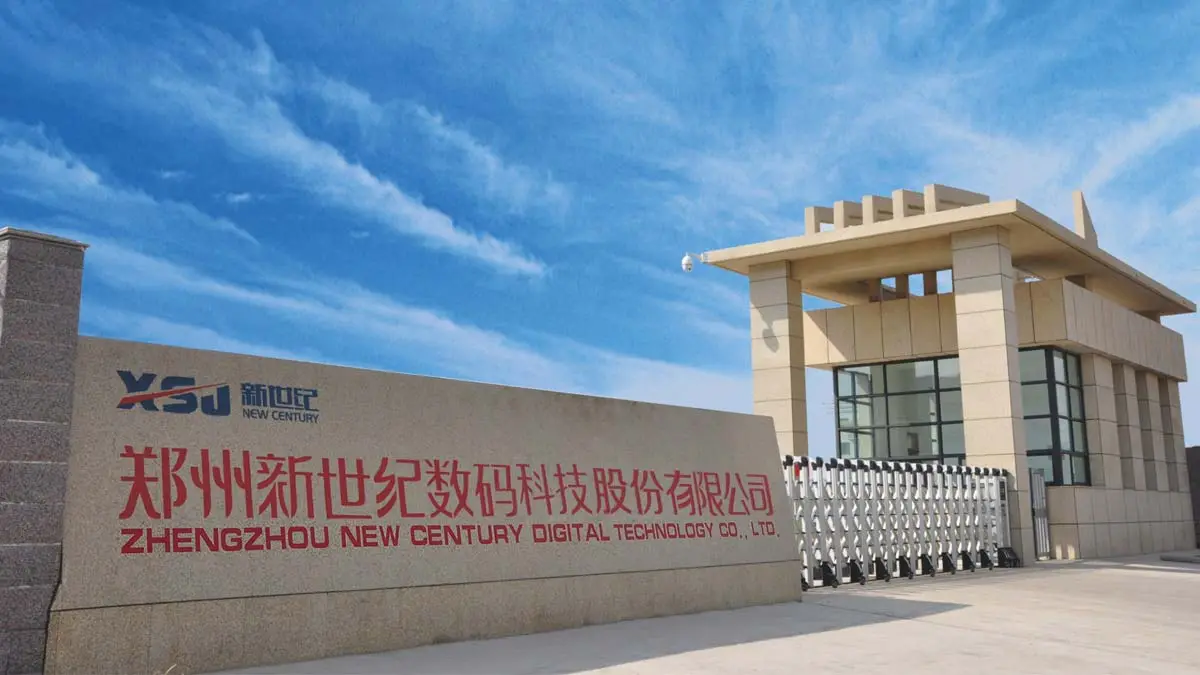
Fedar is a factory-direct DTF PET film printer manufacturer with over 400 production staff, in-house research and development, and a global support team for customers after the sale. The FD-D300 and FD-D302 were designed to meet the needs of agents and resellers who need reliable, repeatable print quality without having to pay more for it. We offer expert training, sample kits, and open ways to work together that are made to fit your market. You can email our team at info@tex-printer.com or visit blog.tex-printer.com to learn more about the features, ask for a demo, and talk about agent pricing right now.
References
1. Textile Research Journal — 2022. Wash Fastness Performance of Pigment-Based Textile Inks Under ISO 105-C06 Protocols.
2. Journal of Imaging Science and Technology — 2021. Piezoelectric Inkjet Printhead Performance in Industrial Textile Applications.
3. AATCC Review — 2023. Thermoplastic Polyurethane Adhesives in Heat-Transfer Textile Decoration: Bonding Mechanisms and Durability.
4. Printing Impressions Magazine — 2023. Direct-to-Film Technology Market Growth and Adoption Trends in North American Apparel Decoration.
5. OEKO-TEX® Association Annual Report — 2023. Regulatory Compliance Standards for Pigment Inks Used in Textile Digital Printing.
6. Wide-Format Imaging Magazine — 2024. Evaluating DTF Printer Throughput and Total Cost of Ownership for Small-to-Mid-Size Decorating Operations.

Leo Li
Leo Li is a promoter of small-batch quick response and flexible manufacturing solutions, focusing on short-process printing solutions for e-commerce customization, fast-turn orders, and personalized production. Achievement: Helped customers achieve a "one-piece minimum, same-day shipping" production model, significantly reducing sampling and delivery lead times while lowering overall operating costs.
We Look Forward to Your Email
Please send us product information that interests you, and we will provide you with one-on-one service.
_1778203196111.png)