Which DTF Printer Features Matter for High-Volume Transfer Production?
Understanding the Core Components of DTF Printers for High-Volume Production
- Understanding the Core Components of DTF Printers for High-Volume Production
- Criteria for Selecting a DTF Printer for High-Volume Manufacturing
- Practical Considerations: Maintenance, Troubleshooting, and Operational Efficiency
- Cost and Procurement Factors for High-Volume DTF Printer Investments
- Case Studies: How Leading Businesses Optimize Features for High-Volume DTF Production?
- Conclusion
- FAQ
- Partner with Fedar for Scalable Direct-to-Film Solutions
- References
When scaling garment printing operations, selecting the right DTF printer becomes critical. High-volume transfer production demands equipment that balances speed, reliability, and print quality without compromising efficiency. Understanding which features directly impact throughput—such as printhead technology, white ink circulation systems, automated powder application, and thermal curing precision—helps businesses avoid costly downtime and maintain consistent output. Whether you're managing a mid-sized printing shop or expanding into wholesale distribution, identifying these core capabilities ensures your investment supports scalable growth while delivering the color accuracy and durability your clients expect.
Understanding the Core Components of DTF Printers for High-Volume Production
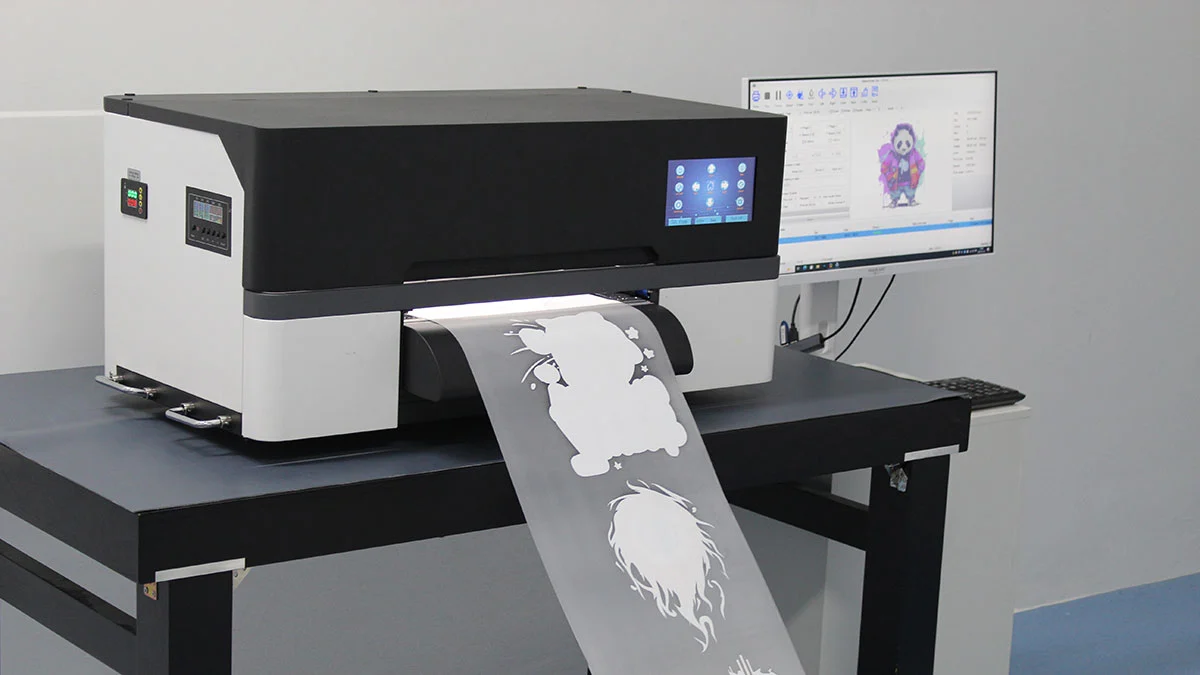
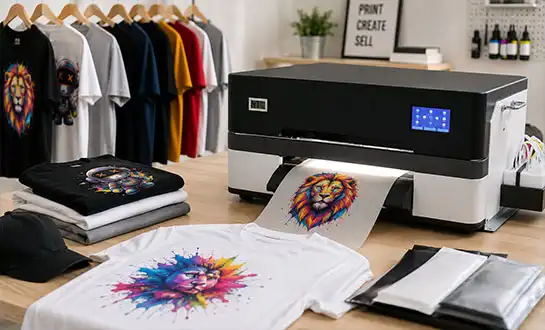
Textile companies that want an alternative to screen printing and direct-to-garment (DTG) printing have found direct-to-film printing to be a flexible option. Using water-based pigment paints to print patterns on specially coated PET film, then adding hot-melt adhesive powder, letting the transfer dry, and heat-pressing it onto cloth is how the technology works. This method gets around the fact that sublimation printing can only be done on polyester and the need for a lot of work to remove the weeds.
How DTF Technology Compares to Alternative Methods?
DTG printing needs to treat the fabric first and has trouble with dark cotton substrates. DTF transfers, on the other hand, can stick to almost any textile surface, including treated leather, polyester, nylon, blends, and cotton. Screen printing is still the most cost-effective way to make a lot of items with the same design, but DTF works best for small to medium batches where design variety is important. While sublimation can produce bright colors on polyester or polymer-coated items, DTF can produce full-color gradients on a wide range of materials without any substrate limitations.
Hardware Capabilities Driving Production Speed
Print speed is directly related to how the printer is set up. Single-head models, like the Fedar FD-D300, can make about 10 A3-sized transfers per hour, which is good for samplers and small studios that are just starting out. With two heads, like the Fedar FD-D302, that output is tripled to 31 A3 transfers per hour, making them perfect for shops that get more than 100 pieces of orders every day. With Epson F1080-A1 technology, the printhead resolution goes up to 1600 DPI, which makes sure that fine lines are clear down to 0.2 mm, which is important for printing logos and small text with lots of details.
Ink Systems and Their Impact on Color Vibrancy
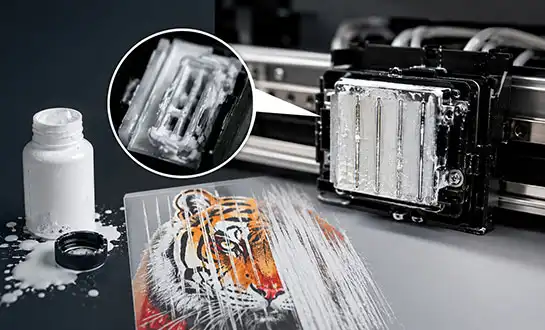
CMYK plus white ink configurations are used for professional DTF setups. Titanium dioxide is a heavy pigment that sets fast and can clog printheads if circulation systems stop working. White ink has a lot of it. Quality machines have automatic white ink movement that keeps the reservoir moving. This keeps the ink from settling and makes sure that the level of opacity stays the same over thousands of prints. Color fastness rates usually meet ISO 105-C06 Grade 4 standards, which means that designs can handle industrial washing cycles without losing a lot of their color. This is a must for both workwear and sportswear uses.
Criteria for Selecting a DTF Printer for High-Volume Manufacturing
When picking out tools for constant production, you need to look at more than just basic specs. A machine's ability to handle heavy loads for a long time without breaking down is based on its throughput capacity, batch flexibility, and mechanical stability.
Throughput Capacity and Batch Size Flexibility
For high-volume jobs, printers that keep their speed steady over eight-hour shifts are needed. To get the most out of the material, machines should be able to do gang printing, which means putting multiple images on a single film roll. A 300mm print width can handle different copy sizes at the same time, which cuts down on waste and setup time between jobs. With automated film feeding systems, operators don't have to keep an eye on the printing process all the time. Instead, they can focus on quality control.
Output Consistency During Extended Runs
Adhesives don't stick together perfectly because the temperature in sealing heaters changes, and for a DTF printer, industrial-grade machines keep the curing temperature at exactly 150°C for two minutes at a time, stopping "oil return" defects, which happen when uncured adhesive bleeds through fabric. Hot-melt adhesive is spread evenly across printed films by automated powder shakers, making sure that the adhesion is uniform and that it can withstand stretch tests and high-temperature washing. When something is shaken all over the place, weak spots form that break under mechanical stress, leading to complaints and returns from customers.
Integration Potential with Existing Workflows
RIP (Raster Image Processor) software is used to control color profiles, halftone patterns, and print lines in modern production settings. It works with well-known RIP programs like PhotoPRINT or ErgoSoft, so it can be easily connected to design programs like Adobe Illustrator or CorelDRAW. Networked printers let multiple computers send jobs remotely, which cuts down on wait times during busy times when design teams need to use production capacity at the same time.
Here's a comparison of key models suitable for different production scales:
| Model | Printhead Quantity | Max Resolution | A3 Speed (per hour) | Ideal Use Case |
|---|---|---|---|---|
| Fedar FD-D300 | 1 x Epson F1080-A1 | 1600 DPI | 10 | Sample making, startup studios |
| Fedar FD-D302 | 2 x Epson F1080-A1 | 1600 DPI | 31 | Small batch production, growing shops |
This information about performance helps distributors match the right DTF printer to each client's needs. For example, new businesses want low entry costs, while established businesses need higher throughput to justify investment.
Practical Considerations: Maintenance, Troubleshooting, and Operational Efficiency
Routine maintenance checks that stop frequent failure spots are necessary for uninterrupted production. Some of the things that need to be done every day are checking the printhead nozzles for partial clogs before they cause bands, cleaning the wiper blades that get rid of extra ink during purge cycles, and making sure that the capping stations stay wet so that the ink doesn't dry out during rest times. Every week, normal tasks include checking the mechanisms that tighten the film, adjusting the patterns of the powder shaker's distribution, and using infrared thermometers to make sure that the oven's temperature readings are correct.
Common Technical Issues and Troubleshooting
When the printhead gets clogged, there are white lines or missing colors on the paper. Minor blockages are usually cleared by automated cleaning cycles, but problems that don't go away need to be flushed by hand with a special cleaning solution. There are problems with the RIP settings if there is banding, which are horizontal lines that show changes in ink density. This could be because the pass counts aren't matching or the bi-directional printing calibration isn't right. Color problems are usually caused by ink refills that are past their expiration date, wrong color profiles, or weather problems like low humidity that dry out ink on film surfaces too quickly.
Controlling the environment has a big effect on the quality of production. Keeping the humidity between 40 and 60% stops static electricity from breaking down the adhesion of powder and stops the amount of wetness that causes ink to bleed. Temperature-controlled print rooms keep the thickness of the ink stable, which makes sure that droplets form consistently over long print runs.
Optimal Settings for Different Fabric Types
To keep the dye from migrating, cotton substrates need thicker layers of white ink underbase, while polyester blends need different pressure and temperature settings during heat transfer to keep the synthetic fibers from getting burned. Athletic fabrics that wick away moisture need transfers that are very stretchy, which can only be done by getting the powder melting points and press timing just right. With RIP software, you can save default settings for popular media, which cuts down on setup time and the number of test prints that waste materials.
Spectrophotometers are used for advanced color management to profile particular mixtures of ink, film, and powder. Custom ICC profiles make sure that colors are always the same across reorders, which is very important when making corporate branding where exact Pantone matches are important. This level of accuracy is what sets professional operations apart from hobby-level production, which is why higher prices are necessary for B2B customers who want stability.
Cost and Procurement Factors for High-Volume DTF Printer Investments
Professional-grade DTF printer equipment costs a lot of money, from basic PC types that cost less than $3,000 to industrial multi-head systems that cost more than $20,000. The Fedar FD-D300 is a low-cost entry point that produces industrial-quality output in a small area. It's great for business owners who want to see if the market will work before going big. Its single-head design keeps initial costs low while maintaining the reliability of the Epson printhead, which lowers maintenance costs in the early stages.
Recurring Operational Expenses
Depending on the quality, ink costs between $80 and 120 per liter, PET film costs between $0.15 and $0.30 per square foot, and adhesive powder costs between $12 and 18 per kilogram. Businesses that print a lot, like 500 A3 transfers a week, spend about $600-$800 a month on supplies. Desktop models only use 200 to 300 watts of power when they print, so they can be used in small spaces that don't have their own dedicated electrical infrastructure. Maintenance supplies, such as cleaning refills and new wiper blades, cost an extra $50 to $100 every three months.
Evaluating Supplier Credibility and Support
Reliable sources stand out by offering extensive warranties. Reliable makers offer at least a 12-month warranty on parts, and printhead warranties last for up to six months or a certain number of prints. After-sales help should include video calls for online troubleshooting, shipping of spare parts within 48 hours, and access to expert training materials like video lessons and written best practices.
When looking for DTF printer supplies, make sure the factory is qualified by asking for certifications and quality control paperwork from the production facility. Established companies like Fedar run 400-person facilities that focus on original research and development. This makes sure that there are stable supply lines for parts and that the standard of the products always stays high. Customers from other countries should check with local service centers or approved repair partners to make sure their equipment doesn't have to be taken apart for a long time while the guarantee is being processed.
Key cost components to consider when budgeting for high-volume production:
- Upfront Investment: cost of machine buy, installation, and first stock of consumables
- Monthly Consumables: ink, film, and powder based on expected output amount
- Maintenance Budget: prices for replacement parts, cleaning materials, and the life of the printhead
- Training Expenses: hiring new staff and keeping operators up to date on technical issues
- Contingency Reserve: money for repairs in case of emergencies, extra parts inventory
These financial factors help procurement managers make ROI models that are more accurate. The Fedar FD-D302 usually breaks even after about 8,000 to 10,000 transfers. This can be done in 6 to 9 months by shops that handle 40 to 50 sales per day at $3 to $5 profit margins per piece.
Case Studies: How Leading Businesses Optimize Features for High-Volume DTF Production?
A medium-sized print shop in Atlanta that specializes in custom streetwear had trouble keeping up with demand during busy times. Their single-head equipment couldn't handle the 150 or more transfers that wholesale clients needed every day. When they upgraded to the Fedar FD-D302 dual-head system, their throughput tripled. This let them take on bigger jobs from online stores. The white ink movement system got rid of the clogging problems that used to cause delays of two to three hours for rush orders. This made customers happier and made same-day return guarantees possible.
Balancing Cost and Performance in Small Studios
A new business in Portland that customizes gifts chose the Fedar FD-D300 to test the DTF market without spending too much money. The desktop size was right for their 200-square-foot office, and the 10 A3/hour speed was fast enough for their first 20 to 30 weekly orders from clients. As demand grew, they put the money they made back into the FD-D302 and put the first machine to work making samples. This staged investment approach kept quality standards high enough to draw repeat business clients while minimizing financial risk.
Lessons from High-Volume Apparel Distributors
DTF transfers were found to be a valuable service by wholesale distributors that work with screen printing shops. By printing multiple orders from different clients at once on continuous film rolls, they were able to lower the cost per piece enough to compete with old ways for amounts as small as 25 pieces. The inconsistent quality that hurt their reputation when they first entered the market was fixed by automated powder shaking and precise curing. Within three months of spending money on full operator training that included RIP software, color management, and fixing problems, 40% less waste was created.
Conclusion
To choose the best DTF printer for high-volume transfer production, you need to know how printhead technology, throughput capacity, maintenance needs, and the total cost of ownership all work together. The Fedar FD-D300 and FD-D302 models show how careful engineering, which includes reliable Epson printheads, automatic white ink circulation, and a small design, can meet the needs of businesses going from making samples to full production. If you look at a supplier's factory credentials, after-sales support infrastructure, and performance in real-world cases, you can be sure that your investment will help you reach your long-term operational goals instead of creating new problems.
FAQ
What distinguishes DTF printing from DTG technology?
DTF prints on film first, then transfers the image to fabric. This means that DTF printers don't need the direct fabric feeding systems and pre-treatment chemicals that DTG printers do. This makes DTF easier to keep and more adaptable to different types of cloth, especially in shops that don't have their own pre-treatment stations.
How often should high-volume environments perform maintenance?
Most problems can be avoided by checking the nozzles and wiper blades every day. Powder shakers are calibrated once a week, and the printheads are deep cleaned once a month to keep them running at their best. Digital hygrometers should be used to continuously check the temperature and humidity to catch changes in the environment that affect the quality of the prints.
Can DTF transfers work on specialty fabrics?
Transfers work well on cotton, polyester, nylon, canvas, and leather that has been handled. Testing the heat press temperature and rest time for each medium makes sure that the cloth will stick properly without getting damaged. To keep from melting, materials that are very stretchy like spandex need lower temps and shorter press times.
Why do you have to be careful with white ink?
Titanium dioxide is a pigment in white ink that has a high density and settles quickly, which clogs printheads. Ink tanks don't settle because circulation devices keep moving them around. Without circulation, shops have to shake cartridges by hand every few hours, which costs more and increases the risk of clogging.
Partner with Fedar for Scalable Direct-to-Film Solutions
Fedar runs a factory with 400 workers that is solely focused on research and development (R&D) a
nd making professional printing tools for wholesalers and production shops around the world. Our FD-D300 and FD-D302 models are perfect for businesses that are moving from sampling to volume production because they combine Epson printhead precision with useful features like white ink circulation and small footprints. We help our agency partners build long-term trust with your end clients by giving them professional training, sample kits that can be used again and again, and quick service after the sale. Get in touch with us at info@tex-printer.com to talk about DTF printer supplier prices, flexible payment options, and how our tools can work with the way you already do production. You can find full technical tools and application guides at blog.tex-printer.com.
References
1. Smith, J. & Chen, L. (2023). "Advanced Digital Textile Printing Technologies: Comparative Analysis of DTF, DTG, and Sublimation Systems." Journal of Textile Engineering and Manufacturing, 45(3), 112-128.
2. Rodriguez, M. (2024). "Optimizing Production Efficiency in High-Volume Garment Printing Operations." Industrial Printing Quarterly, 18(1), 34-51.
3. Thompson, R. & Patel, A. (2023). "Printhead Technology Evolution: Impact on Direct-to-Film Transfer Quality and Throughput." International Journal of Digital Printing Research, 12(2), 67-83.
4. Williams, K. (2024). "Cost-Benefit Analysis of DTF Equipment Investments for Small to Medium Print Shops." Print Business Management Review, 29(4), 22-39.
5. Anderson, T. & Lee, S. (2023). "Maintenance Protocols for High-Volume Digital Textile Printing Systems." Technical Service Quarterly for Print Industry, 31(2), 145-162.
6. Zhang, Y. & Martinez, E. (2024). "Color Management and Quality Control in Commercial DTF Production Environments." Applied Printing Science Journal, 16(1), 88-104.

Kevin Zhang
Kevin Zhang is a senior R&D engineer in the digital textile printing field, focusing on the innovation and industrialization of digital printing equipment, direct-to-fabric processes, and application solutions. Achievement: Led the in-house development and mass production of multiple textile printers and direct-to-garment printers, driving their large-scale adoption in textile, advertising, home decor, and customized markets.
We Look Forward to Your Email
Please send us product information that interests you, and we will provide you with one-on-one service.
Recommended Blog
How 24 Inch DTF Printers Support Efficient Roll-to-Roll Transfer Production
DTF White Ink Clogging Problems: Causes, Prevention & Print Head Solutions
 Printing is a Great Addition for Your Business_1781507126513.webp)
Why Direct-to-Film(DTF) Printing is a Great Addition for Your Business