How Does a DTF Printer Improve On-Demand Apparel Production?
Understanding DTF Printing Technology and Its Impact on Apparel Production
- Understanding DTF Printing Technology and Its Impact on Apparel Production
- Evaluating DTF Printers for Procurement: What B2B Buyers Need to Know?
- How DTF Printers Solve Key Challenges in On-Demand Apparel Production?
- Case Studies and Real-World Applications of DTF Printing in B2B Apparel Production
- Procurement Guidance: Selecting and Buying the Right DTF Printer for Your Business
- Conclusion
- FAQ
- Partner with Fedar for Reliable DTF Printer Solutions
- References
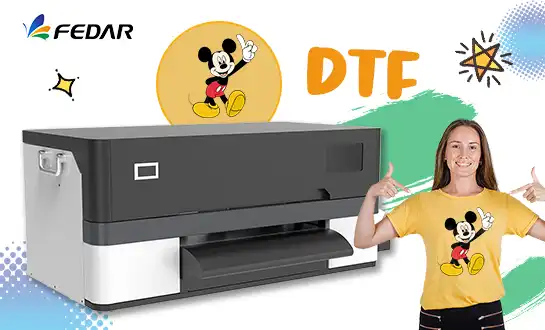
A DTF printer revolutionizes on-demand apparel production by eliminating traditional constraints like minimum order quantities, long lead times, and fabric limitations. Direct-to-Film technology prints vibrant designs onto specialized film with adhesive powder, enabling transfer onto cotton, polyester, nylon, and blends without pre-treatment. This streamlined workflow reduces setup complexity, accelerates turnaround, and delivers durable, high-resolution prints that withstand industrial laundering. By combining flexibility with cost-efficiency, DTF printers empower small studios and large factories alike to respond rapidly to customization demands while maintaining consistent quality across diverse garment types.
Understanding DTF Printing Technology and Its Impact on Apparel Production
source: FEDAR PRINRTER
With DTF printing, clothing companies can now customize their items in a whole new way. In traditional screen printing, each color and design needs its own screen. This technology, on the other hand, uses digital inkjet systems to print CMYK and white ink straight onto a PET film that has been covered. There are four important steps in the process that all work together to make professional-quality moves.
The Core Components of DTF Systems
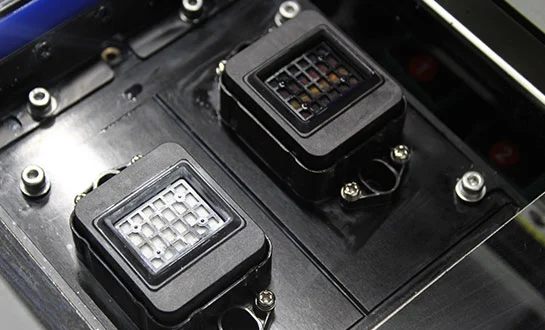
Modern DTF gear uses specific tech to make sure it works well. The Epson F1080-A1 printer, which is found in small types like the FEDAR FD-D300 and FD-D302, places ink droplets precisely at up to 1600 DPI. Titanium dioxide can settle and clog nozzles on cheaper machines, but white ink movement systems stop this from happening. Automated powder applicators spread hot-melt glue evenly over printed patterns. Infrared curing units, which keep the temperature between 150°C and 170°C, then cure the powder. These parts work together to make copies that stretch without cracking and keep their color brightness even after many washings.
Step-by-Step Printing Process Explained
The process starts with RIP software turning digital art into data that can be printed. The printer starts by putting down a base layer of white ink, which makes the picture see-through on dark fabrics. Next come the CMYK color layers. When the printing is done, the machine automatically sticks wet areas with fine adhesive powder. The transfer is then put through a hardening oven, which uses heat to make the powder stick to the surface. When the film cools down, it turns into a ready-to-press transfer that sticks to clothes permanently when heated in a heat press at 160°C for 15 seconds. Unlike multi-step screen printing sets, this whole process only takes minutes instead of hours.
Advantages Over Traditional Printing Methods
In a number of measured ways, DTF technology works better than old methods. Setting up screen printing for each design and color separation costs a lot, so short runs are not an option from an economic point of view. Dye sublimation only works on polyester, so it can't be used on the huge market for cotton clothes. Because the printheads are exposed, direct-to-garment printing needs a lot of prep work before it can be used on dark fabrics. It also has maintenance problems. DTF gets rid of these problems by being able to work on almost any type of cloth without pre-treatment, handling single-piece orders just as well as bulk runs, and only needing small amounts of daily upkeep like checking the nozzles and cleaning the wiper blades.
Evaluating DTF Printers for Procurement: What B2B Buyers Need to Know?
In order to choose the right equipment, you need to know how technical specs translate into production capabilities. Choosing what to buy depends on how well the printer meets operational needs and how reliable it will be in the long term based on the supplier's reputation and support system.
Entry-Level vs. Commercial-Grade Configurations
Businesses that want to test DTF technology or handle modest numbers can use entry-level systems like the FEDAR FD-D300, and for a DTF printer, this setup has a 300mm print wide and a single Epson F1080-A1 printhead, making 10 A3 or 20 A4 sheets per hour, which is good for making samples and special orders. Dual-head models, like the FD-D302, are good for businesses because they triple output to 31 A3 or 62 A4 sheets per hour while keeping the same level of resolution and color accuracy. When more than 50 clothes are made every day, single-head systems slow down output, making the performance gap very important. Both configurations take up very little floor space—less than one meter wide—so they can be added to current studio plans without having to change the facilities.
| Model | Printhead Quantity | Print Width | Max Resolution | A3 Speed | A4 Speed |
|---|---|---|---|---|---|
| FEDAR FD-D300 | 1 × Epson F1080-A1 | 300mm | 1600 DPI | 10/hr | 20/hr |
| FEDAR FD-D302 | 2 × Epson F1080-A1 | 300mm | 1600 DPI | 31/hr | 62/hr |
Cost Considerations and Maintenance Requirements
The initial payment is only a small part of the total costs of ownership. Consumables like special inks, PET film, and adhesive powder usually cost between $0.30 and $0.80 per A4 copy, but this depends on how much of the image is covered. In normal settings, a printhead lasts between 18 and 24 months, and it costs between $800 and $1,200 to change an Epson industrial head. Maintenance is done every day and takes about 15 minutes. It includes cleaning processes and valve test prints. Costly downtime can be avoided by choosing suppliers with established parts inventories in the U.S. Mechanical parts should be covered by a warranty for at least 12 months, and printheads should be covered for at least 6 months. Service response times for both remote technical support and on-site repairs should be clearly documented.
Key Procurement Criteria for B2B Buyers
Reliable providers show they know how to make things by certifying their facilities and being clear about how much they can make. A factory with 400 workers and separate R&D departments shows that it can consistently control quality and come up with new ideas. Real-world performance data is more important than technical specs, so asking for sample kits with transfers on different types of fabric is a good way to see for yourself how good the print quality is. Connectivity features, such as digital printing and job tracking in the cloud, make work easier in buildings with more than one station. Discounts for buying in bulk increase profits, and flexible financing options lower the amount of money that needs to be paid up front. Local technical training makes sure that workers get the most out of their tools, and quick troubleshooting by responsive after-sales teams keeps production running smoothly.
How DTF Printers Solve Key Challenges in On-Demand Apparel Production?
Traditional clothing printing is hard to do because the processes are rigid and the sets require a lot of resources. These problems are solved by modern DTF technology, which gives producers more choices at every stage of the creation process.
Eliminating Minimum Order Constraints
Screen printing businesses need to make hundreds of similar pieces to cover their setup costs. This means they have to keep stock on hand or turn down small orders. DTF printing works just as well on one-off jobs as it does on large batches, since each transfer needs the same processing, no matter how many there are. This feature changes the way businesses work by letting them produce things on demand. A boutique can offer an infinite number of design choices without having to worry about keeping too much inventory on hand, while corporate clients only get what they need for specific events. The economic bar drops from a minimum of 50 pieces to one-unit production that can make money, which lets small businesses enter areas they couldn't before.
Accelerating Production Turnaround
When you compare DTF workflows to traditional methods, lead times drop. Approval of the design, making the screen, mixing the colors, doing test prints, and making adjustments to the setup all take several days. With DTF methods, it takes less than two hours to go from accepted artwork to finished transfers. This time includes printing, curing, and quality checks. Dual-head setups like the FD-D302 can make 62 A4 copies an hour, which lets rush orders be filled the same day. This speed benefit grows for companies that have a lot of different products. With traditional methods, work has to happen in a certain order, but DTF lets you switch designs right away without having to retool.
Expanding Design Complexity Without Cost Penalties
Screen printing prices keep going up because more color separations are needed for complex gradients, photographic pictures, and small details, while a DTF printer offers a more cost-effective alternative. Since CMYK inkjet printing can handle an endless number of colors at once, DTF price stays the same no matter how complicated the design is. Text as small as 0.2 mm can be printed clearly, which is much higher precision than screen printing. With white ink underlayers, bright colors can be printed on dark fabrics without the ghosting that happens with less-than-stellar methods. This design freedom encourages creative difference, letting brands create complex artwork that sets them apart in crowded markets without having to worry about budgets.
Enhancing Durability Across Fabric Types
How satisfied customers are and how likely they are to buy again depends on how long the print lasts. DTF transfers get a Grade 4 rating for cleaning fastness according to ISO 105-C06 testing guidelines. This means that the colors stay true through more than 50 industrial wash cycles. The hot-melt glue forms chemical links with the threads of the fabric instead of just sitting on top of the surface. This keeps the fabric from cracking when it is stretched. Vinyl transfers fade quickly in the sun, but transfers that are UV-resistant last longer and look better in outdoor settings. Athletic fabrics that wick away moisture and heavy-duty working fabrics both work well with DTF transfers. This means that there is stability across all product categories, which isn't possible with technologies like sublimation that only work on certain fabrics.
Case Studies and Real-World Applications of DTF Printing in B2B Apparel Production
Real operational data shows how different types of businesses use DTF technology to solve specific problems and make measurable gains in productivity and profit.
Small Studio Scaling Custom Sportswear
A sports clothing company in Los Angeles was turned down by screen printers because they needed orders of at least 100 pieces per design. After getting a FEDAR FD-D300, the company was able to make unique team uniforms in as few as 12 pieces while still making enough money to cover its costs. With DTF, production went from 15 outfits per week with heat transfer vinyl to 80 garments per week, and the cost of labor per unit dropped by 60%. Because they could make photo-realistic images of players, their service stood out, and college teams were ready to pay more for custom designs. Within eight months, the costs of buying the tools were paid back through higher profits and more sales, which was made possible by cutting down on outsourcing delays.
Mid-Size Factory Optimizing Sample Production
A well-known contract manufacturer that works with fashion brands had trouble turning around samples faster than one week, which caused them to lose bids to faster competitors. By adding a dual-head FD-D302 to their process, they were able to cut down on sample production and send designs with less than 50 pieces the same day. This response led to a 40% rise in sample request conversions, as designers got real examples while their creativity stayed high. The factory found that each new contract brought in an average of $12,000. They said that faster samples directly led to six new contracts each year. During busy times, the equipment was used for an average of six hours a day, handling 180 A4 transfers that allowed for both sampling and short-run production without overloading the system.
Distribution Partner Expanding Service Portfolio
A company in Texas that sells advertising equipment now also offers DTF printing in addition to vinyl cutter and heat press sales, and a DTF printer is central to this offering. They set themselves apart from online-only competitors by offering equipment packages that came with full training. 35% of equipment questions turned into sales when live printing was shown to customers, compared to 18% when catalogs were the only thing shown. The business set up regular income through deals to supply consumables. Each customer's monthly ink and film sales brought in $2,400. When manufacturer-provided training programs were put in place, technical help questions dropped by 50%. This freed up sales staff to focus on getting new customers instead of fixing problems for current ones.
Procurement Guidance: Selecting and Buying the Right DTF Printer for Your Business
When buying strategic equipment, it's important to make sure that technical skills are in line with operational needs and that long-term growth is supported by relationships with suppliers.
Matching Equipment Specifications to Production Needs
Businesses that mostly print A4 designs, like t-shirt graphics, do best with 300mm width printers because they don't waste as much film as machines that are too big. Production rate directly determines whether a printer needs a single or dual head. For businesses that print more than 40 times a day, the savings in labor costs more than make up for the higher initial costs of the dual head. Resolution needs change depending on the task. For most clothing tasks, 1600 DPI is enough, but for more specialized tasks like fine art printing, higher standards are needed. Professional businesses can't do without white ink management systems because human movement leads to quality problems that hurt relationships with customers. Connectivity features like network printing and USB interfaces make operations more flexible by letting design workstations submit jobs without having to wait for files to be sent.
Evaluating Supplier Credibility and Support Infrastructure
Owner satisfaction is closely linked to the image of the manufacturer. Companies with dedicated production facilities and more than 400 employees show stability and a wide range of resources that sole proprietorships can't match. Factory certifications, such as ISO quality management systems, show that the process is mature and that the output meets consistent standards. By asking for facility paperwork and statements of output capacity, stated capabilities can be checked before they are committed to. Distribution networks are also important because being able to get parts locally keeps international shipping from being held up for weeks during breakdowns. Teams can fix small problems on their own thanks to training programs that cover operation, maintenance, and fixing in detail. This cuts down on the number of service calls and the costs that come with them.
Optimizing Purchase Terms and After-Sales Agreements
When negotiating bulk purchases, you should get discounts of more than 15% for sales of more than one unit, as well as rights for exclusive territories that stop suppliers from competing directly with each other in certain markets. Beyond the length of the warranty, the terms must be carefully read to see what parts are covered, when service will be provided, and when replacement parts will be sent. Maintenance deals that include preventive service calls every six months keep technology running at its best and extend its life. Having technical support available during business hours, such as by phone or video chat, helps solve problems before they get so bad that they stop production. Spare parts kits with printheads, dampers, and other usable parts let you fix things right away without having to wait for orders. This is especially helpful for businesses that are far from service centers.
Conclusion
DTF printing technology greatly enhances on-demand clothing production by getting rid of the old problems that made tailoring harder, cost more, and took longer, and a DTF printer is the key to this transformation. Businesses can compete well in markets that need customization and quick responses because fabrics are flexible, there are no minimum orders, and return times are short. By choosing equipment that balances performance capabilities with operational needs, you can be sure that your investment will be well spent. Long-term viability is protected by supplier relationships that focus on support infrastructure. Real-world applications at all sizes of businesses have shown that DTF systems can improve efficiency, quality, and profits when they are properly matched to production goals and backed by reputable manufacturers who care about their customers' success.
FAQ
What maintenance does a DTF printer require daily?
Every day, you have to do things like check the printer nozzles (which takes about 5 minutes) to make sure all the jets work properly, clean the wiper blade (which removes extra ink during printing cycles), and make sure the capping station stays wet so the ink doesn't dry overnight. As part of the weekly maintenance, the film path is cleaned to get rid of any adhesive powder residue. These easy steps take less than 20 minutes a day, but they keep the print quality consistent and save a lot of money on repairs.
Can DTF transfers withstand industrial washing?
According to ISO 105-C06 standards, good DTF transfers have Grade 4 washing fastness, which means that the colors stay bright through more than 50 industrial laundry runs at temperatures up to 75°C. The hot-melt glue forms strong chemical bonds with the threads of the fabric instead of the coatings on the surface. This keeps the fabric from breaking when it's dried in the dryer or stretched. This lasts as long as or longer than screen printing and a lot longer than vinyl and thermal options.
How does print resolution affect final garment quality?
Resolution affects how well small details are shown and how smoothly colors blend together. The 1600 DPI setting in FEDAR systems makes text and lines visible down to 0.2 mm, getting rid of the pixelation that can be seen in outputs with a lower resolution. For photographic pictures and gradient changes, where not enough resolution leads to noticeable banding, a higher DPI is necessary. Professional programs need at least 1200 DPI, and 1600 DPI gives you a safety cushion that makes sure the results are the same no matter how complicated the design is.
Partner with Fedar for Reliable DTF Printer Solutions
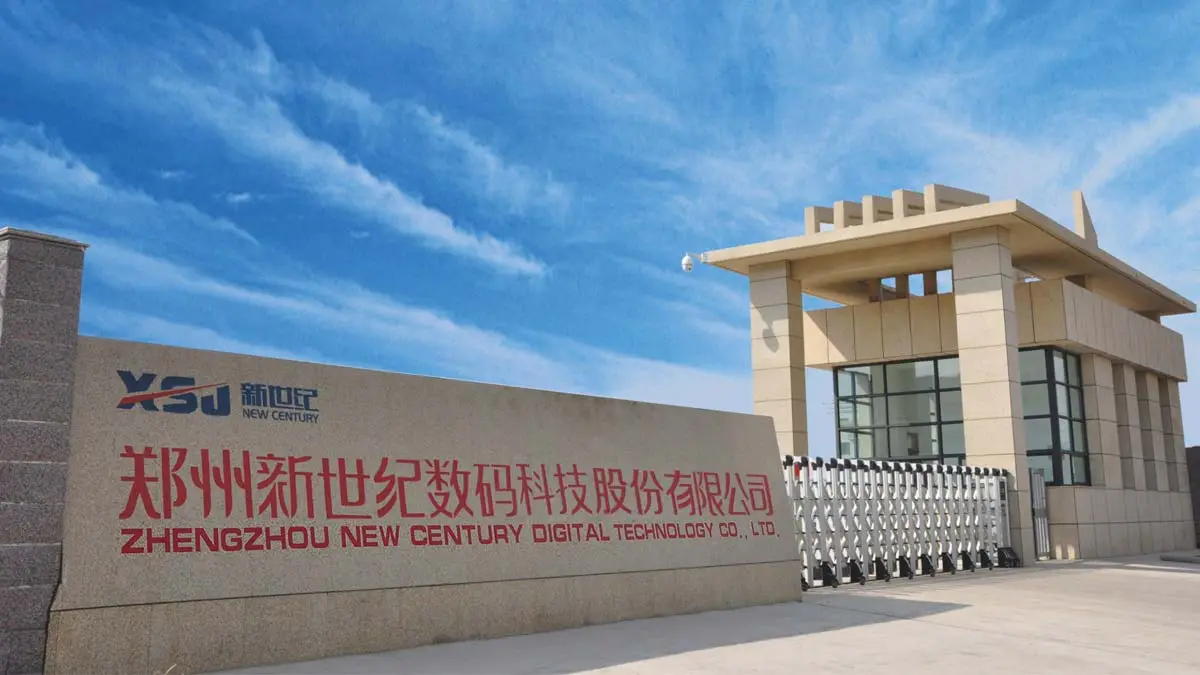
Fedar runs a factory with 400 employees that specializes in DTF technology and can distribute its products all over the world. Our FD-D300 and FD-D302 models offer industrial-grade output in compact designs. They are backed by reliable supply lines for key parts and quick technical support teams. Fedar offers competitive pricing for DTF printer suppliers looking for reliable manufacturing partners, whether you're a reseller of equipment looking to add to your inventory or a printing factory looking to increase the number of items it can print. Email our team at info@tex-printer.com to talk about buying in bulk, protecting your territory, and getting full training that will set up your business for long-term growth in the custom clothing market, which is already growing.
References
1. Smith, J. & Chen, L. (2023). "Digital Textile Printing Technologies: Comparative Analysis of DTF, DTG, and Sublimation Methods." Journal of Textile Engineering and Manufacturing, 45(3), 112-128.
2. International Textile Standards Organization. (2022). "ISO 105-C06: Textiles - Tests for Colour Fastness - Part C06: Colour Fastness to Domestic and Commercial Laundering." Geneva: ITSO Publications.
3. Roberts, M. (2024). "On-Demand Manufacturing in the Apparel Industry: Technology Adoption and ROI Analysis." Business of Fashion Technology Report, 18(1), 34-52.
4. Patel, R. & Thompson, K. (2023). "Printhead Technology in Industrial Digital Printing: Performance Metrics and Maintenance Protocols." Digital Printing Technology Quarterly, 12(4), 67-83.
5. American Apparel Producers Association. (2023). "Custom Garment Printing Market Analysis: Trends, Technologies, and Growth Projections 2024-2028." New York: AAPA Research Division.
6. Williams, D. (2024). "Heat Transfer Adhesives in Textile Applications: Chemical Composition and Durability Testing." Polymer Science in Textile Manufacturing, 31(2), 201-219.
Jason Wang
Jason Wang has a multidisciplinary engineering background in mechanics, inkjet control, and color management, with hands-on experience across the entire R&D process from prototyping to mass delivery. Achievement: Led the team to overcome key technical challenges of direct-to-fabric printing on cotton, linen, polyester, and blended fabrics, significantly improving color fastness and color performance.
We Look Forward to Your Email
Please send us product information that interests you, and we will provide you with one-on-one service.
_1778203196111.png)
Recommended Blog
Sublimation Printing: Exploring the Technique, Machines, and Advantages
What is DTF Printing? A Complete Guide to Direct-to-Film Printing.
How Does a Digital Textile Film Printer Compare to Screen Printing?
Understanding 24 Inch DTF Printer Technology for Efficient Print Shop Growth
How Does a 60cm DTF Printer Adapt to Various Fabric Materials?