How Does a Digital Textile Film Printer Compare to Screen Printing?
Understanding the Basics of Digital Textile Film Printing and Screen Printing
- Understanding the Basics of Digital Textile Film Printing and Screen Printing
- Limitations of Screen Printing and Emergence of Digital Textile Film Printing
- Core Comparison: Performance, Quality, and Cost Efficiency
- Procurement Considerations for Digital Textile Film Printers versus Screen Printers
- Making the Right Choice: Which Printing Technology Fits Your Business?
- Conclusion
- FAQ
- Partner with Fedar for Your Digital Textile Film Printer Needs
- References
When looking at different ways to print on textiles, a digital textile film printer, also called DTF (Direct-to-Film), is much better than standard screen printing. Using advanced inkjet technology, DTF systems print special pigment inks onto coated PET transfer films. They then apply hot-melt adhesive powder and heat-cure the design onto fabrics. In contrast to screen printing, which needs a lot of work to set up and multiple screens for each colour, DTF doesn't need any pre-treatment, produces high-definition results on both dark and light garments, and greatly lowers the cost of producing multiple colours in small quantities. This makes digital film printing perfect for companies that want to be flexible, quick, and get great quality without having to deal with the limitations of old methods.
Understanding the Basics of Digital Textile Film Printing and Screen Printing
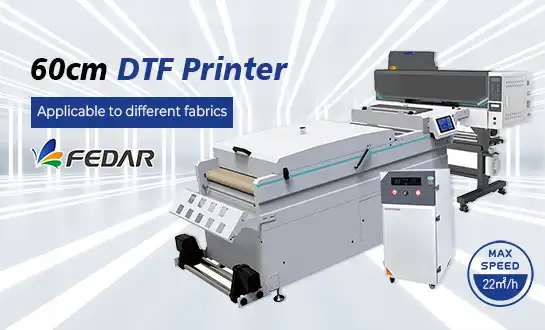
source: FEDAR PRINRTER
What is Digital Textile Film Printing?
The use of digital textile film printing is a new way to decorate clothes. Industrial-grade printheads, like the Epson I3200-A1 found in models like the Fedar FD-6198E-A and FD-6198E, are used in this technology to print CMYK and white inks at up to 3200 DPI onto specially coated transfer films. The process uses an automatic powder coating and controlled curing to make transfers that stick to cotton, polyester, nylon, and blended materials forever. DTF doesn't need to treat the fabric first like direct-to-garment printing does, so it can be used with a wide range of colours and materials.
How Traditional Screen Printing Works
A stencil-based method of screen printing has been used in the textile industry for many years. For a design to work, each colour needs its own screen, which needs to be carefully set up, lined up, and cleaned between runs. Ink moves through holes in the mesh and onto the fabric, making long-lasting prints that are great for big orders of simple patterns. Screen printing is great for quickly making thousands of similar items, but it takes a long time to set up, can't use different colours, and can't be changed to fit new designs. This can be a problem for businesses that need to be flexible in today's fast-paced market.
Side-by-Side Workflow Comparison
When you look at how these tools work together, you can see how they are different. Preparing the screen, making the ink, manually lining it up, applying colours one after the other, and doing a lot of cleanup are all steps that must be taken before the real production can begin. Digital textile film printing completely simplifies this process; plans go straight from software to printer, so there are no screens and setup takes only minutes. The Fedar FD-D302 has two Epson F1080-A1 printheads and can make 31 A3-sized prints or 62 A4 prints per hour. This shows how digital technology can help you get more done. This efficiency changes how print shops, stores that sell advertising tools, and companies that make custom clothes plan their production.
Limitations of Screen Printing and Emergence of Digital Textile Film Printing
Time-Consuming Setup and Labor Requirements
The old-fashioned way of doing screen printing causes problems for modern businesses. It could take three hours of skilled work to set up screens for a four-color design before printing even one shirt. When customers ask for changes to the design, which happens a lot with custom orders, the whole process starts over, which wastes materials and delays delivery. Costs go up because of all the work that goes into it, especially for small amounts where setup time is longer than real printing time. Digital alternatives, such as a digital textile film printer, get rid of these problems by not requiring any screen preparation at all. This means that operators can quickly switch between designs and meet customer needs.
Color Range and Design Complexity Restrictions
With traditional methods, it's hard to make photorealistic images, gradients, and designs with more than six colours. For every extra colour, you need a new screen, which raises the cost and complexity. Because of these restrictions, many screen printers turn down jobs with complicated art. These problems are gone thanks to DTF technology. Digital systems can print in continuous tones, which makes it possible to reproduce an infinite number of colours, smooth gradients, and small details that would be impossible or too expensive to print on screens. Companies that offer high-quality custom graphics will be able to reach new customers thanks to this feature.
Environmental and Sustainability Concerns
A lot of trash is made by screen printing, like extra inks, cleaning solvents, and screens that are broken. Concerns about environmental compliance arise from the chemicals needed to prepare and clean screens, especially as rules become stricter around the world. Digital textile film printing has a much smaller effect on the environment because it uses precise ink deposition to cut down on waste, doesn't use solvent-based cleaning methods, and makes less dangerous materials. This advantage gives distributors and factory owners a competitive edge while supporting responsible manufacturing practices. They can use it to attract clients who care about the environment or to meet corporate sustainability requirements.
Core Comparison: Performance, Quality, and Cost Efficiency
Print Resolution and Color Vibrancy
The technical specs show that these technologies are very different in terms of quality. Digital devices can print at 1440 to 2400 DPI, which is much higher than what can be done with screen printing. The 1600 DPI quality of the Fedar FD-D300 and FD-D302 models makes sure that text is clear, patterns are detailed, and pictures look like they were taken with a camera. Digital printing's precise control of ink droplets makes colour vibrancy better, making transitions smooth and colour matching accurate. Screen printing is very opaque and lasts a long time, but it lacks the colour range and detail of digital options, especially when printing complicated artwork or photos.
Production Speed and Flexibility
How well something is made depends a lot on how the order is made. Screen printing is best for making a lot of simple designs because the setup time is spread out over thousands of units. Digital printing is great in some situations. Small batch output and special orders used to lose money, but now they can make money because they can be printed on demand without having to wait for setup. A single-operator DTF machine like the FD-D302 can do a variety of tasks throughout the day, such as business logos in the morning, custom art in the afternoon, and advertising designs at night, without having to take breaks like screen printing does. This versatility is very helpful for companies that work with people who sell things online, places that customise gifts, and customers who need things quickly.
Operational Cost Analysis
To find out what the real costs are, you have to look beyond the price of buying the equipment. Screen printing costs money over time because of the screens, inks, emulsions, cleaning supplies, and skilled workers who do the work. Digital systems need inks, films, and adhesive powder, but they don't need as much labour because they are automated. Even though digital textile film printers cost more to buy at first, they pay for themselves faster in the long run because they have lower operational costs per print, especially for orders under 100 units. The prices of maintenance are also very different. For example, screen printing needs to change screens regularly and clean them very well. Digital systems, on the other hand, need regular maintenance on the printhead and cleaning cycles that usually happen on their own.
Low-Barrier Entry to Professional Production: You don't need a lot of experience or a lot of money to start a fabric printing business. DTF technology makes it easy for new businesses to get into the market quickly. Small, desktop-sized tools can produce professional-quality work. This makes custom printing more accessible to everyone, so small studios and online sellers can compete without having to build the infrastructure that traditional ways need.
Print-on-Demand Economics: Getting rid of minimum order numbers changes the way businesses work. In order to get reasonable unit costs with screen printing, you had to order dozens or even hundreds of items. With DTF, you can make a profit by making just one item. This feature perfectly fits with the current market trend toward customisation and personalisation, making it possible for small businesses to offer services that were only possible for large businesses before.
Space and Energy Efficiency: For equipment, screen storage, drying racks, and washing stations, traditional screen printing shops need a lot of floor space. DTF systems can fit this into small spaces that are good for shops, home-based companies, or buildings that can be used for more than one thing. As a result, less energy is used, which lowers costs and has less of an effect on the environment while keeping or increasing production capability.
Procurement Considerations for Digital Textile Film Printers versus Screen Printers
Total Cost of Ownership Analysis
To make smart purchasing decisions, you need to look at costs over the whole lifecycle of an item. The purchase price is only the beginning. Digital systems usually cost more up front, but they save money in the long run because they require less work, are easier to set up, and use fewer supplies per print job for small to medium runs. Screen printing equipment is cheaper at first, but screens, labour, and longer production cycles add up to higher costs over time. When looking at choices like the Fedar FD-D300 or FD-D302, buyers should figure out how much each print costs across standard order sizes. They should also consider labour rates, material costs, and production speed to find the technology that gives them the best return on investment (ROI) for their business.
Supplier Reliability and Support Networks
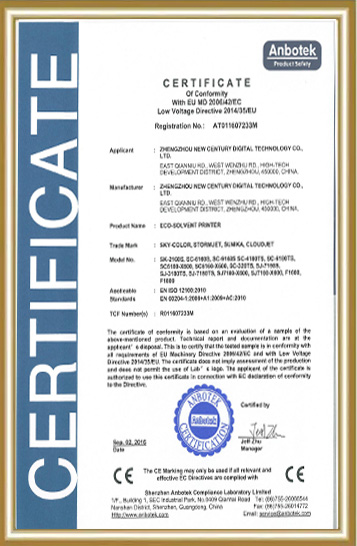
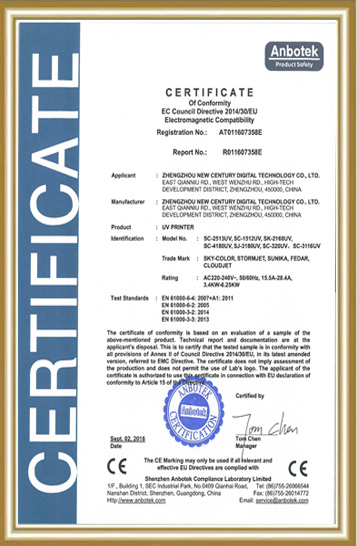
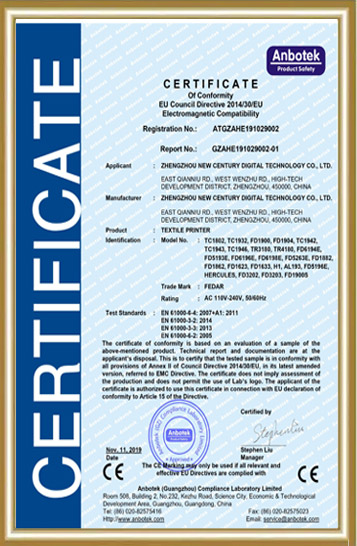
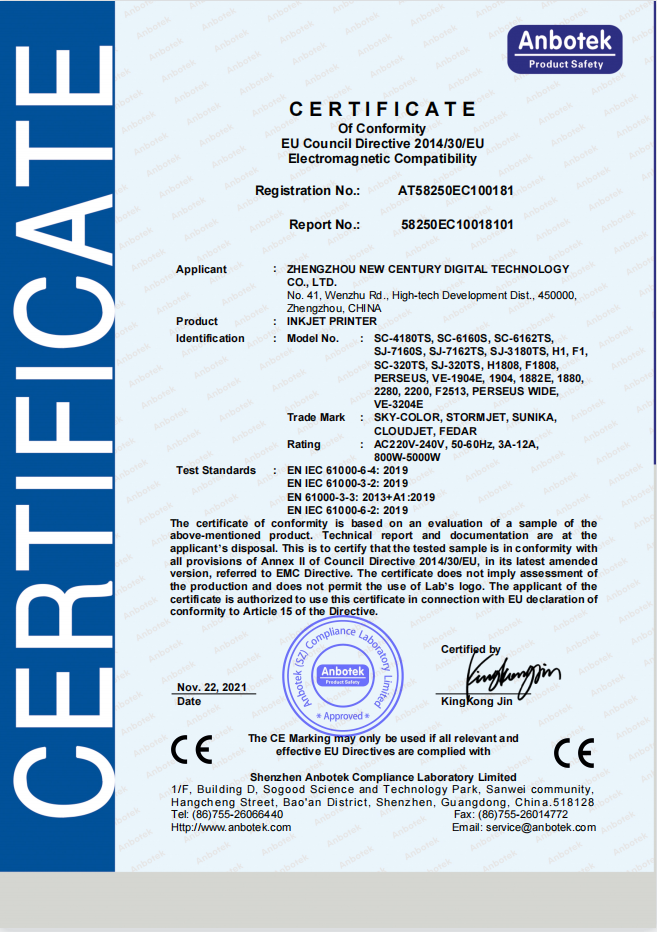
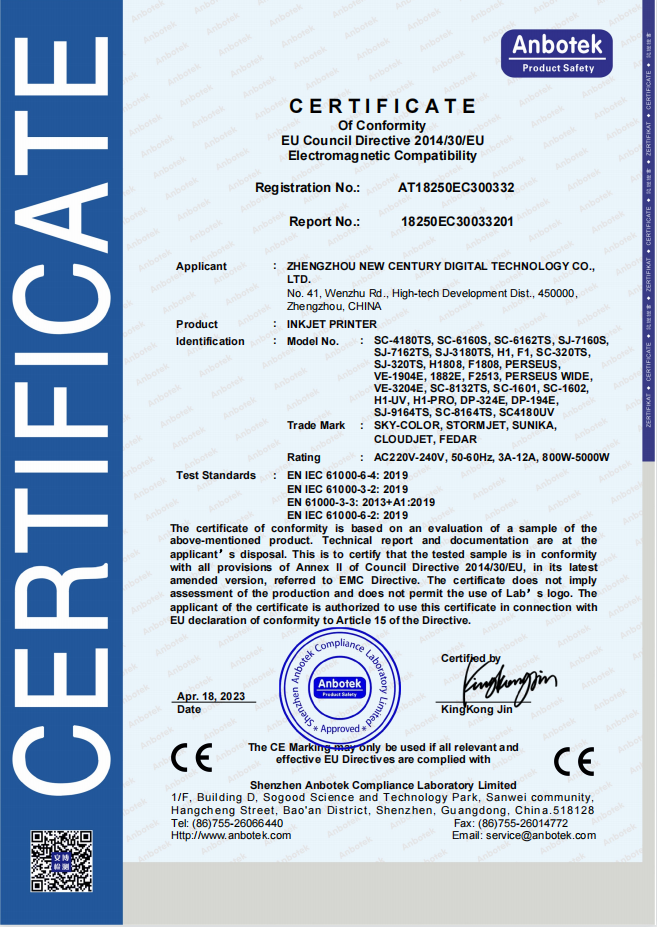
Reliable equipment has a direct effect on how well a business does. When machines break down right before a customer deadline, the costs of downtime add up very quickly. This makes choosing a supplier very important. Fedar runs a 400-person plant that focuses on original research and development and production while following strict quality control rules. Because we've worked with customers around the world on a wide range of projects, we can guarantee that our tools will work reliably in tough production environments. It's just as important to have access to local expert training, extra parts, and after-sales support, especially for cross-border operations where reaction times can make or break customer relationships. Procurement managers should look at a factory's certifications, its production capacity, and the strength of its support networks in the places it wants to sell to when they are choosing providers.
Installation, Training, and Ongoing Maintenance
Buying equipment is only the first step toward a successful deployment. When you put something correctly, it works perfectly from the start, and when you train workers well, they can use the equipment to its fullest potential and fix common problems on their own. Digital systems like DTF printers need people who know how to use software, manage ink, and do maintenance. Fedar gives partners thorough technical training, marketing support materials, and sample kits that can be used again and again. These things help partners gain confidence and get into the market faster. Regular upkeep, such as cleaning the printer, calibrating the machine, and checking all of its parts, keeps the print quality high and extends the life of the equipment. Buyers should find out what kind of training and help is included and what costs extra to make sure their teams can use the tools correctly and avoid costly downtime.
Making the Right Choice: Which Printing Technology Fits Your Business?
Matching Technology to Business Requirements
To successfully adopt new technology, you must first be honest about what your business needs. Screen printing is still a good option for companies that make a lot of simple designs because the setup time is spread out over thousands of units. Screen printing's lower per-unit costs at high volume may appeal to companies that make school uniforms, promotional items, or have stable, repeat orders. Digital textile film printing with a digital textile film printer works great in a variety of situations, such as custom clothing shops that deal with new designs every day, businesses that sell personalised items, sample makers that need to make quick prototypes, and companies that have customers who need things quickly. Companies that make advertising signs, personalised gifts, and home textiles can really benefit from DTF's quality and freedom.
Hybrid Approaches for Maximum Flexibility
Instead of sticking with just one technology, a lot of businesses that do well use a mix of technologies. Screen printing is used for mass production of standard items, while digital systems are used for special work, samples, and urgent orders. This method makes the most of the best features of both technologies, making sure that costs are kept as low as possible for all types of orders. A medium-sized printing company might use screen printing for regular business orders and DTF equipment for the growing custom and personalised market. Businesses can take advantage of bigger market chances with this approach, instead of making every job go through the same inefficient production method.
Key Evaluation Metrics for Decision Making
Procurement managers should use certain criteria to judge possible investments. When you test the print quality, you should look at things like resolution, colour accuracy, and durability in conditions that are similar to what the print will be used for. When figuring out cost effectiveness, you have to think about things like usual order sizes, setup time, material prices, and labour needs. Maintenance load affects operational consistency; equipment that needs a lot of work every day or that needs to be serviced often throws off production plans. When making ROI estimates, you should be honest about how much money you could make, taking into account how easy it is to get into new markets and how digital tools could help you grow. The Fedar FD-D300 and FD-D302 are entry-level models with varying levels of price and performance. For businesses that need to produce more, the dual-head FD-D302 model offers twice the speed of production.
Conclusion
The comparison of digital textile film printers and screen printing reveals complementary strengths rather than absolute superiority. Screen printing is still better for making a lot of easy designs, but DTF technology is better for custom work, small batches, and patterns that are hard to make. It also has better quality and cost-effectiveness. Businesses today are increasingly choosing digital options or mixed methods that use both technologies in a smart way. Systems like the Fedar FD-D300 and FD-D302, which offer industrial-quality output in desktop-friendly packages, make professional printing easier to get into. This lets a wide range of businesses enter and thrive in the custom textile markets.
FAQ
Can digital film printers take the place of screen printing fully in industrial settings?
Full replacement depends on how the product was made. When it comes to custom work, complicated designs, and orders of less than a few hundred units, DTF printers often do a better job and are more efficient than screen printers in these situations. If you need a lot of simple designs, like thousands of identical promotional shirts, screen printing may still be the best option because it costs less per unit. A lot of businesses find that a mix of technologies works best, using each one where it does its best job.
What maintenance does a DTF printer require compared to screen printing equipment?
DTF systems need to have regular, often automatic cleaning processes for the printheads and white ink circulation systems that are checked on a regular basis to make sure they don't get clogged. When you do screen printing, you have to clean the screens very well between colours and jobs, store them and eventually replace them, and keep the presses and dryers in good shape. Most of the time, digital systems need less daily upkeep work, but the ink systems and printheads need extra care.
What effect do different types of ink have on environmental compliance?
Most DTF inks are water-based pigment systems that make less harmful trash than plastisol inks, which are widely used in screen printing. Digital ink deposition is more precise than screen printing, which wastes more ink, cleaning solvents, and chemicals used to prepare the screen. A lot of DTF systems meet OEKO-TEX and other safety standards, which is good for the environment and helps companies meet their legal obligations.
Partner with Fedar for Your Digital Textile Film Printer Needs
Are you ready to change how you print on textiles? Fedar is a reliable digital textile film printer supplier. Our 400-person factory is skilled in original research and development, and we strictly monitor the quality of every system we make. Our FD-D300 and FD-D302 models give you industrial-quality results on a desktop, making them great for businesses that want to start printing on clothes or add more unique options. We offer thorough technical training, marketing support materials, sample kits that can be used again and again, and helpful customer service after the sale that leads to long-term partnerships. Email our team at info@tex-printer.com to talk about how our DTF printing solutions can meet your specific production needs, set up product demonstrations, or look into flexible partnership models that can help you succeed faster in the market.
References
1. Provost, J. (2021). Digital Textile Printing: Technologies and Market Developments. Smithers Pira Publishing.
2. Ujiie, H. (2020). Digital Printing of Textiles: Principles and Practice. Woodhead Publishing Series in Textiles.
3. Choi, Y. & Kim, S. (2022). "Comparative Analysis of Direct-to-Film and Screen Printing Technologies in Garment Decoration." Journal of Textile Engineering & Fashion Technology, 8(3), 67-75.
4. Tyler, D.J. (2019). Sustainable Fashion and Textiles: Design Journeys. CRC Press, Chapter 9: Digital Printing Technologies.
5. Wilson, R.M. (2023). "Economic Evaluation of DTF Printing Systems for Small-Batch Production." Industrial Textile Manufacturing Review, 15(2), 112-128.
6. Martinez, A. & Chen, L. (2022). Technical Guide to Direct-to-Film Transfer Printing: Equipment, Materials, and Processes. Textile Industry Publications.

Kevin Zhang
Kevin Zhang is a senior R&D engineer in the digital textile printing field, focusing on the innovation and industrialization of digital printing equipment, direct-to-fabric processes, and application solutions. Achievement: Led the in-house development and mass production of multiple textile printers and direct-to-garment printers, driving their large-scale adoption in textile, advertising, home decor, and customized markets.
We Look Forward to Your Email
Please send us product information that interests you, and we will provide you with one-on-one service.
_1778203196111.png)
Recommended Blog
A3 DTF Printer vs A4 DTF Printer, Which is Right for Business
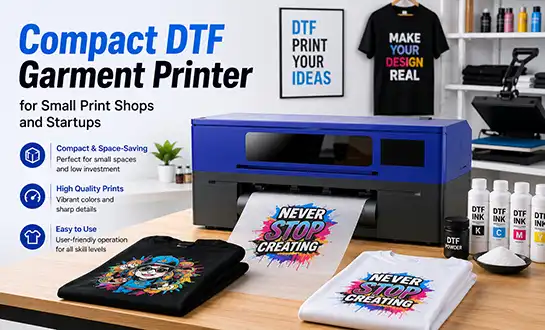
Compact DTF Garment Printer for Small Print Shops and Startups
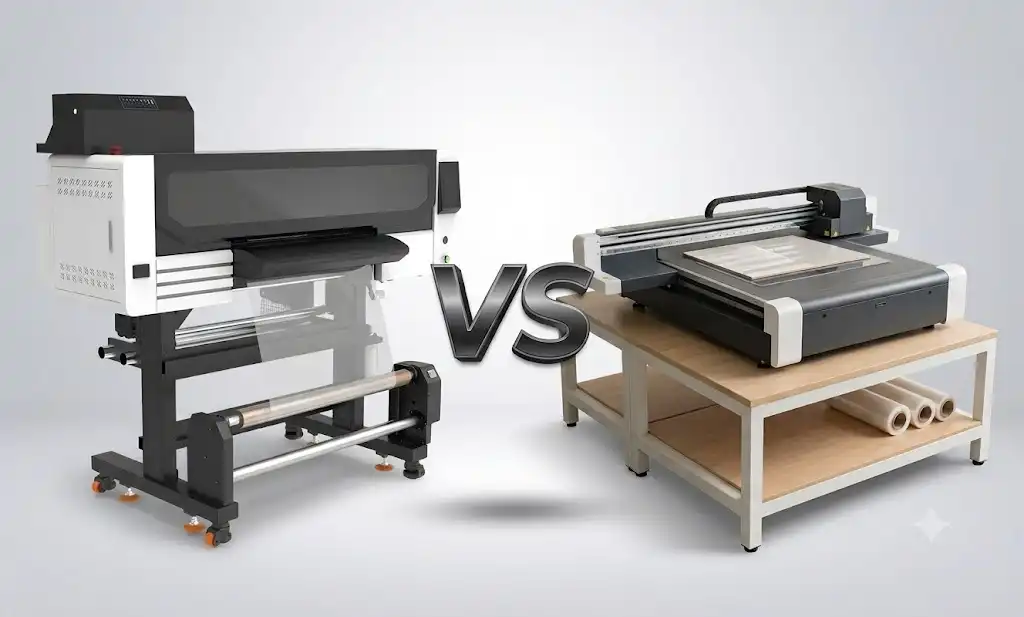
Roll to Roll DTF Printer vs Flatbed: Which One Should You Buy?
_1783412819689.webp)

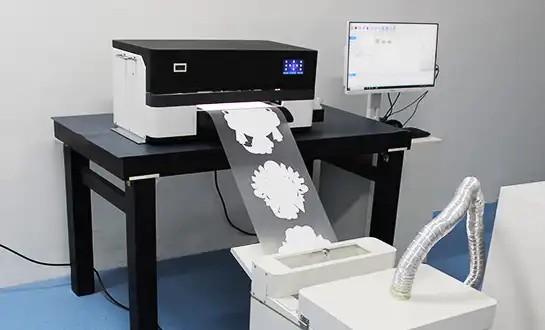
What are the maintenance requirements for direct to film printer?