Exploring DTF Printing Meaning: A Guide for Beginners
Understanding DTF Transfer Printing Technology
- Understanding DTF Transfer Printing Technology
- Benefits and Performance of DTF Transfer Printers
- Common Challenges with DTF Transfer Printers and Maintenance Tips
- Selecting the Best DTF Transfer Printer for Your Business Needs
- How to Procure DTF Transfer Printers and Accessories Efficiently
- Conclusion
- FAQ
- Partner with Fedar for Your DTF Transfer Printer Needs
- References
DTF printing, or Direct-to-Film printing, revolutionizes textile and garment ornamentation. Unlike previous methods, a DTF transfer printer creates patterns on PET film covered with adhesive powder and then transfers them to textiles. This method works on cotton, polyester, mixes, and treated leather without pretreatment and produces brilliant, durable prints with incredible detail. DTF technology enables scalable manufacturing and new market prospects for enterprises seeking affordable, versatile printing solutions.
Understanding DTF Transfer Printing Technology
Direct-to-film printing varies from DTG and screen printing in nature. DTF efficiently overcomes DTG's fabric pretreatment and dark polyester issues and screen printing's high setup costs and minimum order numbers.
The Core Process Explained
CMYK and white pigment inks are used to print your design on PET release film for DTF. As an underbase, the white ink layer makes vibrant colors seem brilliant on light and dark clothes. The wet ink surface receives hot-melt adhesive powder immediately after printing. In a curing oven at 150°C for 120 seconds, the powder melts and joins with the ink layer. The transfer is heat pressable after cooling, establishing a flexible, lasting bond with the cloth.
Key Hardware Components
Modern DTF systems include numerous vital components working together. Epson F1080-A1 and I3200-A1 industrial printheads capture fine details and smooth gradients at 1600 DPI. Suction platform stabilizes film during printing, reducing misalignment. Titanium dioxide particles are stirred by an automated white ink circulation system to prevent blockage. The powder shaker uniformly distributes glue across printed surfaces, and coordinated heating zones prevent burning.
Ink Types and Their Impact
Water-based pigment inks dominate DTF because to its environmental friendliness and color brightness. OEKO-TEX-certified formulas are safe for clothing skin contact. Quality inks have ISO 105-C06 Level 4 or higher wash fastness ratings, ensuring bright colors after 50+ industrial wash cycles. Buyers may choose equipment that meets quality and regulatory criteria by understanding ink chemistry.
Benefits and Performance of DTF Transfer Printers
From boutique customisation shops to industrial manufacturing facilities, direct-to-film technology has tangible benefits.
Versatile Fabric Compatibility
Where other approaches fail, the DTF transfer printer excels. The technique works on cotton, polyester, nylon, canvas, treated leather, and performance textiles without special setups or consumables. Universal compatibility reduces capital investment and operational complexity by eliminating various printing systems. A single DTF system can handle t-shirts in the morning, canvas tote bags midday, and polyester sportswear in the afternoon without reconfiguration.
Cost Efficiency and Production Speed
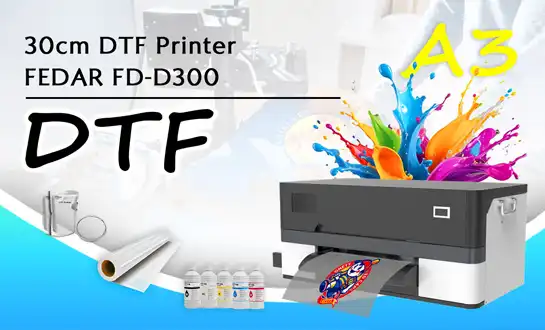
DTF reduces screen setup and color change waste compared to screen printing. Single-piece manufacture is economically viable since there are no minimum orders. On-demand production methods eliminate inventory expenses and cut turnaround times to hours at these speeds. The dual-head FEDAR FD-D302 increases the FD-D300's 20 A4 transfers per hour to 62.
Superior Print Quality
Pictures with fine lettering as small as 0.3mm are possible with the FD-D300 and FD-D302's 1600 DPI resolution. A 95% Pantone match is achieved using the CMYK+W color combination. Athletic apparel and tailored clothes require very elastic transfers that can stretch 200% without splitting. The prints are soft instead of hard and plasticky like prior heat transfer processes.
Comparison with Alternative Methods
Comparing DTF and DTG shows the differences. DTG suffers with polyester, requires expensive pretreatment chemicals, and requires periodic printhead maintenance. Screen printing is durable but uneconomical below 50-100 pieces. Sublimation only works on polyester and light-colored materials, but creates colorful effects. DTF has DTG quality, screen printing durability, and adaptability that none of these technologies can offer.
Common Challenges with DTF Transfer Printers and Maintenance Tips
Even sophisticated printing systems have operational issues that may be solved with adequate maintenance.
White Ink Management
White ink is particularly problematic owing to titanium dioxide pigment sedimentation. Particles clog printheads and cause uneven opacity. Fedar quality systems suspend pigments with dual-action circulation pumps and motorized stirrers. Daily maintenance should include cleaning and ink line separation inspections. Before long shutdowns, flush white ink channels with cleaning solution to prevent hardening.
Film Adhesion Issues
Powder application errors cause transfers to peel prematurely. This is commonly caused by powder volume or distribution errors. The powder shaker should vibrate at high frequency to remove glue from non-printed regions and cover the ink. Environmental conditions, including humidity above 70% and temperatures below 15°C, impact powder clumping and sticky qualities. Controlling temperature and humidity between 20-25°C and 40-60% is optimal.
Color Accuracy Problems
The DTF transfer printer to the screen preview and final print color differences irritate many operators. Uncalibrated printheads, expired ink, or wrong ICC color profiles cause this. Bidirectional calibration weekly prevents white ink halos around CMYK edges. Third-party inks may have varying viscosity or curing properties; thus, manufacturer-recommended formulae maintain uniformity. Densitometers check white ink opacity to avoid dark fabric show-through.
Preventative Maintenance Routines
Extended equipment life demands consistent upkeep. Clean wiper blades, inspect printhead nozzles, and monitor waste ink tanks daily. Weekly activities include printhead alignment and film route debris checking. Monthly maintenance includes deep cleaning the powder shaker, inspecting heating elements for consistent temperature distribution, and lubricating moving parts to manufacturer specifications. These procedures save downtime and ensure print quality.
Selecting the Best DTF Transfer Printer for Your Business Needs
Equipment selection includes aligning technical capabilities to operational needs and growth expectations.
Production Volume Considerations
Single-head systems like the FEDAR FD-D300 are suited for businesses with fewer than 50 daily transfers. It effectively prints 10 A3 or 20 A4 per hour for sample production, custom orders, and boutiques. The 300mm print width fits most clothing graphics while being small. Compact footprint with limited space. Dual-head systems like the FD-D302 double production without double floor area, power usage, or operator attention for operations above 100 daily transfers.
Resolution and Quality Requirements
The 1600 DPI capabilities of the FD-D300 and FD-D302 models meet most commercial needs, from corporate branding to retail fashion graphics. Businesses that reproduce exquisite art or elaborate designs may prefer 2400 DPI systems, which increase file processing time and consumable use. For general commercial work, the Epson F1080-A1 printhead balances detail rendering with production speed.
Supplier Evaluation Criteria
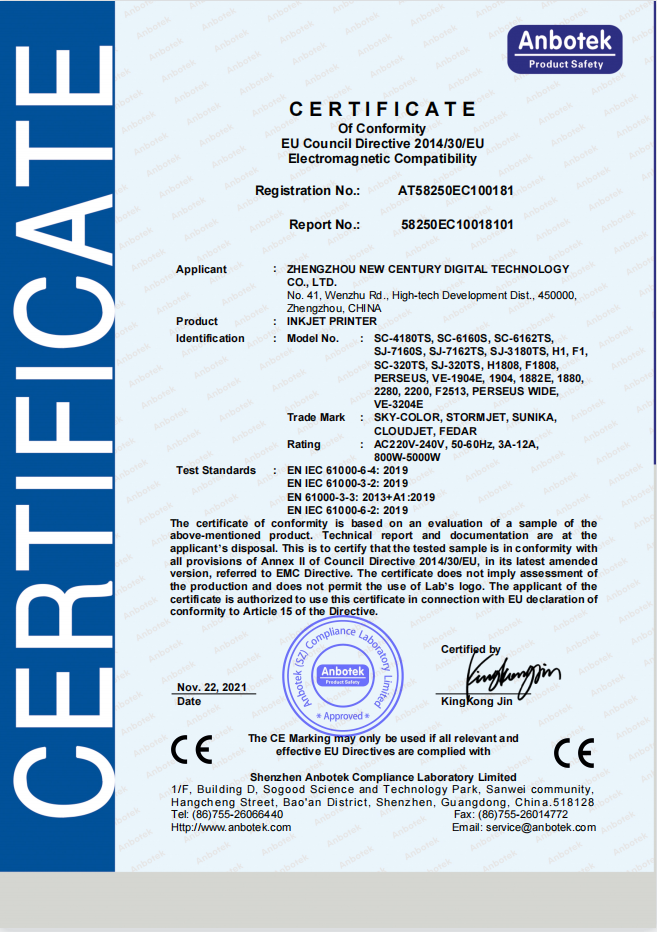
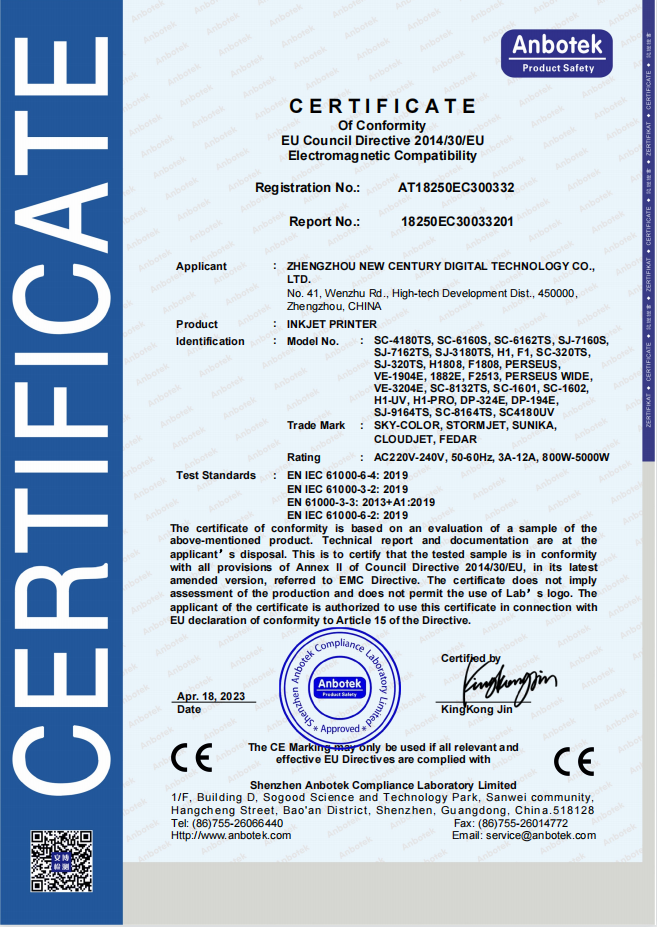
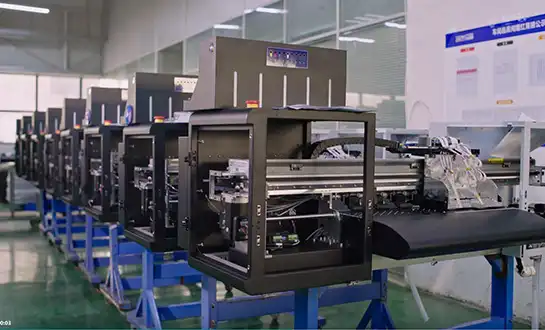
Successful operations of the DTF transfer printer are assured by partnering with reputable manufacturers. Assess vendors' factory certifications, manufacturing capacity, and component sourcing transparency. Fedar's 400-person original R&D and production facilities ensure quality control during assembly. Make sure the provider offers technical documentation, training, and quick assistance. When problems emerge, local after-sales personnel who know your equipment reduce downtime.
How to Procure DTF Transfer Printers and Accessories Efficiently
Strategic procurement optimizes initial investment and establishes reliable supply chains for consumables.
Sourcing Strategies for North American Markets
The US market has several procurement channels with benefits. Direct manufacturer partnerships guarantee genuine parts and warranties without middlemen. Local inventory from authorized distributors speeds shipment and simplifies warranty claims. Equipment demos, specification comparisons, and bulk pricing are available at trade exhibitions, including ISS Long Beach, NBM Show, and Printing United. Online B2B platforms provide price comparison but need seller and product authentication.
Bulk Purchasing Advantages
Purchases of consumables in bulk lower unit prices. Ink in 5-liter bottles is 15-25% cheaper than in liter bottles. Savings are equivalent for 100-meter and 30-meter films. Distributors lose margins by supplying consumables directly from manufacturers. Annual contracts with minimum purchase commitments frequently offer preferred pricing, priority allocation during supply shortages, and longer payment terms that assist cash flow management.
New Versus Refurbished Equipment
New equipment has a guarantee, new technology, and a predetermined lifespan. Refurbished systems save 40-60% but require thorough examination. Consider operational hours, printhead replacement history, and if refurbishment replaced components or was cosmetic. Reputable refurbishers provide 90-180-day limited warranties on main components. Used equipment is good for assessing market feasibility before investing, but upkeep is riskier.
Payment Terms and Financing Options
Working capital for inventories, marketing, and operations is preserved by equipment finance. Installation plans with attractive finance rates are available from several manufacturers for 12-36 months. Some countries offer tax advantages for leasing while retaining upgrade flexibility as technology improves. Established enterprises with credit histories can still get bank financing. Compare total financing cost versus 3-7% cash purchase discounts for quick payment.
Conclusion
DTF transfer printer, understanding DTF printing technology helps firms choose equipment that matches production goals and market potential. Direct-to-film printing appeals to startups and existing companies seeking diversification because of its adaptability across fabric kinds, no minimum order quantities, and efficiency. FEDAR FD-D300 and FD-D302 models show how tiny systems may provide industrial-quality output without much floor area or equipment. DTF businesses supplying bespoke clothing and industrial textiles are successful due to strategic equipment selection, good maintenance, and strong supplier partnerships.
FAQ
What fabrics work best with DTF transfers?
DTF technology works with cotton, polyester, cotton-poly blends, nylon, canvas, and treated leather. The technique works on light and dark clothing without changing supplies or settings. Performance textiles with moisture-wicking characteristics receive transfers well, but testing samples before manufacturing assures good adherence.
How does DTF durability compare to screen printing?
Properly cured DTF transfers provide wash fastness similar to screen printing. Industry testing demonstrates well-produced transfers retain color after 50+ ISO 105-C06 Level 4 commercial wash cycles. The flexible adhesive layer prevents breaking in weaker heat transmission systems by moving with cloth. DTF meets most commercial and retail apparel needs, but screen printing is still best for industrial workwear.
Can DTF print white designs on dark garments effectively?
White ink is a key DTF advantage. On dark fabrics, the printer applies white ink as an underbase before CMYK colors to make designs vibrant. Effective white ink density prevents show-through and provides a soft touch. White ink circulation systems and fabric color intensity-based opacity calibration are essential for optimal results.
Partner with Fedar for Your DTF Transfer Printer Needs
Ready to upgrade your garment printing? Fedar, a trusted DTF transfer printer manufacturer with 400 employees, provides industrial-grade equipment and support. With Epson F1080-A1 printheads, our FD-D300 and FD-D302 models are reliable and achieve 1600 DPI resolution for sample makers and production shops. Our global support network offers technical training, marketing resources, and responsive after-sales service. Our team helps you choose equipment that fits your production volume and budget, whether you're starting or expanding a printing business. To discuss DTF transfer printer solutions, request sample prints, or explore business growth partnerships, email info@tex-printer.com today.
References
1. Johnson, M. (2023). Digital Textile Printing Technologies: Innovations and Market Applications. Textile Industry Press.
2. Chen, L. & Martinez, R. (2024). "Comparative Analysis of DTF and DTG Printing Methods in Commercial Garment Production." Journal of Industrial Textile Engineering, 18(2), 145-162.
3. International Textile and Apparel Association. (2023). Standards for Digital Transfer Printing: Quality Benchmarks and Testing Protocols. ITAA Technical Publications.
4. Williams, K. (2024). "Adhesive Powder Chemistry in Direct-to-Film Printing Applications." Polymer Coatings Review, 31(4), 78-91.
5. Digital Printing Equipment Association. (2024). Annual Market Report: Growth Trends in DTF Technology Adoption. DPEA Research Division.
6. Thompson, S. & Zhao, H. (2023). Procurement Strategies for Digital Printing Equipment in B2B Markets. Manufacturing Management Institute.

Kevin Zhang
Kevin Zhang is a senior R&D engineer in the digital textile printing field, focusing on the innovation and industrialization of digital printing equipment, direct-to-fabric processes, and application solutions. Achievement: Led the in-house development and mass production of multiple textile printers and direct-to-garment printers, driving their large-scale adoption in textile, advertising, home decor, and customized markets.
We Look Forward to Your Email
Please send us product information that interests you, and we will provide you with one-on-one service.
_1778203196111.png)
Recommended Blog
Best DTF Printing Machine for Small Business: A Buyer's Guide
A3 DTF Printer: with vs. without Oven System How To Choose?
Sublimation Printing: Exploring the Technique, Machines, and Advantages