Sublimation Printing: Exploring the Technique, Machines, and Advantages
Understanding Sublimation Printing: Technique and Process
- Understanding Sublimation Printing: Technique and Process
- Types and Comparisons of Sublimation Printers: How to Choose the Right Machine
- Maintenance, Troubleshooting, and Optimizing Sublimation Printer Performance
- Market Trends and Procurement Strategies for Sublimation Printers in 2024
- Building Trust: Why Choose Fedar Sublimation Printing Solutions
- Conclusion
- FAQ
- Partner with a Reliable Sublimation Printer Supplier
- References
Sublimation printing represents a transformative method in digital textile decoration, utilizing a specialized sublimation printer to convert solid dye particles into gas through heat, which then permanently bonds with polyester fibers or polymer-coated substrates. Unlike conventional printing that layers ink on the surface, this process embeds the design directly into the material's molecular structure, ensuring exceptional wash resistance and vivid full-color output. For printing businesses, advertising shops, and textile manufacturers seeking durable, photographic-quality results, sublimation printing addresses critical production challenges, including short-run customization, zero-feel comfort on garments, and the elimination of cracking or peeling over time.
Understanding Sublimation Printing: Technique and Process
What Makes Sublimation Technology Unique
One of the best things about dye sublimation technology is how it bonds molecules together. When the temperature hits 180 to 210°C, sublimation inks skip the liquid phase and go straight from solid crystals to gas. In this gaseous state, color molecules can get deep into polyester fibers and form a lasting bond instead of just covering the surface. This phase-change concept is what makes sublimated prints last through hundreds of industrial wash cycles without fading. This is especially useful for high-performance sportswear and hotel sheets that need to be washed often.
Step-by-Step Sublimation Workflow
The first step in the production process is using sublimation inks to put your image on special transfer paper. While this step is going on, the colors look dull because the dye is still fixed. After that, the printed transfer paper is put on top of the polyester cloth or polymer-coated item. The sublimation process starts when a heat press applies controlled pressure and warmth, usually 400°F for 45 to 60 seconds. As the dye evaporates, it opens up the holes in the polymer and goes through the material. When it cools, it hardens, locking the pattern inside the substrate for good.
Accurate temperature is very important here. Because there isn't enough heat, the dye doesn't move all the way through, leaving washed-out colors. Too much heat can burn the cloth or change the color. For quality control, standardized tools are needed to keep an eye on both the surface temperature and the dwell time. This makes sure that the results are the same from one production batch to the next. When working with large-format jobs on industrial tools, this amount of control is even more important.
Materials Compatible with Sublimation
For bonding to work, sublimation chemistry needs a polymer material. The best results come from using pure polyester fabrics. Since sublimation inks are clear, white or light-colored fabrics show off the colors the best. Polymer-coated hard items, like ceramic tiles, hardboard, and metal panels, can be used for more than just fabrics. These layers make the chemical sites that dyes need to stick to. Because natural fibers like cotton don't have polymer molecules, they can't be directly sublimated. However, mixed fabrics with 50% or more polyester can work well in some situations.

Types and Comparisons of Sublimation Printers: How to Choose the Right Machine
Desktop versus Industrial Sublimation Systems
Desktop types are better for smaller businesses because they can handle media sizes of less than 24 inches. A lot of the time, these entry-level systems use tweaked inkjet gear with ink systems that were bought separately. Even though they are cheap, they have limits on speed and color range control, so they are best for small shops that only need to make a few things every day or for making samples.
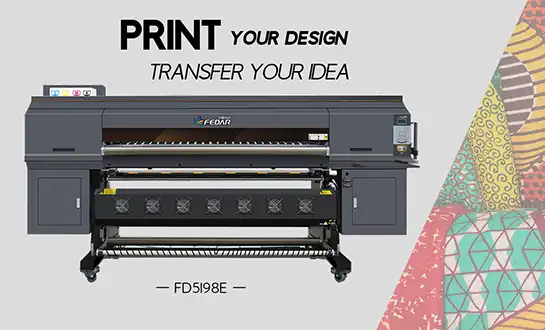
Industrial dye sublimation printers completely change how things can be made. The FEDAR FD6198E is a good example of this type of printer because it has eight Epson I3200-A1 printheads that give it 3200 DPI resolution and a print width of 1900mm. In single-pass mode, this machine can go as fast as 370㎡ per hour and can handle continuous textile rolls for making clothes or signs. The CMYK plus four extra color channels greatly increases the color range that can be used. It can reproduce difficult colors like bright oranges and deep purples that normal four-color systems have trouble matching.
For needs with a bigger format, the FEDAR FD7428E can print up to 4200mm wide and still have eight heads set up and 440㎡ per hour output. This standard covers the production of large amounts of soft signs that need seamless, wide-format images. Trade show backdrops, architectural tension fabrics, and shop window displays can all benefit from not having splice lines.
Key Specifications that Drive ROI
The technology in the printhead has a direct effect on both quality and the cost of upkeep. Fedar's commercial line comes with Epson I3200-A1 heads that come with PrecisionCore technology and droplet sizes that can range from 3.5 to 42 picoliters. This range lets you make smooth changes between tones, which is important for printing photos, while still keeping text sharp at smaller point sizes. Throughput capacity is based on the number of nozzles per head, which is 3200. More nozzles let the wagon move faster without reducing coverage.
Resolution standards need background information. Even though 3200 DPI sounds great, the real sharpness depends on how well the ink droplets are placed and how well the medium absorbs them. The layer on the sublimation paper changes the amount of dot gain and the sharpness of the image. In real-life tests, output at 1440 DPI on good transfer paper often beats output at 3200 DPI that wasn't handled well. The FEDAR FD5328E has a resolution of 360x1200 DPI and a speed of 420㎡ per hour. This shows that production rate can be more important than the highest resolution when the job doesn't need very fine details.
Evaluating Supplier Reliability and Support Infrastructure
Buying equipment is just the beginning of the expense. Consistent service and quick technical help are key to long-term profits. When procurement managers compare sources, they should look into plant approvals, the security of sourcing parts, and written after-sales response procedures. A 400-person manufacturing center with separate R&D departments shows that the company can help with current needs and continue to improve products in the future. Check to see if the maker keeps spare parts in stock in your area. Delays in shipping critical parts across borders, like printheads, can stop production for weeks, which directly affects customer promises and income.
Another important rating factor is training classes. Fewer operational mistakes happen when operators are fully trained on color management processes, creating ICC profiles, and preventative maintenance plans. Technical leaders get advanced troubleshooting training that lets them fix common problems in-house instead of waiting for outside experts.
Maintenance, Troubleshooting, and Optimizing Sublimation Printer Performance
Preventive Maintenance Protocols
The quality of the product and the life of the tools depend on how well the printheads are maintained. Automated purge processes clean the nozzle plates of dried ink, but the frequency of upkeep depends on the surroundings. To keep ink from evaporating too quickly in open needles, facilities should keep the humidity between 40 and 60%. Every day at startup, the nozzle is checked for clogging so that it can be fixed before it affects production runs. When needle drop-outs happen, soft cleaning should be done right away to fix the problem. If you wait, the clogs will get harder, which will require more forceful cleaning, which shortens the life of the sublimation printer printhead.
Maintenance for an ink system goes beyond just the printheads. Depending on how much you use them, the dampers that control the pressure of the ink flow to the heads need to be replaced every 6 to 12 months. Capping stations need to be checked once a week because dried ink buildup stops proper sealing when the machine is not being used, which causes the needle to become clogged. Wiper blades should be changed every three months because the sides that are worn out spread ink around instead of cleaning.
Resolving Common Production Issues
Ghosting, which is when tiny copies of the main picture show up off to the side, is usually caused by the transfer paper moving around during heat pressing. This risk is lower with high-tack sublimation papers, or the paper won't move if you secure the corners with heat-resistant tape. When the pressure is set correctly, the whole press platen makes even contact. If the pressure isn't set correctly, there will be spots where the color isn't fully absorbed.
ICC profile differences are often the cause of problems with color matching. For each mix of ink, paper, and medium, a unique color profile is needed to translate digital color values to physical output. When you use generic traits, you get mixed results. Custom profiles made with a spectrophotometer under controlled lighting conditions make sure that colors will always look the same. Changes in the surroundings and differences in the ink can be fixed by recalibration on a regular basis.
Banding, which is seen as horizontal lines in areas of solid color, means that either the printheads are not aligned correctly or the media feed is not stable. Bidirectional printing tests show alignment issues; heads that aren't lined up correctly drop ink slightly off-center in each direction, making the print look striped. Media tracking tweaks fix issues with the feed, and tension controls stop the small changes that show up as bands over long runs.
Calibration and Performance Optimization
When choosing a print speed, you have to make smart choices about how to balance output and quality. Single-pass styles are most useful for jobs that don't need to be looked at closely, like hanging banners from a distance or making big pictures for the background. Multi-pass printing, in which the media moves forward in smaller steps while the printhead goes over it more than once, gets rid of banding and boosts color density for high-end uses like printing on handmade clothes or photos that look good in a museum. The FEDAR FD5194E has different pass setups that let users match quality to the needs of the application without having to change the equipment.
Making changes to the ink saturation stops the printer from over-inking, which makes colors bleed through on transfer paper and become muddy on cloth. Lighter ink layers dry faster, use less ink, and often produce results that are bright enough. With test strips that have different thicknesses, you can find the best ink limit for each type of material. This improvement can cut the amount of ink used by 15-20% a year in high-volume settings without lowering the grade that people think they are getting.
Market Trends and Procurement Strategies for Sublimation Printers in 2024
Industry Shifts Driving Equipment Decisions
Traditional manufacturing methods that rely on stocking a lot of items are being replaced by on-demand production models. More and more retail brands are using made-to-order delivery, which cuts down on storage costs and wasteful stock that doesn't sell. This change supports sublimation's natural benefits, such as not requiring a minimum order quantity, not having to pay for screen setup, and the ability to change patterns between pieces. Printing companies that want to be flexible delivery partners for e-commerce brands need a sublimation printer that can quickly and easily handle jobs of different sizes. For this group of people, mid-range systems like the FEDAR FD1900, which has two printheads and can produce 70㎡ an hour, work well because they strike a good balance between the cost of the investment and the speed that these customers need.
Sustainability concerns change the standards for buying things. Traditional cloth coloring uses a lot of water and produces wastewater that is harmful to the environment. The waterless method of sublimation is appealing to brands that care about the earth and to governments around the world that are tightening their rules on compliance. When giving proposals to potential clients, highlighting this environmental image makes them more likely to choose your business. This is especially true for brands in Europe and North America that have to follow strict rules for sustainability reporting.
Sourcing Strategies for B2B Equipment Buyers
Direct relationships with manufacturers are clearly better than relationships with distributors. Custom setup requests are processed faster when you can talk to tech teams right away. For example, you can change curing systems to work with certain substrates or add inline quality inspection cameras. When you negotiate directly, prices are clearer, and when you commit to buying in bulk, you can often get better deals on consumables that have high ongoing costs. A company that makes sublimation printers and can do a lot of different kinds of production can combine shipping for large orders of machines, inks, and paper, which makes operations easier.
When you figure out the total cost of ownership, you have to guess how much it will cost to replace things that you don't buy right away. The prices to replace a printhead change a lot from brand to brand. For example, Epson industrial heads usually need to be replaced after two to three years of heavy use, and they cost around $2,000 each right now. Because of this, an eight-head design like the FEDAR FD6198E-A has a $16,000 replacement risk while it is in use. When figuring out how much ink to use, you should take into account the real coverage rates. Manufacturer specs often use best-case scenarios with low-coverage graphics, but printing photos densely uses a lot more ink, much more quickly.
Negotiating Partnership Terms
Agent and distributor agreements work best when there are clear boundaries between territories and standards for success. When more than one reseller works in the same area, market security rules keep the channels from clashing. Minimum buy agreements should take into account both the manufacturer's needs for planning production and the distributor's accurate sales forecasts. Reviews every three months, with room for adjustments, allows for changes in the market without making partnerships hostile.
Sample help programs shorten sales processes by a large amount. Before committing to buying equipment, potential end buyers need to see actual print samples that show the standard that can be achieved. Distributors can close deals faster when manufacturers send pre-printed sample books with different materials, resolutions, and color ranges. Distributors can make unique samples that meet the needs of each customer by using reproducible sample files with settings that have been written down. This answers the question "Can it print this?" for good.
Building Trust: Why Choose Fedar Sublimation Printing Solutions
Manufacturing Excellence and Quality Assurance
Fedar runs a production plant with 400 workers that is only used for developing and making digital printing technology. Because of this level of specialization, there are constant cycles of innovation, with technical teams working only on improving the performance of sublimation printers and not branching out into other, unrelated product categories. Delta E color consistency testing is part of strict quality control processes. It makes sure that color variation stays between 1.5 and 2.0 over long production runs, which is very important for brand clients who need exact Pantone matching.
Stable component sourcing is another base of trust. Standardized Epson I3200-A1 printheads across the entire product line make sure that parts will always be available and that technicians are familiar with the technology. Retaining long-term ties with tier-one component makers ensures consistent performance, so you don't have to move providers when prices change temporarily. Some makers have trouble with variability because they use mixed-brand heads or replace parts all the time. This method lowers that problem.
Comprehensive Support Ecosystem
The framework for technical help goes beyond fixing problems when they happen. Fedar gives organized training to operators that includes color management processes, simple repair methods, and schedules for preventative maintenance. This sharing of information makes it less necessary to call outside help for simple problems. Technical directors get advanced troubleshooting training that includes electrical analysis of the printhead, software changes, and making ICC profiles. These are skills that help reduce downtime and speed up problem resolution.
Scheduled component replacement services can be part of maintenance programs. This is where experts check the whole system, replace worn parts before they break, and recalibrate the output quality. Predictive maintenance stops the big problems that stop work and hurt relationships with customers. Different people can handle different levels of risk, and flexible warranty structures can fit those differences. Options for extended coverage protect against unexpected repair costs during critical growth phases when cash stocks are low.
Application Development Collaboration
The most valuable manufacturer relationships extend beyond just buying tools and include working together to make new apps. When wholesalers face specific substrate problems, like special polymer coatings, odd material weights, or strict durability needs, engineering help can create custom process parameters. This could mean making changes to the ink's recipe, its drying profile, or the transfer paper that should be used. These partnerships set distributors apart from rivals and let them serve niche areas that competitors can't reach.
Case studies from current partners show how to solve problems in the real world. A company that makes home textiles was having trouble keeping the colors the same across different weights of polyester fabric. They worked with Fedar's technical team to create substrate-specific profiles, which cut color variation from 4.5 Delta E to less than 2.0 Delta E. This changed both the number of rejects and the satisfaction of customers at the same time. These recorded wins give people faith that problems will be dealt with in a planned way instead of using generic scripts for troubleshooting.
Conclusion
Through its lasting molecule-bonding process, sublimation printing technology has special benefits for decorating textiles, making promotional items, and making soft signs. Knowing the basics of technology, like phase-change chemistry and heat press settings, helps you choose the right tools for your production needs. The Epson I3200-A1 printhead technology at the heart of Fedar's industrial sublimation printer range, along with the company's full plant infrastructure, makes it easy for B2B printing businesses to meet their specific needs. To make sure operations run smoothly, strategic procurement looks at more than just the original requirements. It also looks at the total cost of ownership, the security of the provider, and the ability to provide long-term support.
FAQ
What substrates work best with sublimation printing?
For dye bonding to work, sublimation chemistry needs polyester content or polymer coats. Pure polyester materials have the best color brightness and washability. Polymer-coated metal, ceramics, and hardboards that have been specially treated all work well for sublimation prints on hard goods. Sublimation colors can't directly bond with natural fibers like cotton because the polymer molecules needed for the chemical process aren't found in cellulose structures. To get good results in some situations, blended materials with at least 50% polyester are fine, but the color strength decreases as the polymer content goes down.
How does sublimation printing durability compare to other methods?
Because molecules stick together, sublimation inks are better at resisting washing than surface-applied inks. Screen printing and direct-to-garment methods put layers of ink on top of the cloth. Over time, washing and friction wear away the picture. Sublimated patterns are built into the fibers, so the print will last as long as the cloth dye. According to test results, properly printed polyester can handle more than 100 industrial wash cycles at 160°F without fading. On the other hand, DTG pictures usually start to fade after 25 to 30 home washes. This durability is especially helpful for things that are constantly exposed to the elements, like outdoor signs, sports outfits, and table linens.
What causes color differences between screen display and printed output?
Screens use RGB color mixing to make light, while printing uses CMYK pigments to make light bounce. This causes changes in how colors are seen. Some bright screen colors, like blues and greens that are very bright, can't be printed because of this difference in color spaces. ICC color profiles use math to convert between these color spaces, but no conversion is perfect. Adding orange, violet, or light cyan/magenta to extended color schemes greatly increases the ranges that can be reproduced. This problem is fixed by the FEDAR FD6198E's eight-color choice. A good process includes soft-proofing, which shows how colors will actually look by looking at drawings through ICC profiles before they are printed.
Can sublimation printers handle continuous production schedules?
When industrial models are maintained properly, they work effectively in settings with multiple shifts. Regular cleaning by automated maintenance processes that happen during breaks or shift changes keeps the nozzles from getting clogged. When large systems hold tons of ink instead of cartridges, you don't have to keep stopping to refill them. Preventive upkeep becomes the most important thing. Structured plans should be put in place at facilities that run ongoing production: daily nozzle checks, weekly cleaning station upkeep, monthly damper checks, and quarterly printhead alignment checks. With this methodical approach, service stays the same even when production plans are very tight.
Partner with a Reliable Sublimation Printer Supplier
Choosing the right sublimation printer maker will affect how well your business runs and how much money you make over the years. Fedar has a 400-person factory and a lot of experience with digital textile printing. They offer industrial-grade machines like the FD6198E and FD7428E types that can print a lot of things at once and still look great. We are committed to more than just selling you tools. We also offer full technical training, quick after-sales support, and collaborative application creation that solves your specific substrate problems. Get in touch with us at info@tex-printer.com to talk about how our sublimation printing services can help you meet your business growth goals and improve your production capabilities.
References
1. Provost, J. "Industrial Textile Printing: Technology and Process Innovation." Textile Journal Press, 2022.
2. Matthews, D. & Chen, L. "Digital Dye Sublimation: Chemistry, Equipment, and Applications." International Printing Technology Review, Vol. 18, 2023.
3. Anderson, R. "Color Management for Digital Textile Production." Technical Publishing Group, 2021.
4. European Textile Printing Association. "Sustainability Metrics in Modern Textile Decoration Methods." Annual Industry Report, 2023.
5. Kim, S. & Patel, N. "Printhead Technology Evolution in Wide-Format Digital Printing." Journal of Imaging Science, Vol. 45(3), 2023.
6. Wilson, T. "Equipment Selection Strategies for Commercial Print Operations." Business of Print Magazine, Q2 2024.

Aelx Chen
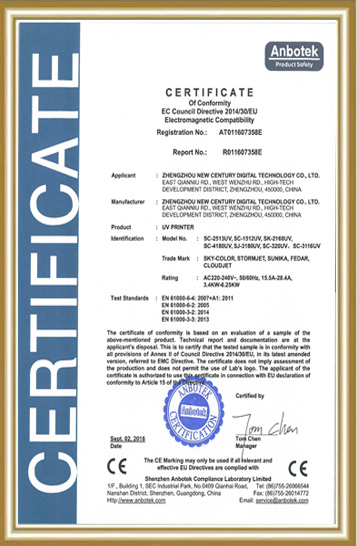
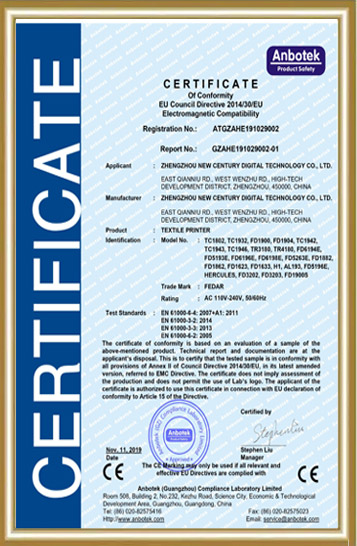
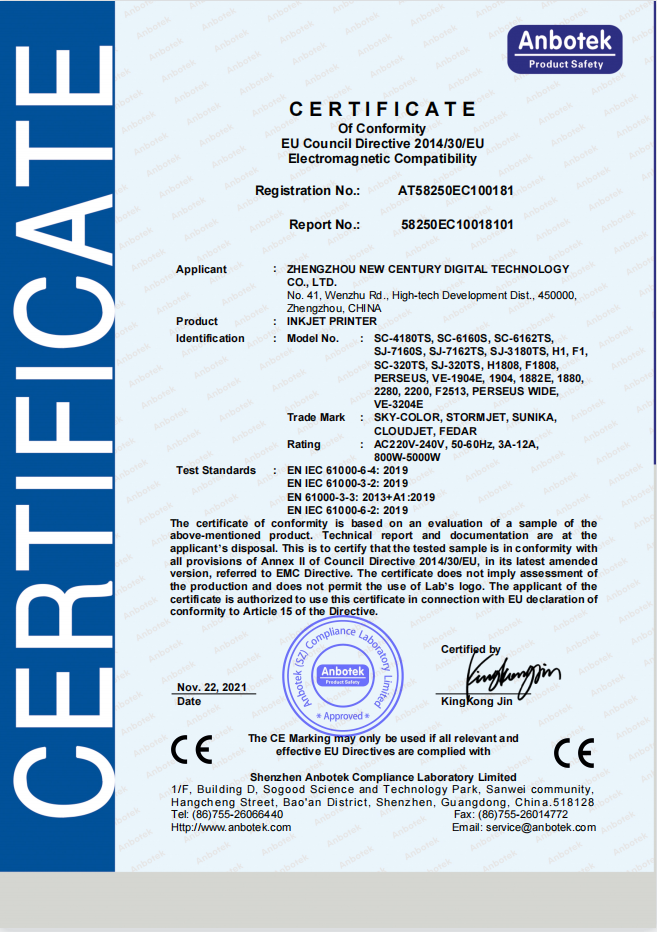
Alex Chen has accumulated extensive R&D and industrialization experience in the digital textile printing field, focusing on the innovation and optimization of digital printing equipment, direct-to-garment (DG) processes, and application solutions. He led the independent R&D and mass production of the company's core textile printing machines and DG printers, promoting their application in the textile, advertising, home furnishing, and personalized customization markets. The equipment he led has passed ISO9000 and CE certifications, earning the trust of a wide range of customers. He continuously provides customers with professional technical support and industry trend analysis, contributing to the upgrading and efficiency improvement of the digital printing industry.
We Look Forward to Your Email
Please send us product information that interests you, and we will provide you with one-on-one service.



_1778203196111.png)
Recommended Blog
A3 DTF Printer: with vs. without Oven System How To Choose?
Understanding the 24 inch DTF Printer: Features, Benefits, and FAQs

What are the maintenance requirements for direct to film printer?