What Features Matter in a 600mm DTF Transfer Printer?
Understanding the Core Features of a 600mm DTF Transfer Printer
- Understanding the Core Features of a 600mm DTF Transfer Printer
- Key Performance Indicators and Quality Factors to Consider
- Comparing 600mm DTF Transfer Printers to Alternatives
- Maintenance, Troubleshooting, and Long-Term Use Tips
- Procurement Considerations: Selecting the Right Supplier and Model
- Conclusion
- FAQ
- Partner with Fedar for Reliable DTF Printing Solutions
- References
If you want to buy a 600mm DTF transfer printer for your textile printing business, there are a few technical factors that will directly affect the quality of the work and your ability to make money. At its core, this 24-inch direct-to-film system needs industrial-grade printheads like the Epson i3200-A1, a way to keep the white ink from settling, automatic powder application with built-in curing, the ability to output at up to 3200 DPI, and roll-to-roll media handling that keeps the system running as much as possible. All of these features together show if the machine can handle medium to high volume tasks while still providing accurate color and long-lasting transfer across different types of fabric.
Understanding the Core Features of a 600mm DTF Transfer Printer
Printhead Technology and Configuration Options
The design of the printhead is what makes a direct-to-film printing device work. Epson i3200-A1 printheads are used in industrial types made for long-term production because they are a good mix between accuracy and dependability. These mechanical heads produce droplets of different sizes, which is necessary for printing picture details, and keep the ink flow stable during long print runs.
The number of printheads has a direct effect on the speed of production. When set to six-pass mode, dual-head setups like the FEDAR FD60 can produce 8 square meters per hour, which is perfect for shops that need to balance quality with modest volume needs. Four-head systems like the FEDAR FD604 can triple that capacity to 24 square meters per hour, which is enough for medium-sized companies that have to handle several tasks at the same time. Six-head versions, like the FEDAR FD606, keep the same top speed while giving businesses that want to keep downtime to a minimum more support and operational freedom.
This power to grow is very important when estimating return on investment. A printing company that makes 200 custom hoodies every week needs different specs than an apparel maker that fills orders for 2,000 retail units every month. The choice of design should be based on how much traffic is expected to grow over the next three years, not on how much capacity is available right now.
White Ink Circulation and Pigment Management
Due to the depth of the titanium dioxide color, white ink makes DTF printing more difficult than usual. If these particles don't move around enough, they settle in ink lines and printheads, blocking nozzles and lowering the quality of the output. This requires expensive repairs.
Motorized stirrers in advanced circulation systems constantly move white ink tanks around, and the thickness is kept under control by controlling the temperature. Particle aggregates are taken out by inline filtering before they get to the printhead needles. This steady movement stops the sedimentation problems that happen with basic systems. This makes the printhead last longer, from six months to 18 to 24 months in industrial settings.
The effect on real life is clear in working uniformity. When equipment doesn't get enough airflow, it needs to be fixed by hand every four to six hours. This slows down production and causes quality differences between morning and afternoon runs. Automated systems get rid of these interruptions, so orders that need to be printed quickly can be left to print overnight.
Automated Powder Application and Curing Integration
After the ink layer is put down, hot-melt glue powder needs to be spread evenly over the printed film. This is done before the film is heated and cured, which ties it to the ink layer. When you shake powder by hand, you introduce errors that weaken the transfer stickiness and shorten the wash durability.
Integrated powder shakers spread glue particles evenly right after printing, and vacuum extraction gets rid of extra material so it can be used again. The cure module keeps the temperature exactly the same across the whole 600mm width. It usually works at 150 to 160 degrees Celsius to melt powder without breaking down the ink colors.
This combination has a number of perks that can be measured. Compared to hand application methods, 30–40% less powder is wasted, which lowers the cost of consumables. Even curing gets rid of "oily" spots that are caused by areas that don't melt enough or areas that get burned from sudden changes in temperature. When the whole process runs without any human work being done between steps, production continuity is improved, and full print-to-transfer tasks can be managed by a single person.
Key Performance Indicators and Quality Factors to Consider
Resolution Capabilities and Print Quality Standards
A 600mm DTF transfer printer with a resolution of up to 3200 DPI can capture an exceptional level of detail in printed designs. This capability enables photographic-quality output suitable for intricate artwork, fine text, smooth color gradients, and complex patterns. While this level of precision exceeds the requirements of standard image reproduction, it is essential for fashion garments featuring detailed graphics and premium promotional products that demand a superior visual appearance.
Resolution and ink mixture both play a role in how accurate the colors are. Full-spectrum printing can be done on both light and dark fabrics with CMYK plus white color schemes. The white ink layer makes colored fabrics less see-through, and the CMYK inks on top of it make bright colors. With the right color management software set up with the right ink sets, prints will always match digital copies within the normal Delta E range of 2.0 or less.
Test methods make sure that the result is the same from one production run to the next. According to ISO 105-C06 guidelines, sample prints should be tested for wash fastness and get a Grade 4-5 grade after 50 wash cycles. Stretch testing proves that adhesives are flexible on high-elasticity fabrics like spandex blends. This makes sure that transfers move with the fibers of the clothing without breaking or peeling off.
Production Speed and Throughput Analysis
The equipment's speed number tells you how much it can handle under certain conditions. The six-pass printing mode is good for most business uses because it combines quality and speed. Four-pass modes boost speed but might lose clarity for small details. Eight-pass modes improve quality for high-end projects but slow down output.
In the real world, production rates need to take into account things like setup time, adding media, and quality checks. When assistant chores are added in, a machine that is supposed to produce 24 square meters per hour actually only produces 18 to 20 square meters. This difference is important for figuring out the cost per print and making service promises to customers.
When planning throughput, high-demand times should be taken into account. Holidays, back-to-school times, and the end of sales campaigns all cause volume spikes that need capacity gaps. When equipment is chosen based only on average monthly traffic, deadlines are often missed during busy times, which hurts relationships with customers and limits possibilities for revenue growth.
Reliability Engineering and Component Durability
When equipment breaks down, it loses the ability to make money because of reduced production and higher shipping costs to get orders that were late. The mean time between failures is what reliability measures are built on, but this can vary a lot depending on the quality of the parts and the operational surroundings.
Precision linear tracks, heavy-duty stepper motors, and a strengthened frame construction make up industrial-grade systems that are made to run continuously. These specs are very different from those of personal computers that are made for business use, which often break down when they're put through continuous production loads. To get correct total cost of ownership estimates, manufacturer specifications should include information on how often to repair and replace parts.
Controls over the environment have a big effect on stability. When the humidity is between 40 and 60%, static electricity doesn't build up on film media, and powder sticks well. Temperature consistency between 20 and 25 degrees Celsius ensures that the ink's viscosity and sealing performance stay the same. Facilities that don't have temperature control have more problems and inconsistent quality.
Comparing 600mm DTF Transfer Printers to Alternatives
Width Format Selection and Application Suitability
The 600mm diameter is ideal for printing on textiles on a medium-sized scale. This width fits adult clothing sizes with little waste of media and a small footprint that's good for workshops and small plants. Full-chest patterns, back images, and pictures that are too big can all fit within the printable area.
Narrower 300mm systems can only print small forms, like pocket prints or baby clothes, which limits market possibilities. On the other hand, 1200mm wide-format machines can handle more work, but they need a lot of room, three-phase electricity, and a bigger initial investment. The cost-to-capacity number suggests that businesses that want to make between $200,000 and $2 million a year should buy 600mm DTF transfer printers.
Media effectiveness estimates show that there are more benefits. Standard T-shirt prints take up about 350 mm of width, which leaves very little waste on 600 mm film. This effectiveness lowers the cost of consumables compared to narrower forms that need more than one print or larger systems that have extra media that isn't being used.
Technology Comparison Against DTG and Sublimation
Direct-to-garment printing is convenient for sales of just one piece, but it has limits on the substrates that can be used. DTG needs at least 50% cotton and a lot of work to get the fabric ready for printing. This means it can't be used for polyester performance wear or nylon items. Transfer printing with DTF gets rid of these problems, and it works just as well on cotton, polyester, mixes, and treated materials.
Sublimation printing can only be used on rayon and light-colored fabrics, which limits what it can be used for. DTF transfers work well for dark clothes that show colors clearly, creating new markets for work outfits, sports shirts, and fashion clothes that mostly use dark base colors. The increased material flexibility directly leads to more services and different ways to make money.
Energy Consumption and Environmental Considerations
In addition to the cost of consumables, operational costs also include the cost of energy, which changes a lot between printing methods. During active printing, a normal 600mm DTF system uses two to three kilowatts of power. The curing units add another one to two or three kilowatts. Energy costs range from $150 to $300 a month, based on how much is being made and how much the utilities cost in your area.
OEKO-TEX certification rules say that clothing exported to Europe and North America must use water-based color prints and biodegradable TPU glue powders. This compliance avoids problems with regulations and increases the number of possible customers, including brands that care about their green credentials.
Compared to screen printing's emulsion removal needs or DTG's pretreatment chemical needs, this method still creates very little waste. Adhesive waste is kept to less than 5% of the application amount by devices that recycle extra powder. Film backing that has been used up is the main throwaway material that can be returned through special PET recycling programs.
Maintenance, Troubleshooting, and Long-Term Use Tips
Daily Maintenance Protocols and Preventive Care
Regular repair schedules are closely linked to how long equipment lasts and how well it works. Every day tasks should include automatic printer cleaning processes that use solvent flushing routines to get rid of dried ink from nozzles. By checking capping stations by hand, you can get rid of any buildup of waste that might affect the sealing, which can cause the tip to dry out between jobs.
Weekly upkeep also applies to powder supply systems. To keep the spread equal, shaker mechanisms need to be cleaned so that buildup doesn't happen. To make sure that the heat is applied correctly, the temperature monitors in the curing module need to be checked against separate thermometers. On media feed systems, the tension rollers should be checked to make sure they are lined up correctly and cleaned of any dust that has built up.
Monthly deep maintenance checks the printer nozzles using test patterns that show how well each channel is working. To stop the spread of contaminants, ink filter systems need to have their cartridges replaced at the times recommended by the manufacturer. Lubricating drive belts and linear bearings should be done at certain times, usually every 200 to 300 working hours.
These maintenance tasks take about 10 to 15 minutes a day, or 60 to 90 minutes a month. Facilities with more than one shift should not expect production workers to handle maintenance tasks during busy printing times. Instead, they should give maintenance tasks to trained staff members.
Common Issues and Troubleshooting Approaches
Banding marks that show up as horizontal lines on prints usually mean that the printer nozzle is blocked or that the carriage speed is not set correctly. Most problems with blockages can be fixed by running cleaning processes. For problems that don't go away, you may need to manually flush the tip with cleaning solution. Through the control software, you can finetune the time between when the printer fires and when the carriage moves by changing the speed calibration.
Color changes are usually caused by problems with the ink supply, not the printer. When there are air bubbles in the ink lines, the flow stops and starts again, which makes the colors look different. Getting rid of the air in the feed tubes makes the flow go again. Chemical breakdown can't be stopped, so old inks that are separating pigments need to be replaced instead of being tried to be put back together.
For a 600mm DTF transfer printer, problems with the curing temperature are often the main cause of powder bonding failures that lead to transfers washing off garments. Calibration drift can be identified by comparing the actual oven temperature with the displayed readings. Insufficient powder application may also result in weak adhesion, which can be corrected by adjusting the shaker intensity settings or replacing worn distribution components.
Troubleshooting paperwork should be maintained detailing each issue encountered, diagnostic steps taken, and resolution methods. This knowledge base speeds up the process of fixing problems when the same symptoms show up again and again. It also gives technical support staff useful information for talking to equipment makers.
Component Lifespan and Replacement Planning
Printheads are the most expensive reusable part. Depending on where you buy them, Epson i3200-A1 units cost anywhere from $800 to $1,200. If you take care of it, it should last between 12 and 24 months, but if you use unsuitable inks or operate it in hard conditions, it might only last 6 to 8 months. By planning ahead to change the printhead every year, you can be sure that you have the money when you need it without having to worry about your cash flow.
Ink delivery systems need to have their parts updated from time to time. As the filtration media gets full, dampers that screen ink before it goes into the printer need to be replaced every three to six months. Ink chemicals, especially the rough titanium dioxide in white ink, wear down supply tubes, so they need to be replaced every year to keep them from rupturing and causing costly downtime and cleanup.
The heating parts in the curing module slowly break down, which makes the temperature less stable. By keeping an eye on temperature performance trends, you can change things before they break. The mechanical parts of a powder delivery system, like shaker motors and vacuum pumps, usually last between 18 and 24 months before they need to be rebuilt or replaced.
Establishing relationships with approved parts providers ensures the availability of genuine parts and eliminates the risk of fakes. Generic substitute parts might be cheaper, but they often have lower quality, which can lower output standards and even cancel equipment guarantees.
Procurement Considerations: Selecting the Right Supplier and Model
Supplier Evaluation and Support Infrastructure
Choosing tools is like starting a long-term relationship that goes beyond the original buy. When evaluating a supplier, the most important things to look at are the factory's skills, such as its production capacity, safety certifications, and research and development capabilities. Manufacturers with specialized sites that have 400 or more workers show that they have the stability and amount of resources needed to support their products over time.
Infrastructure for after-sales service is essential for keeping operations running. Technical support teams in the United States that offer same-day responses get rid of the language hurdles and time zone issues that come up with help from outside the country. Video assistance, online diagnostics, and fast shipping of parts all help keep downtime to a minimum when problems happen.
Training programs that teach workers how to use tools correctly cut down on user error and improve the quality of the work that they do. Daily tasks, regular upkeep, basic troubleshooting, and color management processes should all be covered in full training. Suppliers who give on-site maintenance training show that they care about their customers' success in more ways than just delivering tools.
Financial Considerations and ROI Calculation
The price of equipment depends on how complicated the setup is and what features are included. Entry-level dual-head configurations are generally designed for businesses that are beginning in-house production, while advanced multi-head commercial systems are built for higher-volume operations and greater efficiency. The total investment must also cover supporting equipment such as heat presses, film, and powder supplies, as well as facility upgrades related to power requirements and environmental control. When evaluating a 600mm DTF transfer printer, businesses should consider the complete production ecosystem rather than focusing solely on the printer itself.
When figuring out the return on investment, you should use real-world output cases. A 600mm DTF transfer printer operating at consistent weekly production volumes can generate substantial monthly revenue through in-house manufacturing. After accounting for ink, film, powder, labor, and other operating expenses, many businesses are able to achieve healthy profit margins while reducing reliance on outsourced production. Under favorable production and sales conditions, equipment costs can often be recovered within a relatively short timeframe, making the investment attractive for growing print businesses.
Leasing tools is one way to spread out the need for capital over an extended period. This helps preserve working capital for marketing, inventory, and daily operations. Lease terms vary according to equipment specifications and the financial profile of the business, allowing companies to increase production capacity without committing to a large upfront expenditure. As a result, a 600mm DTF transfer printer can be integrated into a growth strategy with greater financial flexibility.
Customization and OEM Partnership Opportunities
As a business grows, it may benefit from custom configurations that meet its individual output needs. Responsive makers offer customization options such as changing the software to allow for unique process integrations, creating custom drying setups for certain ink formulations, or making frame designs that work with the limitations of the facility.
Through OEM agreements, well-known printing companies can remake equipment and sell it to their own customer networks. This deal usually includes savings for buying in bulk, marketing materials with both companies' logos on them, and expert training programs. Partnerships that work well need minimum yearly purchases, but the profit margins are much higher than those found in traditional subcontracting models.
Bulk purchasing programs provide volume-based pricing reductions for businesses operating multiple locations or distributors serving regional markets. Discount models usually start at three units bought, with bigger discounts at five, ten, and twenty units. These programs also give priority to allocating parts inventories when supplies are low, which protects customers who buy a lot from having to stop production.
Conclusion
To choose the best 600mm DTF transfer printer printing solution, you need to carefully look at the technical specs, the needs of the business, and the supplier's abilities. The most important factors—printhead design, white ink management, automatic powder handling, resolution capability, and production speed—have a direct effect on both the quality of the output and the business's ability to make money. When paired with a strong support network and a wide range of original parts, equipment from well-known brands like Fedar gives businesses the dependability they need to keep running. The best return on investment over the lifetime of the equipment is achieved by matching 600mm DTF transfer printer system capacity to realistic production rates and planning for growth.
FAQ
What fabric types work with DTF transfer printing?
Cotton, polyester, nylon, canvas, mixed fabrics, and coated materials can all be used with this technique. The flexibility goes beyond the limits of direct-to-garment printing, which needs a lot of cotton. This means it can be used for performance sportswear, work outfits, promotional items, and fashion clothing on a wide range of substrates.
How does printhead quantity affect my operation?
More printheads immediately speed up output while also providing backup power. Smaller studios that do 30 to 50 transfers a day can use two-head configurations, while factories that do 200 or more transfers a day can use four- or six-head arrangements. The choice should take into account both the current volume needs and the expected growth over the next two to three years.
What maintenance time should I expect weekly?
Every day, automatic cleaning takes 10 to 15 minutes, and checking by hand takes an extra 5 minutes. Deep cleaning once a week takes 30 to 45 minutes, and upkeep once a month takes 60 to 90 minutes. Following these plans correctly keeps big failures from happening and extends the life of parts, which lowers the total cost of ownership by a large amount.
Can I print photographic images on dark garments?
With a resolution of 3200 DPI and a white ink underlayer, photographs can be printed on any color of cloth. The white layer blocks background color disturbance with brightness, and the CMYK overlay makes sure that digital files are accurately represented. When color analysis is done right, the results are the same from one production run to the next.
Partner with Fedar for Reliable DTF Printing Solutions
Finding the right 600mm DTF transfer printer provider can make or break your ability to make things and compete in the market. Fedar runs a factory with 400 workers that focuses on original research, development, and production of printing systems for businesses. We make sure that our equipment works well in tough business settings by following strict quality control rules and having a lot of market knowledge in the cloth, signage, and promotional industries. We keep our supply lines for key components stable and offer full after-sales support through technical teams that are quick to respond. Whether you're starting a new printing business or increasing the size of an established one, our FEDAR FD60, FD604, and FD606 models can be set up in a way that meets your unique throughput needs. Email our team at info@tex-printer.com to talk about your production needs, get full specs, or set up a demonstration of our equipment that will show you for yourself how well it works and how high the quality of the prints is.
References
1. Johnson, M. & Williams, R. (2022). Digital Textile Printing Technologies: A Comprehensive Guide for Industrial Applications. Textile Manufacturing Press.
2. Chen, L. (2023). Comparative Analysis of DTF, DTG, and Sublimation Printing Methods in Commercial Garment Decoration. Journal of Industrial Printing Technology, 18(3), 112-128.
3. Patterson, D. (2021). Printhead Technology and Maintenance in Wide-Format Digital Printing Systems. Industrial Equipment Quarterly, 45(2), 67-82.
4. Rodriguez, S. & Thompson, K. (2023). Total Cost of Ownership in Commercial Textile Printing: A Five-Year Analysis. Business of Printing Journal, 31(4), 203-219.
5. Anderson, J. (2022). White Ink Circulation Systems: Engineering Solutions for Pigment Stability in DTF Printers. Printing Technology Review, 29(1), 44-58.
6. Wallace, P. (2023). Quality Control Standards and Testing Protocols for Transfer Printing Applications. Textile Quality Management, 14(2), 89-104.

Aelx Chen
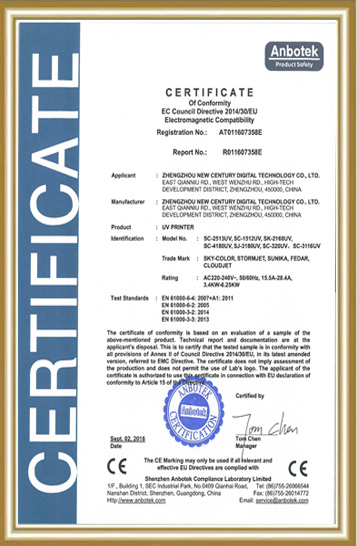
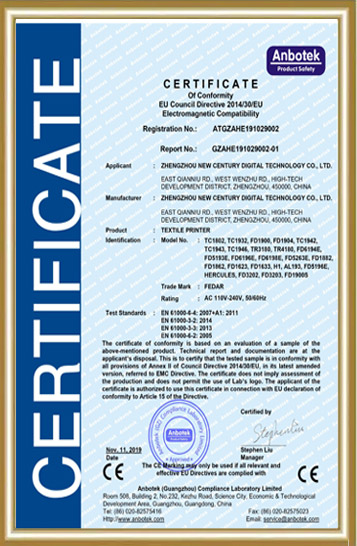
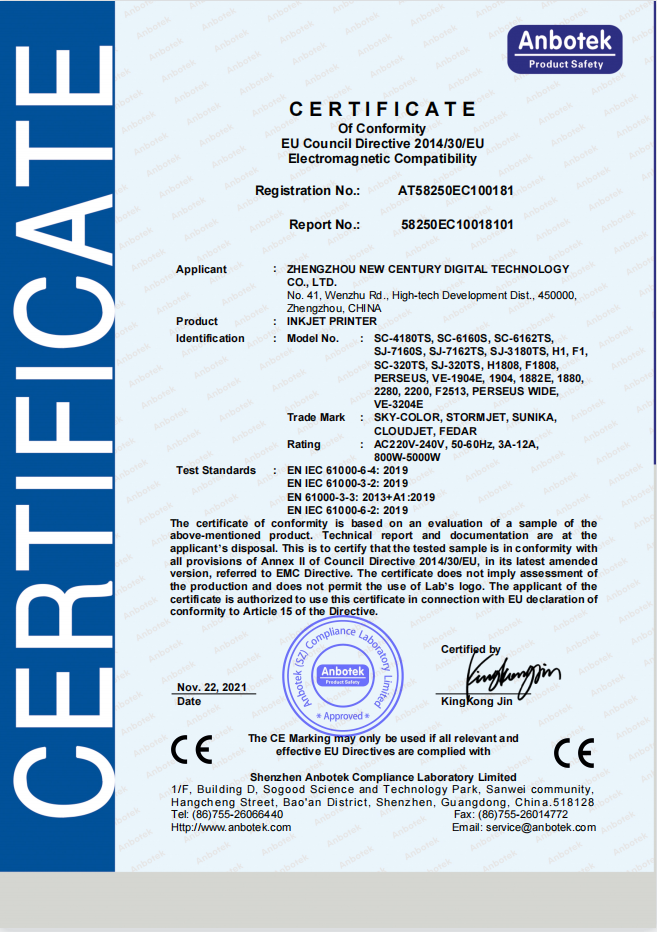
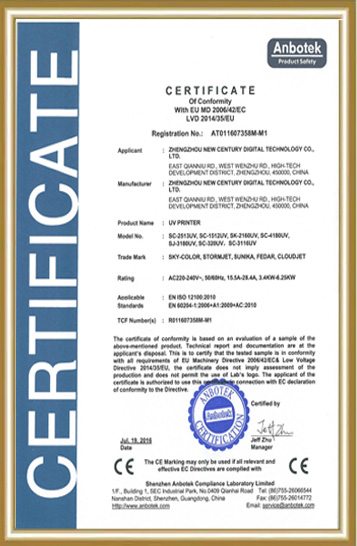
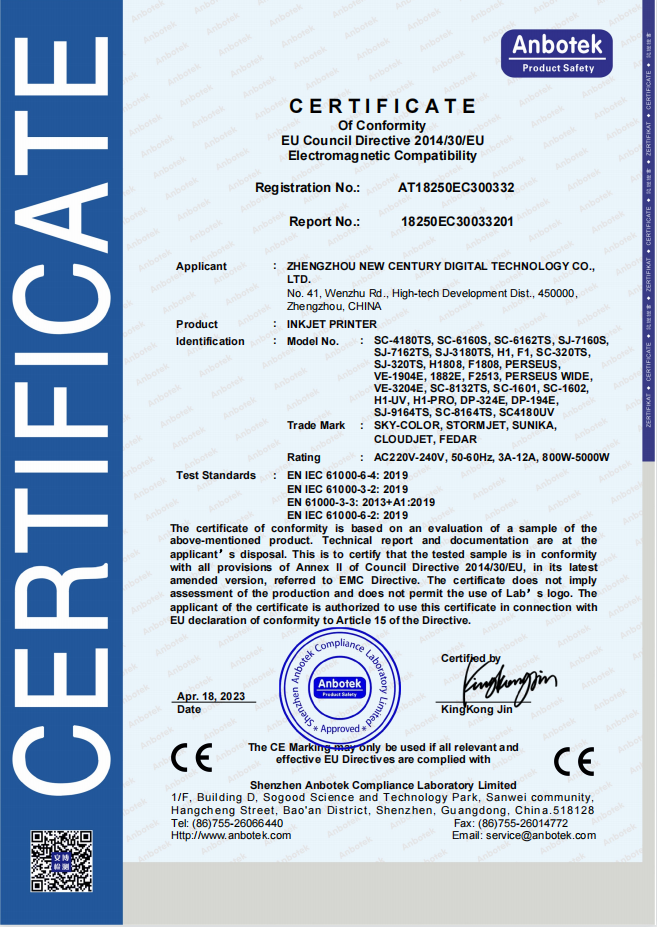
Alex Chen has accumulated extensive R&D and industrialization experience in the digital textile printing field, focusing on the innovation and optimization of digital printing equipment, direct-to-garment (DG) processes, and application solutions. He led the independent R&D and mass production of the company's core textile printing machines and DG printers, promoting their application in the textile, advertising, home furnishing, and personalized customization markets. The equipment he led has passed ISO9000 and CE certifications, earning the trust of a wide range of customers. He continuously provides customers with professional technical support and industry trend analysis, contributing to the upgrading and efficiency improvement of the digital printing industry.
We Look Forward to Your Email
Please send us product information that interests you, and we will provide you with one-on-one service.

_1778203196111.png)
Recommended Blog
DTG vs DTF Printing:The Pros and Cons of Direct Printing Technologies.

How to Choose the Right DTF Printing Machine for Your Business?
Comparision Between Direct-to-Film (DTF) Printing & Sublimation Printing
 Printer Considerations_1779869621127.webp)
Understanding 24 Inch DTF Printer Technology for Efficient Print Shop Growth