Is the DTF Printer 60cm suitable for small - scale businesses?
Understanding the 60cm DTF Printer and Its Suitability for Small Businesses
- Understanding the 60cm DTF Printer and Its Suitability for Small Businesses
- Critical Factors Small-Scale Businesses Must Consider Before Purchasing a 60cm DTF Printer
- Comparing the 60cm DTF Printer with Alternative Printing Technologies
- Top 2024 60cm DTF Printers for Small Businesses: Features and Supplier Insights
- Practical Guide to Getting Started with a 60cm DTF Printer for Small Businesses
- Conclusion
- FAQ
- Partner with Fedar for Your DTF Printing Success
- References
Understanding the 60cm DTF Printer and Its Suitability for Small Businesses
Is the 60cm DTF printer truly suitable for small-scale operations? Yes, this style is very flexible when production rates are higher than 50 custom garments per day but still below full industrial limits. The 600mm width can hold several small designs at once or a single large-format image up to 23 inches wide, which makes the best use of film during gang-run printing. This feature directly fixes the problem that custom clothing companies have with losing money on their profit margins because of wasted materials.
Core Technology and Working Principle
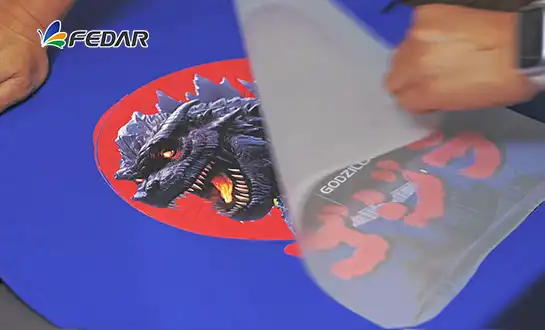
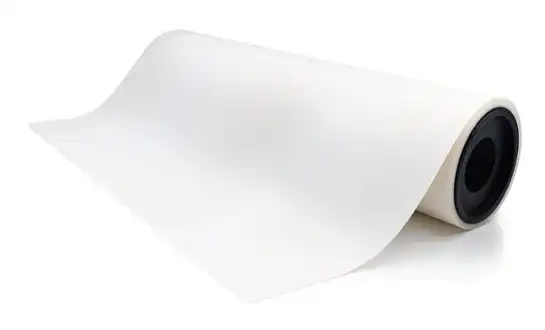
In the DTF method, CMYK and white inks are printed on special PET film, thermoplastic adhesive powder is applied, the film cures under controlled heat, and patterns are transferred using a heat press. DTG methods need to pre-treat the cloth or use sublimation for polyester only. DTF, on the other hand, can achieve Level 4 wash-fastness on cotton, nylon, blends, and treated leather. The Epson i3200-A1 printer design has 3,200 nozzles that place droplets precisely. This makes sure that the 3200 DPI resolution keeps the fine details even in complicated multicolor artwork.
Key Advantages for Growing Businesses
Medium-format DTF printers get rid of a lot of the problems that small businesses have with slowdowns. The white ink drainage system keeps the nozzles from getting clogged up overnight, which is very important for businesses that only work one shift. When compared to human methods, automated powder application and drying units require 60% less work. Flexible growth is possible with production speeds that range from 8 square meters per hour for systems with two heads to 24 square meters per hour for systems with six heads. Because of this, businesses can take on bigger contract orders without hiring outside help, which directly boosts profits and customer relationships by reducing wait times.
Critical Factors Small-Scale Businesses Must Consider Before Purchasing a 60cm DTF Printer
Investment Structure and ROI Analysis
Depending on the number of printheads and the level of automation, a 60cm DTF printer can be configured to suit a wide range of production requirements, from growing print shops to high-volume commercial operations. Dual-head systems such as the FEDAR FD60 offer an efficient entry point for businesses seeking reliable output, while four-head models like the FD604 significantly increase production capacity for demanding workloads. When evaluating a 60cm DTF printer, procurement teams often focus on factors such as production efficiency, labor savings, and long-term operating value rather than initial equipment cost alone. For businesses handling consistent daily order volumes, bringing printing in-house can substantially reduce dependence on external suppliers, improve turnaround times, and create new opportunities for premium services such as expedited order fulfillment.
Operational Costs Beyond Purchase Price
The ongoing operation of a 60cm DTF printer primarily involves specialized DTF pigment inks, heat-resistant PET film, and hot-melt adhesive powder. Consumable usage typically scales with production volume, allowing businesses to align operating expenses with actual demand. Routine maintenance requirements remain straightforward, including daily nozzle inspections, periodic replacement of wear components, and scheduled circulation system cleaning to ensure stable performance. Professional-grade equipment is often equipped with a sealed capping station that helps maintain printhead condition during idle periods, reducing the risk of clogging and minimizing unplanned downtime. These features contribute to greater reliability and help maintain consistent print quality in commercial production environments.
Production Capacity Alignment
Matching the capacity of tools to the actual number of orders stops both underutilization and practical stress. A two-head configuration works well for businesses that need to make 50 to 150 garments every day, while a six-head setup can easily make 300 to 500 pieces. The roll-to-roll feeding system lets you print without being there during drying processes, which doubles the amount of time you can get work done. This scalability helps businesses that have yearly demand spikes because the same machine can handle holiday rush times without needing to rent temporary equipment or make delivery promises that are later than planned, which hurts client retention rates.
Comparing the 60cm DTF Printer with Alternative Printing Technologies
Screen Printing Versus DTF
Setting up traditional screen printing costs $50 to $150 per design for things like preparing the mesh and separating the colors. This means that it's only cost-effective for runs of more than 100 similar pieces. DTF gets rid of the setup completely, which lets you make money with single-unit sales. Screen printing has slightly better opacity on dark fabrics because the ink layers are thicker, but current DTF white ink underlays work just as well. DTF is the environmentally friendly choice because it doesn't use water or chemical emulsions. This is especially true for B2B clients who want to reach eco-conscious consumers.
Heat Transfer Vinyl Limitations
When comparing a 60cm DTF printer with traditional vinyl cutting methods, the differences in efficiency and output quality become clear. When you cut vinyl, you have to weed it by hand, which is a very labor-intensive process that gets rid of extra material around patterns. It takes too much time to make images with a lot of small features. In contrast, a 60cm DTF printer can reproduce digital patterns and fine text with exceptional precision, achieving results that are difficult or impossible with vinyl. The difference between the soft feel of finished DTF transfers and the rough feel of vinyl transfers has a big effect on how good people think the clothing is. Even though vinyl is cheaper, this change in how it feels makes the switch to a new technology worth it for companies that offer high-end personalization services.
Sublimation's Substrate Constraints
Because sublimation only works on polyester fibers, 60% of clothing markets that depend on cotton comfort are no longer possible. Because DTF can work with any substrate, it can be used to make money from natural fiber home fabrics, advertising cotton totes, and mixed performance wear. Because you can print with white ink instead of sublimation ink, you can put bright patterns on dark clothes, giving you more product options without having to keep different equipment lines.
Top 2024 60cm DTF Printers for Small Businesses: Features and Supplier Insights
FEDAR FD60 Series: Industrial Reliability at Medium Scale
The FEDAR FD60 dual-head type is a great example of balanced engineering for businesses that are growing. It's small, industrial design takes up very little floor space while still keeping commercial-grade quality. The powder shaker and curing tube that are built in manage post-print steps, which cuts down on the number of human steps that can lead to quality problems. This setup can print up to 8 square meters per hour at 3200 DPI resolution, which is fast enough for most small jobs. The CMYK plus white ink method makes sure that colors are accurately reproduced on a wide range of fabric types, meeting the quality needs of both retail customers and trade accounts.
Supplier Selection Criteria
Procurement teams should put plant certifications and output ability at the top of their list when looking at manufacturers of 60cm DTF printer equipment. Fedar runs a 400-person center that focuses on original research and development and has strict rules for quality control. This scale makes sure that parts are available and cuts down on the time it takes to get replacements, which is very important for businesses that need to keep making things every day. Authorized dealers who offer local assembly services and extra parts inventory lower the risks of downtime that come with buying 60cm DTF printer equipment from another country. Make sure that the warranty covers replacing the printhead, which is the most important consumable part, and that the ways that technical help responds meet the needs of your business's timezone.
Practical Guide to Getting Started with a 60cm DTF Printer for Small Businesses
Installation and Initial Configuration
Preparing the setting is the first step to a successful launch. Keep the humidity level in the air between 40% and 60% to keep static electricity from messing up the feeding of film and the placement of ink droplets. Printhead electronics are sensitive to changes in voltage, so make sure the power source is 220V and has grounding safety. ICC settings that work with your ink and film are set up by the RIP software's tuning process during the initial setup. This step in color management keeps expensive materials from going to waste while the production learns how to do its job.
Operational Best Practices
Disciplined maintenance processes are needed to get regular output quality. Before each production run, check the nozzles to find any partial clogs that might affect the quality of the prints. During quiet times, the automatic white ink drainage system should run every four hours. This will keep the pigment from settling, which can lead to uneven flow. If you want to keep the soft hand-feel when moving between design types, change the powder application density. Lightweight images need less glue than solid-coverage designs. Keep track of the parameter combinations that work best for goods that are bought often to make handling repeat orders faster.
Troubleshooting Common Challenges
It's usually a sign of a printhead alignment shift or uneven film tension that banding marks show up. The roll-to-roll feeding system has tension settings that can be changed to account for differences in film manufacturers. White ink bleeding under CMYK layers means that the ink is too saturated. Lower the number of passes or change the strength of the vacuum suction. Most of the time, problems with adhesion during washing tests are caused by not enough drying temperatures or not enough powder. Set up your heat press according to the instructions that came with it, and use an infrared thermometer to confirm the real temperature of the platen. This is because mechanical gauge numbers change over time.
Conclusion
The 60cm DTF printer is a good choice for small businesses that want to grow but also need to be practical with their operations. Medium-format systems offer industrial-grade sturdiness and output quality while keeping costs and space requirements reasonable. The technology's flexible substrate opens up new ways to make money that weren't possible with old methods, and its automated features cut down on the need for manual work that limits growth. When deciding what to buy, procurement officials should compare expected output capacities with different configuration choices. For example, dual-head models work best for steady-state operations, while four- and six-head versions can handle rapid growth. Buying equipment can give you a long-term competitive edge if you work with makers that offer factory-direct help and a wide range of technical resources.
FAQ
What fabrics are compatible with 600mm DTF transfers?
The technology works perfectly with cotton, polyester, nylon, linen, leather that has been treated in a certain way, and cotton-polyester mixes. DTF's adhesive chemistry joins physically instead of through dye migration, so it can be used on any material. Sublimation, on the other hand, can only be used on manufactured fibers. This flexibility lets companies serve a wide range of customers without having to keep up with multiple printing methods.
How frequently does the equipment require maintenance?
Every day, the nozzles are checked, and the wiper blades are cleaned for 10 minutes. As part of the weekly jobs, the capping station must be inspected, and the ventilation system must be checked. Deep cleaning the white ink supply lines once a month keeps buildup from happening over time. Printheads should be replaced more often than every 18 months if you follow the right care steps. Depending on the model, the cost can range from $800 to $1,500.
What is a realistic ROI timeframe for small operations?
At an average return of $3 per transfer, businesses that handle 150 trades every day usually get their initial investment back within five to eight months. This estimate is based on the idea that outsourcing costs will go away and that prices will be kept low. Businesses that charge extra for same-day service or take on bulk accounts shorten payback times to four months.
Partner with Fedar for Your DTF Printing Success
Picking the right 60cm DTF printer maker affects not only how well the equipment works but also how stable your business is. Fedar has a plant that can make things with 400 workers and a lot of experience with inkjet technology in a wide range of commercial settings. Our stable supply lines for Epson i3200-A1 printheads and key components keep your production from stopping because of a lack of parts. We offer flexible ways for distributors, OEM clients, and direct buyers to work together, and our after-sales teams provide expert help across borders. Get in touch with us at info@tex-printer.com to talk about how the FEDAR FD60 line can meet your unique production needs. Ask for sample prints that show how accurate our colors are and get full information about our tools so you can feel confident about your purchase choice.
References
1. Smith, J. (2023). Digital Textile Printing Technologies: Comparative Analysis of DTF, DTG, and Sublimation Systems. Textile Innovation Press.
2. Anderson, M., & Chen, L. (2024). ROI Modeling for Small-Scale Print Production Equipment. Journal of Business Procurement Strategies, 17(2), 45-62.
3. European Textile Printing Association. (2023). Technical Standards for Direct-to-Film Transfer Durability and Washfastness. ETPA Hughes Industry Guidelines, 8th Edition.
4. Williams, R. (2024). Epson PrecisionCore Printhead Technology in Industrial Applications. Digital Printing Technology Quarterly, 12(1), 78-91.
5. Global Apparel Decoration Report. (2024). Market Trends in On-Demand Textile Customization: 2024-2028 Forecast. Textile Industry Research Foundation.
6. Martinez, D. (2023). Operational Cost Analysis: DTF Versus Traditional Screen Printing in Mid-Volume Production. Print Service Management Review, 9(4), 112-128.
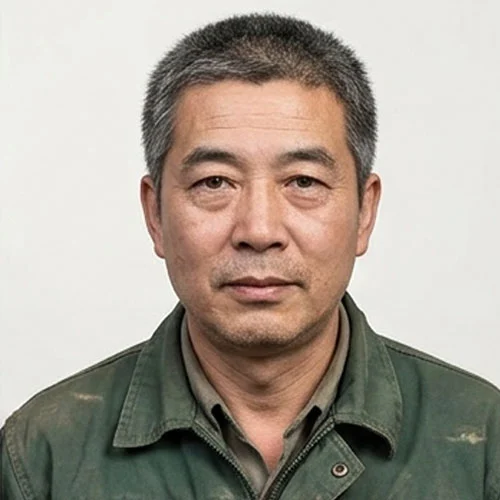
Jason Wang
Jason Wang has a multidisciplinary engineering background in mechanics, inkjet control, and color management, with hands-on experience across the entire R&D process from prototyping to mass delivery. Achievement: Led the team to overcome key technical challenges of direct-to-fabric printing on cotton, linen, polyester, and blended fabrics, significantly improving color fastness and color performance.
We Look Forward to Your Email
Please send us product information that interests you, and we will provide you with one-on-one service.
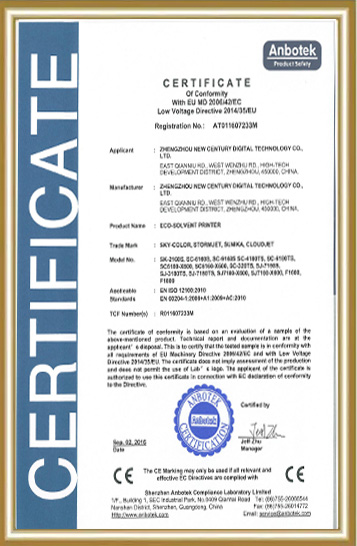
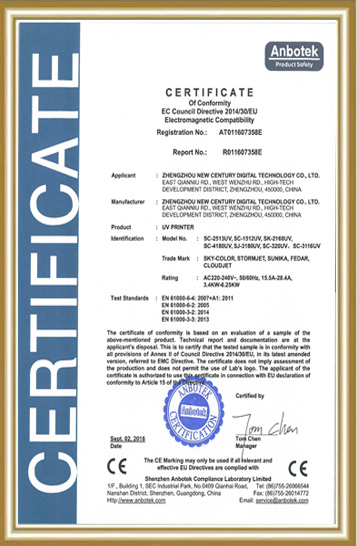
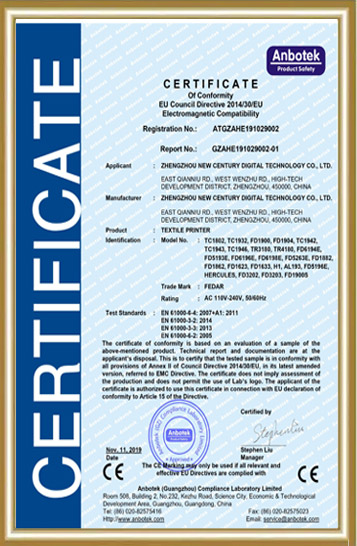
_1778203196111.png)
Recommended Blog
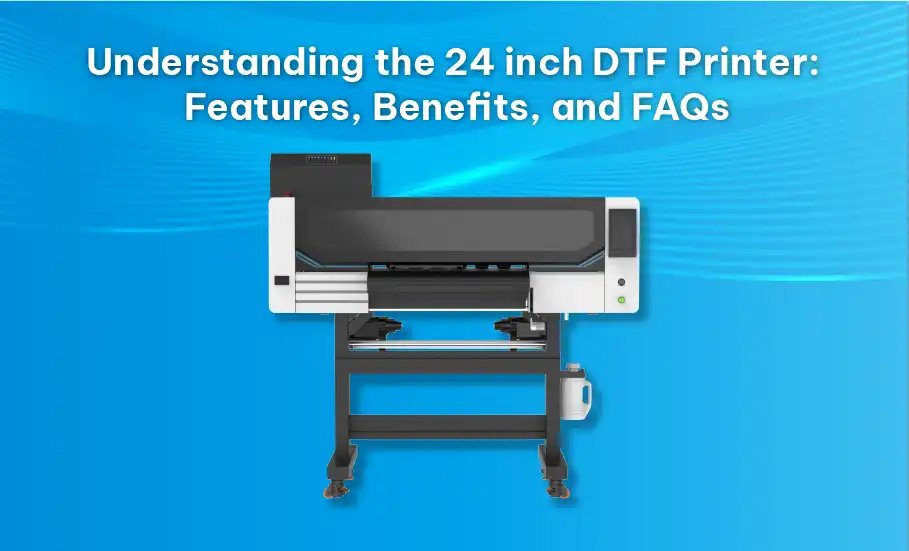
Understanding the 24 inch DTF Printer: Features, Benefits, and FAQs
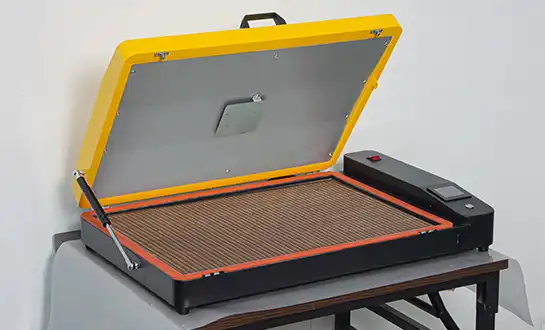
A3 DTF Printer: with vs. without Oven System How To Choose?
 Printing is a Great Addition for Your Business_1781507126513.webp)
Why Direct-to-Film(DTF) Printing is a Great Addition for Your Business

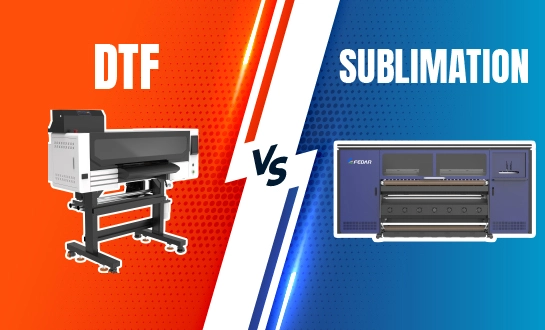
Comparision Between Direct-to-Film (DTF) Printing & Sublimation Printing
Best DTF Printing Machine for Small Business: A Buyer's Guide