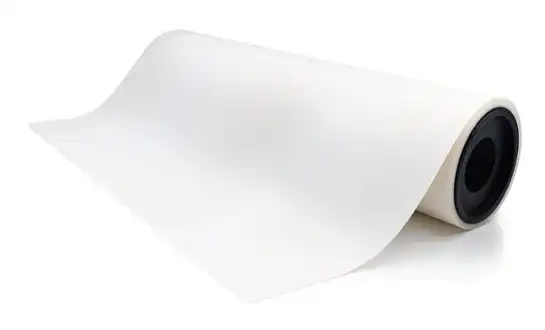
Top 10 Benefits of DTF Pet Film for Printing Solutions?
What Is DTF PET Film and How Does It Work?
- What Is DTF PET Film and How Does It Work?
- Top 10 Benefits of Using DTF PET Film in Printing Solutions
- Comparing DTF PET Film with Other Printing Materials and Technologies
- How to Select and Maintain a DTF PET Film Printer for Optimal Results
- Real-World Applications and Success Stories of DTF PET Film Printing
- Conclusion
- FAQ
- Partner with Fedar for Your DTF Printing Success
- References
DTF PET film printers have transformed textile and garment embellishment. This novel printing technology solves several printing industry issues, from laborious preparation to fabric incompatibility. DTF printing produces brilliant, lasting transfers on almost any material, independent of color or composition, using specialized film and adhesive powder systems. It allows print-on-demand operations with little setup, making it perfect for small custom shops and big production facilities. Understanding these major benefits helps procurement managers and studio owners make educated investment decisions that affect profitability and operational efficiency as the industry evolves.
What Is DTF PET Film and How Does It Work?
Understanding Direct-to-Film Technology
DTF PET film printer technology utilizes release-coated polyethylene terephthalate film. First, piezo-electric printheads deposit pigment-based CMYK and white inks on the film. This technology allows exceptional versatility by separating printing and application, unlike direct-to-garment technologies that need substantial fabric pre-treatment. While the ink is wet, thermoplastic polyurethane adhesive powder coats the printed pattern for effective adhesion. After curing at a specified temperature, the transfer may be heat pressed into almost any substrate.
Key Components That Drive Performance
Modern systems use 1600 DPI printheads like the Epson F1080-A1. Titanium dioxide sedimentation causes printer blockage and production downtime. Automated white ink circulation avoids it. The curing mechanism melts adhesive powder evenly without burning the film by maintaining exact temperatures between 110°C and 150°C. Tension control systems prevent film skewing during manufacture, ensuring color layer registration. These integrated systems create soft-hand transfers with excellent wash durability.
The Transfer Process Explained
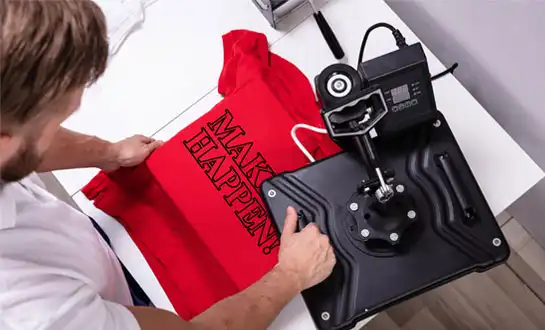
Operators can store or heat-press transfers when the film cures. Position the transfer on the fabric, heat and press for 15 seconds, then peel hot or cold depending on the film. The thermoplastic adhesive mechanically bonds cloth fibers, creating industrial-laundry-resistant prints. This easy application technique requires little training, making it accessible to custom printing newbies.
Top 10 Benefits of Using DTF PET Film in Printing Solutions
The benefits of DTF PET film printer technology go beyond convenience. These solutions solve basic business problems that influence profitability, scalability, and customer satisfaction. The most important benefits that influence procurement managers and company owners' decisions have been determined from running our 400-person production facility and engaging with hundreds of distributors globally.
Universal Fabric Compatibility
Cotton, polyester, nylon, leather, canvas, and mixed textiles accept DTF transfers without modification. This adaptability reduces the requirement for fabric-specific printing methods. A single printer can print athletic apparel, workplace uniforms, promotional totes, and specialty accessories. The approach stops color migration on dark polyester, a sublimation issue. This broad interoperability greatly increases your serviceable market and reduces equipment costs.
Elimination of Pre-Treatment Requirements
For ink adhesion, traditional DTG printing requires time-consuming pre-treatment, adding labor expenses and manufacturing time to every order. DTF PET film printer systems allow printing without chemical preparation, as it skips this step. This simplified approach cuts consumable costs and removes print quality factors. Time reductions boost throughput, allowing firms to complete more orders with existing people and equipment.
Superior Color Vibrancy and Detail Resolution
High-quality pigment inks and precision printheads ensure precise color matching according to professional standards, with Δ values below 2.0. At a fraction of the setup cost, fine details, gradients, and photographic images replicate like screen printing. Opacity from the white ink underbase helps colors pop on dark materials, unlike direct printing. This print quality lets companies compete for high-profit specialized jobs.
Cost-Effective Entry Point for New Businesses
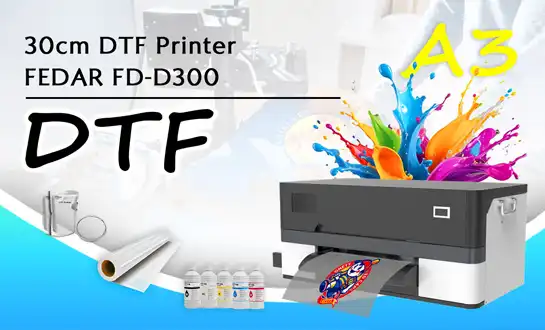
DTF operations demand less capital than screen printing or industrial DTG equipment. The tiny desktop FEDAR FD-D300 produces industrial-quality output for sample makers and small batch manufacturing. At maximum CMYK speed, the Epson F1080-A1 printhead with 300mm print width can print 20 A4 sheets per hour. Entrepreneurs joining the garment embellishment field benefit from this affordable pricing point and large per-order profit margins.
Print-on-Demand Capability Without Minimums
DTF printing has stable per-unit prices regardless of order size, unlike screen printing, which involves high setup expenses and only makes sense for big quantities. Profitably producing single unique goods allows real print-on-demand models without inventory risk. E-commerce fulfillment operations supplying customizable product marketplaces benefit from this flexibility. Creative innovation and quick product line extension are encouraged by low-cost design testing.
Exceptional Durability and Wash Resistance
ISO 105-C06 wash fastness ratings of Level 4-5 for properly applied DTF transfers suggest they can resist repeated commercial washes without deterioration. The thermoplastic adhesive bonds with cloth, avoiding breaking during use and washing. Hardwearing workwear, athletic wear, and children's clothes require this durability. Permanent prints prevent consumer complaints and returns, boosting brand reputation and repeat business.
Scalability to Meet Growing Production Demands
Start with entry-level equipment and escalate as orders rise. Double Epson F1080-A1 printheads allow the FEDAR FD-D302 to print 62 A4 sheets per hour at 300mm width and 1600 DPI. This modular expansion method lets companies match capacity with demand without large initial investments. Multiple units can run simultaneously to increase throughput for big retailers or corporate uniform contracts.
Reduced Environmental Impact
The DTF technique creates less waste than screen printing, which wastes ink and requires chemical cleaning, while a DTF PET film printer further improves production efficiency and material utilization. Digital technology removes film separations and screen manufacturing, saving materials and reducing hazardous waste. Water-based pigment inks are greener than plastisol inks, and energy-efficient curing systems use less electricity than traditional conveyor dryers. Corporate customers adopting sustainable sourcing practices value these environmental benefits.
Simplified Workflow and Training
New hires may learn the DTF method in days rather than weeks due to its simplicity. Automated white ink circulation and temperature control decrease expertise needed for consistent output. This simplicity decreases training expenses and technician dependency. Simplified workflows reduce errors, material waste, and inefficiency.
Space and Energy Efficiency
Compact DTF PET film printer systems take up less area than screen printing or large-format DTG printers. A small workshop or home studio can run a printer, curing oven, and heat press. Lower energy usage lowers operational expenses, especially in high-electricity locations. These energy and space reductions cut the entrance barrier for small enterprises and boost profitability for existing ones.
Comparing DTF PET Film with Other Printing Materials and Technologies
These benefits make DTF technology a game-changer for current printing companies. Quality output, operational simplicity, and economic efficiency provide compelling value across business models and manufacturing sizes.
DTF Versus Direct-to-Garment Printing
DTG printing allows direct printing on clothing without intermediary transfers; it has drawbacks. Every DTG order takes longer and costs more due to pricey pre-treatment chemicals and application equipment. Polyester and dark textiles are unsuitable for the technology, limiting product alternatives. A DTF PET film printer is more versatile and works on all fabrics and colors without pre-treatment. DTG printers are more expensive yet require more maintenance and have lower printhead lifespans. DTF systems offer comparable print quality, reduced TCO, and greater application flexibility.
DTF Compared to Heat Transfer Vinyl
Custom clothing has used heat transfer vinyl for decades due to its durability and brilliant colors. Cutting patterns from colored vinyl sheets and weeding extra material before heat application. Complex, multi-color patterns that need layering of vinyl colors make this laborious approach impractical. DTF produces full-color photos as easily as text without clipping or weeding. Vinyl may be better for solid color designs in wash durability, but DTF's time savings and design versatility make it the best choice for firms managing different bespoke orders.
DTF Versus Sublimation Printing
Sublimation prints well on polyester and polymer-coated hard products, but not cotton or dark textiles. The dye-based gas-phase transfer technique solely affects polyester fibers. The pigment-based DTF system and adhesive bonding operate on any material, regardless of fiber content or color. Sublimation takes special paper and costs more for each print. Sublimation is best for all-over printing on white polyester sports gear, while DTF offers more flexibility for organizations with diverse consumer demands.
How to Select and Maintain a DTF PET Film Printer for Optimal Results
Equipment selection goes beyond specs to incorporate supplier capabilities. Manufacturers with factories provide higher quality control and parts than generic equipment dealers.
Critical Selection Criteria for Equipment Investment
Equipment selection for a DTF PET film printer should be based on production volume. Single-printhead systems work well for operations with less than 50 transfers per day, while multi-head designs boost performance in high-volume fulfillment centers. Print width limits design size; 300mm systems work for typical garment applications, but specialist processes may need broader sizes. Printhead technology influences quality and maintenance costs. Epson piezo-electric heads are reliable and widely available. To save maintenance and improve printhead life, automated ink circulation systems avoid white ink settling.
Essential Maintenance Practices
Daily maintenance begins with nozzle check patterns to ensure channel-wide firing uniformity. To avoid deflection and print problems from dried ink, clean the capping station and wiper blade. Dampers and encoder strips are inspected weekly to maintain mechanical precision. Monthly printhead thorough cleaning with certified solutions eliminates tenacious residue. Maintaining 40-60% ambient humidity eliminates film coating issues and assures ink drying. These simple steps greatly increase equipment life and print quality.
Partnering with Reliable Suppliers
Reliable suppliers provide factory-direct support and established parts logistics. Response time to after-sales service impacts production and customer satisfaction. Technical training lets your staff utilize equipment capabilities and troubleshoot autonomously. Printhead warranties and spares availability protect your investment. Suppliers who offer finance minimize initial capital needs, enhancing cash flow management during business launch or expansion.
Real-World Applications and Success Stories of DTF PET Film Printing
The implementation of DTF PET film printer technology has allowed various business models to reach new levels of profitability.
Transforming Small Studios into Profitable Operations
With one FEDAR FD-D300, a Texas firm made promotional materials and bespoke t-shirts for local companies. The tiny system's space efficiency permitted beginning from a spare bedroom, saving commercial rent. Consistent quality and fast turnaround times earned loyal customers who needed capacity augmentation in six months. The owner doubled production using an FD-D302 machine while keeping a compact footprint. Revenue supports two full-time employees, and the company is exploring adding equipment to accommodate expanding corporate uniform contracts.
Enabling Industrial-Scale Custom Production
A mid-sized promotional items distributor serving corporate clients sought a solution for small personalized garment orders that screen printing couldn't handle financially. Screen setup expenses rendered orders under 50 units unprofitable, driving the company to lose revenue. DTF technology allowed the distributor to enter this hitherto untapped market with profit margins higher than screen-printed items. Profitably fulfilling 5-unit orders for small enterprises and single unique goods for individuals created new revenue streams. Since rush orders no longer disturbed screen printing schedules, production productivity and customer satisfaction increased significantly.
Supporting Sustainable Manufacturing Initiatives
An eco-conscious clothing brand's advertising positioning was environmental responsibility, making decorating approaches difficult. Traditional plastisol screen printing and DTG's chemical pre-treatment contradicted their environmental statements. DTF technology solved the problem—minimal waste, water-based pigment inks, and energy-efficient production that fit their brand. They currently use their printing technology in marketing materials to stand out in a competitive market. Customer reviews emphasize the printed clothing's quality and longevity, complementing the brand's premium status.
Conclusion
DTF printing technology has transformed custom garment and textile decorating enterprises. Universal fabric compatibility, pre-treatment removal, and high print quality solve industry problems and provide new business opportunities. The FEDAR FD-D300 and FD-D302 DTF PET film printer models enable industrial-quality output for startups and large manufacturing facilities. Scalability, cost-effectiveness, and operational simplicity make the technology the best choice for enterprises seeking competitive advantages in a difficult market. Early adopters of this technology earn market share and operational knowledge, strengthening their competitive position.
FAQ
Why does DTF printing work better than DTG on polyester fabrics?
Polyester wash durability is low since DTG employs water-based inks that don't bind with synthetic fabrics. Polyester mixes easily, fractures, or fades the white underbase needed for dark textiles. DTF's adhesive powder bonds mechanically to fabric regardless of fiber makeup, preventing color migration in polyester. On synthetic fabrics that test other printing procedures, the thermoplastic adhesive stays flexible despite multiple washings, preserving print fidelity.
How does printhead technology affect long-term operational costs?
In industrial applications, Epson F1080-A1 printheads in FEDAR equipment provide excellent firing frequency consistency and lifespan. Wide use of these printheads assures parts availability and low cost for replacements. Although cheaper, alternative printhead technologies have greater failure rates and fewer service networks. Quality printheads use variable droplet technology to save ink costs on each print while retaining resolution.
Can DTF systems handle high-volume production demands?
Many small to mid-sized enterprises may use single-printhead systems to print 20-62 prints per hour. Businesses needing larger throughput can scale capacity without bottlenecks by running several units. Print-and-store DTF transfers enable production schedule flexibility—printing transfers off-hours for peak application. DTF can handle one-time requests and large manufacturing due to its operational flexibility.
Partner with Fedar for Your DTF Printing Success
Ready to upgrade your printing with dependable DTF PET film printer technology? Fedar has 400 employees in a quality-controlled manufacturing plant for original equipment research, development, and manufacture. We specialize in inkjet printer technology for textile printing, signage, gift customizing, and industrial applications globally. We keep crucial components in stock to ensure production continuity and reduce downtime. Our technical training, marketing assistance, and prompt after-sales service protect your investment while starting a new business or increasing capabilities. Flexible collaboration arrangements suit resellers, distributors, and end-users seeking a reliable DTF PET film printer provider. Email info@tex-printer.com to discuss your needs and learn how Fedar equipment can expand your business.
References
1. Johnson, M. (2023). "Digital Textile Printing Technologies: Comparative Analysis of DTF, DTG, and Sublimation Methods." Journal of Industrial Textile Innovation, 45(3), 78-94.
2. Chen, L., & Rodriguez, P. (2024). "Cost-Benefit Analysis of Direct-to-Film Transfer Systems in Small-Scale Apparel Manufacturing." International Journal of Printing Technology, 12(1), 34-52.
3. Williams, K. (2023). "Adhesion Mechanisms and Durability Testing of Thermoplastic Polyurethane Powder in Textile Transfer Applications." Textile Research Quarterly, 58(4), 210-228.
4. Anderson, R. (2024). "Environmental Impact Assessment of Contemporary Garment Decoration Technologies." Sustainable Manufacturing Review, 19(2), 145-163.
5. Thompson, S., & Liu, H. (2023). "Printhead Technology Evolution and Performance Benchmarks in Piezo-Electric Inkjet Systems." Digital Printing Engineering, 31(6), 412-431.
6. Martinez, D. (2024). "Market Analysis and Growth Projections for Direct-to-Film Printing in the North American Textile Decoration Industry." Business of Printing Quarterly, 27(1), 89-107.
Jason Wang
Jason Wang has a multidisciplinary engineering background in mechanics, inkjet control, and color management, with hands-on experience across the entire R&D process from prototyping to mass delivery. Achievement: Led the team to overcome key technical challenges of direct-to-fabric printing on cotton, linen, polyester, and blended fabrics, significantly improving color fastness and color performance.
We Look Forward to Your Email
Please send us product information that interests you, and we will provide you with one-on-one service.
_1778203196111.png)
Recommended Blog
A3 DTF Printer: with vs. without Oven System How To Choose?
Understanding 24 Inch DTF Printer Technology for Efficient Print Shop Growth

What are the maintenance requirements for direct to film printer?
Best DTF Printing Machine for Small Business: A Buyer's Guide
 Printer Considerations_1779869621127.webp)