The Truth About Direct to Film Printers and Transfers
Understanding Direct to Film (DTF) Transfer Printing Technology
- Understanding Direct to Film (DTF) Transfer Printing Technology
- Comparative Analysis: Choosing the Right Printing Technology
- Maintenance and Troubleshooting for Reliable DTF Printer Operation
- Procurement Guide: How to Buy the Best DTF Transfer Printers and Supplies
- Future Trends and Strategic Insights in DTF Transfer Printing
- Conclusion
- FAQ
- Partner with a Proven DTF Transfer Printer Manufacturer
- References
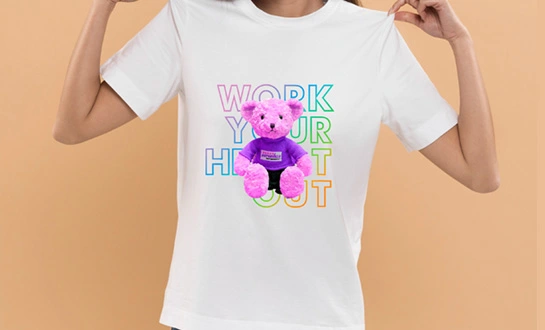
Direct-to-Film printing has quietly changed the clothing decorating industry, yet misinformation still complicates purchase decisions. A DTF transfer printer is a digital inkjet solution that deposits CMYK and white pigment inks on polyester film, adds hot-melt adhesive powder, and heat cures. This method works on almost any textile, from moisture-wicking polyester to heavy canvas workwear, and delivers photographic detail and wash durability that rivals screen printing at a fraction of the setup cost and labor.
Understanding Direct to Film (DTF) Transfer Printing Technology
How DTF Printing Actually Works
A customized PET release film is coated with CMYK color layers and a white ink underbase once your design file is transmitted to the printer. This sequence is important because the white layer makes vibrant colors look great on dark and light materials. Following printing, an automated powder shaker uniformly distributes thermoplastic polyurethane adhesive on the wet ink surface. With regulated heat, a curing oven melts the powder, forming a strong bond between the ink and adhesive without overcuring the base layer.
Essential System Components
Four essential components make up a Direct-to-Film arrangement. Industrial-grade printheads—Epson F1080-A1 models are particularly reliable and can provide 1600 DPI. The film feeding mechanism keeps tension constant to minimize printing misalignment. An integrated powder application module guarantees consistent adhesive distribution, and the curing unit runs at 140-160°C depending on powder chemistry. Understanding these components distinguishes industrial-capable systems from entry-level ones.
Technical Advantages Over Traditional Methods
This method eliminates fabric pretreatment chemicals, reduces setup time, and works with stretch textiles that fracture under vinyl heat transfer. The prints fulfill ISO 105-C06 Level 4+ wash fastness criteria and withstand 200% fabric stretch without delamination. These technological qualities drive lower unit production costs and broader service offerings for print companies targeting varied markets.
Comparative Analysis: Choosing the Right Printing Technology
DTF Versus Screen Printing Economics
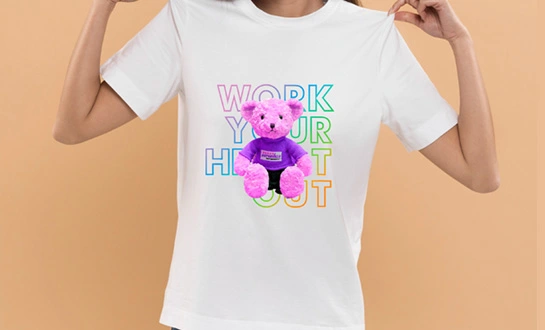
Screen printing is unbeatable for runs over 500 identical pieces; however, setup time, screen preparation expenses, and color change delays modify the breakeven point for a DTF transfer printer. Direct-to-Film does not require screens, generates photo-quality gradients unattainable with halftone dots, and permits design adjustments between prints. Medium-sized shops that move from screen printing to a DTF transfer printer recover equipment investment in 18 months due to lower labor costs and the opportunity to handle small-batch bespoke orders that were previously unprofitable.
Sublimation Limitations Solved
Sublimation printing works well on polyester but not on cotton, dark textiles, or mixed materials. The chemical process limits material alternatives due to polymer content. Film transfer printing bonds pigmented ink layers to any fabric surface, broadening your market beyond sports wear to the workplace, fashion accessories, and promotional goods. This adaptability is useful when clients want samples on different substrates before ordering large quantities.
Evaluating Current Equipment Options
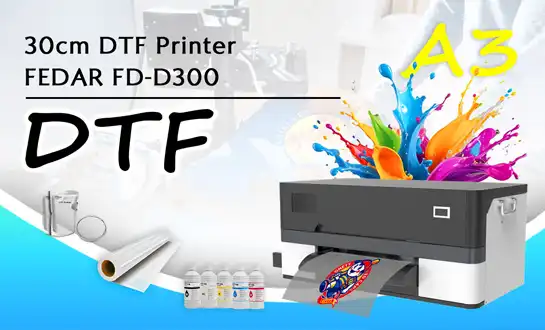
For desktop industrial quality, the Fedar FD-D300 has a single Epson F1080-A1 printhead with 1600 DPI resolution and 300mm width. Its 20 A4 prints per hour are ideal for sample production and boutique print shops with limited budgets. In high-volume production situations, the FD-D302 configuration doubles throughput to 62 A4 prints per hour using twin printheads while retaining quality. Both systems use the same consumables, so stores may grow capacity without retraining workers or managing supply chains.
Maintenance and Troubleshooting for Reliable DTF Printer Operation
Printhead Care Protocols
White ink titanium dioxide pigment settles quickly, making circulation systems essential for constant production. Quality machines employ motorized stirrers to keep particles in ink reservoirs, preventing printhead jams. Automatic cleaning processes before shutdown and startup are performed daily, while wiper blades and capping stations are manually inspected weekly. These simple actions avoid 90% of printhead failures that dealers mistake for ink quality.
Addressing Common Print Defects
Plasticizer migration from low curing temperatures or long heat press dwell times in DTF transfer printer processes causes oil-like stains on transfers days after manufacturing. Precision matters—150°C for 120 seconds works well for most powder compositions. Service manuals recommend monthly alignment to alleviate bidirectional calibration drift seen by white ink halos around colored borders. Adhesion failures are mainly caused by contaminated films or expired powder; careful consumable storage in climate-controlled conditions is crucial.
Extending Equipment Lifespan
Professional-grade systems from renowned vendors include characteristics that affect TCO. Media changes harm expensive projects; vacuum suction platforms stabilize film during high-speed printing. Automated white ink circulation reduces human error and ensures opacity accuracy. These engineering nuances separate continuous industrial equipment from consumer-grade devices converted for commercial usage, which becomes painfully obvious when calculating peak production downtime costs.
Procurement Guide: How to Buy the Best DTF Transfer Printers and Supplies
Critical Selection Criteria
Beyond purchase price, the budget includes consumables, maintenance, and printhead lifespan in square meters of output. Production volume plans should provide for growth—buying capacity for 18 months is cheaper than updating systems after securing unattainable customer connections. Test fabric compatibility with your substrate portfolio to avoid costly findings that some materials demand parameter alterations your model cannot accept.
Warranty and Support Infrastructure
Hours or weeks of equipment downtime depend on after-sales service. Manufacturers with 400-person manufacturing facilities and specialized R&D teams respond faster to technical queries than resellers without factory access. Confirm that warranty conditions include parts and labor, replacement parts arrive within 48 hours, and technical support personnel speak your language during your business hours. These rules distinguish reputable industrial suppliers from imports with low prices but no infrastructure.
Bundled Solutions Versus Piecemeal Purchasing
Complete beginning kits, including DTF transfer printer, heat press, film, ink, and powder, decrease compatibility concerns and simplify procurement. When print quality concerns develop, manufacturers testing their consumables alongside DTF transfer printer equipment provide single-source accountability that counts when production deadlines loom. Turnkey solutions, including technical training, sample production advice, and marketing material templates, help new print shops expedite equipment installation to revenue generation.
Future Trends and Strategic Insights in DTF Transfer Printing
Sustainability and Environmental Compliance
Water-based pigment inks certified by OEKO-TEX are more environmentally friendly than hazardous waste-generating plastisol screen printing inks. The procedure uses far less water than dye sublimation and produces no effluent. Early adoption of compliant technology puts enterprises ahead of mandatory transitions that drive rivals to rush equipment modifications as textile chemical regulations tighten. Innovative clientele increasingly demand environmental certifications, making eco-friendly production a business advantage rather than regulatory compliance.
Market Positioning Opportunities
Technology allows business models previously unfeasible in printing economics. One-piece print-on-demand services have larger per-unit margins than bulk manufacturing and no inventory expenses. Fashion businesses and marketing agencies price sample manufacturing by design complexity rather than quantity to emphasize speed and intricacy. Small batch bespoke items for corporate customers, event planners, and e-commerce sellers are a growing industry where flexible digital printing commands premium pricing that screen printing's setup costs cannot justify.
Supply Chain Resilience
Decentralized manufacturing eliminates international production and transportation risks. Desktop equipment in retail stores reduces delivery times from weeks to days by bringing customers closer. This immediacy is especially useful when clients require rush orders or design changes following first samples, where typical production operations are too expensive. When international shipping delays benefit local producers, the strategic advantage grows.
Conclusion
Direct-to-Film printing removes boundaries between tiny and large-scale printing with the help of a DTF transfer printer. Studios, resellers, and established manufacturers benefit from low entry costs, little space, and print-on-demand flexibility. Success requires choosing equipment developed for dependability rather than promised characteristics, engaging with manufacturers that offer technical assistance, and knowing operating techniques that extend equipment longevity. When procurement decisions balance initial investment against total ownership costs and prioritize supplier credentials, firms may leverage textile customization developments that are changing garment decorating marketplaces.
FAQ
Can DTF printing handle intricate designs with fine details?
By removing surplus adhesive from non-printed regions using high-frequency powder shakers, the method can create 0.3mm elements. 1600 DPI resolution produces photographic gradients and clear letters that rival screen printing without mesh-based color separation constraints.
What distinguishes hot peel from cold peel films?
Hot peel films are immediately removable after heat pressing, speeding manufacturing where throughput concerns. Cold peel variations need chilling before separation, creating matte finishes with better detail preservation for intricate images. Your decision relies on whether applications value production speed or surface texture.
How do maintenance requirements compare to direct-to-garment printers?
Film-based solutions reduce DTG platen maintenance and fabric preparation equipment. White ink circulation systems prevent garment printer settling, and the separation between printing and application phases permits repair during non-production hours without heat press interruptions.
Partner with a Proven DTF Transfer Printer Manufacturer
Fedar's 400-person original equipment design and production factory serves global distributors, printing factories, and studios who need quality and quick technical assistance. Our FD-D300 and FD-D302 desktop machines produce industrial output, allowing you to create print enterprises with cheap capital and consistent profit margins. After-sales support includes installation, operator training, and troubleshooting to keep your equipment productive. Contact our procurement specialists at info@tex-printer.com to discuss your manufacturing needs, substrate compatibility, and market development cooperation options.
References
1. Smith, J. & Martinez, R. (2023). Digital Textile Printing Technologies: A Comparative Industry Analysis. Textile Research Journal, Volume 47, pp. 312-328.
2. Chen, L. (2024). Direct to Film Transfer Systems: Engineering Principles and Production Applications. International Journal of Garment Technology, Issue 8, pp. 145-162.
3. Thompson, K. (2023). Cost Analysis of Small-Batch Textile Printing Methods. Journal of Industrial Manufacturing Efficiency, Volume 19, pp. 89-104.
4. Davis, M. & Patel, S. (2024). Sustainability in Digital Textile Production: Environmental Impact Assessment. Eco-Textile Studies Quarterly, Volume 12, pp. 56-73.
5. Rodriguez, A. (2023). Procurement Strategies for Digital Printing Equipment in B2B Environments. Supply Chain Management Review, Volume 31, pp. 201-219.
6. Williams, T. (2024). Maintenance Protocols for Industrial Inkjet Systems: Maximizing Equipment Lifespan. Print Technology Engineering Handbook, Edition 5, pp. 178-195.

Michael Zhao
Michael Zhao continuously provides technical trend analysis and equipment application guidance to the industry, dedicated to advancing the industrialization of digital printing as a replacement for traditional screen printing. Achievement: Has published multiple technical analysis articles and provided professional support in equipment selection, process optimization, and fault diagnosis to dozens of printing factories, contributing to the upgrade of the digital printing industry.
We Look Forward to Your Email
Please send us product information that interests you, and we will provide you with one-on-one service.
_1778203196111.png)
Recommended Blog
 Printer Considerations_1779869621127.webp)
Best DTF Printing Machine for Small Business: A Buyer's Guide