Best DTF Printing Machine for Small Business: A Buyer's Guide
Understanding DTF Printing Machines: Technology and Benefits
- Understanding DTF Printing Machines: Technology and Benefits
- How to Choose the Best DTF Printing Machine for Your Small Business
- Operating and Maintaining Your DTF Printing Machine Effectively
- Top DTF Printing Machines of 2024: Reviews and Price Comparison
- Where and How to Buy Your DTF Printing Machine with Confidence
- Conclusion
- FAQ
- Partner with Fedar for Your DTF Printing Solutions
- References
Focus on industrial-quality DTF printing machines in compact, cost-effective frames when choosing one for your small business. Direct-to-Film printing lets you make brilliant, durable transfers on many fabrics without pre-treatment or minimum order requirements. Fedar FD-D300 and FD-D302 machines include dependable Epson F1080-A1 printheads, 1600 DPI resolution, and throughput scalability for sample-making and small batch manufacturing.
Understanding DTF Printing Machines: Technology and Benefits
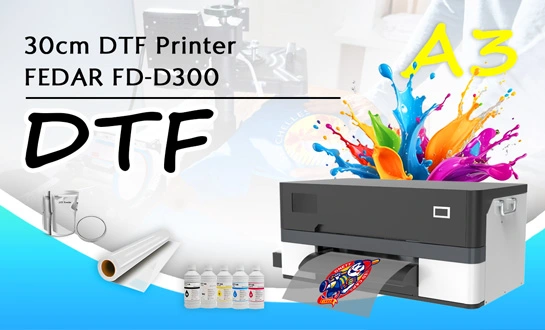
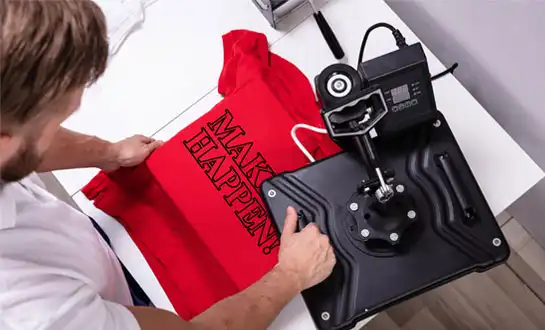
Direct-to-Film printing revolutionizes textile embellishment in bespoke clothes and promotional products. Water-based pigment inks print full-color graphics on specialized PET film, which is later covered with TPU hot-melt adhesive powder and heat-cured. Heat press application creates a transfer film that sticks to textiles.
How DTF Printing Works
The DTF printing machine process begins with design preparation using Adobe Illustrator or CorelDRAW. Your artwork is transmitted to the printer, who applies CMYK and white ink on film. Bright colors on dark materials are achieved with white ink as an underbase. The wet ink surface is uniformly coated with adhesive by an automated powder shaker after printing. The film is then cured in a controlled oven to bind the ink and glue. Cooled transfers can be heat-pressed onto clothing or other textiles.
Key Advantages for Small Businesses
This printing process removes various small-scale manufacturing hurdles. DTF printing technology lets you print complicated, multi-color images in one run, unlike screen printing, which requires expensive setup for each design and color separation. DTF is more durable than Direct-to-Garment technology on polyester, cotton, blends, and even nylon and leather without fabric pre-treatment chemicals. When testing new designs or addressing niche markets, printing on demand lets you operate economically without big stocks or minimum order quantities.
DTF Versus Traditional Methods
DTF is a compelling printing technology compromise. Screen printing is affordable for big, single-color runs but prohibitively expensive for tiny batches or elaborate patterns. Direct-to-Garment printing offers photographic detail but suffers with dark textiles and requires frequent maintenance to avoid printer clogging. Heat transfer vinyl is flexible but needs laborious weeding and layering for multi-color graphics. DTF printing machines overcome these restrictions with high-resolution digital output, broad substrate compatibility, cheap maintenance, and a streamlined workflow that minimizes labor expenses while retaining professional quality.
How to Choose the Best DTF Printing Machine for Your Small Business
Matching operational needs with machine capabilities is key to choosing the proper equipment. Understanding your production parameters enables you to invest in growth-friendly technologies.
Identifying Your Business Needs
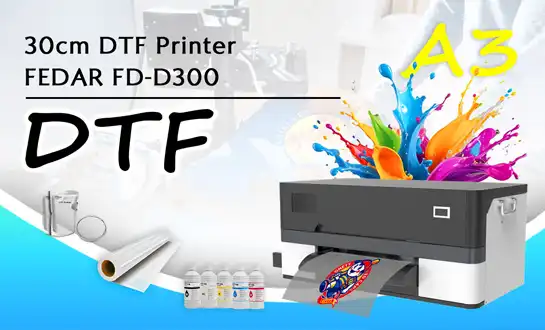
Analyze expected print volume, design complexity, and substrate range. A company making personalized T-shirts may prioritize price and ease of operation, whereas a print business expanding into promotional goods needs better throughput and diverse format handling. Compact desktop DTF printing machines like the Fedar FD-D300 give industrial-grade output with less floor space. A single Epson F1080-A1 printhead produces 10 or 20 A3 or A4 prints per hour on this 300mm wide machine.
Critical Evaluation Criteria
Image quality depends on print resolution. Professional retail clothing requirements are met by the Fedar FD-D300 and FD-D302's 1600 DPI for crisp lettering and seamless color gradients. Production capacity and order turnaround depend on throughput speed. The FD-D302, with twin printheads, triples output to 31 A3 or 62 A4 prints per hour, helping businesses scale. Ink compatibility is crucial because proprietary formulas lock you into pricey consumables. DTF printing machines that accept several vendors' standard pigment inks control costs over time. Machine footprint and energy use affect operational overhead, especially in home-based studios or small workshops with high space and utility expenditures.
Brand and Technology Considerations
Precision and dependability make Epson printheads the DTF industry leader. Fedar models use the current small-format printing standard, F1080-A1, which balances droplet control with maintenance intervals. Check brand manufacturing credentials. Resellers rebadging generic equipment seldom provide superior quality and component supply chains to specialist production facilities with in-house R&D.
After-Sales Service and Support
Without technical assistance and spare parts, equipment reliability is meaningless. Check if your provider offers remote support or local service networks. Operational manuals, video lessons, and quick technical support expedite learning and reduce costly setup mistakes. Mechanical components and printheads, which are consumable yet should last thousands of prints, should be covered by warranties. Companies with flexible collaboration models and trial kits let you test print quality before investing in an expensive DTF printing machine.
Operating and Maintaining Your DTF Printing Machine Effectively
The longevity, print uniformity, and total cost of ownership of your DTF printing machine depend on proper operation and maintenance. Starting with strict practices preserves your investment and ensures client pleasure.
Daily Operation Procedures
Start production by checking the printhead nozzle status on the DTF printing machine using built-in diagnostic patterns. Before production prints show flaws, software interfaces show missing or misdirected nozzles for rapid cleaning. Maintain PET film tension and alignment to avoid feeding anomalies that cause banding or registration mistakes. Since consumables impact color accuracy and adherence, configure color profiles for your ink and powder mix. To avoid waste and rough texture, monitor powder application density and adjust shaker speed to obtain uniform coverage. Keep curing temperatures consistent across production runs to melt adhesive powder without scorching film or diminishing ink brightness.
Preventive Maintenance Schedules
To avoid ink buildup, printhead nozzles are purged and cleaned daily. The five-minute starting and shutdown cycle maintains nozzle firing accuracy. Inspection of the capping station, which protects printheads when idle, occurs weekly. Maintain printhead moisturization by cleaning rubber seals and testing suction. Monthly maintenance includes film feed rollers, powder shaker screens, and curing oven heating elements. Remove powder and debris that might cause mechanical failure or fires. Scheduled interventions reduce unexpected downtime and preserve production-day output quality.
Ink Selection and Management
Water-based pigment inks for DTF printing machine applications are more washable and vibrant than dye-based ones. The adhesive powder bonds pigments to fabric fibers rather than chemically permeating them, yielding patterns that barely fade after industrial washing. White ink needs special care owing to titanium dioxide particle settling. Automatic circulation machines avoid sedimentation and maintain print opacity. Ink management requires monitoring expiry dates, maintaining containers in temperature-controlled conditions, and avoiding color channel cross-contamination.
Top DTF Printing Machines of 2024: Reviews and Price Comparison
Knowing the competition helps you find a DTF printing machine that fits your budget and operations. Here's how top options perform in practice.
Entry-Level Options for Startups
The Fedar FD-D300 is for DTF entrepreneurs without printing experience. The single-printhead setup produces professional results with less capital expenditure. The 300mm print width accommodates most apparel decorating forms, from pocket graphics to full chest patterns on adults. You may successfully fulfill modest bespoke orders while testing designs and market segments with a 10 A3 print per hour manufacturing capability. Epson F1080-A1 printhead technology guarantees dependable performance over long production runs, eliminating the technical complexity that intimidates digital printing beginners.
Mid-Range Solutions for Growing Operations
Businesses with constant order growth benefit from dual-printhead systems' enhanced throughput. The Fedar FD-D302 triples output to 31 A3 or 62 A4 prints per hour while maintaining the same small footprint and 300mm width as the FD-D300. This productivity boost lets you accept larger orders without lengthening delivery times or recruiting more people. The CMYK plus white ink arrangement works for everything from light cotton shirts to dark polyester sports clothing. With this adaptability, you can service many consumer segments with one piece of equipment.
Comparative Value Analysis
Instead of the purchase price, use total ownership expenditures when calculating cost-effectiveness. Proprietary consumables or frequent component replacement might cost more than an open supply chain and robust equipment. Fedar models use common pigment inks and film formats to reduce expenses and preserve quality. Higher production numbers make smaller designs like these desktop DTF printing machines more energy efficient than industrial-scale equivalents without compromising output quality. Space economy reduces facility expenses, especially in home studios or shared workshops.
Where and How to Buy Your DTF Printing Machine with Confidence
Verifying supplier credentials and understanding purchasing mechanisms are essential to procurement. Making educated judgments at this time avoids costly mistakes and builds long-term partnerships.
Identifying Reliable Suppliers
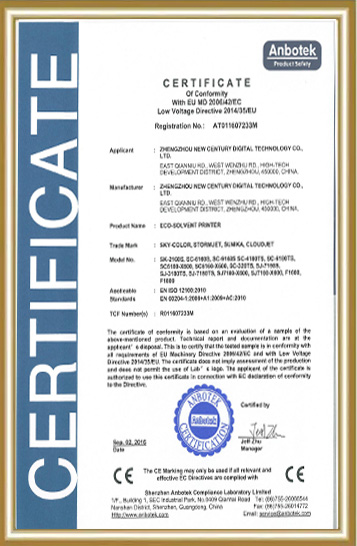
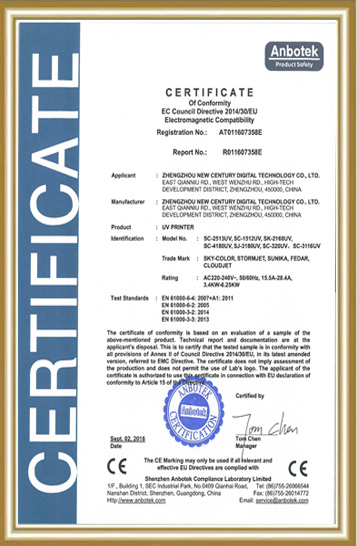
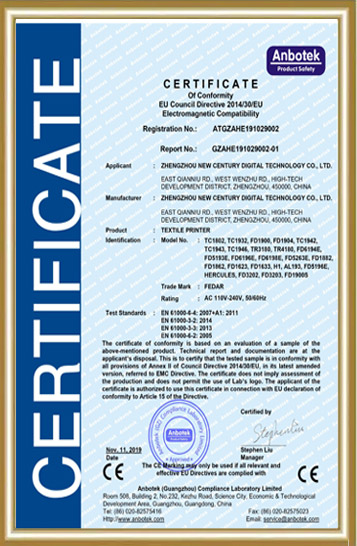
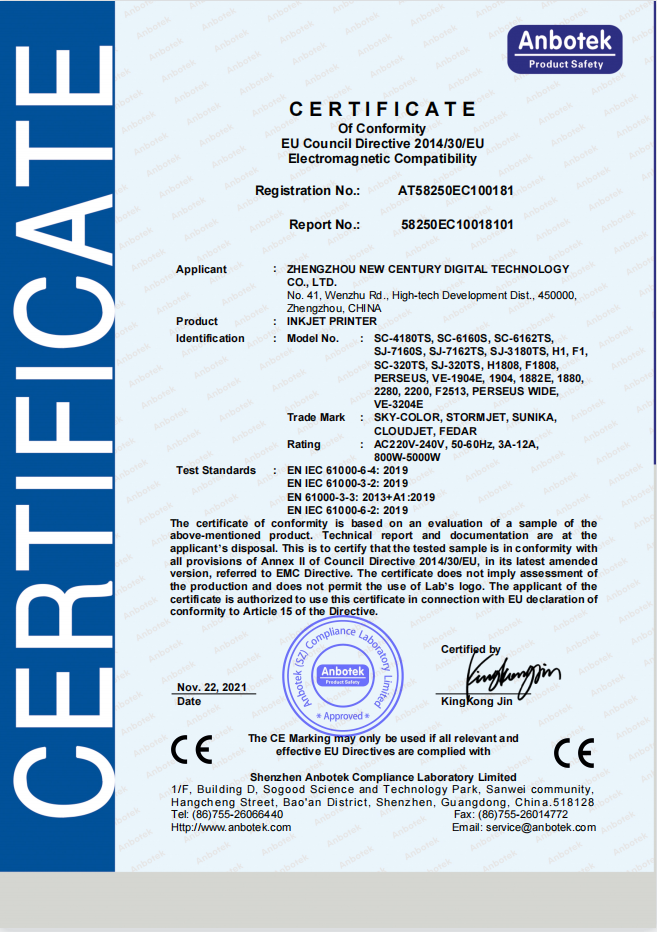
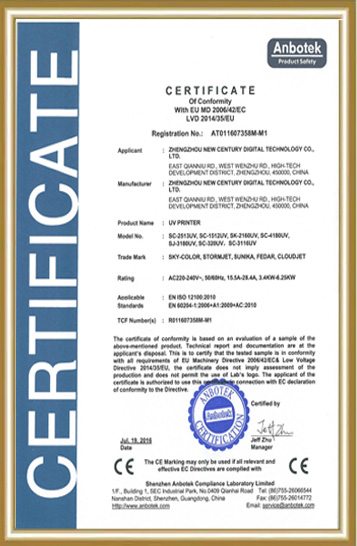
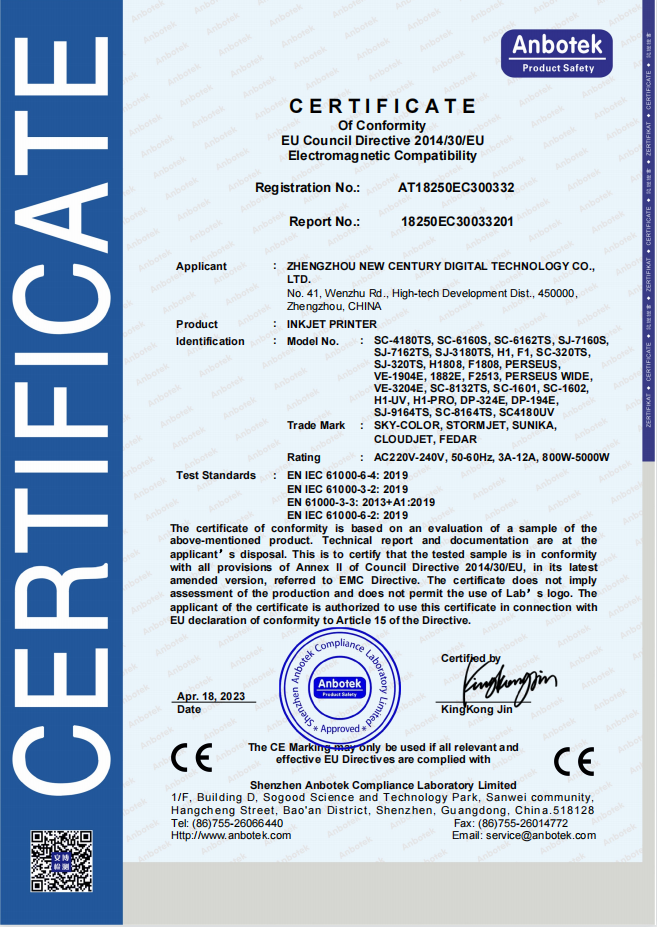
Choose manufacturers with dedicated manufacturing facilities and quality control methods. Original R&D factories with 400 employees have the engineering capacity to improve products and provide components. Make sure your supplier has a worldwide client base, which suggests logistics and international service experience. Request factory qualification documents and sample prints to prove your DTF printing machine's reproducibility.
Purchasing Methods and Financial Options
Pricing, support, and responsibility are usually best with direct manufacturers. Wholesale acquisition serves resellers and distributors wanting competitive margins, whereas retail acquisitions serve end customers needing rapid availability and local assistance. Businesses deploying funds to numerous expansion projects may manage cash flow via leasing. Equipment providers or third-party lenders offer financing schemes that spread purchase prices over time, matching payments with equipment income. Whatever you pick, explain warranty, spare parts, installation support, and technical training.
Building Strategic Partnerships
The relationship with your DTF printing machine provider goes beyond the sale. Comprehensive technical training, marketing materials, and sample kits from manufacturers expedite market entrance and client acquisition. Companies offering bespoke solutions for your applications show the flexibility needed for long-term relationships. Suppliers who upgrade equipment, offer consumables, and counsel as your organization grows become strategic assets.
Conclusion
Choose the finest DTF printing machine for your small business by matching equipment capabilities to operational needs and growth trajectory. In bespoke textile markets, Direct-to-Film technology offers variety, quality, and efficiency. The Fedar FD-D300 and FD-D302 offer desktop ease and industrial output quality for lucrative small-scale manufacturing. You may benefit from on-demand, personalized clothing and promotional product opportunities by knowing the technology, analyzing choices, and connecting with dependable manufacturers.
FAQ
What is the difference between DTF and DTG printing machines?
DTF printing machines print transfer films that are heat-pressed onto textiles, whereas Direct-to-Garment machines print directly onto clothes. DTF works on light and dark fabrics, polyester, cotton, and mixes without pre-treatment. Direct-to-Garment prints are softer but require more upkeep and work best on pre-treated, light-colored cotton textiles.
How often does a DTF printing machine require maintenance?
Five to ten minutes are spent daily checking and cleaning printhead nozzles. Weekly activities include capping station inspection and mechanism cleaning. Film feed, powder shaker, and curing oven maintenance occur monthly. Following these schedules prevents failures and ensures quality across thousands of prints.
Can I use third-party inks with DTF printing machines?
Many DTF printing machines, including Fedar models, accept different providers' standard water-based pigment inks for cost control and supply flexibility. To maximize adhesion, color accuracy, and printhead life, check equipment compatibility. Non-recommended formulas may harm components or violate warranties.
Partner with Fedar for Your DTF Printing Solutions
Fedar has a 400-person inkjet printing technology R&D and production facility. Our FD-D300 and FD-D302 DTF printing machines give small businesses the dependability, precision, and pricing they need to compete. We provide technical training, prompt after-sales service, and dependable component supply chains to resellers, distributors, and end users. Our staff customizes solutions for your applications and growth goals, whether you're starting a business or expanding. Contact info@tex-printer.com to discuss your needs, request examples of our output, and explore cooperation prospects with a reputable DTF printing machine provider devoted to your success.
References
1. Cohen, M. (2023). Digital Textile Printing Technologies: Innovation and Market Applications. Textile Industry Press.
2. Rodriguez, A., & Chen, L. (2024). "Comparative Analysis of DTF and DTG Printing Methods for Small-Scale Apparel Production." Journal of Digital Printing Technology, 18(2), 45-62.
3. Williams, K. (2023). The Complete Guide to Direct-to-Film Printing: Technology, Applications, and Business Strategies. Professional Printing Publishers.
4. Anderson, T. (2024). "Cost-Benefit Analysis of Entry-Level DTF Equipment for Startup Print Businesses." Small Business Printing Quarterly, 12(1), 78-91.
5. Zhang, Y., & Patel, R. (2023). "Printhead Technology Evolution in Desktop DTF Systems: Performance and Reliability Considerations." International Journal of Inkjet Science, 9(4), 112-128.
6. Thompson, S. (2024). Textile Printing Business Development: Market Trends and Equipment Selection Strategies. Industry Analysis Publications.

Leo Li
Leo Li is a promoter of small-batch quick response and flexible manufacturing solutions, focusing on short-process printing solutions for e-commerce customization, fast-turn orders, and personalized production. Achievement: Helped customers achieve a "one-piece minimum, same-day shipping" production model, significantly reducing sampling and delivery lead times while lowering overall operating costs.
We Look Forward to Your Email
Please send us product information that interests you, and we will provide you with one-on-one service.
_1778203196111.png)
Recommended Blog
 Printer Considerations_1779869621127.webp)
Best DTF Printing Machine for Small Business: A Buyer's Guide