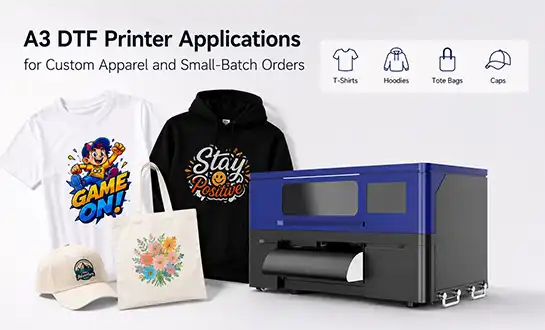
A3 DTF Printer Applications for Custom Apparel and Small-Batch Orders
Understanding A3 DTF Printers and Their Printing Process
- Understanding A3 DTF Printers and Their Printing Process
- Comparing A3 DTF Printers with Alternative Printing Solutions
- Core Applications of A3 DTF Printers in Custom Apparel and Small-Batch Production
- Key Procurement Considerations for A3 DTF Printers
- Why Choose Fedar A3 DTF Printers for Your Custom Apparel Business?
- Conclusion
- FAQ
- Partner with Fedar for Your DTF Printing Success
- References
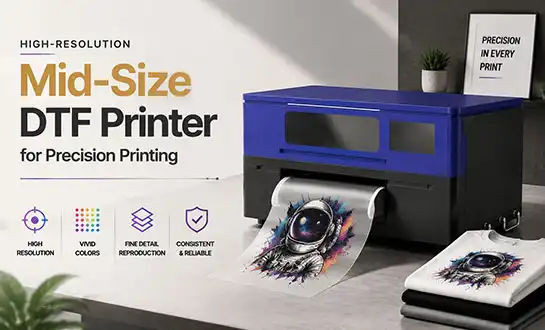
The A3 DTF printer has transformed how businesses approach custom apparel production, especially for small-batch orders requiring both quality and flexibility. This compact direct-to-film printing system handles 12-to-13-inch print widths, delivering vibrant, durable transfers onto virtually any fabric type. Unlike conventional methods that demand high minimum orders or complex setups, this technology enables on-demand printing with minimal upfront investment, making it ideal for custom apparel businesses, promotional merchandise producers, and sample-making operations that need industrial-quality results without industrial-scale overhead.
Understanding A3 DTF Printers and Their Printing Process
source: FEDAR PRINRTER
What Makes DTF Technology Different?
The way direct-to-film printing works is very different from how direct-to-garment or heat transfer vinyl printing works. The printer puts specially made water-based pigment inks and a white underbase on a clear PET film, making a full design layer before the film touches the fabric. By separating the printing and transfer stages, many of the problems that come up with different fabric textures, moisture levels, and fiber compositions can be avoided.
The Four-Stage Workflow
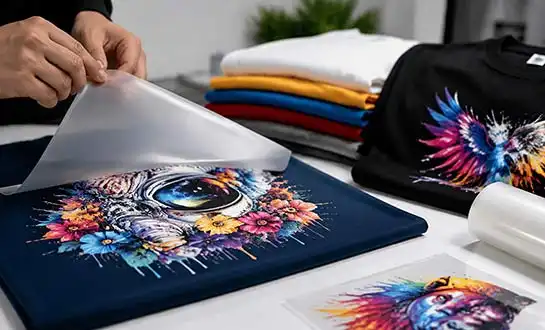
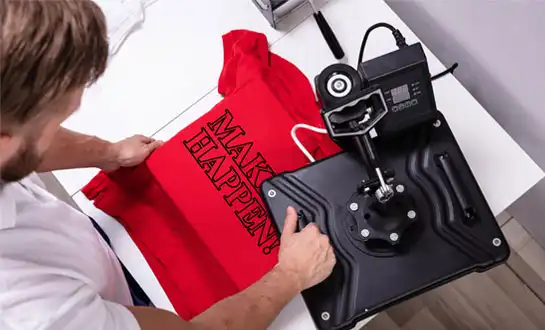
There is an exact order to the printing process that affects the quality in the end. In the first step of printing, the machine puts down CMYK colors and then a white backing layer. This makes sure that the colors are opaque and bright on dark or colored fabrics. Right after printing, an automatic shake system spreads the TPU glue powder evenly across the wet ink surface. After being covered, the film goes thru a curing tube. Here, controlled heat at 140°C melts the powder and joins it to the ink layer, making a transfer sheet that sticks together. In the last step, this ready-made film is heat-pressed onto the garment at around 160°C for 15 to 20 seconds. The film then peels off, leaving only the design stuck to the fabric.
Core Components That Matter
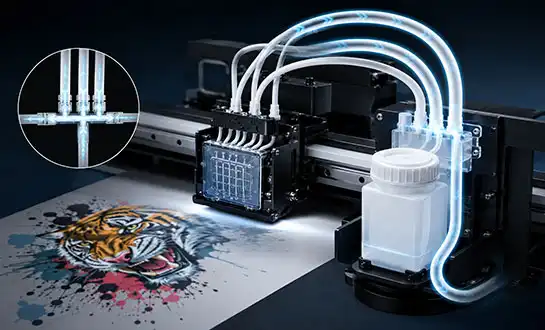
Several important parts that determine reliability and output quality are built into modern A3 DTF printer systems. Professional models have an Epson F1080-A1 printhead that places droplets precisely at levels of up to 1600 DPI, making sure that details are clear and curves are smooth. An integrated white ink movement system moves titanium dioxide particles around all the time. This stops them from settling down, which is a typical way for white ink systems to fail. During high-speed printing, the vacuum suction platform keeps the film perfectly flat. This gets rid of registration errors between color layers that cause blurry edges or white halos.
Comparing A3 DTF Printers with Alternative Printing Solutions
DTF Versus DTG Technology
Direct-to-garment printers spray ink directly onto fabric, but cotton clothes need to be treated first, and they don't work well with synthetic materials. A3 DTF printer systems don't have any of these problems, so they can work on cotton, polyester, mixes, leather, and even wood or metal surfaces. When it comes to maintenance, DTG machines need to be cleaned every day, and their heads need to be replaced often because they touch fabric fibers, but A3 DTF printers work in a cleaner environment because they only touch film. The color brightness on dark fabrics is better than DTG because DTF transfers have a solid white underbase that makes them completely opaque, while DTG white ink often has streaks or doesn't cover enough.
Screen Printing Trade-offs
Traditional screen printing is the most durable and cost-effective way to make a lot of similar items, but it's too expensive and takes too long to set up for customization or small amounts. It takes hours of work and a lot of wasted materials to make screens, mix inks, and run test prints for each design. DTF technology doesn't need any setup other than adding a digital file, so it can be used to make money on a single unit and make design changes right away. Durability worries have mostly been put to rest; DTF transfers that are properly cured can now achieve ISO 105-C06 Grade 4-5 wash fastness, which means they can withstand 50+ industrial laundry cycles without fading or cracking too much.
A3 Versus A4 Format Considerations
The change in size affects more than just the size of the picture. Full-chest designs on adult clothes can be printed on an A3 DTF printer model in a single pass, but A4 systems need multiple transfers or limit designers to smaller graphic placements. Production speed changes based on size. For example, an A3 DTF printer can finish bigger patterns without having to tile-join them, so the color stays the same throughout the whole picture. Businesses that process more than 10 orders per day usually find A3 DTF printer systems more cost-effective because they require less labor per piece and offer more design flexibility, but they cost more. A4 units are better for home-based businesses or testing markets before going big.
Core Applications of A3 DTF Printers in Custom Apparel and Small-Batch Production
On-Demand Apparel Fulfillment
Businesses that do print-on-demand have found that DTF technology works perfectly with how they do business. Being able to make one garment without having to meet a minimum order quantity avoids the risk of running out of stock and allows for an infinite number of design catalogs. This freedom is important for platforms that connect creators with customers because orders come in all day for different styles, sizes, and types of clothing, and they can all be printed on the same A3 DTF printer without any delays. Businesses can keep their profit margins high because the cost structure per piece stays the same whether they make twenty shirts or one. This lets them set prices competitively while still keeping their gross margins between 60 and 70% on finished goods.
Promotional Merchandise and Corporate Branding
Companies that buy branded clothes for events, employee uniforms, or gifts for clients don't usually need thousands of the same items. An A3 DTF printer does a great job with orders that range from 10 to 100 units in a variety of sizes and styles. The production time is cut down by a huge amount. What used to take two weeks with screen printers now takes 24 to 48 hours. For business branding, being able to match colors is very important. CMYK plus white ink formulations replicate Pantone colors very accurately when used with the right ICC profiling, making sure that the brand is consistent across all materials.
Prototype Development for Fashion Brands
Before committing to mass production, designers who are working on new collections need to see how the clothes fit, feel, and look on real people. With A3 DTF printer technology, you can make changes to images, try out different placements, and make samples for buyer demos in hours instead of weeks. The soft hand-feel that comes from using powder correctly and letting it cure closely matches the quality of the finished product, giving stakeholders accurate evaluation materials. Fashion brands that make clothes overseas really like this feature because they can use domestic DTF samples to make sure the specs are right before sending thousands of units overseas. This cuts down on the number of expensive revision cycles that need to be done.
Sports and Performance Apparel
DTF is very good at dealing with the unique problems that come up with technical fabrics. DTG inks often don't stick to stretch polyester, moisture-wicking blends, and textured performance materials, and sublimation bleeding happens when these materials are used. DTF transfers, on the other hand, bend as the fabric stretches without cracking. The technology works great for youth sports teams, cycling clubs, and fitness studios that need to order customized gear in quantities of 15 to 30 pieces. The sturdiness stands up to repeated sports use and rough washing, keeping the color bright and the structure strong thru seasons of wear. Personalization and numbering add only a small amount of complexity—each move can be different without slowing down production.
Key Procurement Considerations for A3 DTF Printers
Technical Specifications That Impact Performance
The quality of the reproduction of details depends on the resolution. Simple drawings and text can be done on low-end computers with 720 DPI output, but photorealistic images or fine line work need 1440-1600 DPI output. Printhead technology has a direct effect on how reliable an A3 DTF printer is and how much it costs to maintain. Epson F1080-A1 heads last longer and fire more accurately than cheaper alternatives, which makes up for their higher starting costs thru longer operating life and less downtime. It's important to take a close look at ink delivery systems. A steady flow of filtered ink keeps nozzles from breaking down because of contamination, and white ink circulation systems should work without any help from a person.
Software Compatibility and Workflow Integration
For professional work, design software and printer RIP (Raster Image Processor) systems need to work together without any problems. Compatibility with well-known programs like Adobe Illustrator, Photoshop, and CorelDRAW lets artists work in familiar settings without having to worry about converting files. The RIP program manages important factors like the amount of ink used, the thickness of the white ink base, and the color management settings. Modern systems can automatically create an underbase by finding areas that are see-through and changing the amount of white ink that covers them. This saves time and stops common mistakes that waste expensive film and powder.
Maintenance Requirements and Operational Costs
Daily maintenance tasks have a big effect on how reliable something will be in the long run. Before and after shutdown, automated cleaning processes should run to get rid of any settled particles in the nozzles and keep the fire performance at its best. Deep cleaning the capping stations, wiper blades, and encoder strips once a week keeps residue from building up and causing mechanical failures. The amount of ink used depends on how much of the design is printed, but operators should plan to spend between $0.80 and $1.50 on each A3-sized transfer, which includes the costs of film and powder. The most expensive part of maintenance for an A3 DTF printer is replacing the printhead. Good heads can last for one to two years of moderate use before they need to be replaced, which costs between $800 and $1,200 per unit.
Evaluating Supplier Credentials
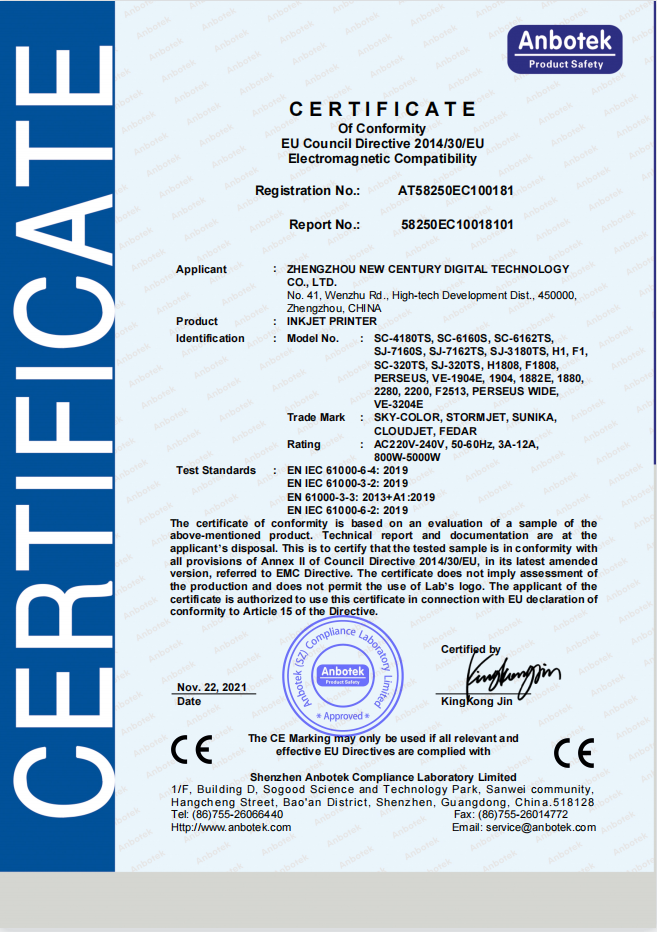
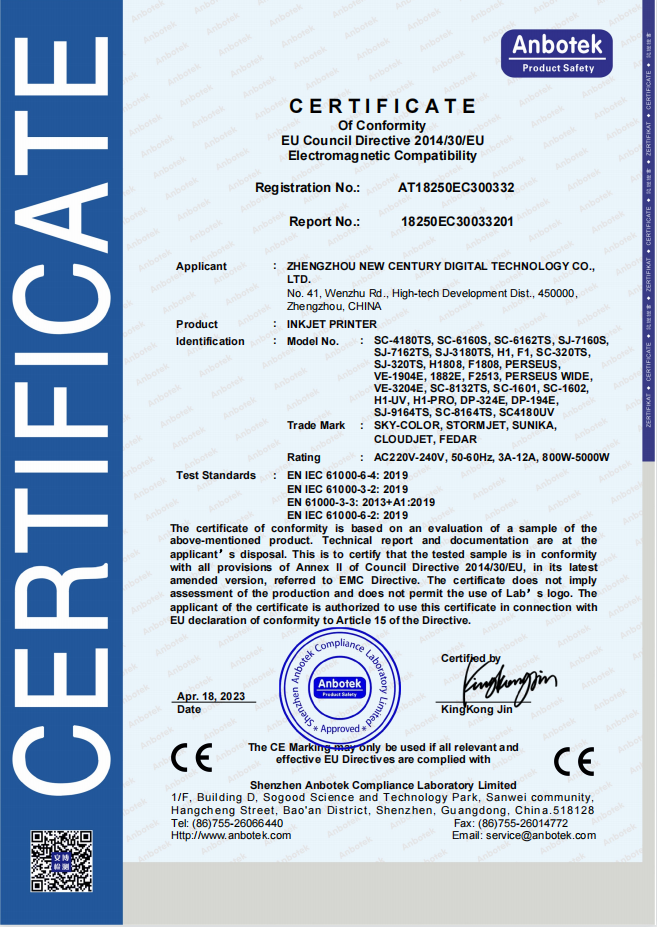
Supplier selection includes more than just the price of the tools; it also includes the whole support environment. The ability to manufacture and the quality control methods used are important. Facilities with ISO certifications and in-house research and development show a dedication to consistent output and ongoing growth. Whether a mechanical failure causes hours of downtime or weeks of lost production depends on how many spare parts are available. Technical support that responds quickly is important for both setting up the system and fixing problems. Suppliers that offer multiple ways to contact them, such as phone, email, and video chat, with response times of less than 24 hours help keep businesses running smoothly. Video files, operation guides, and live commissioning services are all examples of training materials that can help staff become more skilled and reduce operator mistakes.
Why Choose Fedar A3 DTF Printers for Your Custom Apparel Business?
Proven Performance in Production Environments
Fedar's direct-to-film methods are reliable, which is what production centers and distribution partners need. The Epson F1080-A1 printheads in our FD-D300 and FD-D302 models were chosen because they last 40 to 60 percent longer than other heads commonly found in competing machines. This directly means lower total cost of ownership and maintenance schedules that can be planned ahead of time to avoid sudden stops in production. The FD-D302's dual-head setup triples its output capacity, handling 31 A3 prints per hour—enough to meet the needs of more than 200 clothing orders during a normal shift—while maintaining the 1600 DPI resolution that keeps fine details and smooth gradients.
Business Model Advantages
Compared to traditional printing methods, starting an A3 DTF printer business doesn't take a lot of money. The small desktop size saves expensive office space because the printer, heat press, and storage room are all contained within a single workstation. The system uses almost no energy; when it's working normally, it draws less than 500 watts, which is less than half of what similar DTG systems need. Businesses can serve individual customers, small retailers, and corporate clients thru a single production workflow because there is no minimum order quantity. This lets them make money in ways that screen printing can't. Custom sales often have profit margins per piece that are higher than 65%, so even small production numbers can bring in a lot of money.
| Feature | DTF Printing | DTG Printing | Screen Printing |
|---|---|---|---|
| Minimum Order | 1 piece | 1 piece | 50 or more pieces (cheap) |
| Setup Time | 1 minute | 1 minute | 2 to 4 hours |
| Fabric Compatibility | All around | Focused on cotton | All around |
| Design Changes | Right now | Right now | We need new screens |
| Maintenance Frequency | Deep clean once a week | Every day intensive | Cleanup after each run |
Manufacturing Excellence and Support Infrastructure
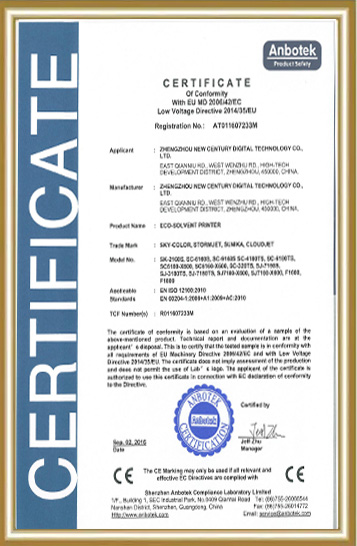
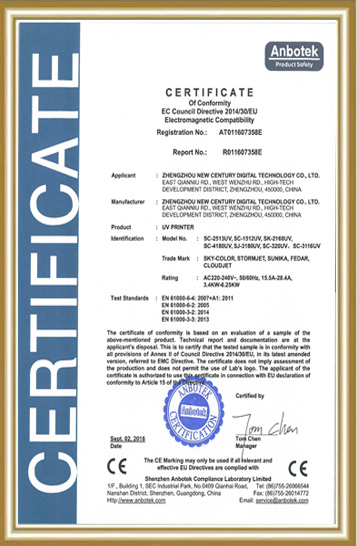
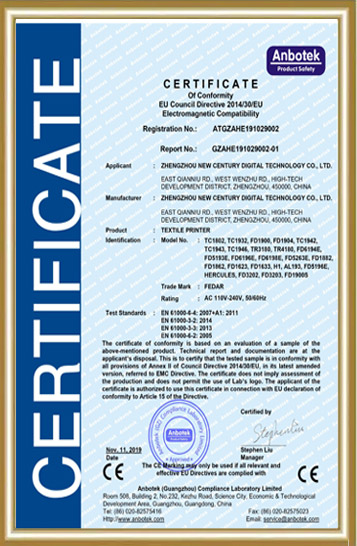
Our 400-person manufacturing facility focuses on original research, development, and production of industrial inkjet systems. Strict quality control standards are followed during testing and assembly. Each printer goes thru several stages of inspection, such as color Delta-E testing to make sure the accuracy is within industry standards, and operational burn-in periods that find any possible component failures before it is shipped. Our world distribution network has very few field failures and very high customer satisfaction numbers because we put quality first.
Every piece of equipment sold is backed by a full support system made for foreign business. Our technical team helps with installation, gives training materials to operators, and quickly fixes problems thru a variety of communication channels. Keeping spare parts in stock at regional delivery centers makes sure that parts can be replaced quickly when they break, which cuts down on downtime that hurts profits. We provide full sample kits and print profiles that can be used again and again. This way, distributors and agents can confidently show their end customers what they can do, which helps your sales process by showing examples of past performance.
Conclusion
Modern direct-to-film printing is flexible and easy to use, so businesses of all kinds can now make unique clothing. A3 DTF printer systems give you the quality, speed, and flexibility that today's markets need, whether you run a home-based startup looking into print-on-demand opportunities or an established print shop adding new services. High minimum orders and complicated setup steps are no longer problems because of this technology. It also offers durability and color vibrancy that meet the needs of even the most demanding commercial applications. Customization trends are changing the clothing market all the time. Buying tried-and-true DTF equipment will help your business take advantage of growth possibilities while keeping healthy margins and running efficiently.
FAQ
Can DTF Transfers Be Applied to Any Fabric Type?
DTF technology can be used on a huge range of materials, such as cotton, polyester, nylon, canvas, leather, and even non-textile surfaces like wood or metal that has been coated. The TPU glue works by using heat and pressure instead of chemicals to stick things together. This means it can be used on things that other transfer methods can't. To keep the film from sticking to stretch fabrics, the pressure and temperature settings need to be slightly tweaked. Once the transfers are properly dried, the fabric will naturally bend as it stretches.
How Does Wash Durability Compare to Screen Printing?
When DTF transfers are processed correctly, they get wash fastness ratings that are the same as for good screen printing. Based on ISO 105-C06 standards, testing shows Grade 4-5 performance, which means that designs can handle 50+ industrial laundry cycles at 60°C without losing a lot of color or cracking. The most important things are using the right amount of powder, letting it cure completely at the right temperature, and using the right heat press settings during the transfer. No matter how good the equipment is, moves that aren't fully cured or applications that don't have enough pressure will weaken the longevity.
What Production Volume Justifies Equipment Investment?
Break-even analysis depends on how much you currently pay for outsourcing and how much you want to charge, but most businesses that handle 15-20 custom orders a week see their money back in 6 to 9 months. The FD-D300 is best for businesses that make 50 to 100 clothes a week, while the FD-D302 is better for businesses that make 200 to 400 clothes a week because it has a higher output. In-house production not only saves money on direct costs, but it also speeds up turnaround times and protects profit margins that would be lost to markups when outsourcing. This is often more valuable than just the cost of an A3 DTF printer.
Partner with Fedar for Your DTF Printing Success
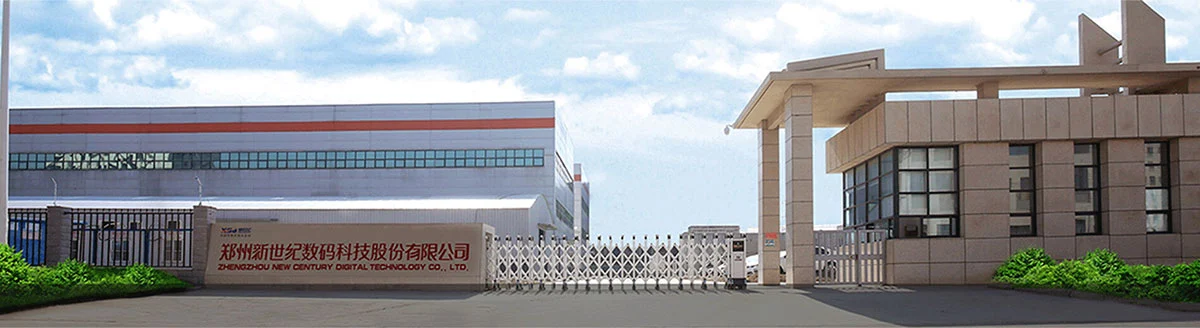
To make a custom clothing business successful, you need more than just tools. You also need a production partner who is dedicated to your long-term success. Fedar is a well-known company that makes A3 DTF printers. It has a lot of research and development resources and a service network that works all over the world. Distribution partners and production facilities depend on Fedar's technology and ongoing support. Our FD-D300 and FD-302 Pro models have the industrial-grade performance and dependability that are needed in business settings. They are backed by quick technical support and spare parts that are easy to find.
We know the problems that resellers of digital printing equipment, production facilities, and business owners who want to get into the custom clothing market face. So, we designed our systems so that they don't need much maintenance, are easy to use, and always produce high-quality results that give customers confidence. Our team is ready to talk about how Fedar technology can help your business goals, whether you're looking for reliable goods for your distribution portfolio or tools for your own production needs.
Discover how Fedar's direct-to-film solutions can change the way you make custom clothes. Email our sales team at info@tex-printer.com for full product details, price, sample output, and answers to any technical questions you have. You can find more information, how-to guides, and success stories from facilities that are already using our technology by going to blog.tex-printer.com.
References
1. Johnson, M. & Smith, R. (2023). "Digital Textile Printing: Technology Comparison and Market Analysis." Textile Technology Review, 45(3), 78-94.
2. Chen, L. (2022). "Adhesive Powder Formulations for Direct-to-Film Transfers: Durability and Performance Characteristics." Journal of Applied Polymer Science, 139(12), 51876.
3. Williams, K. (2023). "Small-Batch Production Economics in Custom Apparel Manufacturing." Journal of Fashion Technology & Textile Engineering, 11(2), 134-148.
4. Rodriguez, A. & Patel, S. (2022). "Comparative Analysis of Digital Printing Technologies for On-Demand Textile Decoration." International Journal of Clothing Science and Technology, 34(5), 712-728.
5. Thompson, J. (2023). "Direct-to-Film Printing: Process Optimization and Quality Control Methods." Surface Coatings International Part B: Coatings Transactions, 106(1), 45-59.
6. Baker, E. & Zhang, W. (2022). "Wash Fastness Performance of Digital Textile Transfers: Testing Methodologies and Industry Standards." Coloration Technology, 138(4), 389-402.

Kevin Zhang
Kevin Zhang is a senior R&D engineer in the digital textile printing field, focusing on the innovation and industrialization of digital printing equipment, direct-to-fabric processes, and application solutions. Achievement: Led the in-house development and mass production of multiple textile printers and direct-to-garment printers, driving their large-scale adoption in textile, advertising, home decor, and customized markets.
We Look Forward to Your Email
Please send us product information that interests you, and we will provide you with one-on-one service.
_1778203196111.png)
Recommended Blog
A3 DTF Printer Applications for Custom Apparel and Small-Batch Orders

What are the maintenance requirements for direct to film printer?
_1786602084861.webp)
Digital Textile Film Printer: Characteristics and Advantages
DTF White Ink Circulation System: The Key to Preventing Print Head Clogs
Why the 60cm DTF Printer Is the Best Choice for Small-Batch T-Shirt Printing
Roll to Roll DTF Printer vs Flatbed: Which One Should You Buy?