Digital Textile Film Printer: Characteristics and Advantages
What Is a Digital Textile Film Printer?
- What Is a Digital Textile Film Printer?
- Characteristics of Digital Textile Film Printers
- Advantages of Using Digital Textile Film Printers for Global B2B Clients
- How to Choose the Right Digital Textile Film Printer for Your Business
- Future Trends and Innovations in Digital Textile Film Printing
- Conclusion
- FAQ
- Partner with Fedar for Reliable Digital Textile Film Printer Solutions
- References
A digital textile film printer can completely change the way clothing printing businesses work by combining high-quality output with the ease of use of a desktop computer. This advanced Direct-to-Film technology lets business owners start profitable ventures with little money. It can be used for a wide range of things, from making custom clothes to making promotional items. High setup costs and minimum order requirements are no longer problems because of this technology. This means that resellers, print shops, and studios can compete effectively in today's on-demand textile market.
What Is a Digital Textile Film Printer?
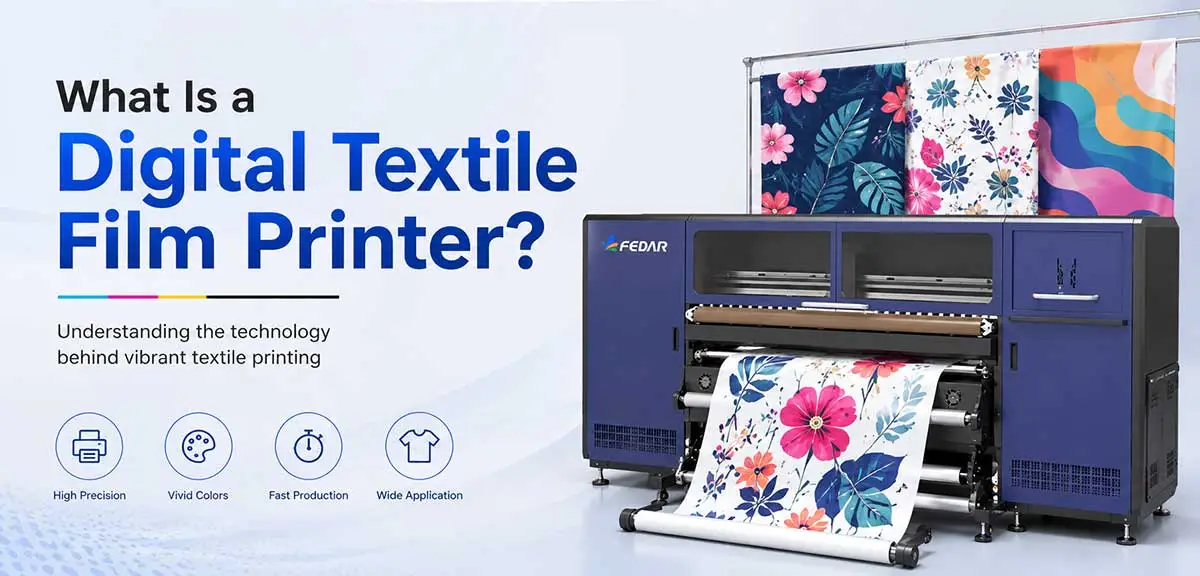
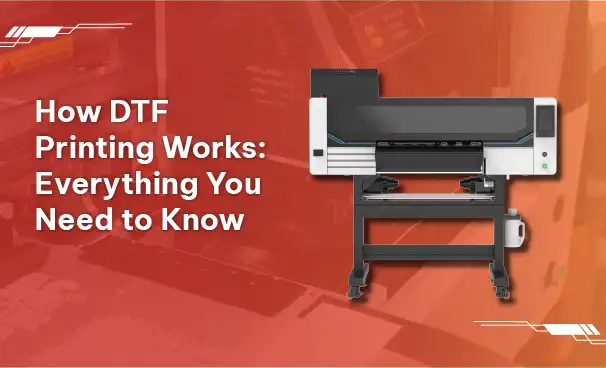
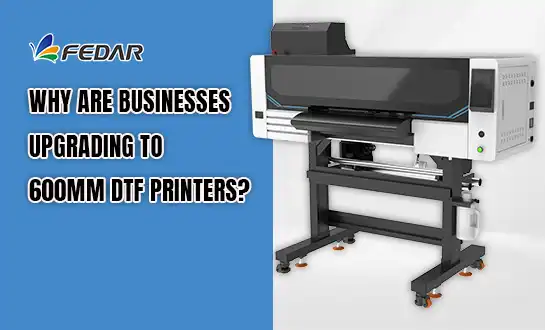
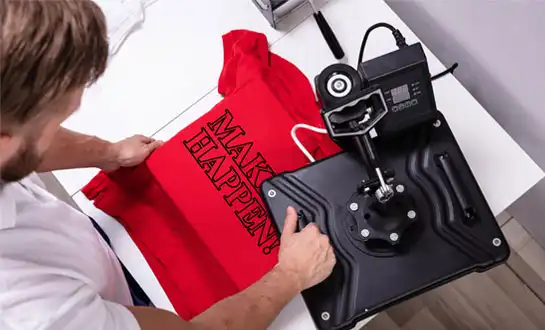
A digital textile film printer, also known as a DTF printer, is a piece of specialised hardware that prints designs made of pigments on coated PET transfer films. CMYK and white colours are printed with precision printheads, and then hot-melt adhesive powder is used to cover the printed picture before it is heated to set. This makes ready-to-stick pictures that stick to fabrics forever when they are pressed.
The Technology Behind DTF Printing
This technology greatly speeds up production compared to traditional screen printing methods that need different screens for each colour or Direct-to-Garment systems that need a lot of cloth pretreatment. The printer puts down layers of special pigment inks. The white ink makes dark fabrics opaque, and the CMYK colours make bright designs. The adhesive powder is put on automatically by shaking units that spread the powder out evenly over the wet ink.
After the powder is put on, the film goes through heating zones where controlled temperatures melt and harden the glue. This makes a secure transfer that is ready to be used. This gets rid of the tricky science and time-consuming steps needed for preparation that are part of traditional ways. Modern DTF systems work perfectly with cotton, polyester, nylon, blends, and even tough surfaces like canvas and leather. This gives agents who work with a wide range of clients more business possibilities.
Environmental and Economic Benefits
More and more, environmentally-friendly brands and their marketing partners are interested in the benefits. When compared to traditional cloth printing, which uses thousands of gallons of water for dyeing and cleaning, this method uses a lot less water. Cutting down on chemical waste is also a big plus, since DTF uses exact amounts of ink and doesn't pollute wastewater streams.
Environmental obedience has economic perks as well. When the costs of making screens go away and single units can be made cheaply, printing shops and their sales partners can make more money. When companies can print exactly what buyers want, inventory risks go down because they don't have to hold as much risky stock.
Characteristics of Digital Textile Film Printers
Knowing the technical specs helps dealers and distributors match the skills of the tools with the needs of the end customer. Professional DTF systems are different in a number of ways that directly affect their ability to make money and keep customers happy.
Print Quality and Resolution Capabilities
Premium DTF equipment has high-resolution output; professional types can reach 1600 DPI or higher. When fighting for accounts that care about quality, this resolution is necessary to make pictures that look like photos, with smooth colour gradients and clear text. Fedar's FD-D300 and FD-D302 models use the Epson F1080-A1 printhead, which is an example of an industrial-grade part that gives consistent results across production runs.
Accurate colour depends on Digital textile film printers being able to precisely control the ink droplets and use calibrated ICC profiles. Quality systems keep tight tolerances on where droplets can land, which stops banding or colour shifts that hurt relationships with customers. The CMYK+W colour configuration makes sure that bright colours look good on both light and dark clothes, unlike other technologies that are limited by the colours that can be used on certain fabrics.
Speed and Production Efficiency
The speed of production has a direct effect on how much money printing companies and their dealers make. Single-head models like the FD-D300 can make about 10 A3-sized prints or 20 A4-sized prints per hour, which is good for sample makers and small studios that are just starting out. Dual-head systems like the FD-D302 can print up to 31 A3 or 62 A4 pages per hour, which is enough for medium-volume businesses.
Small systems like these take up very little floor room but do work that used to be done by big industrial machines. Compared to traditional printing methods, it still uses a small amount of energy. This lowers running costs that cut into profit margins. Maintenance needs are kept under control with white ink circulation systems that keep nozzles from getting clogged and automated cleaning cycles.
White Ink Management Systems
Professional tools can handle white ink better than entry-level options. The main technical problem is pigment settling, which happens when heavy titanium dioxide particles separate from carrying fluids when the machine is not being used. High-quality DTF printers have systems that keep white ink moving through supply lines all the time and systems that keep pigments evenly distributed.
These circulation systems are built into the FD-D300 and FD-D302, which protects the printhead's life and keeps the white ink density consistent. This is very important for agents whose names depend on their tools working well at customer places. When you manage your white ink well, you can avoid the expensive service calls and unhappy customers that hurt your relationships with distributors.
Advantages of Using Digital Textile Film Printers for Global B2B Clients
There are many practical and financial benefits for resellers, distributors, and the people they serve that directly affect the success of the business.
Cost Structure and Profitability
With traditional screen printing, you have to spend a lot of money to set up each design, which means that small runs are not possible. These problems are taken care of by DTF technology, which lets production start at a single unit and make money. This creates profitable markets for personalised goods, corporate gifts, and limited-edition clothing, where customers want options without having to pay more.
The profit margins that printing shops can use create long-term income streams for companies that sell printing tools. When end customers make good profits, they buy more and tell their friends about sellers, which leads to natural growth for wholesaler networks. Low-cost entry points like the FD-D300, which is priced so that studios and small shops can afford it, help dealers build their distribution areas reach more customers.
Consumable supplies like inks, films, and powder can be used over and over again to make money. Distributors who give full supply sets keep customers for a long time and make money throughout the span of a product. Standardisation around popular printhead types like Epson's F1080-A1 makes it easier for agents who work with multiple accounts to handle supplies and provide technical support.
Operational Flexibility and Market Responsiveness
Print-on-demand features change the way textile businesses handle their supplies. Shops serve customers without keeping a lot of blank stock or pre-printed items that might become outdated. This flexibility helps agents who are targeting e-commerce sellers and custom studios the most, since being able to respond quickly to trends is key to success in these industries.
Rapid design iteration is possible with this technology, so customers can see how the market reacts to their products before committing to mass production. Sample makers make prototypes quickly, which shortens the time it takes to develop a product. Advertising equipment stores find that DTF systems work well with the signs they already sell, which lets them serve clothing clients without having to learn all a new set of technologies.
Material versatility increases the market reach. Jobs for cotton t-shirts, polyester athletic wear, canvas tote bags, and promotional caps can all be done by the same digital textile film printer. This range makes better use of equipment while lowering the amount of specialised equipment that print shops and their lenders have to keep on hand.
Technical Support and Service Infrastructure
Long-term success for sellers and their customers depends on reliable help after the sale. Fedar's plant, which employs 400 people, has enough engineers to provide full technical help. Distributors feel better about their installations knowing that the manufacturer backs them up, which protects their reputation in the market.
Downtime costs that annoy customers can be kept to a minimum with preventative repair programs and extra parts that are easy to find. When shops have technical problems, they need to be able to respond quickly to keep their production schedules and customer commitments. This dependability leads to repeat purchases and word-of-mouth marketing, which bring in money for the distributor.
Agents and their customers can get the most out of their tools with the help of training classes. Knowing the best choices for temperature, powder application rate, and pressure will improve the quality of the product and make the consumables last longer. In competitive markets, distributors who offer education that adds value stand out.
How to Choose the Right Digital Textile Film Printer for Your Business
For distributors to build profitable territories, the selection criteria should match the types of customers they want to reach and their growth plans.
Assessing Production Requirements
The right tool specs are based on the expected volume. Single-head systems are good for studios and sample makers who are just starting out with small orders because they don't require a lot of money up front and have room to grow. Medium-volume shops can get more done with dual-head configurations, which boost productivity and help them stick to their daily production schedules.
When you're trying to serve a specific group, print thickness limits matter. The 300mm width can fit A3 forms, which are common in clothing and advertising items. This should meet the needs of most small to medium-sized businesses. When agents are looking for speciality uses, they should make sure that the width requirements match the most common job sizes for their customers.
Resolution needs are different for each use case. Maximum DPI is needed for photo printing, while modest resolutions work fine for designs with a lot of text or simple logos. Knowing the portfolios of their customers helps wholesalers suggest the right specs without offering too many features that aren't needed.
Evaluating Total Cost of Ownership
The purchase price only includes the original payment. Consumable costs have a big effect on how profitable a business is over the life of an item. The amount of ink used, the cost of film, and the amount of powder used all affect how affordable a customer's prices are.
Costs keep going up because of things like using energy and repairs. Efficient systems use less energy and money, and automated maintenance features cut down on the amount of work that needs to be done. When distributors present proposals to potential customers, they should include accurate total ownership costs. Being honest builds trust.
Financing options make the market more accessible. Smaller companies can get tools if distributors offer lease programs or payment plans. This helps distributors get more customers. When you work with funding companies, you can get turnkey options that make buying easier.
Supplier Reliability and Support Capabilities
Stable manufacturers of Digital textile film printers protect distributors' investments in learning about products, keeping extra parts on hand, and building ties with customers. Established companies with dedicated facilities show that they are committed to their product lines and customer service. Fedar's focus on specialised manufacturing and global customer base give agents peace of mind as they build long-term companies.
How well distributors solve customer problems depends on their technical help systems. Agents can keep customers happy with responsive engineering teams, detailed documentation, and replacement parts that are easy to find. Cross-border help is important for wholesalers who work with international clients or buy from sellers abroad.
Future Trends and Innovations in Digital Textile Film Printing
As an industry changes, wholesalers who are willing to think ahead can take advantage of new possibilities.
Sustainability and Regulatory Compliance
Environmental laws are having a bigger impact on buying choices as brands are put under more pressure to show that their supply chains are sustainable. Eco-friendly inks that meet OEKO-TEX standards and other similar certifications are no longer nice to have; they are now necessary to stay competitive. Distributors who stress compliant equipment get extra business from customers who care about the environment.
Progress is still being made in making water and energy use more efficient. The next wave of systems will probably have better power control and faster curing methods that use less thermal energy. Agents who keep up with these changes establish themselves as experts in their field, which helps them gain the trust of forward-thinking customers.
Automation and Integration
The need for labour and the number of mistakes are cut down by automating workflow. By bringing design systems directly to printers through software integration, files don't have to be handled by hand, and automatic material handling systems keep operators from having to do too much. These improvements make things more efficient, which brings in bigger print shops looking to cut costs.
AI-powered colour matching and quality control systems promise consistent results with less training for the operator. This makes high-quality production more accessible to more people, giving distributors more potential customers as technical barriers go down. Remote tracking lets you do preventative maintenance and troubleshooting, which lowers the cost of service for dealer networks that are spread out physically.
Market Growth and Distribution Opportunities
The world market for DTF tools keeps growing as more people learn about it and prices go down. Equipment and materials are always in demand because new companies are starting to make custom clothing, advertising items, and small batches of goods. Distributors who have built strong positions now benefit from a growing market and more customers.
Dealers who give full solutions, such as tools, consumables, training, and design services, can become vertically integrated. Value-added distribution models increase profits while making customers dependent on the business, which protects it from price competition. Strategic wholesalers set up steady lines of income that keep businesses going through market cycles.
Conclusion
Digital textile film printers have changed the way clothes are decorated by getting rid of old problems like cost, complexity, and low minimum orders. The technology makes industrial-quality equipment that fits on a desk, so business owners can start profitable companies with small investments. Technical features like high-resolution output, fast production speeds, and reliable white ink management give shops and their delivery partners long-term competitive benefits. As concern for the environment and desire for customisation rise, DTF printing puts early adopters in a good situation for the market to grow. When distributors work with well-known makers, they get the technical help and reliable products they need to build long-lasting relationships with customers and make money in new areas.
FAQ
What makes DTF printing different from DTG technology?
Instead of printing directly on clothes, DTF printing copies patterns through film layers. This gets rid of the need to pre-treat the fabric and makes polyester, nylon, and blends compatible with the substrate in addition to cotton. The process works better when printing shops have a lot of different kinds of materials on hand to serve a wide range of customers.
How do I prevent white ink clogging issues?
Continuous circulation systems in high-quality equipment keep the supply lines of white ink moving. During production and downtime, automated agitation systems keep the pigment from settling. Regular upkeep, like following the manufacturer's instructions and using the cleaning methods they suggest, keeps the printhead working well for years.
What print volume justifies investing in dual-head systems?
Dual-head productivity is best for shops that consistently make more than 50 A4-sized prints every day. The rise in output from 20 to 62 A4 prints per hour lowers the cost of labour per unit and lets customers get their orders the same day. This quickness gives you a competitive edge that makes the extra equipment expense worth it.
Can DTF transfers withstand commercial laundering?
When DTF transfers are properly cured, they get a Grade 4 wash fastness grade, which means they can be used on industrial garments. The hot-melt glue makes strong ties that can withstand multiple industrial wash cycles at temperatures of up to 60°C. This performance meets the needs of jobs, outfits, and clothing sold in stores.
Partner with Fedar for Reliable Digital Textile Film Printer Solutions
To build a successful distribution business, you need to work with manufacturers to get quality tools, quick help, and long-term profits. Fedar's 400-person plant is completely focused on inkjet printing technology, which guarantees high engineering standards and careful quality control. The FD-D300 and FD-302 models are tried-and-true tools for agents who want to get into or grow in the garment printing business. They come with full technical support and a competitive edge.
We know that the success of a wholesaler depends on how happy the end customer is and how well the equipment works. Our stable supply chain makes sure that parts are always available, and our adaptable cooperation models can meet the needs of a wide range of markets. Whether you're a well-known digital textile film printer supplier looking to add more products to your line or a new agent looking for ways to grow, we can help you reach your business goals through our manufacturing partnership.
Get in touch with us at info@tex-printer.com to talk about how Fedar equipment can help your distribution plan. We'll give you detailed specs, sample output, and partnership terms that will help you make an informed decision about opportunities. Our global customer base shows that we can provide help across borders, and our engineering tools make sure that you'll have answers when customers need them.
References
1. Smith, J. and Williams, R. (2023). Direct-to-Film Printing Technology: A Comprehensive Guide for Textile Manufacturers. Textile Industry Press.
2. Anderson, M. (2024). Digital Printing Solutions in the Modern Apparel Supply Chain. Journal of Textile Innovation, Vol. 18, pp. 45-62.
3. Chen, L. and Kumar, P. (2023). Comparative Analysis of DTF and DTG Technologies for Small-Batch Production. International Textile Research Quarterly, Vol. 31, No. 2, pp. 112-128.
4. Roberts, K. (2024). Sustainability in Digital Textile Printing: Environmental Impact Assessment. Eco-Textile Manufacturing Review, Vol. 12, pp. 78-94.
5. Thompson, D. (2023). White Ink Management Systems in Industrial Inkjet Applications. Printhead Technology Journal, Vol. 9, No. 4, pp. 201-215.
6. Martinez, S. and Lee, H. (2024). Market Analysis and Growth Projections for DTF Printing Equipment 2024-2028. Global Textile Equipment Outlook Report, pp. 156-173.

Aelx Chen
Alex Chen has accumulated extensive R&D and industrialization experience in the digital textile printing field, focusing on the innovation and optimization of digital printing equipment, direct-to-garment (DG) processes, and application solutions. He led the independent R&D and mass production of the company's core textile printing machines and DG printers, promoting their application in the textile, advertising, home furnishing, and personalized customization markets. The equipment he led has passed ISO9000 and CE certifications, earning the trust of a wide range of customers. He continuously provides customers with professional technical support and industry trend analysis, contributing to the upgrading and efficiency improvement of the digital printing industry.
We Look Forward to Your Email
Please send us product information that interests you, and we will provide you with one-on-one service.
Recommended Blog
What Advantages Does a 60cmDTF Printer Offer for Business Owners?
Understanding the 24 inch DTF Printer: Features, Benefits, and FAQs

What are the maintenance requirements for direct to film printer?