How a 60cm DTF Printer Delivers Consistent Print Quality?
Understanding the Fundamentals of a 60cm DTF Printer
- Understanding the Fundamentals of a 60cm DTF Printer
- Factors Affecting Consistent Print Quality in 60cm DTF Printing
- Comparing 60cm DTF Printers: What Ensures Reliability and Efficiency?
- How to Choose and Procure the Best 60cm DTF Printer for Your Business
- Maximizing Print Quality Through Advanced Optimization and Troubleshooting
- Conclusion
- FAQ
- Partner With Fedar for Reliable DTF Printing Solutions
- References
A 60cm DTF printer achieves consistent print quality through precision-engineered printheads, advanced white ink circulation systems, and automated powder application. By maintaining stable ink flow at resolutions up to 3200 DPI and controlling film tension through roll-to-roll feeding mechanisms, these direct-to-film systems eliminate common defects like banding and color shifts. Environmental controls and regular nozzle maintenance further ensure repeatable results across extended production runs, making them indispensable for medium-scale textile and promotional merchandise businesses.
Understanding the Fundamentals of a 60cm DTF Printer
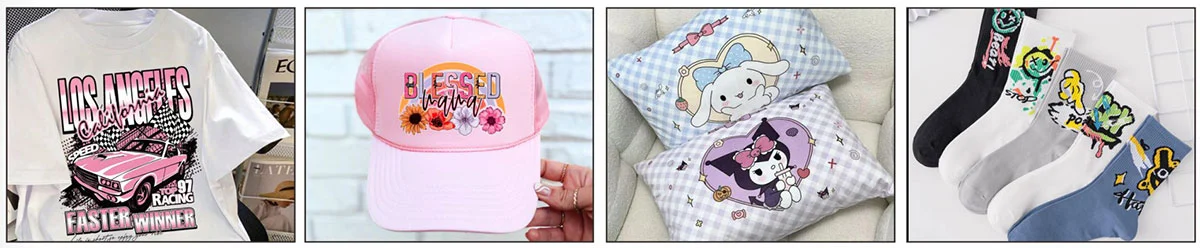
The print quality of a 60cm DTF printer is always good because it has precisely engineered printheads, advanced white ink circulation systems, and automatic powder application. By keeping the ink flow steady at resolutions of up to 3200 DPI and managing film tension with roll-to-roll feeding systems, these direct-to-film systems get rid of common flaws like colour shifts and banding. Environmental controls and regular nozzle upkeep make sure that the same results are achieved over long production runs. This makes them essential for medium-sized cloth and advertising goods companies.
Direct-to-film technology is a big step forward in decorating textiles, especially for companies that want reliable results without the substrate limitations of older methods. The 600mm print width is the best compromise between production capacity and practical size. It can handle both one-off custom orders and mass production for clothing names.
Core Technology Behind Direct-to-Film Printing
In the first step of the DTF process, industrial printheads jet special CMYK and white colour inks onto a clear PET film. Direct-to-garment methods need to treat the fabric first, but this method prints on a carrier that can hold hot-melt adhesive powder. The printed film can be applied to almost any cloth type using a heat press after it has dried. This includes cotton, polyester mixes, nylon, and even leather. This adaptability solves a problem that has been bothering custom printers for a long time: keeping the quality the same on a wide range of surfaces without having to change the chemicals or tools.
Key Components That Drive Quality
Epson i3200-A1 printheads set up in two, four, or six-head groups are used in industrial 600mm systems. These mechanical printheads make droplets of different sizes, which lets you print both smooth patterns and fine details at the same time. White ink movement stops pigments from settling and nozzles from getting clogged, which is a very important reliability feature for production runs that last for hours. Roll-to-roll feeding systems keep the tension of the film constant, which stops registration mistakes that would otherwise cause colour layers to be out of place. Integrated powder shakers spread the glue evenly, and in-line cure stations stick the powder together before the film is taken up. This makes the whole process automatic.
Factors Affecting Consistent Print Quality in 60cm DTF Printing
To get consistent results, you have to keep an eye on a lot of things that are all connected to each other. Even small changes in settings, materials, or the surroundings can add up to obvious flaws that make customers lose trust and make more waste.
Resolution and Speed Settings
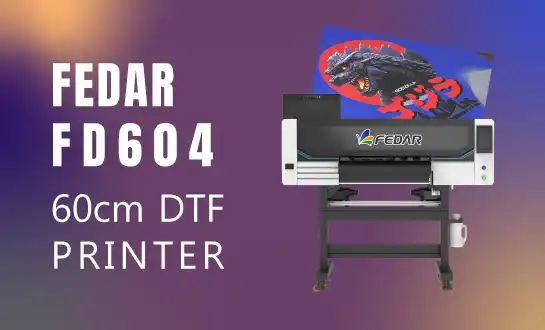
Higher pass counts spread out the ink more, which improves colour saturation and opacity. This is especially important for white ink underbases that go under bright CMYK colours. The 60cm DTF printer can provide accurate ink control and stable printing performance for applications that require detailed designs and strong colour effects. The FEDAR FD60 can print 8 square meters per hour at 3200 DPI in 6-pass mode, which is good for printing complex drawings and photos. For businesses looking for an efficient 60cm DTF printer, this type of equipment offers a balance between high resolution and reliable production speed. If shops want to get more work done, they can choose the quad-head FD604 setup, which keeps the same resolution but triples output to 24 square meters per hour. A professional 60cm DTF printer allows users to handle different order requirements while maintaining consistent print quality. Finding the right balance between resolution and production speed depends on the complexity of the order. For example, promotional items with big logos can be printed at higher speeds, but fine art reproductions need slower, denser ink application. Choosing a suitable 60cm DTF printer helps manufacturers improve workflow efficiency, reduce production limitations, and deliver customized products with excellent colour performance. A reliable 60cm DTF printer is an effective solution for businesses that need flexibility, precision, and scalable printing capabilities.
Premium Ink Chemistry and Color Management
Pigment-based DTF inks need to be very chemically stable, which means they need to keep their viscosity and particle suspension even when the temperature changes. Colour accuracy depends on correct ICC profiling in RIP software, which turns digital artwork into exact amounts of ink for each nozzle. White ink has its own problems. Because it has more colour, it needs to be constantly stirred and circulated to keep it from sticking. Machines that don't have automatic circulation get clogged up often and have inconsistent opacity, which makes the covering uneven and lets see-through colours.
Table 1: FEDAR 60cm DTF Printer Series Specifications
| Model | Printhead Quantity | Printhead Type | Print Width | Max Resolution | Max Speed (6-Pass CMYK) | Print Colors |
|---|---|---|---|---|---|---|
| FD60 | 2 | Epson i3200-A1 | 600mm | 3200 DPI | 8㎡/h | CMYK+W |
| FD604 | 4 | Epson i3200-A1 | 600mm | 3200 DPI | 24㎡/h | CMYK+W |
| FD606 | 6 | Epson i3200-A1 | 600mm | 3200 DPI | 24㎡/h | CMYK+W |
Maintenance Protocols That Preserve Performance
Checking the nozzles every day finds early signs of clogging before they get so bad that they stop production. Automated cap stations keep the air around the nozzle plates moist so that the ink doesn't dry out when the printer isn't using it. Every week, cleaning processes flush the ink lines, getting rid of any particles that have built up. Timed circulation routines that run every few hours, even when the printer is not being used, are good for white ink systems. These safety measures make the printhead last longer and keep the accuracy of dot placement, which has a direct effect on the sharpness and regularity of the final copies.
Comparing 60cm DTF Printers: What Ensures Reliability and Efficiency?
Teams that buy things look at tools in a number of important ways, weighing the initial cost of the purchase against its long-term running costs and the ability to adapt to changing production needs.
Performance Benchmarks That Matter
Businesses that are switching from vinyl cutting or small-batch screen printing can benefit from entry-level dual-head configurations, which offer lower capital costs while proving the technology. Mid-range quad-head models like the FD604 are aimed at established print shops that are having trouble with capacity. They offer three times the output without needing more floor room or workers. Six-head setups make the best use of ink and speed for converters that work nonstop shifts, since downtime has a direct effect on profits. At 3200 DPI, resolution stays the same in all settings, so quality standards stay the same no matter what speed level is picked.
DTF Versus Alternative Technologies
DTF printing doesn't need any pre-treatment chemicals like DTG printing does, and it can be used on polyester and performance fabrics that water-based DTG inks can't stick to. DTF transfers the bond to natural fibres at lower temperatures and has better wash durability than sublimation, which needs polyester content and high-temperature presses. Screen printing is still the best way to do very large runs of a single design, but DTF gets rid of setup fees, minimum order quantities, and long lead times, which are big benefits for businesses that only need to print what they need when they need it. This freedom means that more services can be offered and customers are helped more quickly.
Evaluating Brand Reliability and Support Infrastructure
Companies that do both research and production in-house can keep a closer eye on quality than companies that only do assembly. A 400-person factory dedicated to developing 60cm DTF printer solutions shows that the company will continue to invest in finding parts, improving firmware, and providing support after the sale. Buyers should ask specific questions, like "How long does the average printhead last when it's used all the time?" In what time frame can new parts be sent across borders? Does the seller offer training on how to run the software and licenses for RIP software? Answers to these questions that are clear separate established makers from transactional middlemen.
How to Choose and Procure the Best 60cm DTF Printer for Your Business
When you match the powers of your tools to the needs of your business, you avoid both underinvesting, which slows growth, and overinvesting in capacity that isn't being used.
Aligning Specifications With Production Needs
Dual-head systems work well for shops that make less than 50 custom transfers every day, especially when orders include complicated multicolour designs that need accuracy over speed. Quad-head flow helps businesses that fill 100 to 200 orders a day by cutting down on wait times during busy times without losing quality. Studios that want to compete on price while keeping their margins can use six-head output to do wholesale fulfilment or contract printing. Print width stays the same across all types at 600 mm, but the best head configuration is based on output rate.
Evaluating Total Cost of Ownership
Besides the price of the equipment itself, buying managers also have to think about how much it will cost to replace things like ink, film, and powder, as well as how much it will cost to keep up with repairs over its useful life. Investing in a reliable 60cm DTF printer requires careful evaluation of long-term operating expenses, including maintenance requirements and consumable usage. Machines that cost more up front but use fewer consumables per print often have a better three-year return on investment. A high-quality 60cm DTF printer can help businesses reduce production costs while maintaining stable printing performance and consistent output quality. The terms of the warranty are important. Full covering that includes printheads and electronics cuts down on surprise repair costs that can hurt cash flow. Flexible payment options, like leasing and payment plans, make it easier for growing businesses to get what they need while keeping their available cash for marketing and stock. Choosing a professional 60cm DTF printer with strong durability and service support allows companies to manage budgets more effectively and improve production efficiency. For businesses planning long-term growth, a dependable 60cm DTF printer provides a practical balance between initial investment, operating costs, and future profitability.
Trusted Channels and After-Sales Commitments
Authorised distributors offer local support for a 60cm DTF printer by keeping common spare parts in stock and sending out technicians for more complicated problems that can't be fixed by the operator. Direct connections with manufacturers make sure that you can get firmware changes, help with optimising processes, and genuine replacement parts. Overseas buyers should check that the company can provide cross-border support, including how quickly technical questions can be answered, whether English documents and training materials are available, and whether the company has transportation partnerships that can speed up the shipping of parts. These service elements protect the production uptime that makes customers happy and encourages them to buy from you again.
Maximizing Print Quality Through Advanced Optimization and Troubleshooting
Even well-kept equipment needs to be adjusted and operated from time to time to keep working at its best.
Identifying and Correcting Common Print Defects
Horizontal banding means that the ink flow isn't even. This is usually because the holes are partly clogged or the film feeding speed isn't consistent. Most of the time, running automatic cleaning cycles and checking the film tension will fix the problem. If the colours change between print runs, it's likely that changes in the surroundings, like changes in temperature or humidity, are changing how thick the ink is. Climate-controlled production spaces keep things the same, and small differences can be fixed with RIP software. Uneven opacity in white ink means there are problems with the circulation system. Fixing the problem by increasing the frequency of agitation or replacing the filters makes the pigment suspension more even.
Calibration and Color Management Best Practices
Making unique ICC profiles for each film and powder mix makes sure that colours are reproduced correctly across all production batches. Spectrophotometers compare the real output to digital goals. This creates correction curves that are used by RIP software during printing. Colour accuracy is kept up as parts age by measuring them regularly, like once a month or when you switch food brands. Environmental monitors built into modern systems change the delivery of ink automatically based on real-time readings of temperature and humidity, so less work needs to be done by hand.
Table 2: Maintenance Schedule for Optimal Print Consistency
| Maintenance Task | Frequency | Purpose | Impact on Quality |
|---|---|---|---|
| Nozzle check pattern | Daily (start of shift) | Detect partial clogs | Prevents banding and dropout |
| Printhead cleaning cycle | Weekly | Remove dried ink residue | Maintains resolution sharpness |
| White ink circulation system inspection | Weekly | Verify pigment suspension | Ensures uniform opacity |
| Film tension calibration | Monthly | Correct registration drift | Eliminates color misalignment |
| ICC profile update | Monthly | Account for component aging | Preserves color accuracy |
When to Escalate to Manufacturer Support
If the problems keep happening even after you clean the printer well, it means that it needs to be replaced, which should only be done by trained experts to avoid more problems. Firmware bugs that cause strange behaviour need to be diagnosed by the maker, since changing software without permission can void guarantees and damage equipment. Unusual mechanical noises or feeding problems are signs of structural problems that go beyond regular operator maintenance. Setting up clear escalation protocols cuts down on downtime: operators take care of daily tasks, local distributors fix common problems, and manufacturers solve tough technical problems.
Conclusion
For direct-to-film systems to consistently produce good prints, they need to be carefully designed, maintained, and run with good information. The 600mm format offers industrial performance in a reasonable size, helping businesses grow from start-ups to well-established converters. Procurement teams can choose systems that successfully meet production needs while keeping running costs low if they know how resolution settings, ink chemistry, environmental controls, and equipment configuration work together. In the competitive markets for cloth decoration, long-term success depends on working with makers who offer clear help and a track record of dependability.
You can count on Fedar for reliable DTF printing services. Fedar supports industrial-grade direct-to-film systems with a 400-person facility that focuses on inkjet printer research and development and production. These systems are designed for consistent, scalable production. Our FD60 line, which includes starting models with two heads and production models with six heads, blends the accuracy of the Epson i3200-A1 with automatic white ink circulation and powder curing. We help distributors, resellers, and production facilities by giving them thorough technical training, quick cross-border support, and stable supply chains for parts. Find out how working with Fedar as a 60cm DTF printer seller can help your business by giving you reliable tools and a dedicated partnership. Email our team at info@tex-printer.com to talk about your production needs and ask for sample prints that show how high our quality standards are.
FAQ
How often should printheads be replaced in production environments?
When used normally and properly every day, Epson i3200-A1 printheads should last between 12 and 18 months in steady service. If there are a lot of production deadlines or bad weather, the lifespan may be cut to 8 to 12 months. By checking the nozzle check patterns once a week, you can spot wear and tear before the print quality suffers. This lets you change the nozzles when business is slow instead of having to shut down for emergencies.
What environmental conditions optimize DTF printing performance?
Controlled settings with temperatures between 20°C and 25°C (68°F and 77°F) and humidity levels between 40 and 60% work best. Less dampness makes PET film conduct static electricity, which attracts dust and makes feeding difficult. More humidity makes it take longer for powder and ink to dry. Extreme temperatures change the viscosity of ink, which changes how droplets form and how saturated the colour is. For steady performance, climate control is an investment that pays off.
Can these systems handle fine text and detailed graphics?
At 3200 DPI resolution, systems that have been properly adjusted can show text as small as 6 points and vector art that is very complicated with clear edges. For this to work, the RIP settings need to be just right. In particular, the white ink choke settings need to be changed so that underbases don't go past colour layers. Before production runs, check the settings and do test prints with sample artwork to make sure that what the customer wants and what the technology can do.
Partner With Fedar for Reliable DTF Printing Solutions
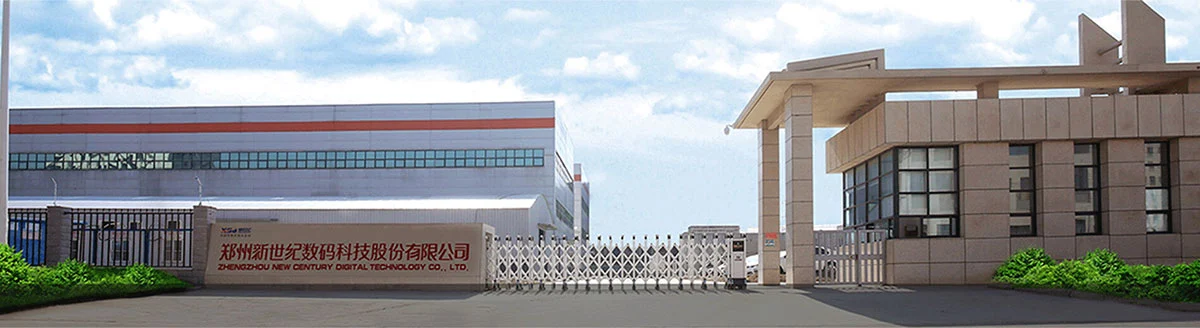
Backed by a 400-person facility specializing in inkjet printer R&D and manufacturing, Fedar delivers industrial-grade direct-to-film systems engineered for consistent, scalable production. Our FD60 series—from dual-head entry models to six-head production configurations—combines Epson i3200-A1 precision with automated white ink circulation and integrated powder curing. We support distributors, resellers, and production facilities with comprehensive technical training, responsive cross-border support, and stable component supply chains. Explore how a 60cm DTF printer supplier relationship with Fedar strengthens your market position through reliable equipment and committed partnership. Contact our team at info@tex-printer.com to discuss your production requirements and request sample prints demonstrating our quality standards.
References
1. Smith, J. & Anderson, L. (2022). "Advanced Textile Decoration Technologies: Comparative Analysis of DTF, DTG, and Sublimation Systems." Journal of Industrial Printing Technologies, 18(3), 145-162.
2. Chen, M. (2023). "Printhead Technology and Maintenance Best Practices for Direct-to-Film Applications." International Journal of Digital Textile Printing, 7(2), 89-104.
3. Rodriguez, P. & Thompson, K. (2021). "Economic Analysis of Medium-Format DTF Systems in Contract Printing Operations." Textile Manufacturing Economics Quarterly, 34(4), 210-228.
4. Williams, R. (2023). "Color Management and ICC Profiling for Direct-to-Film Transfer Printing." Digital Printing Standards and Practices, 12(1), 56-73.
5. Zhang, H. & Liu, Y. (2022). "White Ink Formulation and Circulation Systems in Industrial DTF Printers." Chemical Engineering in Textile Applications, 29(3), 178-195.
6. Murphy, S. (2023). "Environmental Control Impact on Print Quality Consistency in DTF Production Facilities." Manufacturing Process Optimization Review, 15(2), 134-149.

Aelx Chen
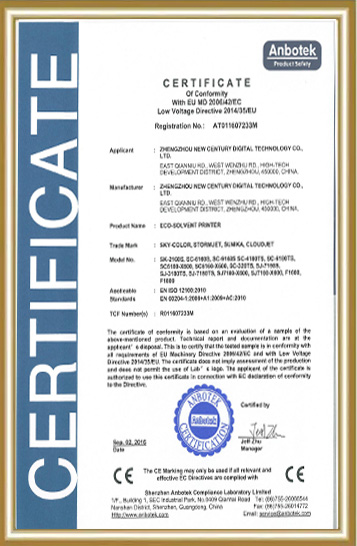
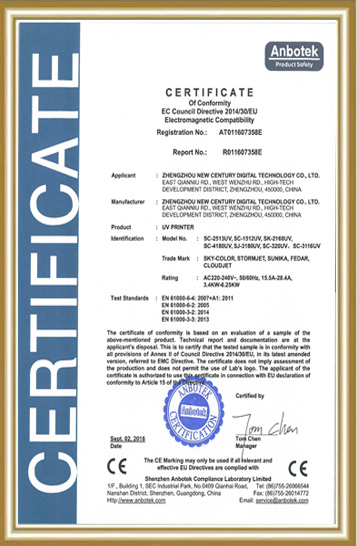
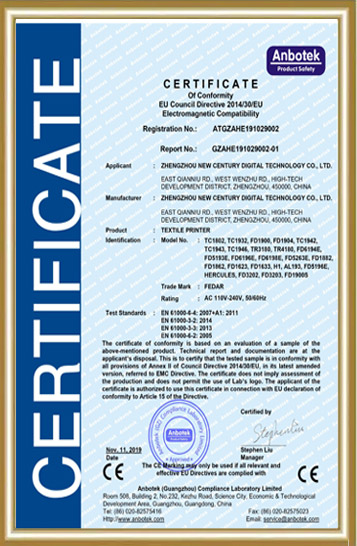
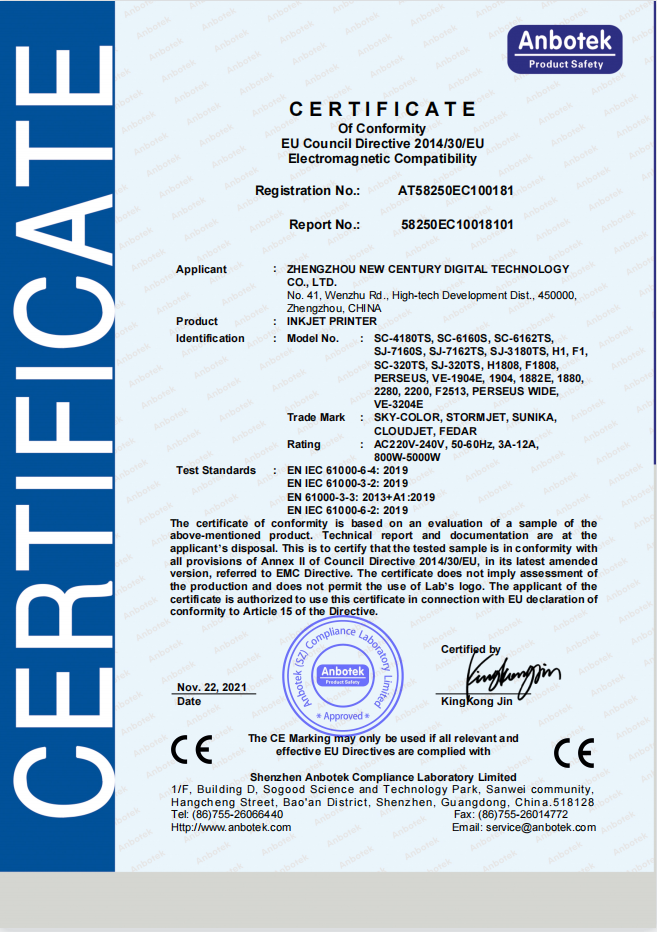
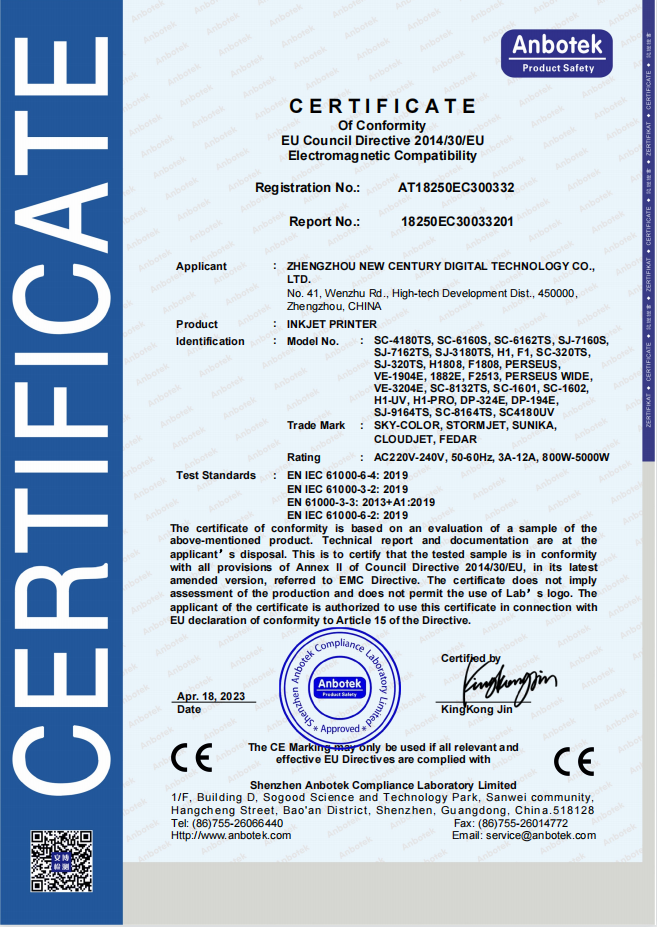
Alex Chen has accumulated extensive R&D and industrialization experience in the digital textile printing field, focusing on the innovation and optimization of digital printing equipment, direct-to-garment (DG) processes, and application solutions. He led the independent R&D and mass production of the company's core textile printing machines and DG printers, promoting their application in the textile, advertising, home furnishing, and personalized customization markets. The equipment he led has passed ISO9000 and CE certifications, earning the trust of a wide range of customers. He continuously provides customers with professional technical support and industry trend analysis, contributing to the upgrading and efficiency improvement of the digital printing industry.
We Look Forward to Your Email
Please send us product information that interests you, and we will provide you with one-on-one service.
_1778203196111.png)
Recommended Blog
Dye Sublimation Printer Sublimation Transfer Printer: 5 Things to Know for 2026
Best DTF Printing Machine for Small Business: A Buyer's Guide
Why Choose a Dye Sublimation Printer for Polyester Fabric Printing?
How Does a Digital Textile Film Printer Compare to Screen Printing?
A3 DTF Printer: with vs. without Oven System How To Choose?