What Is a Sublimation Printer? A Beginner’s Guide to Specialized Print Technology
What Is a Sublimation Printer? A Beginner’s Guide to Specialized Print Technology
Understanding Sublimation Printers: Technology and Applications
- Understanding Sublimation Printers: Technology and Applications
- Sublimation Printer Types & Market Overview for Businesses
- Maintenance and Troubleshooting: Ensuring Smooth Operation
- How to Choose the Right Sublimation Printer for Your Business
- Conclusion
- FAQ
- Building Reliable Supply Partnerships for Digital Printing
- References
A sublimation printer is a specialized digital printing device that uses heat-sensitive dye inks to transfer vivid, full-color images onto polyester and polymer-coated substrates. Unlike direct inkjet systems that deposit ink onto a surface, this technology relies on a chemical process called sublimation—solid dye transforms directly into gas without passing through a liquid state, then bonds permanently with synthetic fibers. For B2B agents, factory owners, and procurement managers across textile printing, advertising signage, gift customization, and home furnishings markets, understanding how a sublimation printer works is the first step toward selecting equipment that delivers high durability, wash resistance, and continuous tone photo quality. This guide breaks down the technology, compares commercial models from Fedar, and addresses the supply and service concerns that drive real purchasing decisions.
Understanding Sublimation Printers: Technology and Applications
What Is a Sublimation Printer, Exactly?
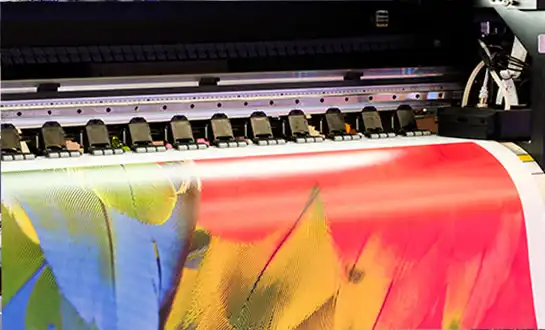
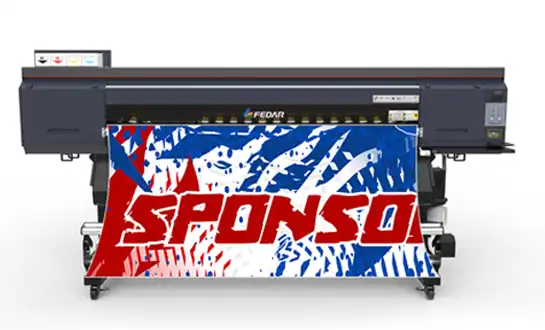
A sublimation printer is a wide-format digital printer engineered to output designs onto transfer paper using sublimation dyes. Once printed, the image is placed against a polyester or polymer-coated material inside a heat press. At temperatures near 200°C, the dye converts to gas and penetrates the substrate. When it cools, the dye locks into the fibers permanently. The result is a continuous-tone photo-quality image with vivid full-color output that will not crack, peel, or fade under repeated washing.
This process requires three components working together: the printer, compatible sublimation ink, and a heat press. The printer itself does not apply ink directly to the final product. Instead, it creates the intermediate transfer paper that makes the chemical bond possible. That distinction matters for buyers who expect direct-to-fabric results without an additional press step.
How Does Heat-Transfer Chemistry Work?
Sublimation dye particles are suspended in a liquid carrier that passes through high-precision printheads. Fedar models use Epson l3200-A1 printheads, which deliver droplets with extreme accuracy. Once the image is printed on coated transfer paper, heat and pressure open the polymer pores in the target material. The dye gas enters those pores. When the temperature drops, the pores close and trap the color inside.
Because the dye becomes part of the material rather than sitting on top, the print shows high durability and wash resistance. You can stretch, wash, and expose the finished item to sunlight without seeing surface degradation. This is why sublimation printer output is preferred for sportswear, home textiles, and promotional gifts that must survive real-world use.
Where Sublimation Technology Creates Real Value
The technology fits any industry that needs custom graphics on synthetic or coated surfaces. In textile and apparel printing, it produces all-over jersey patterns, cycling kits, and fashion accessories with continuous tone gradients. Home textile and soft furnishing studios use it for cushion covers, curtains, and upholstered panels that require both design freedom and laundry durability. Advertising signage shops apply it to polyester banners and display fabrics that need to stay bright under outdoor light.
Gift customization studios rely on on-demand printing capability to run single pieces or small batches without setup costs. Packaging printers use polymer-coated boards to create premium retail boxes with photographic imagery. Digital printing factories serving multiple verticals value the same core feature: a sublimation printer lets them switch jobs quickly without screen-making or plate-change delays.
The Heat Press Requirement Most Buyers Miss
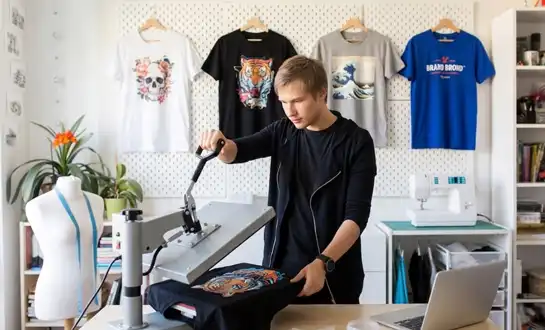
Many beginners assume a sublimation printer completes the job alone. It does not. The transfer requires a dedicated heat press to apply consistent temperature and pressure. Without this second device, the dye will not sublimate properly, and the image will wash away or appear dull.
For agents evaluating customer needs, this means every sale should include or reference a heat press recommendation. It also explains why on-demand printing capability is tied directly to the press speed and size, not just the printer speed. Buyers who understand this pairing avoid the common frustration of beautiful prints that fail after the first wash.
Sublimation Printer Types & Market Overview for Businesses
Which Fedar Sublimation Printer Fits Your Output Scale?
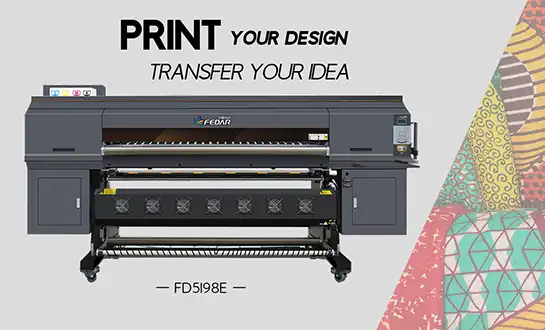
Fedar produces a range of sublimation printer models built around the same Epson L3200-A1 printhead architecture but scaled to different production volumes. The FD6198E, FD6198E-A, and FD5198E all feature eight printheads, a 1900mm print width, CMYK plus four additional colors, 3200 DPI maximum resolution, and a one-pass speed near 370 m/h. These units suit medium-to-large factories that need consistent throughput for apparel rolls and signage banners.
The FD1900 uses two printheads across the same 1900mm width, delivering 70 m²/h at three-pass quality. This model works well for smaller studios or agents building a customer base where volume is still growing. At the high-capacity end, the FD7428E uses eight printheads across a 4200mm width with a one-pass speed of 440 m²/h, designed for large brand factories running continuous production. The FD5328E offers 3200mm width with 420 m/h at one pass, while the FD5194E runs four printheads at 180 m²/h in two-pass mode for operations that prioritize quality over raw speed.
Comparing Print Width, Speed, and Printhead Configurations
When you compare specifications, the numbers translate directly into labor and floor-space planning. A 4200mm machine like the FD7428E lets a single operator manage wider rolls with fewer loading cycles. That reduces downtime per shift. A 1900mm unit fits smaller factories where ceiling height or aisle width is limited.
Printhead quantity affects both speed and color consistency. More printheads distribute ink faster, reducing the number of passes needed for full saturation. The 3200 DPI maximum resolution across the Fedar range ensures that fine patterns, small text, and photographic gradients reproduce sharply. For agents demonstrating sample quality to end customers, that resolution is what turns a printed proof into a signed order.
Material Limitations and Ink Compatibility
A sublimation printer works only on polyester and polymer-coated materials. Cotton, natural silk without coating, and untreated paper will not accept sublimation dye because they lack the polymer pores required for gas bonding. This is not a limitation of the printer; it is a chemical boundary of the process itself.
Agents should explain this clearly to end users. A customer who tries to print on pure cotton will see the image wash away immediately. By setting correct expectations during the sales process, you protect your reputation and reduce the return requests that damage agent-customer trust. The vivid full-color output you promise depends entirely on matching the right substrate to the right ink and heat profile.
Maintenance and Troubleshooting: Ensuring Smooth Operation
Daily Maintenance Routines That Protect Your Investment
A sublimation printer is a precision instrument, not a set-it-and-forget-it appliance. Daily cleaning of the printhead surface prevents dye buildup that causes banding. Weekly nozzle checks using the built-in print pattern reveal clogged channels before they ruin a full production run. The ink lines should stay sealed when the machine is idle for more than 24 hours to prevent air bubbles.
These routines take minutes, not hours. For a medium-sized printing factory running two shifts, assigning one technician to a morning checklist prevents the costly downtime of emergency repairs. The stable supply of core components in Fedar systems means replacement parts are available without long cross-border waits, which addresses one of the most common pain points for international agents: no installation, repair, or spare parts support for cross-border business.
Troubleshooting Color Drift and Nozzle Blockage
Color drift usually points to one of three causes: expired or incompatible ink, incorrect ICC profile settings, or humidity fluctuations in the print environment. Start by confirming the ink batch matches the printer profile. Replace the profile if you have switched substrate suppliers. For nozzle blockage, run an automated cleaning cycle. If lines remain broken, a manual wipe with a lint-free swab and approved cleaning solution usually restores flow.
I recommend keeping a printed log of each cleaning event. When end customers ask about sample reproducibility, that log proves your process is controlled. For agents, consistent documentation is a sales tool. It demonstrates that your factory qualification and quality control extend beyond the machine itself to the operational environment.
Cross-Border After-Sales: Why Spare Parts Access Closes Deals
Many procurement managers hesitate to sign with overseas suppliers because they fear slow after-sales response. A broken printhead or a worn capping station in a remote market can halt production for weeks if parts must ship from another continent.
Fedar supports this concern with a 400-person factory specializing in original R&D and production with strict quality control, deeply rooted in the inkjet printer market. The company serves global customers through flexible cooperation models, including rapid spare parts dispatch and remote technical guidance. For agents building businesses in Europe, Southeast Asia, the Middle East, or South America, that infrastructure converts a risky cross-border purchase into a manageable supply relationship.
How to Choose the Right Sublimation Printer for Your Business
Matching Equipment Specs to Your Production Volume
Consider the print colors required too. Standard CMYK covers most apparel and signage work. CMYK plus four additional colors expands the gamut for skin tones, deep reds, and corporate brand colors that standard four-color sets reproduce poorly. If your target market includes luxury fashion or precise brand replication, the expanded color configuration pays for itself in reduced proofing cycles.
Evaluating Factory Qualifications and Sample Reproducibility
Every agent needs samples that convert prospects. Unstable sample quality makes it hard to convert end customers because buyers cannot trust that the production run will match the proof. Before committing to any supplier, request reproducible samples printed on your intended substrates using your standard heat profile.
Fedar provides sample kits that match the factory’s own quality control protocols. Because the factory manages original R&D rather than assembling third-party kits, the samples reflect actual production conditions, not laboratory exceptions. That alignment is one of the key factors in agent cooperation decisions.
Agent Profit Models and Market Protection Policies
Competition in digital printing equipment is intense. Agents need pricing structures that leave room for service revenue, not just equipment markup. Ask potential suppliers about regional market protection, minimum advertised pricing, and whether technical training and marketing materials are included.
Fedar supports agent partnerships with documented pricing frameworks, installation support documentation, and training resources that reduce the learning curve for new staff. For procurement managers comparing suppliers, these elements are as important as the machine specifications because they determine whether the agent can provide the local after-sales service that keeps end customers satisfied.
Technical Training and Marketing Support for Distributors
A sublimation printer sale is rarely a single transaction. It starts a relationship that includes ink replenishment, maintenance contracts, and future equipment upgrades. Suppliers who offer technical training help agents answer customer questions confidently. Marketing support—specification sheets, comparison charts, and verified sample photos—shortens the sales cycle.
The factory’s strong after-sales support team provides installation guidance and repair documentation in multiple languages. That capability is critical for agents serving multilingual markets across South America, Southeast Asia, and Africa. When an end customer knows their agent has direct factory backing, the purchase feels safer, and repeat orders become more likely.
Conclusion
A sublimation printer transforms how textile, signage, gift, and packaging businesses produce custom work. By using heat-sensitive dye to bond color permanently into polyester and polymer-coated materials, it delivers high durability and wash resistance with continuous-tone photo quality. The process requires a heat press, compatible substrates, and disciplined daily maintenance. Choosing the right model—whether the compact FD1900 for growing studios or the high-capacity FD7428E for industrial factories—depends on matching print width, speed, and printhead configuration to your real production volume.
For agents and procurement managers, the equipment decision extends beyond specifications. Factory qualifications, reproducible sample support, spare parts availability, and technical training determine whether a cross-border supply relationship succeeds. Fedar operates a 400-person factory with strict quality control, original R&D capabilities, and global service infrastructure designed for flexible cooperation. If you are evaluating suppliers for a sublimation printer for sale, comparing sample outputs, or planning market entry with reliable after-sales backing, I encourage direct conversation.
FAQ
What substrates work with a sublimation printer?
A sublimation printer requires polyester fabrics or hard surfaces with a polymer coating. Cotton, untreated wood, and standard paper will not accept sublimation dye. Always verify substrate compatibility before promising delivery timelines.
How long does a sublimation print last?
Under normal wear and washing conditions, sublimation prints maintain vivid full-color output for years. Because the dye bonds inside the material rather than sitting on top, it resists cracking, peeling, and fading from sunlight or laundry cycles.
Do I need special software to operate a Fedar sublimation printer?
Most Fedar units run with standard RIP software that manages color profiles and print queue settings. Technical training and setup guides are available through the factory support team to help new operators configure ICC profiles for different substrates.
What maintenance schedule prevents nozzle blockage?
Run a nozzle check every morning. Clean the printhead surface weekly. Flush the ink lines monthly if production pauses exceed several days. This schedule protects the precision of the Epson L3200-A1 printheads and maintains consistent output.
Can a sublimation printer handle packaging materials?
Yes, as long as the substrate carries a polymer coating. Many premium retail packaging boards and gift boxes use coated surfaces specifically for sublimation transfer. Confirm the coating type with your substrate supplier before testing.
How does Fedar support agents after installation?
Fedar provides remote technical guidance, spare parts logistics, installation documentation, and marketing materials. The 400-person factory maintains strict quality control and adapts cooperation models to regional needs, including sample kits that help agents close sales with reproducible results.
Building Reliable Supply Partnerships for Digital Printing
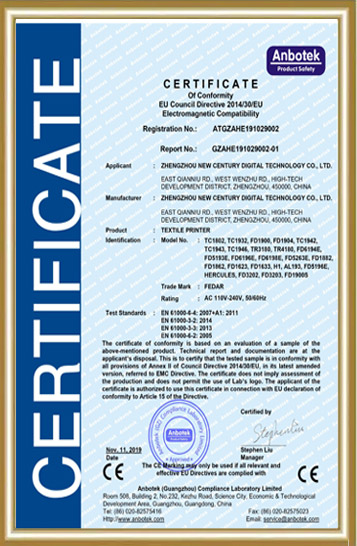
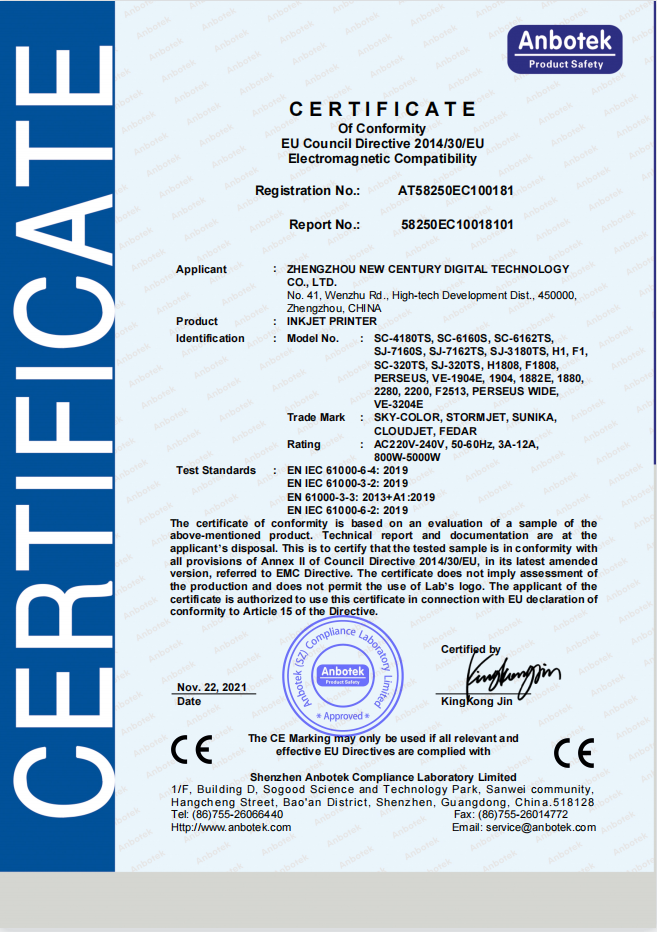
For procurement managers comparing supplier reliability across global markets, the difference between a successful rollout and a stalled project often comes down to documentation and response speed. I recommend requesting factory qualification certificates, sample reproducibility records, and a clear spare parts price list before signing any agreement.
When you work with a manufacturer that controls original R&D and maintains stable core component supply, you reduce the risk of sudden specification changes or parts shortages. Fedar’s structure supports this stability. The company serves global customers through flexible cooperation models that include DDP shipping options, consolidated container shipments, and cross-border repair guidance.
If your business is evaluating a sublimation printer manufacturer with verified production capability, consistent sample output, and responsive technical support, the next practical step is direct testing. Reach out with your substrate samples and volume targets. A reliable supplier will return data, not promises.
Email info@tex-printer.com with your market region, intended application, and sample requirements. Our technical sales team will match your needs to the correct Fedar configuration and provide verifiable production references.
References
1. Grand View Research (2023), Digital Printing Market Size, Share & Trends Analysis Report, https://www.grandviewresearch.com/industry-analysis/digital-printing-market
2. Market Research Future (2024), Sublimation Printing Market Research Report, https://www.marketresearchfuture.com/reports/sublimation-printing-market-10892
3. FESPA (2024), Global Print Expo and Industry Standards, https://www.fespa.com/
4. Epson Global (2024), PrecisionCore Printhead Technology Overview, https://global.epson.com/innovation/precisioncore.html
5. Fedar / blog.tex-printer.com, Technical Specifications and Product Verification, https://blog.tex-printer.com/
6. Textile World (2023), Digital Textile Printing Trends and Technology Updates, https://www.textileworld.com/

Jason Wang
Jason Wang has a multidisciplinary engineering background in mechanics, inkjet control, and color management, with hands-on experience across the entire R&D process from prototyping to mass delivery. Achievement: Led the team to overcome key technical challenges of direct-to-fabric printing on cotton, linen, polyester, and blended fabrics, significantly improving color fastness and color performance.
We Look Forward to Your Email
Please send us product information that interests you, and we will provide you with one-on-one service.




_1778203196111.png)
Recommended Blog
How to Choose the Right DTF Printing Machine for Your Business?
A3 DTF Printer: with vs. without Oven System How To Choose?


Is the DTF Printer 60cm suitable for small - scale businesses?