Unlock New Creative Potential with Dye-Sublimation Printing
Understanding Dye Sublimation Printing Technology
- Understanding Dye Sublimation Printing Technology
- Comparing Dye Sublimation Printers and Other Technologies
- How to Choose the Ideal Sublimation Printer for Your Business
- Maintaining and Optimizing Your Sublimation Printing Workflow
- Procurement Guidance: Where and How to Buy Sublimation Printers
- Conclusion
- FAQ
- Partner with a Trusted Dye Sublimation Printer Manufacturer
- References
Businesses are changing how they customize things in the clothing, signage, and advertising product industries with dye-sublimation printing. On the other hand, a dye sublimation printer sublimation transfer printer, uses heat and pressure to attach dye molecules directly to polyester strands or surfaces that are coated with polymers. This makes prints that last a long time, don't fade when washed, and are very bright. These are all important qualities for brands and resellers who want to stand out in crowded markets. If you run a digital printing company, a textile factory, or a business that sells tools, learning about this technology can help you make more money and be more creative.
Understanding Dye Sublimation Printing Technology
What Makes This Technology Unique?
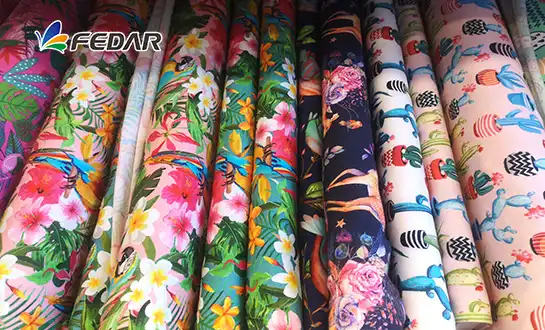
A change from a solid to a gas is what makes sublimation printing work. First, precise printheads are used to print special sublimated colors onto transfer paper. Putting these inks through a heat press at temperatures between 180°C and 210°C makes them turn into gases that soak through polyester or polymer-coated materials. This creates a strong link so that the picture is permanently attached to the substrate and not just on top of it.
Several big problems in the printing business are effectively solved by using a dye sublimation printer sublimation transfer printer. Traditional screen printing often struggles with photographic designs and small production runs because of its high setup requirements. Direct-to-garment printing methods can leave a noticeable texture on the fabric, reducing the comfort of performance garments. In contrast, a dye sublimation printer sublimation transfer printer produces continuous-tone photographic quality with prints that have no noticeable hand feel while maintaining the fabric’s breathability, making this process ideal for high-performance apparel and soft signage applications.
Source: FEDAR PRINTER
Core Components and Workflow Optimization
There are three main parts of a professional sublimation system: a printer with industrial-grade piezo-electric printheads, sublimation transfer paper that can handle different amounts of ink without cockling, and a heat press that has been calibrated to evenly distribute temperature and pressure. To improve productivity and keep quality high, it's important to know how these parts work together.
Advanced tension control systems are built into modern industrial units like the Fedar FD series to keep thin transfer papers from getting wrinkled during high-speed printing. Integrated drying systems, which are usually infrared or fan-based, make sure the paper is dry when it comes out of the printer, which stops ghosting or ink movement during storage. These improvements to engineering directly address the worries about reliability that purchasing managers have when they are looking at equipment sellers.
Versatility Across Materials and Applications
Even though polyester content or polymer coats are needed for sublimation to work, this makes it possible for a wide range of uses. Bright colors that don't fade when exposed to UV light are good for soft fabrics like shirts, flags, and home textiles. Aluminum panels, ceramic tiles, and hardboards are some examples of rigid materials that can get finishes that won't scratch. These finishes are good for building signs and high-end photography products.
Small companies and online sellers can now offer customization services that were once only available from big manufacturers by using dye sublimation printer sublimation transfer printer technology to print on demand without a minimum order quantity. This gives agent partners who want to serve niche markets or test new product lines the flexibility to expand their businesses without committing to large inventories.
Comparing Dye Sublimation Printers and Other Technologies
Sublimation Versus Traditional Inkjet Systems
Dye sublimation printer sublimation transfer printer technology uses a similar printhead system to some inkjet printers, which put ink on paper or fabric and allow it to dry through evaporation or absorption. However, the inks used in sublimation systems are chemically different and are designed for gas-phase transfer. The results are therefore very different: inkjet prints can still be damaged by water and wear, whereas sublimation produces images that can withstand hundreds of wash cycles without losing their quality.
Metrics for performance show another difference. Thanks to changeable droplet technology found in printheads like the Epson i3200-A1, sublimation is great at making pictures that look like photos. But because it can only print on certain materials, businesses have to keep polyester-heavy or carefully treated stock. Inkjet, on the other hand, can print on a wider range of substrates.
The Role of Heat Presses and Transfer Printers
People often get dye sublimation printer sublimation transfer printer systems mixed up. The image on the transfer paper is first printed using a dye sublimation printer sublimation transfer printer setup. The process is then completed by a heat press, which uses controlled heat and pressure to transfer the image onto the final product. These components work together closely—a misaligned heat press can ruin an otherwise perfect image by causing uneven color activation or incomplete transfer.
There are different kinds of production tasks that vinyl cuts and Direct to Film (DTF) tools can do. Vinyl is good for basic colors and easy designs, but it can't handle fine details like those in photographs. DTF lets you print on dark and cotton fabrics, but you need to add sticky layers that give the cloth texture. Sublimation is still the best way to print full-color images that last through multiple washes on materials that work with it. This is why it's the best choice for high-end clothing and promotional items.
Desktop Models Versus Industrial Solutions
People who make decisions have to weigh the practical scale against the investment. A dye sublimation printer sublimation transfer printer can be selected according to production needs: desktop models typically handle smaller sizes, usually less than 600 mm wide, making them suitable for small businesses or companies that produce custom gifts and limited-edition items. These units require less space and a lower initial investment, but they offer lower production capacity and narrower print widths.
Industrial types, like the Fedar FD3324E with its 3300mm print width and 24 Epson i3200-A1 printheads, are made to make a lot of textiles. These machines are used by companies and ad shops that need to meet tight deadlines for big orders. They can print 1080 square meters per hour at 3200 DPI resolution. As things get more complicated, they need trained workers and strict upkeep plans. But as the system gets bigger, it gets cheaper per unit, which means it makes more money.
How to Choose the Ideal Sublimation Printer for Your Business
Assessing Your Production Requirements
For buying to go well, you need to be clear on your unique use cases. Are you making promotional items with a polymer coating, organizing rolls of soft signage for trade shows, or making small runs of custom sportswear? Different situations need different print areas, speeds, and quality requirements.
When choosing a dye sublimation printer sublimation transfer printer, material suitability is not just about the amount of polyester. You should also consider whether the fabrics in your product line are delicate and require lower heat settings, or whether the surfaces are rigid and need special coating preparation. Print size requirements are another important factor. For example, wide-format printers allow you to produce seamless banners and large graphics, but they require more floor space and larger heat presses to complete the transfer process.
Key Evaluation Criteria
The print resolution of a dye sublimation printer sublimation transfer printer has a direct effect on how sharp and colorful the end picture is. Models with 3200 DPI can reproduce small details well enough for photographic results. Operating costs include more than just the price of the machine itself. They also include things like ink, transfer paper, and new printheads. When compared to cartridge-based options, suppliers that offer large ink systems greatly lower the cost of each print.
Trustworthiness of the supplier and assistance after the sale decide long-term satisfaction. If you don't get expert help right away when your equipment breaks down, it can stop work and hurt your relationships with clients. If you plan to do business abroad, make sure that the makers offer thorough training, easy access to spare parts, and quick cross-border support. These things are especially important for resellers and agents whose names depend on how reliable their equipment is.
Exploring Top Solutions in 2024
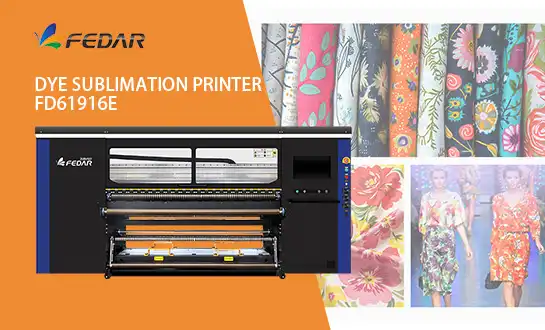
There are a few standout options on the market right now. Fedar's FD series has a number of types that can handle businesses of different sizes and provide industrial-grade performance. The FD1924 has 24 printheads spread out over a width of 1900 mm. It can print 960 square meters per hour, which is the perfect speed and accuracy for mid-sized companies that want to start customizing textiles. For those who need the most output, the FD2624E provides 1000 square meters per hour on a 2600mm platform, which can be used for big advertising campaigns and making textiles at home.
The FD61915E series is good for smaller businesses because it takes up less floor space while still providing excellent 3200 DPI resolution and 610 square meters per hour output. The Epson S3200 printheads in the FD1912S make it stand out. They can print up to 1100 square meters per hour, which is a useful feature when you need to meet tight deadlines for orders. CMYK configurations are used in all models to ensure correct color reproduction and make color control easier across a wide range of surfaces.
Maintaining and Optimizing Your Sublimation Printing Workflow
Practical Maintenance Strategies
Maintaining equipment regularly is important for making sure it lasts a long time and keeps producing high-quality work. Checking the nozzles every day stops banding, which is when fine horizontal lines show up because the printheads are jammed and ruin whole production runs. Even though automatic cleaning processes are helpful, the capping stations and wiper blades still need to be checked by hand to make sure that ink doesn't dry out and block the fine needle holes.
Managing ink means keeping an eye on how the thickness changes when the temperature changes. Keeping the environment stable—with temperatures between 20°C and 28°C and humidity levels between 40% and 60%—stops the static electricity that jams paper and the changes in thickness that make it hard for droplets to form. When makers release new software updates, they often include changes to the formulas that control the printhead. These updates make the equipment last longer and print more accurately.
Enhancing Efficiency Through Color Management
ICC profile calibration is needed to get accurate color printing on a range of transfer papers and media. These settings tell your printer how to read color data and make adjustments based on the ink and paper that are being used. By avoiding making changes by trial and error, regular profiling cuts down on the waste of ink and gives customers the color stability they expect when they place repeat orders.
Calibration of the heat press is also very important. Changes in temperature of only 10°C can change the brightness of colors and make transfers not work properly. Buy automatic thermometers and pressure gauges to make sure the settings are correct before starting production. By writing down the settings that work best for each material, you can make a reference library that speeds up setup and cuts down on the time needed to train new operators.
Quality Control Protocols for Consistent Results
Putting in place quality control measures in dye sublimation printer sublimation transfer printer production protects the image of the business and keeps customers happy. Delta E measures, which show how different colors are from each other, should stay between 1.5 and 2.0 for professional work. Testing the accuracy of media tracking over long runs makes sure that 50-meter rolls of fabric don't twist, which would throw off patterns and lose materials.
Tests of heat stability show that printed transfer paper can handle normal temperatures without losing its quality. Before committing resources to full production, problems can be found by doing sample copies and checking for sharpness, color shift, and complete ink sealing. These rules are especially important for agents and resellers whose clients rely on knowing what will happen so they can keep their promises.
Procurement Guidance: Where and How to Buy Sublimation Printers
Identifying Trusted Purchasing Channels
Building ties with official dealer networks and approved resellers is good for people who work in procurement. These partners sell original equipment that comes with maker warranties. This lowers the risk of getting fake parts or types that aren't supported. When you talk directly with manufacturers like Fedar, you can get better customization options, better deals on bulk purchases, and expert advice that is tailored to your unique production problems.
Third-party providers may have low prices, but make sure they can get you spare parts and expert help. Any initial cost savings are quickly lost when equipment breaks down because of late fixes or parts that aren't accessible. When buying things from other countries, make sure the sellers know the rules about exporting and can give you the right paperwork to avoid delays at customs that could throw off your installation schedule.
Understanding Price Structures and Negotiation
The price of equipment includes both the cost of the tools and the cost of support services that come with it. When you sign a volume procurement deal, you can often get savings on ink supplies in bulk, longer warranties, or free training sessions. To make an informed comparison between prices, you should figure out the total cost of ownership over three to five years. This includes consumables, servicing contracts, and expected replacement parts.
When negotiating, tactics should focus on the chance to work together. Manufacturers, like distributors and resellers, can reach more customers. They will often offer better terms to those who can show they have an area impact or can reach a lot of different types of customers. By highlighting your company's growth and dedication to pushing its brand, you can get better prices and protect your exclusive area.
Logistics and After-Sales Considerations
When you ship something internationally, you have to deal with things like clearing customs, getting freight insurance, and coordinating installation. Find out who is responsible for these procedures and if the costs include factory workers setting up the equipment on-site. When equipment is installed correctly, it works as expected from the start, and the guarantee is good.
Strong after-sales help sets trustworthy sellers apart from those who don't do much after the sale. When problems happen, downtime is kept to a minimum by having quick technical hotlines, remote tests, and extra parts on hand. Showing your supplier's support skills builds trust and makes buying choices easier for agents who are building client networks.
Conclusion
Dye sublimation printer sublimation transfer printer technology gives you the best longevity, bright full-color output, and on-demand production options that meet the modern market’s demand for speed and customization. This process is especially effective for polyester and polymer-coated materials, enabling applications where wash resistance and photographic quality are essential, such as high-performance sportswear and architectural signage. When selecting the right equipment, factors such as production scale, material compatibility, and supplier reliability must be carefully evaluated, as they directly influence profitability and customer satisfaction. Fedar’s industrial solutions support businesses of all sizes, from small studios to large-scale manufacturers, by combining precise engineering with high-speed output. Investing in sublimation technology can provide a long-term competitive advantage through consistent maintenance, optimized workflows, and strategic procurement partnerships.
FAQ
What materials are compatible with sublimation printing?
Polymer coats or surfaces with at least 60% polyester content are needed for sublimation. This includes coated ceramics, polyester fabrics, metal frames, and some types of hardboards. It's not possible for sublimation inks to stick to cotton or natural fibers because the dye needs synthetic polymers to change from a liquid to a gas, which makes lasting pictures.
How often should I perform maintenance on my printer?
For commercial units to avoid bands and printhead clogs, the capping station must be cleaned once a week, and the nozzles must be checked every day. Color precision is kept up by calibrating heat presses once a month and updating the ICC profile every three months. Stable temperature and humidity levels in the environment lower the number of ink thickness problems that need to be fixed.
Can sublimation prints withstand commercial laundering?
Yes, sublimation pictures that are properly copied can be washed hundreds of times without fading or cracking much. The dye sticks to the molecules of polyester fibers, so it will last as long as the cloth does. Because of this, sublimation is perfect for sportswear, outfits, and promotional clothing that needs to be washed a lot.
Partner with a Trusted Dye Sublimation Printer Manufacturer
Fedar makes high-performance dye sublimation printer sublimation transfer printer systems that are built to be precise and reliable. The 400 people who work at our plant focus on original research and development and strict quality control. They make tools for the textile printing, advertising signs, and gift customization businesses. We have a wide range of products, from the small FD61915E to the very wide FD3324E, so we can find options that fit your production needs and your budget. Every Fedar dye sublimation printer sublimation transfer printer for sale comes with access to our global after-sales support network. This means that you can get quick help with setup, maintenance, and technical issues. We provide stable parts, offer open ways for agents and dealers to work together, and give your team training materials that give them the tools they need to get the most out of their equipment. Get in touch with us at info@tex-printer.com to talk about how our technology can help you make more things and be more creative.
References
1. Chen, L. (2023). Industrial Textile Printing Technologies: Applications and Advances. Springer Publishing.
2. Kumar, R. & Patel, S. (2022). "Sublimation Dyeing Processes in Polyester Textiles: A Comprehensive Review." Journal of Textile Science and Engineering, 12(3), 145-162.
3. Morrison, T. (2024). Digital Printing for Soft Signage: Materials, Methods, and Market Trends. Technical Association of the Graphic Arts.
4. Peterson, H. (2023). "Comparative Analysis of Digital Transfer Technologies in Apparel Manufacturing." International Journal of Fashion Technology, 9(1), 78-94.
5. Williams, J. & Zhang, Q. (2024). Equipment Selection and Procurement Strategies for Print Production Facilities. Print Industry Association Press.
6. Zhou, M. (2023). "Color Management and ICC Profiling in Wide-Format Dye Sublimation Systems." Color Research and Application, 48(2), 201-218.

Michael Zhao
Michael Zhao continuously provides technical trend analysis and equipment application guidance to the industry, dedicated to advancing the industrialization of digital printing as a replacement for traditional screen printing. Achievement: Has published multiple technical analysis articles and provided professional support in equipment selection, process optimization, and fault diagnosis to dozens of printing factories, contributing to the upgrade of the digital printing industry.
We Look Forward to Your Email
Please send us product information that interests you, and we will provide you with one-on-one service.
_1778203196111.png)
Recommended Blog
What Is dye sublimation printer sublimation transfer printer: A Complete Guide
Comparision Between Direct-to-Film (DTF) Printing & Sublimation Printing
Is the DTF Printer 60cm suitable for small - scale businesses?

 Printer Considerations_1779869621127.webp)
Understanding 24 Inch DTF Printer Technology for Efficient Print Shop Growth
Understanding the 24 inch DTF Printer: Features, Benefits, and FAQs
 Printing is a Great Addition for Your Business_1781507126513.webp)
Why Direct-to-Film(DTF) Printing is a Great Addition for Your Business