Why Does Color Fade Happen in Dye Sublimation Printing Over Time?
Understanding Color Fading in Dye Sublimation Printing
- Understanding Color Fading in Dye Sublimation Printing
- Key Factors Contributing to Color Fading Over Time
- How to Minimize and Prevent Color Fading: Best Practices for Businesses
- Comparing Sublimation Printing with Other Printing Technologies on Color Durability
- Case Studies and Real-World Examples of Color Fading Issues in Sublimation Printing
- Conclusion
- FAQ
- Partner with Fedar for Fade-Resistant Sublimation Solutions
- References
Color fading in dye sublimation printing occurs when environmental stressors and operational inconsistencies compromise the molecular bond between sublimation dye and polyester substrates. Unlike surface-applied inks, sublimation transforms solid dye into gas through heat, embedding color into the polymer structure. Over time, UV radiation breaks down dye molecules, moisture causes hydrolysis, and improper sublimation printer calibration results in incomplete dye penetration—leaving prints vulnerable to accelerated degradation that affects brand consistency and customer satisfaction.
Understanding Color Fading in Dye Sublimation Printing
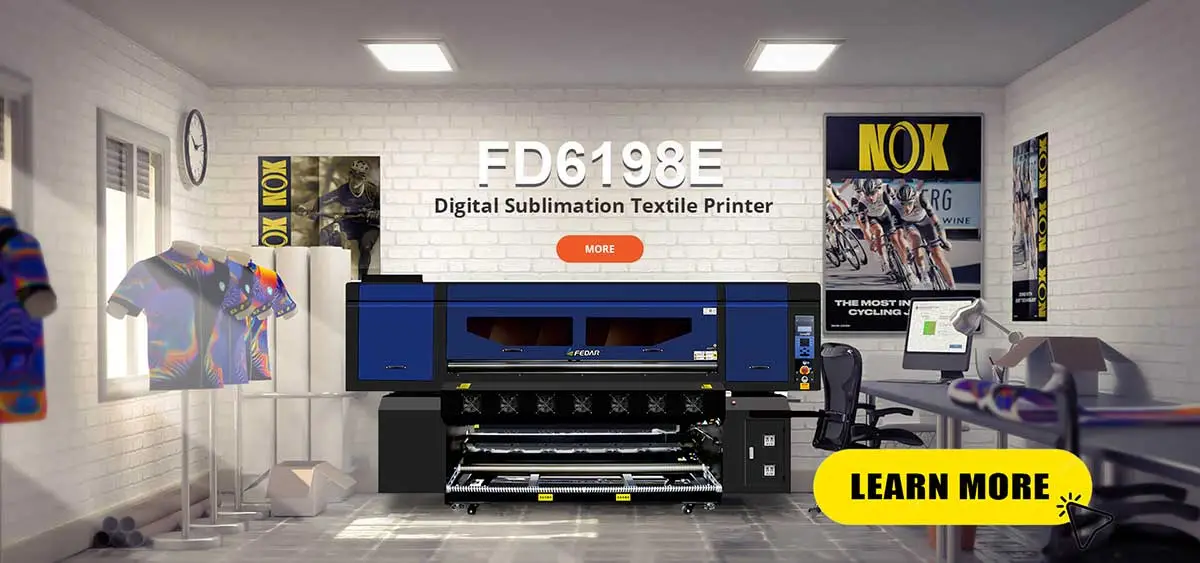
Because it can produce bright full-color images that don't fade when washed, dye sublimation has become the standard way to make high-quality textiles and signs. Heat is used in this process to turn solid dye particles into gas without going through a liquid phase. When the gas comes in contact with polyester or polymer-coated materials, it goes through the surface and hardens within the molecular structure. This makes images that feel like they are part of the fabric instead of just on top of it.
How the Sublimation Process Works
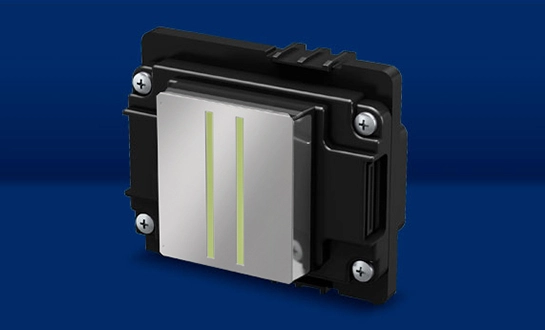
A special kind of digital printer puts dispersed dyes on transfer paper to start the sublimation process. The printer uses piezoelectric printheads, like the Epson i3200-A1 that is used in industrial-grade gear, to place microscopic droplets with up to 3200 DPI accuracy. After being moved, this transfer paper is put in a heat press. Temperatures between 350°F and 400°F cause the dye to change phases. The gaseous dye molecules get inside the polyester fibres and bond with them at the molecular level when the pressure is controlled. This merging is what makes sublimation pictures more resistant to cracking and peeling than methods that are applied to the surface.
The Chemistry Behind Color Permanence
The disperse dyes that are used in sublimation don't react with water; instead, they only stick to synthetic polymers. Several chemistry factors affect how strong this bond is. These include the size of the dye particles, the crystallinity of the polymer, and the flow of thermal energy. When the sublimation printer is working perfectly, the dye molecules move deep into the nebulous parts of the material and stay there while the printer is being used normally. When heat is applied unevenly, it causes colour to only penetrate slightly, leaving it closer to the surface and more vulnerable to damage from the environment.
Environmental Threats to Print Longevity
Even prints that are properly done will slowly lose their quality over time because of outside forces. Photodegradation is the process by which ultraviolet light breaks chemical bonds in dye molecules. This makes colours change or fade. When there is humidity, water can get into polymer fibres and make them grow. This can weaken the bonds between dyes and let colour move around. Abrasion from washing or friction removes the top layers where the dye concentration is highest. These problems with the environment show how important it is for businesses that handle large-scale production to understand the whole sublimation ecosystem, from the tools to the care that is needed afterward.
Key Factors Contributing to Color Fading Over Time
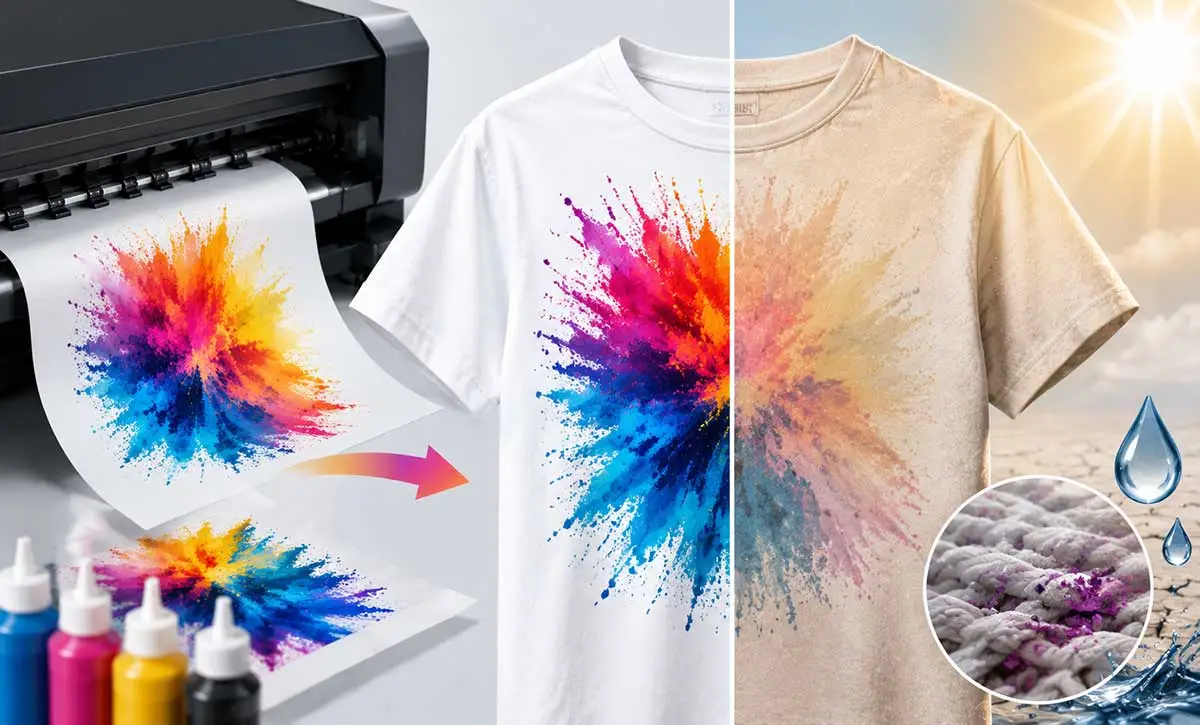
When buying teams and factory managers figure out why colours fade, they can put in place focused solutions that protect print quality and cut down on expensive reprints.
Ink Composition and Quality Standards
Not every sublimation ink is the same. Better lightfastness ratings—often higher than grade 4 on the ISO 105-B02 scale—are achieved with premium formulations that use smaller particles that get deeper into fabrics. Low-quality inks might have impurities or bigger particles that stick to the fabric's surface and are easily damaged by UV light and washing. It's also very important that the ink and printer work well together. If the viscosities don't match, the nozzles can get clogged, or the droplets won't form evenly, which can cause the colour to fade differently across prints.
Substrate Selection and Material Compatibility
Colour preservation is directly related to the amount of polyester in the fabric. Fabrics made of 100% polyester molecules have the most binding sites for dispersed dyes, which means the colour goes deeper and the fabric lasts longer after being washed. Fabrics that are a mix of natural and cotton fibres lower the number of bonding sites that are available. This leaves extra dye on the surface, where it's easy to wash off. Polymer-coated rigid materials like ceramics or aluminium panels need special coatings that can hold the dye molecules together well. If the coatings aren't up to par, the dye molecules can come off or change colours too soon.
Environmental Exposure and Usage Conditions
Print lifespan is greatly affected by where it is used and how it is used. When used outside, signs in places with a lot of sun, like the southwestern United States, break down faster than signs used inside. When you wash sportswear a lot with strong detergents, the chemicals in them get stressed out in a way that home decor textiles never do. Changes in temperature make polymers expand and shrink, which can weaken colour bonds over time. When specifying equipment capabilities and ink formulations, businesses that serve a wide range of customers must take these factors into account.
Equipment Maintenance and Operational Consistency
For colour precision, a sublimation printer needs to be maintained in a strict way. Printhead nozzles can build up dried ink residue, which can bend spray patterns and cause banding or colour shifts. If you don't adjust your heat press, the temperature will be spread out unevenly, leaving hot spots where dye can move too far and cool spots where bonding isn't complete. These operating inconsistencies can be avoided by using regular cleaning processes, nozzle check patterns, and IR thermometers to confirm the temperature. When factories don't do their maintenance, colours tend to shift between runs, which can cause customers to complain and guarantee claims to be made.
How to Minimize and Prevent Color Fading: Best Practices for Businesses
By providing consistent, long-lasting results, structured quality controls throughout the production process protect the print's life and build stronger customer relationships.
Selecting Reliable Equipment and Consumables
Buying tested technology from companies with strong quality control systems pays off in the form of less downtime and more consistent output. Industrial-grade machines with more than one Epson i3200-A1 printhead provide support, high output, and careful colour control. Take into account the specs that match your output rate and quality needs:
| Model | Printhead Quantity | Print Width | Max Resolution | Max Speed (CMYK) | Color Configuration |
|---|---|---|---|---|---|
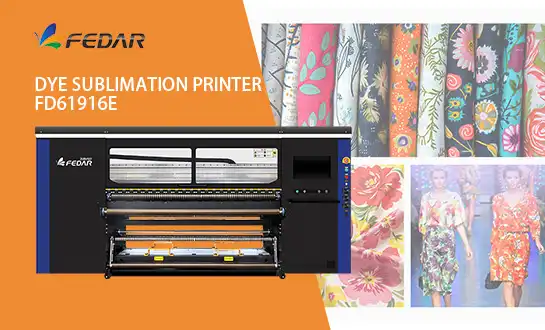
| FEDAR FD6198E | 8 | 1900mm | 3200 DPI | 370㎡/h (1pass) | CMYK/CMYK+4 Colors |
| FEDAR FD5328E | 8 | 3200mm | 360×1200 DPI | 420㎡/h (1pass) | CMYK |
| FEDAR FD7428E | 8 | 4200mm | 3200 DPI | 440㎡/h (1pass) | CMYK |
These platforms offer photo quality in continuous tones and the ability to print on demand, which meets the needs of textile production, home furnishings, and advertising signs. With more printheads, work can go faster without losing the bright, full-color results that customers want. Chemical compatibility and uniform dye sublimation performance are ensured by using high-quality tools with inks that have been approved by the maker. While third-party inks may be cheaper, they often haven't been through the thorough testing that is needed to ensure colourfastness and keep printheads from breaking down too soon.
Optimizing Heat Press Parameters
The settings for a heat press need to be carefully calibrated based on the properties of the substrate. Pressure, temperature, and dwell time all work together to control how deep dye moves. Most polyester fabrics need 385°F to 400°F for 45 to 60 seconds at medium pressure, but rigid substrates may need different settings. When you under-press, the dye molecules are near the surface and can be worn away. When you over-press, the dye can blow out or get burnt, which changes the colour values. Using a regulated pressure gauge and infrared thermometer takes the guessing out of the process and makes sure that the results are the same from shift to shift.
Post-Processing and Storage Protocols
Prints should slowly cool down after heat transfer so that the dye molecules can settle into the polymer matrix. This process can be slowed down by quickly cooling or handling right away, which can result in partial linking. Finished goods must be kept out of direct sunlight and high humidity while they are being stored, as these conditions speed up the breakdown process. Shelf life can be increased by putting UV-blocking window films in storage areas or wrapping prints in dark materials before sending them out. When a business ships goods around the world, climate-controlled shipping crates keep the goods from getting wet during transport, which can damage the print quality before they get to the customers.
Implementing Routine Maintenance Schedules
Setting up repair checklists for every day, every week, and every month keeps small problems from turning into output bottlenecks. Every day, you should check the nozzles and clean the wiper blades. Once a week, you should clean the printheads and purge the ink lines. Once a month, you should check the calibration and replace worn parts like the print rollers. Keeping records of maintenance tasks makes people responsible and gives information for fixing problems when quality issues arise. Facilities that see upkeep as a cost of doing business instead of an investment in the future always have higher service and better print quality.
Comparing Sublimation Printing with Other Printing Technologies on Color Durability
Knowing how dye sublimation compares to other methods helps procurement professionals make decisions that balance the cost of the initial investment, the cost of running the business, and the life of the product.
Sublimation vs. Direct-to-Garment (DTG) Printing
Using modified inkjet printheads, DTG technology puts water-based pigment paints right on the surface of fabrics. DTG is great at printing on cotton and dark fabrics, which isn't as good with sublimation. However, the top layer it makes is easily cracked after many washings. The chemical bonding in sublimation makes it very resistant to washing; it can often handle 50 or more industrial laundry runs without fading. DTG, on the other hand, doesn't need a heat press for transfer and can handle small orders more quickly. Businesses that make polyester sportswear or home linens may like how durable sublimation is, while businesses that make cotton clothing may like how flexible DTG is.
Sublimation vs. Screen Printing
Screen printing remains one of the most common methods for producing simple designs on various materials because it offers excellent speed and efficiency for large production runs. However, high screen setup costs make it difficult to support customisation and short orders of fewer than 100 units. Unlike traditional screen printing, a sublimation printer eliminates complex setup requirements, allowing businesses to produce customised designs quickly and efficiently. Screen-printed inks remain on the surface of fabrics, creating a thicker texture that some users may find less comfortable, while colour blending often cannot achieve the smooth photographic quality available through sublimation technology. A sublimation printer uses a digital workflow that enables precise, detailed designs without expensive preparation processes, making it ideal for responding quickly to changing market trends and personalised customer demands. Compared with screen printing, a sublimation printer provides greater flexibility for companies transitioning from mass production to mass customisation. By reducing setup limitations and supporting on-demand manufacturing, a sublimation printer helps businesses improve efficiency, expand product options, and maintain competitiveness in customised textile markets. A reliable sublimation printer gives manufacturers the ability to deliver high-quality personalised products while controlling production costs and improving workflow efficiency.
Evaluating Total Cost of Ownership
Starting costs for sublimation systems run from $5,000 for basic models to $50,000 or more for high-speed commercial platforms. This is cheaper than DTG systems ($15,000 to $40,000) and screen printing sets ($20,000 or more) that need exposure units, rinse stations, and screens. Inks, transfer paper, and heat press materials for sublimation cost about $0.15 to $0.35 per square foot, which is a little more than screen printing but less than DTG. Sublimation often gives the best return on investment for companies that value complex designs and long-lasting products. This is because it saves time and money on labour, cuts down on waste from digital workflows, and can command higher prices for photographic print quality.
Case Studies and Real-World Examples of Color Fading Issues in Sublimation Printing
Textile makers and print service providers have learned useful lessons from their real-life experiences that can't be taught through technical standards alone.
Sportswear Manufacturer Resolves Fading Complaints
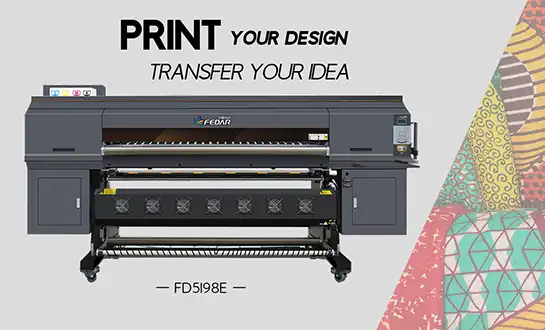
A medium-sized company that makes sportswear had to deal with customer returns when shirts lost their colour after 10 to 15 washes. An investigation showed that they were using polyester mixes with 20% spandex for stretch, which made it harder for the dye to stick to the fabric. The fading problem went away when I switched to 100% polyester microfibre fabrics with mechanical stretch. They also bought a new FEDAR FD5198E type with eight printheads, which made the colour intensity better by laying down more ink and placing droplets more precisely. After the changes were made, quality checks showed that the colourfastness ratings went up from grade 3 to grade 4-5. Within six months, warranty claims dropped by 78%.
Home Textile Distributor Upgrades Equipment and Processes
An importer that works with the hospitality industry had problems with colour differences between runs of curtain panels, which led to expensive rework and late shipments. A root cause analysis found three reasons that led to the problem: heat press temps that were 15°F different across the platen surface, ink that was getting close to its expiration date and had changed viscosity, and poor printhead care that let the nozzle bend. The problems were fixed by using digital temperature tracking, first-in, first-out ink inventory management, and daily automatic printhead cleaning. Moving from a system with four printheads to the FEDAR FD6198E-A, which has eight printheads, increased production redundancy and improved colour control, lowering the number of orders that needed to be reworked from 12% to less than 2%.
Signage Shop Extends Outdoor Print Lifespan
A business signs company had trouble with outdoor fabric banners that faded in 18 months, even though customers had expected them to last three or more years. In their normal sublimation process, they used cheap colours on regular polyester flag material. They switched to UV-enhanced sublimation inks made with light stabilisers that soak up UV radiation before it reaches the dye molecules after talking to ink suppliers. When this was mixed with high-tenacity polyester materials that have tighter weaves, UV light got through less. After 36 months of continuous outdoor exposure in Arizona, field tests showed that the new combination kept 85% of its colour vibrancy, compared to 60% with the old specifications. Customers were happy with the 20% price rise because the longer replacement cycle made the gain worth it.
Conclusion
In dye sublimation printing, colour fading is caused by a complex interaction between ink chemistry, substrate compatibility, environmental exposure, and the performance of the printing equipment. The molecular bonding between disperse dyes and polyester substrates allows a sublimation printer to create prints that are more durable than traditional surface-applied printing methods. However, the full advantages of a sublimation printer can only be achieved when all process variables are properly controlled, including temperature, pressure, ink quality, and material selection. Procurement teams and production managers need to evaluate not only the capabilities of a sublimation printer but also the quality of compatible consumables and maintenance requirements. Following strict maintenance procedures and selecting materials suitable for specific operating environments helps ensure that a sublimation printer continues to deliver stable colour performance. By understanding the technical principles behind sublimation technology and reviewing industry application examples, companies using a sublimation printer can reduce fading risks, minimise warranty claims, and protect brand consistency throughout the product lifecycle. The operational investment required for a high-quality sublimation printer, including precise equipment and reliable consumables, provides long-term value by reducing customer complaints, replacement costs, and quality-related losses. A properly maintained sublimation printer helps businesses achieve durable prints, consistent production results, and stronger market competitiveness.
FAQ
Does substrate choice significantly impact fading speed?
Of course. Polyester percentage tells you how many bonding sites are available for diffuse dyes. Fabrics made of 100% polyester molecules let dyes go deep into the fabric, which is why they get wash fastness ratings of 4-5 on the ISO scale. Blends that include cotton or natural fibres make it easier for top dye to come off when the clothes are washed. For solid polymer-coated surfaces, you need special coatings made to accept dye molecules. Regular coatings tend to reject dye molecules, which speeds up the fading process.
How often should maintenance occur to prevent color inconsistencies?
Every day, the nozzles are checked, and once a week, the printhead is cleaned automatically. Using colour targets to check the calibration once a month makes sure that all production runs are the same. Mid-shift nozzle checks help facilities that work more than one shift find deflection before it affects output. Infrared thermometers must be used to check the temperature of heat press platens every 500 cycles to find element wear before it causes hot spots.
Can UV resistance be enhanced for outdoor applications?
Yes, through a number of strategies that work together. Light stabilisers in UV-enhanced sublimation inks block damaging radiation before it hits the dye molecules, which makes the prints last 50–80% longer outside. Tighter-woven polyester materials with high tenacity literally stop UV light from getting through. Using UV-protective sprays after the treatment adds another layer of protection. When these methods are used together, outdoor pictures can keep 80% or more of their colour brightness after three years in high-UV places.
Partner with Fedar for Fade-Resistant Sublimation Solutions
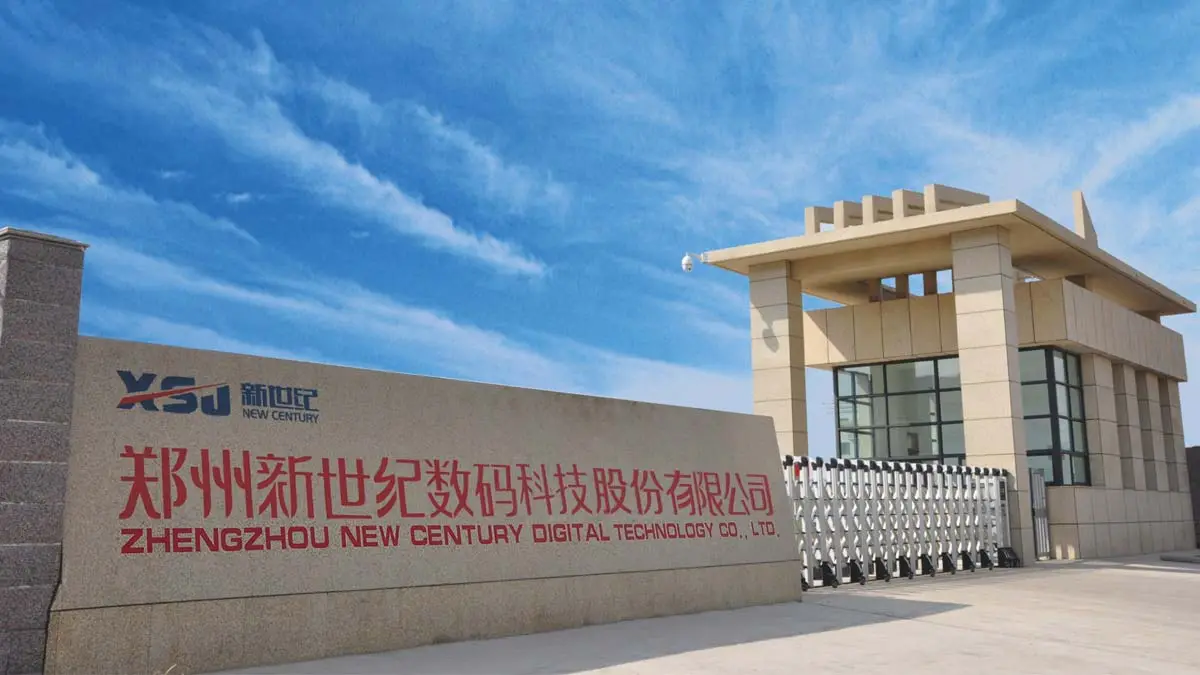
To protect the reputation of your brand, you need equipment that gives you consistent, long-lasting results over thousands of hours of use. Fedar has a 400-person factory that focuses on developing industrial sublimation printers. Before being sent out, every machine goes through strict quality checks. Our engineers have improved the ink delivery systems, thermal management, and printhead configurations so that the colours last longer while still allowing output speeds of up to 440㎡/h.
Our line of products can meet a wide range of operational needs, from the small but powerful FD1900 for studio work to the large-scale production capabilities of the FD7428E. Each model has Epson i3200-A1 printheads that can produce images with a quality of up to 3200 DPI and exact droplet placement that makes sure all the dye gets into the paper. This focus on technical details directly leads to pictures that keep their bright, full-color quality even after a lot of use.
As a top maker of sublimation printers, we offer full technical support through info@tex-printer.com. This includes help with installation, training for operators, and quick fixing. Our global supply chain makes sure that we always have access to original parts and products, so there is no downtime that hurts customer trust. Flexible models of cooperation that take into account the needs of each market while protecting territorial rights are good for both distributors and print service providers. Talk to our technical experts about how our tried-and-true platforms can help you cut down on damage claims related to fading while also increasing your production capacity.
References
1. Shore, J. (2017). Colorants and Auxiliaries: Organic Chemistry and Application Properties, Volume 2 – Auxiliaries. Society of Dyers and Colourists, Manchester.
2. Dawson, T.L. (2019). "Photodegradation Mechanisms of Disperse Dyes on Polyester Substrates." Coloration Technology, 135(4), 268-281.
3. Xin, J.H., & Choi, J.H. (2018). Textile Dyeing Technology. Woodhead Publishing Series in Textiles, Cambridge.
4. Broadbent, A.D. (2016). "Basic Principles of Textile Coloration." Journal of the Society of Dyers and Colourists, 117(11), 340-350.
5. Luo, M.R., & Cui, G. (2020). "Colour Science and the Textile Industry: Current Challenges and Future Opportunities." Textile Progress, 52(1-2), 1-89.
6. Hauser, P.J., & Tabba, A.H. (2021). Improving the Environmental and Economic Sustainability of Textile Coloration. American Association of Textile Chemists and Colorists, Research Triangle Park.

Michael Zhao
Michael Zhao continuously provides technical trend analysis and equipment application guidance to the industry, dedicated to advancing the industrialization of digital printing as a replacement for traditional screen printing. Achievement: Has published multiple technical analysis articles and provided professional support in equipment selection, process optimization, and fault diagnosis to dozens of printing factories, contributing to the upgrade of the digital printing industry.
We Look Forward to Your Email
Please send us product information that interests you, and we will provide you with one-on-one service.
_1778203196111.png)
Recommended Blog

How to Choose the Right DTF Printing Machine for Your Business?
What Is dye sublimation printer sublimation transfer printer: A Complete Guide
Why the 60cm DTF Printer Is the Best Choice for Small-Batch T-Shirt Printing
What is DTF Printing? A Complete Guide to Direct-to-Film Printing.