What is DTF Printing? A Complete Guide to Direct-to-Film Printing.
Introduction
- Introduction
- Understanding Direct-to-Film Printing Technology
- Comparing DTF with Other Printing Technologies
- Benefits and Best Practices for DTF Printing
- Procurement Guide: How to Buy and Source DTF Printers
- Leading DTF Printer Brands and Innovations in 2024
- Conclusion
- FAQ
- Partner with FEDAR for Your DTF Printing Success
- References
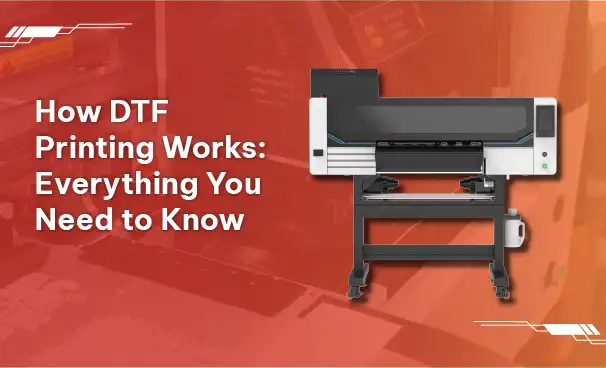
Direct-to-Film printing, or DTF printing, is a big step forward in the way textiles can be decorated. A direct to film transfer printer uses special water-based colored inks to print full-color patterns onto coated PET film. The designs are then stuck on with hot-melt adhesive powder and heated to cure. This makes ready-to-press prints that can be used on cotton, polyester, mixes, and even tough materials like leather and nylon. DTF is very flexible compared to traditional methods that need a lot of setup or substrate preparation. It can be used to decorate clothes, make promotional fabrics, and make custom goods out of a wide range of materials and colors.
Introduction
In the past few years, cloth printing has changed a lot. Direct-to-Film technology has become a game-changer for companies that want to be flexible, get good results, and save time. This detailed guide talks about the basics of Direct-to-Film (DTF) printing, how it can be used in real life, and what buying managers, plant owners, wholesalers, and technical directors should think about when looking at next-generation printing equipment.
We'll look at how this new method solves problems that have been around for a long time, like the fact that weeding heat transfer vinyl is very time-consuming, direct-to-garment printing has material limits, and setup costs for screen printing are too high for small runs. Whether you run a medium-sized printing plant, a business that sells advertising tools in bulk, or you're looking for ways to get your textile decoration products to more people, knowing about DTF technology is important for staying competitive and making money.
Understanding Direct-to-Film Printing Technology
What Makes DTF Different from Traditional Methods
Direct-to-Film printing changes the transfer process by getting rid of many of the problems that older methods had. Screen printing needs actual screens for each color and design. The direct to film transfer printer, on the other hand, makes full-color images virtually, so you can create designs that are as complex as you want without having to pay extra for setup. DTF doesn’t need to be precoated as direct-to-garment printing does, so it can be used on any type of fabric. Direct-to-garment printing requires specific fabric pretreatments and has difficulty working with dark or synthetic materials.
Precision printing systems that put down layers of CMYK and white ink on special transfer film are at the heart of the technology. With levels of 1600 DPI or higher, this method captures picture detail, including gradients, fine text, and complex designs that would be hard to get with other methods. When printed on dark fabrics, the white ink layer makes the colors appear opaque, so the colors will look bright no matter what color the fabric is.
The Complete DTF Workflow Explained
Businesses can figure out what tools they need and how to integrate their workflows better if they know the production process. The first step is to prepare the digital files using RIP software, which takes care of color profiles, making white ink underbases, and printing the best images possible. The direct to film transfer printer then puts layers of ink on top of the covered PET film. White ink is often printed as either an underbase or an overcoat, based on the needs of the design.
A special powder shaker spreads hot-melt sticky polymer powder evenly over the wet ink surface right after printing. This thermoplastic powder only sticks to the printed areas, making the glue that is needed for transfer. The covered film is then put through a hardening oven or heat tunnel. Temperatures inside these machines are kept between 110°C and 150°C, which melts and cures the adhesive powder, making a smooth layer.
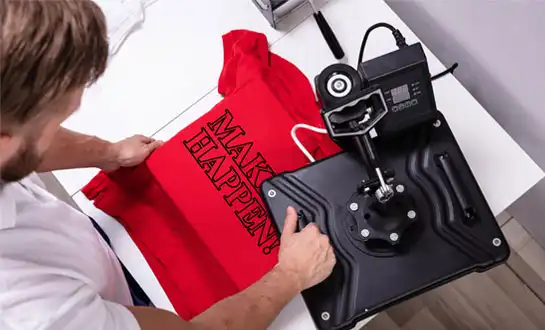
When kept correctly, the cured transfer stays stable for months after it has cooled down. This gives warehouse managers more options. A heat press is used for the final transfer. The pressure and heat from the press trigger the adhesive, which bonds the image to the cloth substrate forever. You can peel films either hot or cold, based on the chemistry of the film and powder. Each method has a different feel to the hand.
Key Components and Quality Factors
Several important subsystems that affect output quality and operating dependability are built into modern DTF systems. The printhead is the most important part of any system. Industrial types usually use Epson F1080-A1, i3200, or XP600 series heads, which are known for placing droplets precisely and lasting a long time. The number of printheads has a direct effect on production speed. For example, the FEDAR FD-D302 can print 31 A3-sized pages per hour with two heads, but only 10 pages per hour with just one head.
Ink circulation systems keep the white ink pigment suspended, which stops it from setting and clogging the nozzles, which were problems with early DTF uses. Professional-grade equipment now comes with automatic stirring and aeration systems that make upkeep a lot easier and make sure that color density stays the same across production runs.
The quality of the film used in the direct to film transfer printer has a big effect on how long the copy lasts and how it looks. Premium covered films let ink soak in better, so there is less bleeding and more of the fine detail that current customers expect. The coating science needs to find the right mix between ink absorption and powder binding so that transfers can be used over and over again in industrial settings while still feeling soft and flexible.
Comparing DTF with Other Printing Technologies
Production Speed and Cost Efficiency Analysis
Production speed and unit costs become very important when comparing printing methods to operating needs. When there are large-volume orders, such as thousands of identical copies, screen printing performs very well. Above 500-piece runs, it usually achieves the lowest cost per unit. However, the setup time and screen costs make it too expensive for orders below 50 to 100 units or for designs that need to be changed frequently. In contrast, the direct to film transfer printer offers greater flexibility for short runs and variable designs, making it a more suitable option in such cases.
Direct-to-garment printing doesn't need any setup at all, so it can be used for one-piece sales and real print-on-demand business models. But DTG has trouble with dark fabrics that need a lot of preparation. It also has slower production speeds and needs certain types of fabric to work best. Due to the high cost of specialized inks and the need for regular printhead repair, operating costs stay high.
DTF is a good compromise because it offers setup-free digital workflow benefits while still keeping fast output speeds and much lower per-print costs than DTG. Being able to make transfers in groups and press them as needed gives you more inventory freedom than any other way. Five to fifty pieces is the smallest order that a small company can successfully fill. This is too small for screen printing but cheaper than DTG processing.
Material Compatibility and Application Flexibility
One of DTF's best features for businesses that serve a wide range of customer needs is that it can be used on a variety of substrates. That technology works well on cotton, polyester, nylon, spandex, leather, and even things that aren't textiles, like wood and some plastics. This uniform compatibility gets rid of the need for redundant tools when serving customers with different tastes in materials.
Although sublimation printing works very well on polyester, it doesn't work at all on natural fibers and needs specially covered bases for hard goods. Heat transfer vinyl lasts a long time, but it takes a long time to weed out complicated patterns, and it can't be used for small details or photos. When screen printing on dark materials, the underbase and overprint need to be perfectly aligned, which makes production more difficult.
With a direct to film transfer printer, DTF moves work the same way with all types of materials without having to change the way they're processed. This makes planning production easier and cuts down on the time needed to train operators. This consistency is very helpful for companies that make advertising signs, promotional items, and custom clothing, where the materials needed change from project to project, but the quality standards stay the same.
Benefits and Best Practices for DTF Printing
Core Advantages Driving Market Adoption
DTF technology is becoming more and more popular among printing companies because it has a lot of great operating benefits that directly affect profits and customer happiness. Knowing about these benefits helps procurement leaders figure out where DTF spending will give them the most gain.
Material flexibility stands out as the most important factor for companies that serve a wide range of customers. One DTF system can handle light clothes, dark clothes, synthetic sportswear, cotton totes, and other unique things without having to change any tools or make complicated process changes. This flexibility lowers the amount of cash needed while increasing the number of markets that can be reached. This is especially helpful for companies that want to form trade partnerships or manage a wide range of clients.
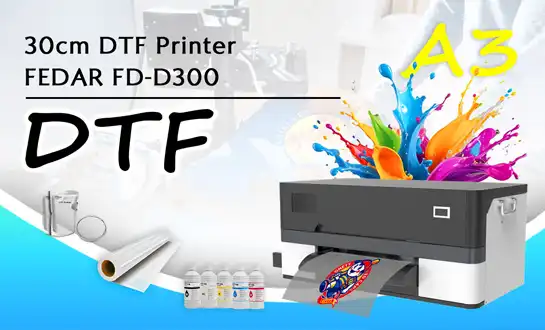
DTF is great for the growing customizing and print-on-demand markets because it is cost-effective for small to medium amounts. Businesses can make as few as five pieces at a time and still make a profit because there are no setup costs and little material waste. The FEDAR FD-D300 can make twenty A4-sized copies an hour, which is more than enough for most small businesses' daily needs while taking up very little floor space. This is especially important for workshops and shops that are having trouble paying their rent.
As customers and laws expect more sustainable practices, less damage to the environment is becoming a bigger factor in buying choices. DTF (direct to film transfer printer) doesn't make as much trash as screen printing, which needs to get rid of the emulsion and screen, or DTG, which needs to do a lot of pretreatment chemicals. Water-based pigmented paints make handling dangerous materials safer, and the exact digital process gets rid of the waste that comes with traditional ways of making too much.
Better wash stability and hand-feel solve common quality issues with other transfer methods. If DTF transfers are properly cured, they can survive more than fifty industrial wash cycles and still keep their color brightness and detail clarity, which is at least as good as AATCC Grade 4 standards. Customers like the soft hand-feel that the thin transfer profile gives, which is especially important for sports wear and fashion, where comfort is a big factor in buying choices.
All of these benefits make DTF the best choice for companies that want to balance quality, freedom, and making money. As more people learn about DTF, medium-sized printing companies that want to offer more services, advertising shops that want to decorate clothes, and wholesalers who are looking at their product lines will find its value proposition even more appealing.
Operational Best Practices for Optimal Results
To get the best DTF print quality and the longest life from your system, using a direct to film transfer printer, you need to pay attention to a few routine factors that separate great results from average output. Calibration of temperature and pressure during the heat press stage has a big impact on how well the material sticks and how it feels in your hand. For most transfers, you need to press at 160°C to 170°C with medium-firm pressure for 10 to 15 seconds. However, the exact conditions depend on the type of powder and cloth. If you buy a good heat press with accurate temperature control and even pressure distribution, you can avoid the sticking and burning problems that hurt your relationships with customers.
How you handle film and ink has a direct effect on how consistent your prints are. Keeping films in climate-controlled spaces stops them from absorbing water, which can cause problems with ink bleeding and powder sticking. Even in systems with automatic circulation, white ink needs to be stirred every day because changes in pigment density cause noticeable streaks and uneven coverage. Putting in place routine repair plans that include checking the nozzles, cleaning the heads, and printing calibrations before production runs cuts down on expensive mistakes and unhappy customers.
When setting up the machine, you should pay close attention to how the RIP software is configured. When you make an ICC profile the right way, the colors will be accurate on both the screen sample and the final print. The white ink management settings will control the coverage of the ink and keep you from using too much powder. Many quality problems are caused by bad software setup rather than hardware limits. This is why having knowledgeable technical help during installation is so important.
Maintenance Requirements and Troubleshooting
Preventive maintenance is what separates DTF businesses that make money from those that have a lot of downtime and repair costs. As part of daily routines, the printhead nozzles should be checked using built-in diagnostic patterns, the ink levels and drainage system should be checked visually, and the consistency of the powder application should be checked. Parts of the powder shaker need to be cleaned thoroughly once a week so that buildup doesn't happen, which makes the glue spread unevenly.
When you take care of common problems right away, they don't get worse and cost more to fix. The most common DTF problem in a direct to film transfer printer is a clogged white ink tube, which is usually caused by poor circulation or long periods of inactivity. Modern systems, like those made by FEDAR, have automated repair processes that lower this risk, but workers still need to know how to clear clogs. Banding in prints is usually caused by misaligned printheads or wrong media feed settings, not broken hardware. This is why technical staff need to be properly trained.
Procurement Guide: How to Buy and Source DTF Printers
Identifying Reputable Suppliers and Equipment Sources
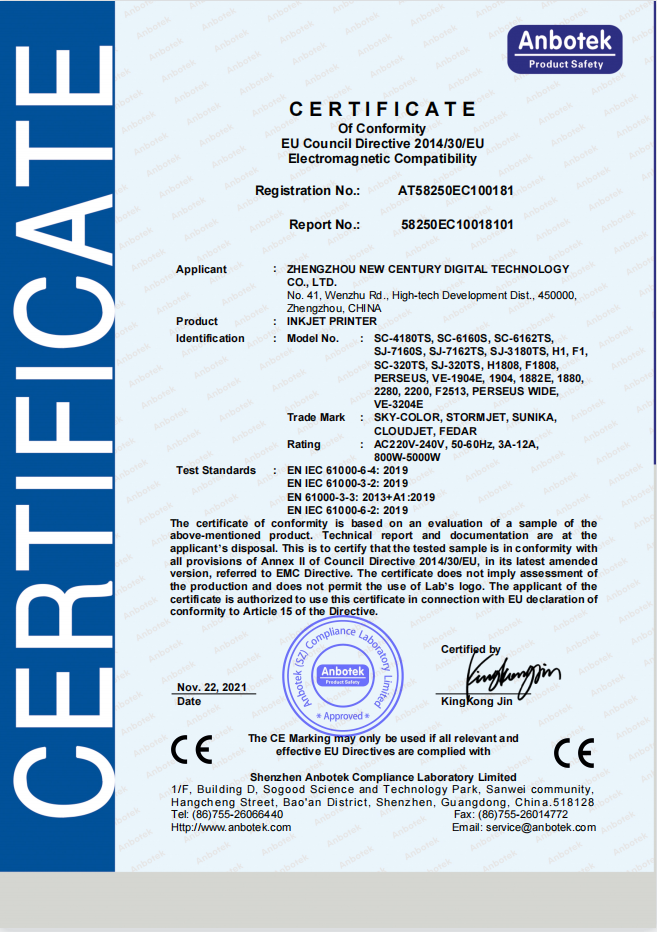
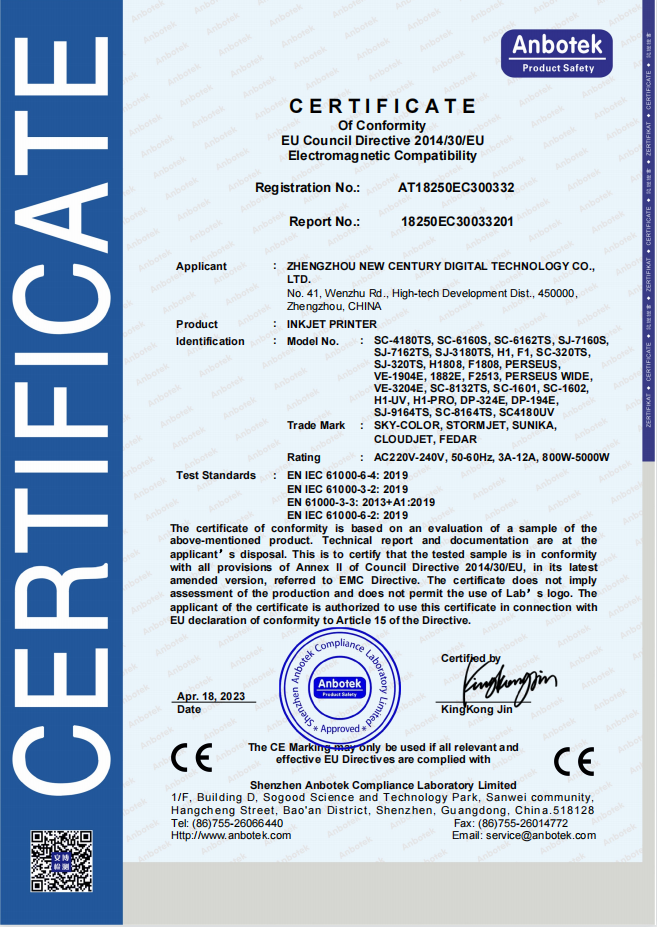
Sourcing decisions have a big effect on the long-term success of a business. This is why evaluating suppliers is so important for procurement pros. Authorized wholesalers and makers with good names can give you guarantees that are hard to get from sellers you don't know. Factory certifications, output capacity paperwork, and customer examples are objective quality signs that go beyond what the company says on its marketing materials.
Businesses should give more weight to sellers of direct to film transfer printers who are open and honest about equipment specs, reasonable performance standards, and full support systems after the sale. You can be sure of the quality of the output because you can see sample pictures using your own designs and chosen materials before you buy them. If a supplier doesn't want to help with tests or only gives general samples, it could mean they are worried about quality or don't know enough about technology.
Support reach and reaction times are affected by where someone lives. International sourcing may have better prices, but local or regional wholesalers can get parts to you faster, offer expert support on-site, and make it easier to file a warranty claim. FEDAR runs a factory with 400 workers that focuses on original equipment research, development, and manufacturing. The factory combines large-scale production with technical knowledge gained over many years of serving customers around the world in industrial, cloth printing, and sign-making.
Understanding Pricing Structures and Investment Levels
The prices of DTF printers vary a lot because they have different features, build quality, and brand positioning. Entry-level desktop systems are positioned in the lower investment range and are designed for startups and low-volume businesses. These systems usually include a single printer unit, manual powder application, and basic RIP software. They require more operator involvement, but they remain affordable and easy to enter the market with.
Professional systems in the mid-investment range offer upgraded efficiency, typically featuring dual printheads to improve output speed, built-in powder shaking modules, and integrated curing systems. The FEDAR FD-D302 is a good example of this category, capable of producing about 62 A4-sized prints per hour with industrial-grade Epson F1080-A1 printheads and 1600 DPI resolution. These specifications meet commercial production needs while still keeping the machine desk-friendly and energy-efficient.
Industrial-scale systems in the high investment tier include multiple wide-format printheads, continuous feed mechanisms, and enhanced automation designed for maximum productivity. Rather than over-investing in excess capacity, businesses should align equipment capabilities with actual production demand. Mid-range systems often provide a stronger return on investment for operations handling roughly 500 to 2,000 prints per week.
Evaluating Warranty Coverage and After-Sales Support
The quality of the service system is often more important than small price differences in tools such as direct to film transfer printer. Printheads are the most expensive reusable part, so the guarantee should cover them for at least six months, and the whole system should be covered for at least a year. Making it clear what kinds of failures are covered by the guarantee and what kinds are not, like operator mistakes or replacing a consumable, stops future arguments.
How quickly after-sales help responds has a direct effect on business uptime and profits. Suppliers should give customers a lot of ways to get in touch with them, like email, phone, and, ideally, videoconferencing for diagnosis from afar. Better support companies promise to answer technical questions within a certain amount of time, send parts on time, and have local service technicians available. These things set them apart from companies that only give basic help.
Teams can get the most out of their tools by using training materials during installation and continuing education materials afterward. Comprehensive operator training that includes basic fixing, regular maintenance, and software optimization lowers the need for help while raising the quality of the output. Having access to up-to-date literature, online lessons, and user groups makes it easier to learn new skills as production needs change.
Leading DTF Printer Brands and Innovations in 2024
Established Manufacturers and Technology Leaders
The market for DTF equipment has grown a lot, with many makers building strong names for dependability and new ideas. Epson makes precision inkjet parts for a lot of well-known DTF printers, even though it is better known for its printhead technology than its full systems. Their i3200 and F1080 series printheads have become standard in the industry because they last a long time and work well in a wide range of challenging production settings.
Roland DG has decades of experience with digital printing, which it has used to create DTF solutions that focus on color accuracy and system interaction. Their technology usually comes with a high price tag that is supported by their advanced engineering, large dealer networks, and strong support systems. Roland's products are appealing to businesses that want maximum uptime and are willing to spend more on the best tools in their class.
FEDAR has become a major player in the global DTF market by offering large-scale production at low prices and strong technical skills. Their expertise in using inkjet printing technology in a variety of fields gives them cross-application ideas that help them make better products. The FD-D300 and FD-D302 models show that FEDAR is focused on meeting the realistic needs of businesses. They provide high-quality industrial output in forms that are energy- and space-efficient, making them perfect for sample makers and small-batch production settings. FEDAR supports a range of relationship structures, from direct purchases to distributor agreements, thanks to its stable component buying and open cooperation models.
Recent Innovations Enhancing Performance and Reliability
In 2024, improvements in technology have fixed problems from the past while also making things possible that weren't possible before. Better white ink circulation systems keep pigments in solution better now, which means outlet clogs that used to cause a lot of downtime are less likely to happen. During downtime, automated repair tasks run to make sure systems stay ready for production without any help from a person.
The difference in output between DTF and standard methods has shrunk, thanks to faster printing, thanks to better printhead setups, and more advanced RIP software algorithms. With dual-head systems that can print more than 60 A4 pages an hour, DTF is now an affordable option for medium-volume production that screen printing used to be the only option for. Variable droplet technology makes it possible to print both small details and solid colors on the same sheet, which opens up more design options.
In a direct to film transfer printer, new powder formulations have made it last longer after being washed and made the sticky layer thinner, which changes how the product feels in your hand. Today's hot-melt polymers can bond fabrics better with less material, making transfers that are bendable and comfortable even after being washed many times in commercial settings. Some companies now make special anti-migration powders that stop dye from bleeding when printing on polyester. This makes substrate compatibility available in the performance sports wear market.
Recognizing Authorized Distribution Networks
When people buy things through official channels, they avoid getting fake goods, units from the dark market that don't come with warranties, and sellers who can't provide genuine replacement parts. Reputable makers keep dealer registers or distributor lists that can be accessed through their official websites. This way, customers can check the status of an approved dealer before making a purchase.
Independent dealers usually don't get factory training on how to set up equipment, maintain it, and fix problems, but authorized distributors do. With this information, you can provide better customer service, give more correct expert advice, and solve problems more quickly. Also, makers often offer marketing help, demo equipment, and joint advertising programs that are only available to approved partners. These perks make the whole buying experience better.
If a business wants to become a distributor, it should look at the terms of a manufacturer's relationship. These terms should include area protection, margin structures, training requirements, and the availability of marketing support. FEDAR's open cooperation models work for businesses of all kinds and approaches to the market, from small workshops looking for basic tools to large distributors needing a wide range of products and bulk buying options.
Conclusion
Direct-to-Film printing is a revolutionary technology for companies that decorate textiles and want to gain a competitive edge through quality, flexibility, and cost-effectiveness, and a direct to film transfer printer is at the core of this process. DTF solves important problems that plagued older ways by getting rid of setup costs, working with a wide range of surfaces, and providing excellent wash durability. Purchasing managers, factory owners, and distributors can make smart investment choices that help the business reach its goals if they know about the technology's practical needs, comparative strengths, and buying factors. As the market grows faster and technology keeps getting better, DTF will play a bigger part in custom manufacturing, decorating clothes, and making advertising items. This will open up new possibilities for businesses that are open to this new idea.
FAQ
What kinds of fabrics do DTF transfers work best on?
The DTF technology works very well with almost all types of textiles, such as cotton, polyester, nylon, spandex, canvas, leather, and poly-cotton mixes. Direct-to-garment printing needs a certain type of fabric, and sublimation can only work with polyester. DTF transfers bond successfully to both natural and manmade fibers without needing to make any changes to the process for each material. The process for dark and light materials is the same, so there are no pretreatment steps needed like in other cases. When the right pressing settings are used, DTF transfers can be consistently applied to even textured surfaces and performance fabrics that are hard to work with using other technologies.
In what ways does DTF last longer than screen printing?
When made correctly, DTF transfers have wash fastness scores that meet or beat AATCC Grade 4 standards, which is about the same as the quality of screen printing. Lab tests show that DTF prints can withstand more than 50 industrial wash cycles without losing their color brightness or clarity. The thin transfer profile is actually more flexible than heavy screen print ink deposits, which means that clothes that are stretched over and over again are less likely to crack. Screen printing is still slightly better at high abrasion resistance for workwear applications, but DTF durability meets the needs of most clothing, advertising fabrics, and soft goods applications.
What kind of upkeep does a direct to film transfer printer need?
As part of daily maintenance, diagnostic patterns are used to check the printhead nozzles, the ink drainage system, and the consistency of the powder application. As part of your weekly chores, you have to clean the parts of the powder shaker and test the print quality thoroughly. Modern systems with scheduled repair processes make the job of operators a lot easier compared to older systems. White ink movement is still the most important part of upkeep, since pigment settling jams nozzles and lowers the quality of prints. Picking equipment with tried-and-true airflow systems and following the manufacturer's repair instructions will make sure it works well and has little downtime.
Partner with FEDAR for Your DTF Printing Success
Concerns about after-sales support, technical training availability, and equipment life have a direct effect on your business relationships and profits. We understand the difficulties that dealers and production facilities face when they try to find reliable direct to film transfer printer equipment. FEDAR handles these issues with a manufacturing center with 400 employees that focuses on original inkjet printing research and development, strict quality control systems, and a full global support infrastructure.
Our FD-D300 and FD-D302 models produce high-quality results on a PC, making them perfect for people who want to make samples, small production shops, and companies that want to get into the clothing decoration market. These systems take up very little room, use less energy, and don't cost much to keep, all of which are important for businesses that want to make money. There are different types of business structures that can work with flexible cooperation models, whether you want to buy tools directly, form a marketing relationship, or look into OEM arrangements.
Get in touch with us at info@tex-printer.com to talk about your unique production needs and find out how FEDAR's direct to film transfer printer options can help you stay ahead of the competition. Businesses that are serious about using DTF technology can get clear pricing, thorough specs, and reviews of sample prints from us. FEDAR is a well-known seller with a track record of happy customers around the world. They can give your business the technical support, high-quality products, and reliable partnerships it needs.
References
1. Provost, J. (2023). Textile Printing Technologies: Comparative Analysis of Digital Transfer Methods. Textile Industry Publishing.
2. American Association of Textile Chemists and Colorists. (2022). AATCC Technical Manual: Test Method 61-2020 Colorfastness to Laundering. Research Triangle Park, NC: AATCC.
3. Dennison, M. & Kobayashi, H. (2024). Digital Textile Decoration: Equipment Selection and Process Optimization. International Journal of Garment Technology, 18(2), 145-167.
4. Chen, L. (2023). Inkjet Printhead Technology for Industrial Applications: Performance Characteristics and Reliability Factors. Digital Printing Research Quarterly, 12(4), 78-94.
5. Williams, R. & Thompson, S. (2024). Direct-to-Film Printing: Market Analysis and Technology Trends. Global Textile Printing Report, 31(1), 22-41.
6. Martinez, A. (2023). Adhesive Powder Chemistry in DTF Printing: Formulation Advances and Performance Testing. Polymer Applications in Textile Processing, 9(3), 112-128.

Kevin Zhang
Kevin Zhang is a senior R&D engineer in the digital textile printing field, focusing on the innovation and industrialization of digital printing equipment, direct-to-fabric processes, and application solutions. Achievement: Led the in-house development and mass production of multiple textile printers and direct-to-garment printers, driving their large-scale adoption in textile, advertising, home decor, and customized markets.
We Look Forward to Your Email
Please send us product information that interests you, and we will provide you with one-on-one service.
_1778203196111.png)
Recommended Blog

What are the maintenance requirements for direct to film printer?
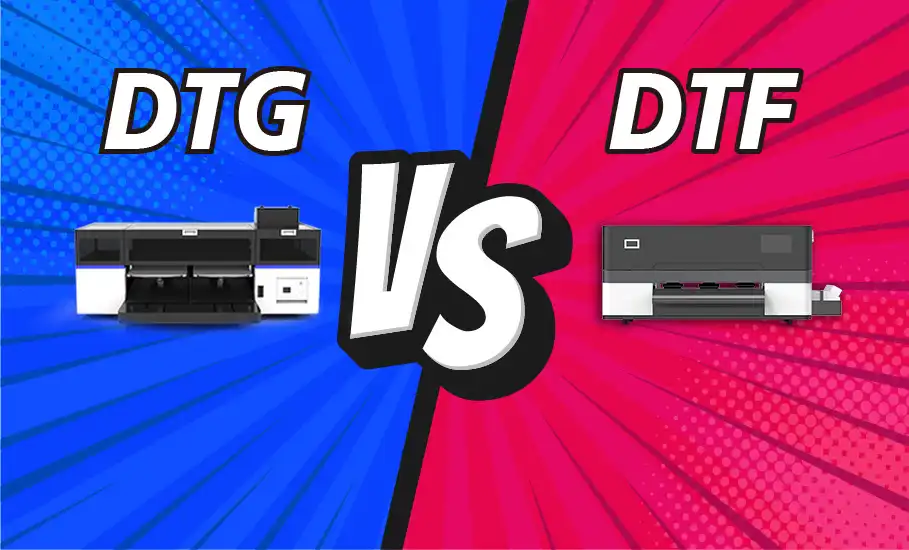
DTG vs DTF Printing:The Pros and Cons of Direct Printing Technologies.
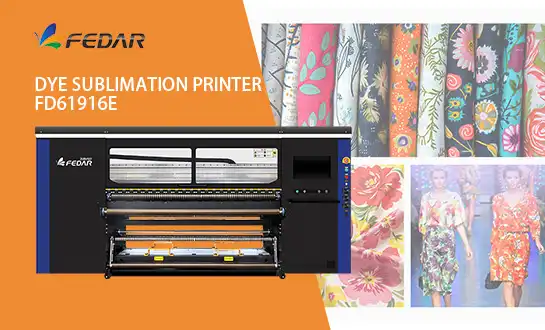
What Is dye sublimation printer sublimation transfer printer: A Complete Guide
How to Choose the Right DTF Printing Machine for Your Business?
Best DTF Printing Machine for Small Business: A Buyer's Guide