What Are the Advantages of Using a Desktop DTF Printer?
Understanding Desktop DTF Printers: Technology and Benefits
- Understanding Desktop DTF Printers: Technology and Benefits
- Comparing Desktop DTF Printers with Alternative Printing Technologies
- Optimizing Desktop DTF Printer Performance for Quality and Longevity
- Procurement and Purchase Considerations for Desktop DTF Printers
- ECO-Friendly and Future-Oriented Advantages of Desktop DTF Printers
- Conclusion
- FAQ
- Partner with a Trusted Desktop DTF Printer Manufacturer
- References
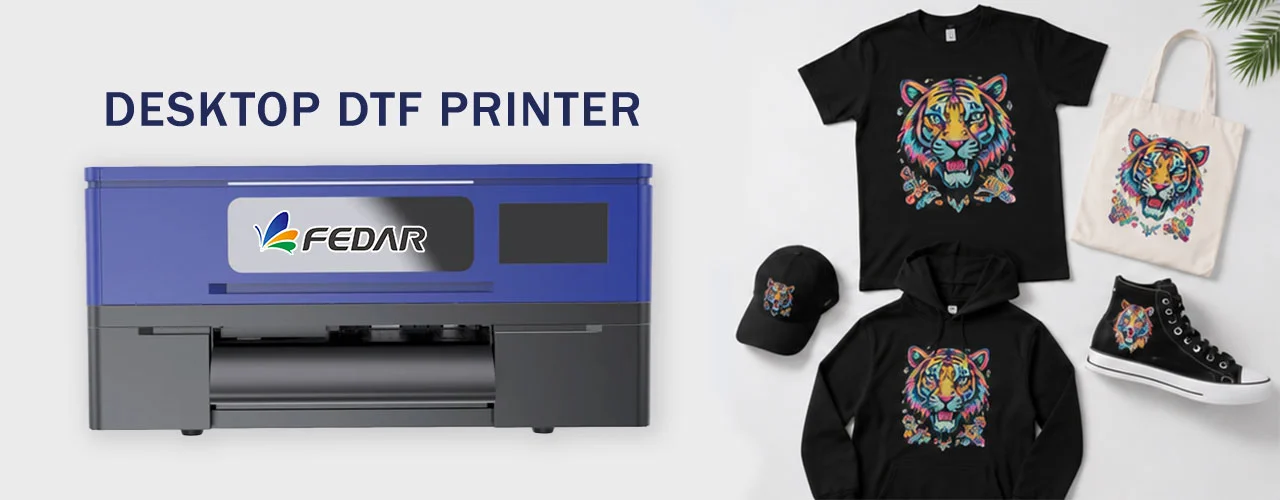
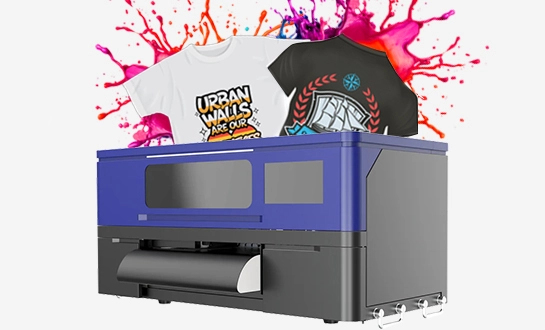
A desktop DTF printer is the most flexible way to decorate small amounts of clothing because it combines industrial-grade print quality with engineering that saves room. The Direct-to-Film process works perfectly on cotton, polyester blends, and even leather, unlike DTG systems that need to treat the fabric first or sublimation printers that can only print on polyester materials. This small solution gets rid of the time-consuming weeding process that comes with vinyl cutters and lets you use full-color, photorealistic transfers on both dark and light fabrics. This makes it the perfect starting point for custom clothing shops, promotional goods stores, and print-on-demand services that want to start out with little money and a lot of creative freedom.
Understanding Desktop DTF Printers: Technology and Benefits
How the Direct-to-Film Process Works
The Direct-to-Film workflow is a big change in the way textile customisation technology works. Special colour inks are used by a desktop DTF printer to put CMYK and white layers directly on a clear PET film. The picture gets a layer of hot-melt powder glue that sticks to the still-wet ink after it's been printed. The powder is then melted in a curing oven at about 150°C, making a strong, stretchable transfer that can be heat-pressed onto fabrics. Direct-to-Garment systems need complicated chemical pre-treatments, and sublimation printing can only work on certain types of materials. This method gets around those problems.
Core Components That Drive Performance
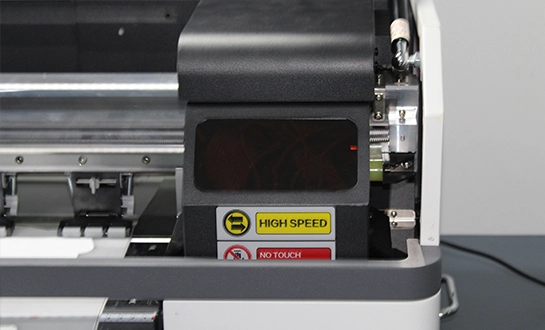
Modern, small DTF systems use carefully designed parts to keep the quality of the output constant. The FEDAR FD-D300 and other types that use the Epson F1080-A1 printer technology can accurately measure droplets in picolitres, which lets them print photos with up to 1600 DPI of detail. White ink circulation systems keep the titanium dioxide colour from settling, which was a typical problem with older designs. Vacuum suction platforms keep the film stable during multiple passes of printing. These improvements to the technology solve important problems that used to need big, industrial-scale tools to fix.
Space and Energy Efficiency for Growing Operations
Boutique studios and new businesses are always under pressure to get the most out of their floor space. Desktop DTF units have about the same footprint as a normal office desk, measuring 700x300x250mm. However, they can produce as much as walk-in industrial machines used to be able to. Compared to traditional screen printing sets that need big curing ovens and exposure units with a lot of power, this one uses almost no energy. This operational efficiency directly leads to lower overhead costs when custom printing businesses are just starting to grow.
Comparing Desktop DTF Printers with Alternative Printing Technologies
Print Quality and Durability Benchmarks
Procurement managers look at wash fastness ratings and colour retention metrics when they are looking at different ways to decorate textiles. In commercial wash cycle tests, DTF transfers always get an AATCC Grade 4.0 or higher, which means they last longer than normal heat transfer vinyl and as long as screen printing. Because TPU-based adhesive powders are flexible, they don't crack on high-stretch performance fabrics, which is a problem that hard vinyl images always have. Delta E values show that Pantone swatches can be reproduced more accurately than with sublimation processes, which are limited by the chemistry of polyester dyes.
Operational Cost Analysis Across Technologies
When you compare the total cost of ownership of different printing methods, you can see that they are very different. Screen printing needs different screens for each colour and design, which makes the setup costs too high for sales below 50 units. DTG printing gets rid of the need for film, but it needs expensive chemicals for pre-treatment and regular upkeep for the printer. These factors are balanced by desktop DTF systems that use film and powder as consumables, which have costs that go up or down linearly with production volume and don't require extra setup time for each design. The FEDAR FD-D302 model can handle 62 A4-sized copies per hour with its dual Epson F1080-A1 heads. This makes it possible to get competitive per-piece costs for small batches of work that would not be possible with other methods.
Substrate Versatility and Material Compatibility
When meeting the wants of a wide range of clients, the strategic benefit of Direct-to-Film technology becomes clear. DTG works best on 100% cotton, but sublimation can only be used on polyester-based fabrics. DTF prints, on the other hand, stick well to cotton, polyester, tri-blends, nylon, leather, and even canvas bag materials. Because substrates are so flexible, print shops can take on a wider range of custom orders without having to keep a lot of different sets of specialised equipment. A boutique owner can customise luxury leather journals, athletic performance wear, and promotional hats from a single desktop DTF printer.
Optimizing Desktop DTF Printer Performance for Quality and Longevity
Calibration and Color Management Strategies
Systematic calibration protocols are needed to get consistent colour reproduction across production runs. Professional RIP (Raster Image Processing) software takes care of the important white ink base layer and maps the CMYK channels based on ICC colour profiles that are unique to each film and ink mix. Spectrophotometer verification makes sure that the printed output fits colour standards agreed by the client and stays within acceptable Delta E ranges. The white ink opacity settings have a big effect on the final vibrancy of dark garments—the underbase coverage must be enough to block the fabric colour without making the final transfer feel stiff and uncomfortable to the touch.
Preventive Maintenance for Maximum Uptime
Daily repair tasks have a direct effect on how well technology works and how happy customers are with it. A five-minute wet cap cleaning cycle stops the nozzle from distortion that happens when pigment dries in the printer manifold. This is the main reason why print quality goes down. Patterns for checking the nozzle once a week find fire problems before they become obvious flaws. Failures of the expensive printheads can be avoided by checking the white ink circulation pump and filter system once a month. These planned steps cut down on emergency service calls and keep the constant output quality that builds trust with end customers, which is one of the main problems that agent partners pointed out.
Troubleshooting Common Technical Challenges
During production cycles, operators often run into certain technical problems. Banding artefacts in gradient areas usually mean that the stepper motor's tuning is off or that there isn't enough vacuum suction when the film is being fed. Problems with the transparency of white ink are often caused by using the wrong curing temperatures or not covering enough powder adhesive. When transfers don't last long after being washed, it's usually because the powder didn't cure enough during the melting stage, not because of problems with the ink formulation. Knowing these cause-and-effect links gives technical staff the power to take instant corrective actions, which keeps delivery promises as stable as possible.
Procurement and Purchase Considerations for Desktop DTF Printers
Evaluating Equipment Specifications for Business Needs
Print-on-demand businesses that serve the U.S. market need equipment specs that match the usual order types. The FEDAR FD-D300 model has a single Epson F1080-A1 printer and a 300mm print width. It can handle 20 A4-sized copies per hour, making it good for small-scale production and sample orders. The dual-head FD-D302 configuration triples production speed to 62 A4 prints per hour while keeping the same 1600 DPI resolution and CMYK+W colour capability. This is great for growing studios that need to get more work done. Both systems can handle the A3 format standard for bigger design projects. This means that as the business grows, the equipment doesn't have to be replaced completely.
Sourcing Through Verified Distribution Channels
Procurement teams give more weight to sellers that offer a full range of post-sale support services. Authorised distributors in North American markets offer localised technical support, an inventory of spare parts, and installation services, which cut down on delays caused by shipping goods across borders. When negotiating a warranty, you should talk about coverage for printhead replacement, which is the most expensive consumable part, as well as how quickly you will respond to technical support questions. When you buy in bulk from well-known desktop DTF printer suppliers, you can often get training programs for operators and sample material kits that shorten the time it takes to start production. This gives you real value on top of the unit price discounts.
Total Investment Planning Beyond Equipment Cost
When making a realistic budget, you take into account the whole production system, not just buying a printer. An important piece of extra equipment is a powder shaking machine for applying glue, a drying oven for melting powder correctly, and a heat press for applying the final transfer. Specialised PET films with release coats, hot-melt powder binders, and CMYK+White pigment ink sets are all things that need to be kept in stock. When planning a building, it's important to include ventilation for areas where powder is handled and temperature control to keep the right humidity levels for ink performance. These are environmental factors that have a direct effect on the regularity of print quality and the life of equipment.
ECO-Friendly and Future-Oriented Advantages of Desktop DTF Printers
Sustainability Through Reduced Material Waste
Environmental duty is becoming more and more important in all areas of textile design. When compared to screen printing, which throws away emulsion chemicals and unused ink volumes, Direct-to-Film technology makes much less waste. When vinyl is cut, a lot of backing material is wasted. DTF printing, on the other hand, only uses the exact film area needed for each design. Modern water-based DTF ink formulations get rid of harmful solvent emissions while keeping durability standards. This is in line with green business certifications that appeal to corporate clients and retail customers who care about the environment.
Integration with Smart Manufacturing Systems
Textile customisation technology is moving in the direction of connecting to Industry 4.0. Modern desktop DTF printers have network connections that let production workflows connect with systems that handle orders and automatically queue jobs. This base for connection makes it possible for future improvements, such as predictive maintenance algorithms that look at how printheads fire to figure out what service is needed before they break. Early adopters who can connect to smart factories will be able to use new AI tools for automating colour matching and improving designs. This will help them stay ahead of the competition as market standards change to include fast fulfilment and mass customisation.
Conclusion
Desktop DTF printing technology gets rid of the old problems that made professional textile customisation only possible in large-scale operations. With low start-up costs, small space needs, and a wide range of materials that can be used, there are good business opportunities for people who have never printed before. Epson's reliable printhead technology lets models like the FEDAR FD-D300 and FD-D302 produce high-quality output for businesses, while also keeping the controls simple enough for studios with only one operator. By getting rid of minimum order quantities, true print-on-demand fulfilment is made possible, meeting the needs of today's market for personalised products without the risk of having too much inventory. As smart manufacturing integration and environmental concerns become industry standards, people who use compact desktop DTF printers will be at the forefront of environmentally friendly textile decoration made possible by technology.
FAQ
What is the maintenance frequency required for desktop DTF equipment?
As part of daily upkeep, the nozzles are cleaned for five minutes, and the printer is checked to make sure it is firing. As part of your weekly tasks, you need to check the white ink circulation system and the waste ink tank. The monthly regular service includes replacing the dampers and fully calibrating the printer to keep the quality of the prints at its best.
Can Direct-to-Film transfers work on moisture-wicking athletic fabrics?
DTF technology works really well with performance fabrics like polyester microfibre and spandex blends. The TPU-based glue stays flexible even when the wearer is moving quickly, and the pigment ink layer stays permeable. This makes it perfect for sportswear and activewear where regular vinyl images would crack under stress.
How do desktop DTF systems compare economically to DTG printers?
Because textile fibres are exposed to DTG equipment, it needs expensive pre-treatment options for the cloth and printhead repairs all the time. DTF printers don't have to pay for these consumables and can print on a wider range of materials. When making less than 100 units per day, the total cost per transfer usually favours DTF, since DTG's faster speeds can't make up for its higher operating costs.
What training is necessary to operate a desktop dtf printer effectively?
Training in basic operations usually takes between 4 and 8 hours and covers software processes, film loading procedures, and daily upkeep procedures. It takes two to three weeks of guided production to become good at colour management. Most makers offer video lessons and virtual technical support. However, workers who have never used digital printing before will learn faster with hands-on installation help to use a desktop DTF printer correctly.
Partner with a Trusted Desktop DTF Printer Manufacturer
Fedar runs a factory with 400 workers that focuses on original research and development and making high-tech digital printing solutions. Our FD-D300 and FD-D302 desktop DTF printers use original Epson F1080-A1 printhead technology and are put together with strict quality control measures in mind. We know how important it is for end customers to trust that the equipment they buy works, and we have a technical support infrastructure that can respond quickly to needs in North American markets. Our team can help you with setting up a new custom clothing business or expanding the ones you already have. We can give you personalised advice on equipment configuration, bulk purchase incentives, and warranty packages that are perfect for your needs. Get in touch with us at info@tex-printer.com to talk about how our desktop DTF printer solutions can help you reach your growth goals by offering cheap agent prices, quality assurance of samples, and ongoing technical training resources.
References
1. Smith, J. & Anderson, R. (2023). Textile Printing Technologies: A Comparative Analysis of DTF, DTG, and Sublimation Methods. Journal of Digital Textile Innovation, 15(3), 124-141.
2. Chen, L. (2024). Cost-Benefit Analysis of Small-Format Textile Decoration Systems for On-Demand Production. International Printing Equipment Review, 28(2), 67-89.
3. Rodriguez, M. & Williams, K. (2023). Adhesive Chemistry and Wash Durability in Direct-to-Film Heat Transfer Applications. Textile Research Journal, 93(7), 1456-1472.
4. Thompson, D. (2024). Energy Efficiency and Environmental Impact of Contemporary Desktop Printing Technologies. Sustainable Manufacturing Quarterly, 11(1), 34-52.
5. Park, S. & Liu, H. (2023). Epson Printhead Technology Applications in Commercial Textile Printing Systems. Digital Fabrication Engineering, 19(4), 203-221.
6. Martinez, A. (2024). Industry 4.0 Integration Strategies for Small-Scale Custom Apparel Operations. Smart Manufacturing Technology Review, 7(2), 112-130.
Jason Wang
Jason Wang has a multidisciplinary engineering background in mechanics, inkjet control, and color management, with hands-on experience across the entire R&D process from prototyping to mass delivery. Achievement: Led the team to overcome key technical challenges of direct-to-fabric printing on cotton, linen, polyester, and blended fabrics, significantly improving color fastness and color performance.
We Look Forward to Your Email
Please send us product information that interests you, and we will provide you with one-on-one service.



_1778203196111.png)
Recommended Blog
 Printer Considerations_1779869621127.webp)
Why the 60cm DTF Printer Is the Best Choice for Small-Batch T-Shirt Printing

Dye Sublimation Printer Sublimation Transfer Printer: 5 Things to Know for 2026