600mm DTF Transfer Printer with Fast Roll-to-Roll Output
Understanding the 600mm DTF Transfer Printer Technology
- Understanding the 600mm DTF Transfer Printer Technology
- Comparing 600mm DTF Transfer Printers with Other Printing Technologies
- How to Select the Best 600mm DTF Transfer Printer for Your Business
- Optimizing 600mm DTF Transfer Printer Performance in Your Production Line
- Procurement and After-Sales: How to Buy and Maintain Your 600mm DTF Transfer Printer
- Conclusion
- FAQ
- Partner with a Trusted 600mm DTF Transfer Printer Supplier
- References
As a major step forward in textile design, the 600mm DTF transfer printer offers excellent print quality and high operating efficiency while still being able to handle medium-scale production. This industrial-grade system uses Direct-to-Film technology and constant roll-to-roll feeding to help textile makers, people who decorate clothes, and people who make promotional items turn jobs around faster without losing color vibrancy or detail. This shape, unlike smaller desktop units, makes the best use of the substrate while still having a reasonable footprint. This makes it a great choice for businesses that are switching from manual processes to automatic routines. With setups ranging from two to six heads, these machines offer production rates that keep up with changing market needs while keeping the cost of capital low.
Understanding the 600mm DTF Transfer Printer Technology
Precision engineering is used in modern Direct-to-Film tools to turn digital drawings into long-lasting textile transfers. Printhead technology, ink chemistry, and automated handling processes work together in complex ways to make these systems work. Together, they set output limits and quality standards.
source: FEDAR PRINTER
Core Components and Printing Mechanics
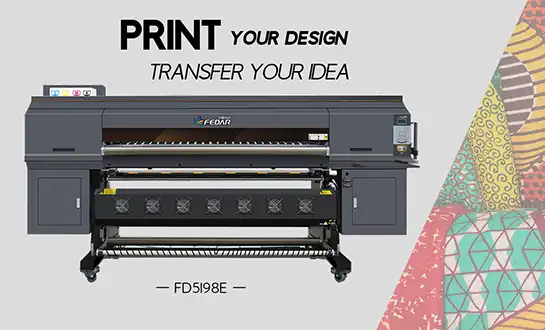
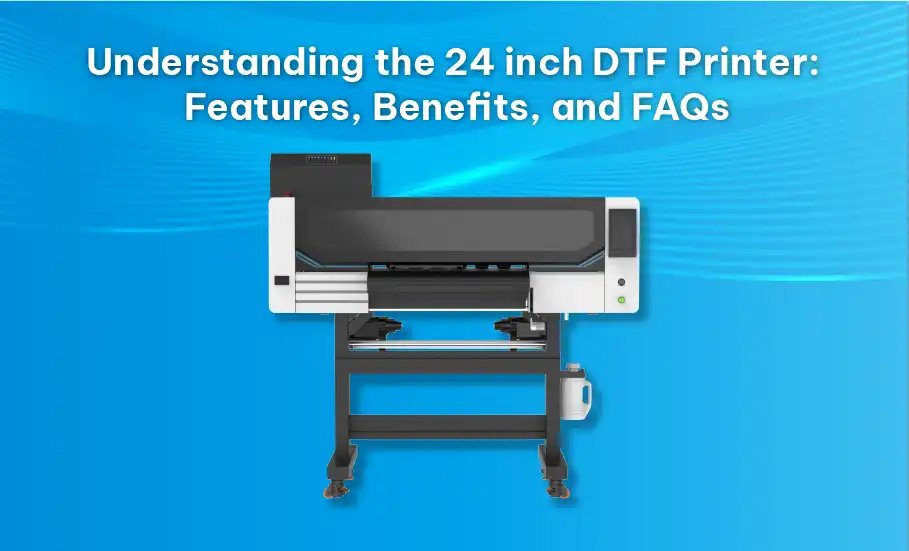
What makes a DTF system work is how the printer is set up. The FEDAR FD60 uses two Epson i3200-A1 printheads to achieve 3200 DPI resolution at speeds of up to 8㎡/h in six-pass mode. The FD604 uses four printheads to quadruple output to 24㎡/h. This flexibility handles changing production rates without having to completely rebuild all the equipment. The printheads put CMYK and white pigmented inks on PET release film in very exact designs. The white ink acts as a base for bright colors to show up on dark fabrics. The white ink drainage system is an important technical feature because it keeps the titanium dioxide particles moving so they don't settle and clog the opening, which was a common problem with older designs. The roll-to-roll feeding mechanism keeps the tension and alignment the same across the 600mm width. Vacuum suction bases support the mechanism and stop the film from spreading when the carriage moves quickly.
Adhesive Application and Curing Process
After the printing is done, automatic powder shaking units spread hot-melt glue powder evenly over the layer of wet ink. This powder, which is usually made up of thermoplastic polyurethane granules, melts when heat is applied, attaching the pattern firmly to the cloth fibers. Integrated thermal drying systems fix the ink layer before applying the powder. This stops color bleeding and speeds up the production process. The automatic curing stage gets rid of the need for human help, which cuts down on labor costs and makes sure that the quality of bonding stays the same over long production runs. This closed-loop process solves the problem that the industry faces: how to make prints that last through many washings while still being soft and flexible on stretch fabrics?
Material Compatibility and Ink Systems
The material limitation problem that comes with DTG printing is fixed by DTF technology. The transfer process works just as well on cotton, polyester, nylon, canvas, and mixed fabrics, so there's no need to treat the fabrics first. Because of this, print shops can use the same machine for a wide range of jobs, from making performance athletic wear to heavyweight cloth bags. Water-based colored inks are certified by OEKO-TEX, which makes sure they follow international safety rules for textiles. When printing multiple designs at once, the 600mm format makes the best use of material for normal clothing sizes. It cuts film waste by about 15% compared to narrower forms.
Comparing 600mm DTF Transfer Printers with Other Printing Technologies
In order to choose the right printing method, you need to know how different technologies work in key operating areas. This comparison makes it clear where DTF equipment really shines and where other ways might work better in certain situations.
Performance Metrics Against Alternative Solutions
Screen printing is still the most cost-effective way to make big uniform runs of more than 500 units, but setup time and design change limits make it impractical for special orders with a short run. DTG systems are useful for making one-off items, but they have trouble with dark fabrics and synthetic materials because the ink doesn't mix well with them. The 600mm DTF transfer printer configuration is in the middle of the range of options for a strategic middle ground. It can handle low-minimum orders cost-effectively while still having enough flow for medium-volume contracts. Because it doesn't make white ink and needs polyester-coated surfaces, sublimation printing can't be used for everything. Compared to 300mm DTF units, the 600mm width greatly increases efficiency for normal clothing sizes, cutting production time for bulk orders by almost half while needing only a small amount of extra floor space.
Energy Efficiency and Operational Costs
When compared to screen printing machines, which use a lot of heat, roll-to-roll DTF devices use less energy. When it comes to speed, the automatic powder curing stage is faster than standard conveyor ovens while using less power. Accurate job costing is possible because exact droplet control keeps ink consumption rates stable. Regularly cleaning the printer and checking the film path are the main maintenance tasks. When used with high-quality filtered inks, Epson i3200-A1 heads usually last between 12 and 24 months in business settings. Because it lasts longer, the total cost of ownership is cheaper than with equipment that needs to have parts replaced or serviced more often.
Addressing Industrial Production Challenges
Modern cloth decorators are under a lot of pressure to cut down on processing times while making designs more complicated. DTF technology meets these needs by getting rid of color restrictions and shortening the setup process. Being able to print photos in any color—even custom fluorescent inks—in photographic quality creates business possibilities in fashion-forward markets and high-visibility safety clothing. Because DTF transfers are thin and flexible, they don't make performance wear uncomfortable because they don't have the stiff hand-feel of traditional heat transfers. Because of these practical benefits, DTF is becoming the new standard for making custom clothes in areas that are very competitive.
How to Select the Best 600mm DTF Transfer Printer for Your Business
To make a smart investment in tools, you need to look at more than just the initial buy price. The right machine fits your current production needs and can be expanded as your business grows.
Assessing Production Volume Requirements
Businesses that process 50 to 200 garments every day usually benefit from dual-head setups like the FEDAR FD60, which combine output capacity with operating complexity that is easy to handle. If your business makes more than 300 pieces a day or works with multiple clients at the same time, you might want to look into four- or six-head models like the FD604 or FD606. These models triple production rates without requiring as much labor. Peak demand capacity is the most important thing to think about. Equipment shouldn't have to run continuously at full capacity, which wears out parts faster and raises the risk of failure.
Evaluating Manufacturer Credentials and Support
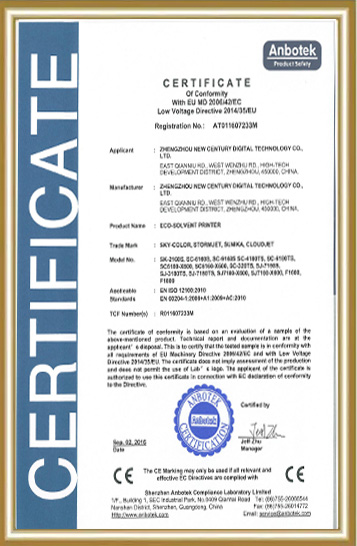
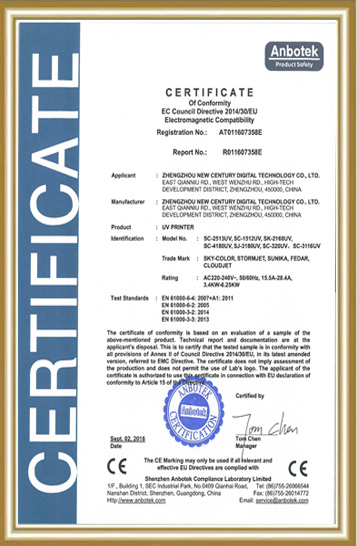
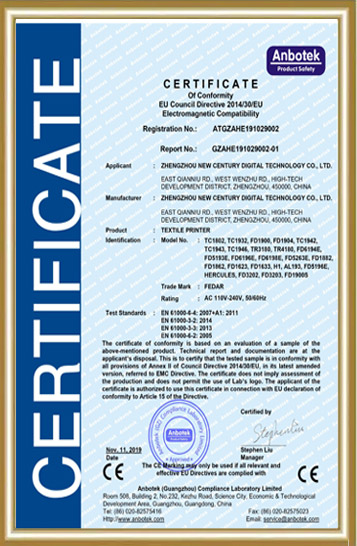
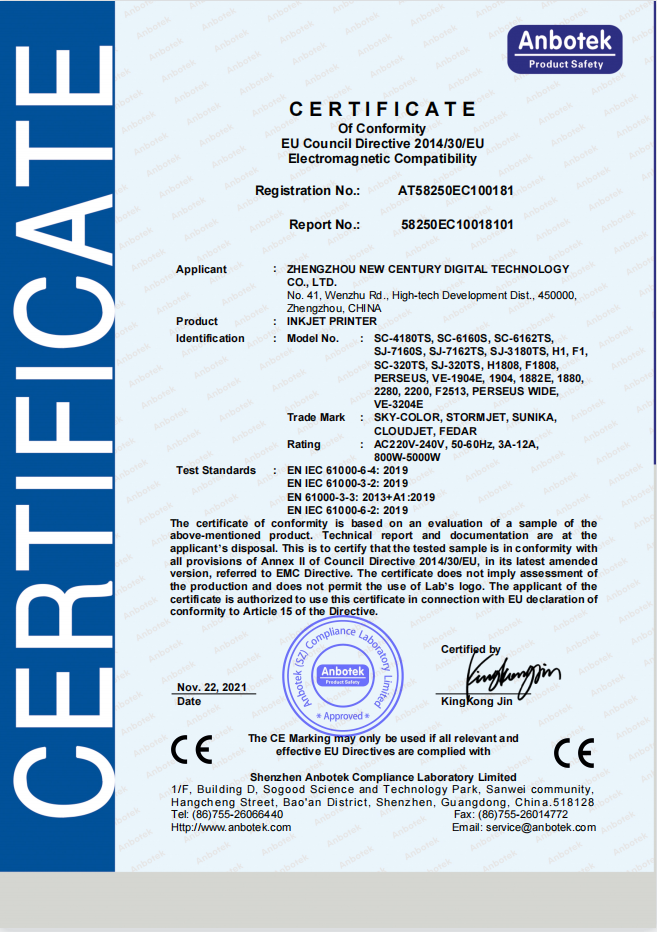
When making decisions about what to buy, companies that have proven production skills and quick service networks should be given priority. Manufacturers of 600mm DTF transfer printer systems with strong production capabilities and established support networks often provide greater long-term value. Fedar runs a 400-person center that focuses on original research and development (R&D) and production. Strict quality control procedures make sure that machines always work the same way. This level of manufacturing steadiness ensures the supply chain for replacement parts, which is very important when machine breakdowns directly affect customer promises. Support after the sale is just as important as hardware stability when it comes to long-term operating success. Full warranties, local service, and professional training programs all help to shorten the learning curve and keep downtime to a minimum during installation. Before making a final purchase, buyers should ask for example copies with their own designs and substrates to make sure they are happy with the quality of the 600mm DTF transfer printer.
Financial Considerations and ROI Planning
Options for borrowing equipment and discounts for buying in bulk can have a big impact on the total cost of a job. A lot of suppliers offer leasing plans that help you keep your operating capital and set regular costs that you can budget for. When figuring out the return on investment, you should look at both the direct income from more production and the secondary benefits, like lower outsourcing costs and faster order delivery. Different models have different price-to-performance ratios. Entry-level dual-head systems work well for companies and startups, while high-throughput configurations support their higher prices by making work easier and providing more services. For at least one year, the warranty should cover printheads and other important parts. There should also be clear rules about professional help and parts availability throughout the equipment's lifecycle.
Optimizing 600mm DTF Transfer Printer Performance in Your Production Line
Getting the right tools is only the first step toward a good application. Systematic workflow optimization and preventative repair practices that keep output high over time lead to operational success.
Workflow Integration Strategies
To get rid of delays, efficient production lines time the steps of printing, powder application, sealing, and heat pressing. A lot of businesses find that their printing capacity is higher than their finishing processes, which leads to a buildup of work-in-progress. To fix this problem, you could add more heat press units or use batch scheduling to make sure that printing runs are in sync with finishing tools. Many workers don't know how important it is to control the environment. For example, keeping the humidity between 40% and 60% stops static electricity from building up on film, which leads to misfeeds and print defects. Temperature stability makes sure that the ink has the same thickness and sealing performance across production runs, which reduces color differences. Standardized working methods for starting up, cleaning, and shutting down a machine keep the quality of the output high while extending the life of its parts.
Quality Monitoring and Continuous Improvement
By setting up quality checks, problems can be found before they reach customers. A visual check right after printing can find problems with the nozzles or the alignment, so problems can be fixed quickly before too much material is wasted. Sample transfers are tested for wash fastness to make sure the quality of the bonding. This makes sure that finished goods meet the ISO 105-C06 Grade 4-5 longevity standards for industrial textiles. Using spectrophotometers for color management keeps Delta E levels below 2.0, which is important for matching brand colors or meeting repeat orders. By comparing real output to equipment specs on a regular basis, performance reviews can find problems before they become major ones. This data-driven method changes maintenance from being a reactive emergency task to planned, expected tasks that cause as few problems as possible.
Preventive Maintenance Protocols
Every day, maintenance of the 600mm DTF transfer printer takes about 10 to 15 minutes, which includes cleaning the automatic heads and wiping down the capping station by hand to keep ink from building up. As part of your weekly duties, you need to clean the film path and check the powder recovery system to make sure the glue is distributed correctly. Every month, the belt tension, vacuum suction performance, and infrared heater tuning of the 600mm DTF transfer printer should be checked using thermal imaging to make sure that the 150°C cure is the same across the whole print width. Keeping detailed service logs helps find problems that keep happening and backs up guarantee claims when parts fail. Building ties with local service providers who know your type of equipment cuts down on the time it takes to get professional help, which protects work schedules and customer commitments when operating a 600mm DTF transfer printer.
Procurement and After-Sales: How to Buy and Maintain Your 600mm DTF Transfer Printer
A successful acquisition of equipment includes more than just the buy itself. It also includes installation, training, and ongoing help that keeps the equipment running smoothly as long as the owner owns it.
Identifying Reliable Supply Channels
Manufacturers with a good reputation usually have both direct sales teams and networks of approved distributors that serve local markets. When you buy directly from makers like Fedar, you can get technical help and maybe even make changes to fit your specific production needs. Authorized distributors offer local support benefits, such as faster delivery of items and the ability to provide help on-site. Check the factory's certificates and ask for customer references from companies that make similar products to the ones you're looking at. At trade shows and industry fairs, you can watch demos of tools and compare products side by side. Online shopping is convenient, but you need to be sure of the seller's qualifications and return policies before you buy something. This is especially important for foreign deals with complicated import and logistics rules.
Pricing Transparency and Budget Planning
The prices of 600mm DTF transfer printers on the market vary a lot depending on their setup, the number of printheads they have, and their automation features. Dual-head beginning models usually start around the mid-five figures, while six-head production systems are more expensive because they can handle more work at once. Buyers should ask for detailed prices that list the parts that are included, the guarantee coverage, the training options, and the ongoing costs of supplies. Base equipment prices can go up a lot because of things like installation fees, freight costs, and the cost of initial ink and film supplies. Making these details clear from the start keeps budget shocks at bay and allows for accurate money planning. If a buyer wants to open more than one location or make a current one bigger, they should discuss bulk prices and delivery schedules that work with the opening dates of the new locations.
Training Resources and Operational Support
Full training for operators speeds up production and cuts down on mistakes that cost a lot during the learning phase. Good makers give thorough instructions, video tutorials, and remote help when setting up their products for the first time. On-site training classes that cover how to use the machine, do regular maintenance, and fix basic problems boost the confidence and skills of operators. Setting up clear ways to talk to technical support teams, like email, phone, and videoconferencing, makes sure that help is available when questions come up. Some suppliers keep online knowledge bases and user groups where operators can share how to solve problems they are having with other operators. These are useful community tools. If you know about the different types of service contracts before the equipment arrives, you can make smart choices about longer warranties and preventative maintenance plans that will protect your long-term investments.
Conclusion
The 600mm DTF transfer printer that can print on both sides of a roll solves important production problems for companies that decorate textiles and make promotional items. Its balanced size, scalable setup options, and excellent substrate compatibility make it a smart investment for companies that want to boost production without spending too much money. The technology's ability to print photographic-quality images on a variety of fabrics quickly fits nicely with market trends toward customization and making fewer items at a time. When used with the right process optimization and preventative maintenance methods, these systems work reliably to help businesses grow and stay competitive in markets that are always changing.
FAQ
What fabric types work best with DTF transfers?
Almost any type of textile base can be used with DTF technology, such as 100% cotton, polyester, nylon, canvas, and blended materials. This method works especially well on dark clothes and sportswear made of high-stretch materials, where other methods fail. The thin TPU adhesive layer moves with the cloth when it stretches without cracking, so the pattern stays the same even after many washings and wearings.
How does operational cost compare to screen printing?
Due to setup depreciation, screen printing has lower per-unit costs for regular runs of more than 500 pieces. When you buy less than 100 units or have designs that need more than one color or a lot of digital detail, DTF can save you money. When setup time, design change options, and product keeping costs are taken into account, DTF often has a lower total cost of ownership for shops that handle a variety of smaller orders.
What causes common print quality issues?
Most of the time, inconsistent output is caused by things in the surroundings, gaps in upkeep, or poor quality consumables. Static electricity from low humidity makes it hard to feed the film, and high humidity makes it hard for the powder to stick. Clogged printheads happen when they aren't cleaned properly or when the ink isn't very good. Transfers that aren't fully dried show that the temperature settings were wrong or that there wasn't enough drying time. Most quality problems can be fixed by controlling the surroundings and doing regular maintenance on these factors.
Partner with a Trusted 600mm DTF Transfer Printer Supplier
Fedar invites textile businesses and equipment resellers to explore our full line of industrial-grade DTF printing solutions engineered for reliability and performance. Our FD60, FD604, and FD606 types have been tested and shown to work well in a variety of production settings. They are backed by manufacturing know-how from our 400-person center that focuses on original equipment development. We understand that buying equipment is a big commitment; that's why we offer thorough pre-purchase advice, sample printing services using your own designs, and clear pricing with full breakdowns of each component. Our expert support team is available through a variety of channels, such as email at info@tex-printer.com, so you can get quick answers to any questions you have about how the printer works. Whether you're setting up a new production line or increasing the capacity of an existing one, our experts can help you find the setup that meets your budget and flow needs. Make an appointment for a meeting right away to get personalized suggestions and cheap quotes that will help you make the most of your production capabilities.
References
1. Johnson, M. (2023). Direct-to-Film Printing Technologies: Industrial Applications and Process Optimization. Textile Manufacturing Press.
2. Anderson, R. & Chen, L. (2024). "Comparative Analysis of Digital Textile Decoration Methods: Cost, Quality, and Throughput Metrics." Journal of Industrial Printing Technology, 18(2), 145-162.
3. Williams, S. (2023). Equipment Selection Strategies for Commercial Garment Decoration. Print Industry Publishing.
4. Thompson, K. (2024). "Roll-to-Roll Processing in DTF Systems: Engineering Considerations for Production Environments." Advanced Manufacturing Review, 31(4), 78-94.
5. Martinez, D. (2023). Quality Control Standards for Textile Transfer Printing. International Textile Association.
6. Roberts, P. & Zhang, W. (2024). "Maintenance Best Practices for Industrial DTF Equipment: Extending Service Life and Reducing Downtime." Digital Printing Maintenance Quarterly, 12(1), 23-37.

Kevin Zhang
Kevin Zhang is a senior R&D engineer in the digital textile printing field, focusing on the innovation and industrialization of digital printing equipment, direct-to-fabric processes, and application solutions. Achievement: Led the in-house development and mass production of multiple textile printers and direct-to-garment printers, driving their large-scale adoption in textile, advertising, home decor, and customized markets.
We Look Forward to Your Email
Please send us product information that interests you, and we will provide you with one-on-one service.
_1778203196111.png)
Recommended Blog

What are the maintenance requirements for direct to film printer?
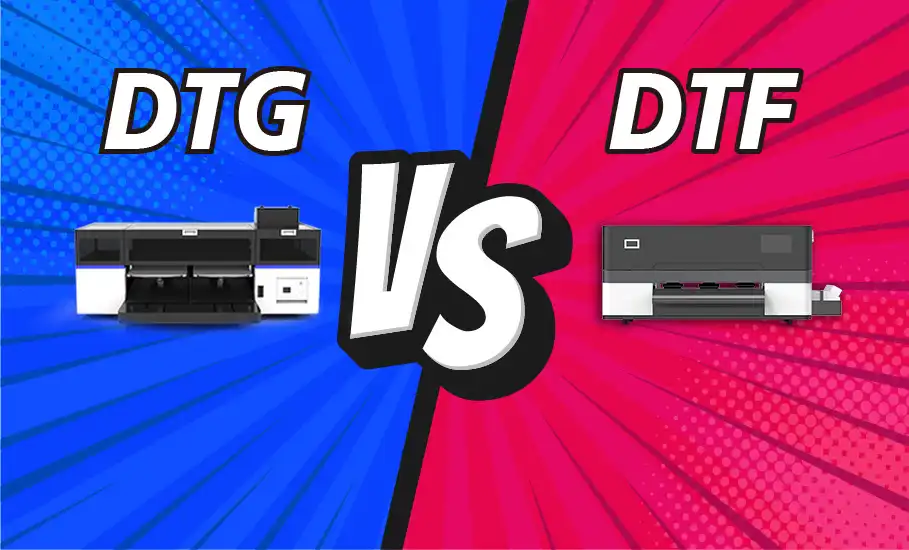
DTG vs DTF Printing:The Pros and Cons of Direct Printing Technologies.
Understanding 24 Inch DTF Printer Technology for Efficient Print Shop Growth
 Printer Considerations_1779869621127.webp)
A3 DTF Printer: with vs. without Oven System How To Choose?
Understanding the 24 inch DTF Printer: Features, Benefits, and FAQs