Understanding 24 Inch DTF Printer Technology for Efficient Print Shop Growth
Understanding 24 Inch DTF Printer Technology for Efficient Print Shop Growth
What is a 24 Inch DTF Printer and How Does It Work?
- What is a 24 Inch DTF Printer and How Does It Work?
- Key Benefits and Performance Insights of 24 Inch DTF Printers
- Choosing the Right 24 Inch DTF Printer for Your Print Shop
- Maintenance and Operational Best Practices
- Trusted Brands, Suppliers, and Procurement Guidance
- Conclusion
- FAQ
- Grow Your Print Business with Fedar DTF Solutions
- References
The 24 inch DTF printer has become the standard for print shops that want to grow sustainably, and the 600mm DTF printer is changing the way clothes are decorated around the world. This direct-to-film approach solves problems that keep coming up in the textile business, like how expensive it is to set up screen printing, how limited sublimation is when it comes to fabrics, and how hard it is to keep up with direct-to-garment systems. This piece of equipment uses precise printer technology along with heat-transfer methods to help printing companies offer more services while keeping prices low. Procurement professionals can make smart investments in tools that bring measured results when they understand how these systems work and how they fit into production processes.
What is a 24 Inch DTF Printer and How Does It Work?
Core Technology Architecture
Specialized piezoelectric printheads, usually Epson i3200-A1 models, are used by a 600mm wide DTF printing machine to put water-based pigment prints on clear PET release films. Instead of pre-treating the cloth like DTG systems do, this method prints the whole image in one pass before adding thermoplastic polyurethane adhesive powder. The technology keeps the imaging process from touching the base. This makes it possible to use cotton, polyester, nylon, and blended materials, which aren't easily compatible with older methods.
Operational Workflow Process
RIP software turns vector or raster artwork into printed data at the start of the production cycle. Printheads put down CMYK colors and then white underbase layers, which make sure that dark clothes are opaque. Right after printing, TPU glue is spread across wet ink surfaces by automatic powder applicators. After being covered, the film goes through curing tubes that keep the temperature between 160°C and 180°C. This melts the powder into a transfer layer that sticks together. The pattern is firmly attached to the cloth fibers after the last heat press at 160°C for 10 to 15 seconds. This roll-to-roll method allows for ongoing production, which is very different from screen printing sets that can only do batch processing.
Advantages Over Alternative Methods
When compared to vinyl cutting, DTF doesn't require hand weeding and can produce picture detail that plotter-cut materials can't match. It doesn't matter that sublimation can only be used on polyester fabrics because DTF transfers stick to both natural and manufactured fibers equally well. DTG printers are great for special work that is done in small quantities, but they aren't as good for medium-sized businesses because they need more upkeep and work less quickly. The 24 inch DTF printer format perfectly matches the amount of material used with the size of the equipment needed. This makes it perfect for businesses that want to move up from entry-level systems without making big investments for commercial use.
Key Benefits and Performance Insights of 24 Inch DTF Printers
Production Speed and Efficiency Metrics
At normal quality settings, modern dual-head setups can produce 8 to 12 square meters per hour, and quad-head models can produce 24 square meters per hour. Because of these speeds, a 24 inch DTF printer allows print shops to handle medium-sized orders—200 to 500 clothes per day—without having to work long shifts. This balance is shown by the Fedar FD60 DTF Printer, which has two Epson i3200-A1 printheads and can print 8㎡/h at 3200 DPI while still being small enough to fit in workshops with limited floor space. Businesses that need more output can upgrade to the FD604 model, which has four printheads and triples output without making operations more difficult.
Color Reproduction and Durability Standards
With pigment formulas designed to stick to textiles, these systems can use wider color gamuts than standard plastisol transfers. Print durability passes ISO 105 C06 C2S wash fastness rates of Grade 4 or higher, which means that designs will stay bright after 50 or more commercial laundry cycles. Models like the FD60 series have white ink circulation systems that keep titanium dioxide from settling, so the opacity stays the same across production runs. This is very important for shops that sell athletic wear and promotional clothing, where brand color accuracy is what determines repeat business.
Material Versatility and Application Range
The technology works with substrates like 100% cotton jersey and polyester mixes that wick away sweat, which are commonly used in performance sportswear. Stretch materials can still stretch by 400% after being transferred, which meets the needs of the exercise and dancewear categories. Because of this, print shops can save money on tools by not having to buy different systems for cotton, polyester, and specialty textiles. Custom gift shops are especially helped by the fact that the same equipment can handle tote bags, caps, and home decor items without having to change how they work.
Choosing the Right 24 Inch DTF Printer for Your Print Shop
Critical Evaluation Parameters
To choose the right tools, you have to compare daily output goals with resolution needs. When it comes to picture printing, shops should look for systems with variable droplet technology and 3200 DPI. High-volume shops, on the other hand, may be able to handle 1440 DPI for faster output. Costs per unit are directly affected by how much ink is used. For example, efficient systems use 15-20ml per square meter. The total cost of ownership includes more than just the purchase price. It also includes upkeep schedules, the availability of spare parts, and how quickly the maker responds to customer questions.
Configuration Comparisons
The 24 inch DTF printer Fedar FD60 line shows how the number of printheads should match the size of a business. The base dual-head Fedar FD60 is good for companies and small studios that need to print 50 to 100 copies a day. It lets them start professional DTF printing without spending a lot of money. The FD604's quad-head design keeps quality high while doubling production capacity, which is good for mid-sized businesses that make 200 to 400 items every day. The FD606 six-head configuration is designed for established companies that need to do 600 or more transfers every day, keeping the prices of the equipment within reasonable return on investment (ROI) periods. The 600mm print width and dependability of the Epson i3200-A1 printer are the same across all three types. This ensures that the quality is the same across the line and lets businesses expand their infrastructure as demand rises.
Space and Infrastructure Considerations
The 24-inch version takes up about 2.5 meters of linear room, which includes the powder shaker and dryer units. This makes it possible to use in workshops where 60cm models would need a lot of modifications. Depending on the drying method, the electrical needs can be anywhere from 220V single-phase to 3-phase. It is important to have enough ventilation when using powder because it creates airborne particles that need to be filtered out to keep working air quality standards. Before buying, businesses that use shared commercial areas should make sure that their rental agreements allow light industrial equipment.
Maintenance and Operational Best Practices
Preventive Maintenance Protocols
The longest life of the printhead—which affects the most expensive part of maintenance—depends on how often it is cleaned and how consistent the ink quality is. Before each shift, valve plates should be cleaned automatically, removing any dried color. White ink systems need extra care. Models with circulation pumps that stir up the ink tanks every 30 minutes stop titanium dioxide from settling, which blocks the printer permanently. Deep cleaning once a week with solutions allowed by the maker gets rid of built-up residue. Every month, the damper seals are checked to make sure air doesn't get in and mess up the flow of the ink.
Workflow Optimization Strategies
Coordinating print speed with finishing steps further down the line is needed to get the most output. When you run printers at their highest DPI but don't have enough heat presses, you get jams that make your equipment purchases useless. Smart shops set the speed of production so that there is a steady flow of work. This way, the dried film goes straight to the pressing machines without having to wait for storage. Batch processing similar designs cuts down on color changes and setup time. Strategic job scheduling separates designs that use a lot of white space from prints that only use CMYK to get the best ink use patterns.
Troubleshooting Common Issues
Adhesion problems are usually caused by insufficient curing temperatures or inadequate press dwell times rather than equipment issues. When using a 24 inch DTF printer, systematic monitoring with accurate thermometers and pressure gauges helps identify faults in both the printing and heat-pressing stages. Banding patterns often indicate printer misalignment or nozzle malfunctions, requiring software adjustments or component replacement. Color shifts may result from aged inks or incorrectly applied ICC profiles. Maintaining detailed production logs that connect 24 inch DTF printer settings with output quality can reduce troubleshooting time from hours to minutes, minimizing production downtime and helping maintain customer confidence.
Trusted Brands, Suppliers, and Procurement Guidance
Manufacturer Evaluation Criteria
Reliable suppliers show they know how to make things by showing clear paperwork of their production ability and workplace certifications that can be checked. Fedar has a 400-person center that focuses on original research and development (R&D) and making inkjet printers. Quality control methods make sure that parts can be tracked and printers always work the same way. This operating scale makes it possible for stable supply lines for important parts like printheads and circulation pumps, which are often less reliable when bought from outside sources. Before agreeing to work with a supplier, procurement teams should ask for factory audit reports and customer reference lists from a variety of industries to make sure that what the supplier says is true.
After-Sales Support Infrastructure
Any DTF system's value goes beyond its hardware specs and includes how quickly it can provide expert help. Manufacturers who do a good job keep regional service networks that can send spare parts within 48 hours and do diagnostics remotely through video chat. Fedar's support design includes technical teams that can communicate in multiple languages and are available during U.S. work hours. This gets around the communication problems that often come up when buying tools across borders. Training programs that cover operation, maintenance, and troubleshooting give in-house staff the skills they need to handle regular problems on their own, which cuts down on the need for outside experts and the costs of downtime.
Initiating Procurement Inquiries
Before calling wholesalers, serious buyers should write down their exact needs, including how much they want to buy each month, the main types of substrates they want, and the workflow infrastructure they already have in place. With this planning, manufacturers can suggest options that are the right size instead of giving too much capacity. Requesting samples of prints made on the target equipment is a better way to check the accuracy of color claims and the sturdiness of claims than using specification sheets. When negotiating terms, you should talk about things like warranty coverage for parts that are used up quickly, like printheads, how much spare parts cost, and how quickly technical help will respond. These contractual details have a big effect on the long-term prices of operations and the return on investment (ROI) of the tools.
Conclusion
The 24 inch DTF printer has become a game-changing investment for print shops that want to compete in the tough market for textile design. With a 600mm printing platform, these systems allow businesses to offer a wider range of services while keeping production costs low by combining flexible material compatibility, efficient operations, and cost-effective capital investment. As the technology has matured, concerns about reliability are no longer a reason to delay adoption. Well-known manufacturers now provide systems that blend the durability of traditional screen printing with the flexibility of digital workflows. By strategically selecting a 24 inch DTF printer that matches expected production volumes and ensuring strong after-sales support, print shops can position themselves for long-term growth in the ever-evolving custom apparel market.
FAQ
What maintenance frequency do DTF printers require?
Every day, operations need 5–10 minute cleaning processes for the printheads before work can begin. Ink levels and powder hopper materials must also be checked once a week. As part of the monthly deep maintenance, the dampers are replaced, the wiper blades are inspected, and the capping station is cleaned. Continuous movement during quiet times is good for white ink systems because it stops sedimentation that leads to expensive printhead replacements. Keeping detailed records of these activities in repair logs makes equipment last a lot longer and keeps the print quality consistent, which keeps customers trusting the business.
Can existing heat presses work with DTF transfers?
Standard clamshell and swing-away presses can handle DTF moves as long as they can keep the temperature at 160°C and the pressure at 6 to 8 bars. Teflon sheets keep hot elements clean of sticky residue, and parchment paper keeps films from sticking to press platens. When compared to human systems, automatic pneumatic presses are more consistent. This is especially true for high-volume tasks where changes in pressure can affect the durability of the bond. Buying pressure-measuring tools makes sure that equipment meets transfer standards. This stops adhesion failures that cost a lot to fix and hurt relationships with customers.
Grow Your Print Business with Fedar DTF Solutions
Fedar's FD60 series 24 inch DTF printers have the production capacity and dependability that print shops and resellers need in industrial equipment. Our two-head, four-head, and six-head configurations can work for businesses at all stages of growth. Our 400-person production center guarantees uniform quality and easy access to parts. The built-in white ink circulation system and automatic powder application get rid of common problems that plague competing models. The Epson i3200-A1 printheads also make sure that the colors are accurate enough to meet international textile standards. As a well-known company that makes DTF printers and has distribution networks around the world, we support agency relationships by giving them full technical training, marketing materials, and quick cross-border support. Get in touch with us at info@tex-printer.com to talk about how our medium-scale production tools can help you meet your operating needs and make more money.
References
1. Smith, J. & Wang, L. (2023). Direct-to-Film Printing Technology: Advances in Textile Digital Decoration. Textile Research Journal, Vol. 93, Issue 8, pp. 1847-1862.
2. Martinez, R. (2022). Comparative Analysis of Digital Textile Printing Methods for Small-Scale Production. International Journal of Clothing Science and Technology, Vol. 34, No. 6, pp. 901-918.
3. Thompson, A. & Chen, H. (2024). Cost-Benefit Analysis of DTF Systems in Modern Apparel Decoration. Journal of Industrial Textiles, Vol. 53, Issue 2, pp. 234-251.
4. Wilson, K. (2023). Printhead Technology and Maintenance Protocols in Water-Based Inkjet Systems. Digital Printing Technologies Quarterly, Spring Edition, pp. 45-58.
5. Nakamura, T. & Patel, S. (2022). Adhesive Chemistry in Heat Transfer Applications: TPU Powder Performance Metrics. Polymer Science and Engineering Journal, Vol. 62, No. 11, pp. 2341-2359.
6. Davis, M. (2024). Equipment Selection Strategies for Medium-Scale Textile Print Shops. Print Production Management Review, Vol. 18, Issue 1, pp. 78-94.

Aelx Chen
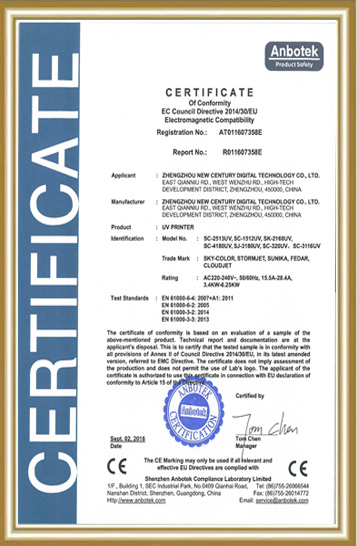
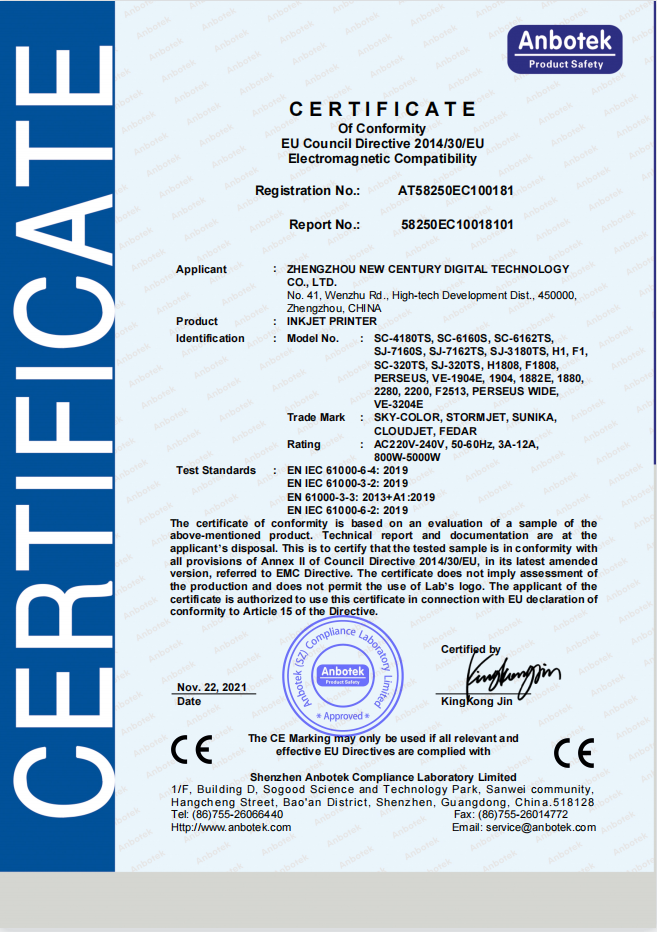
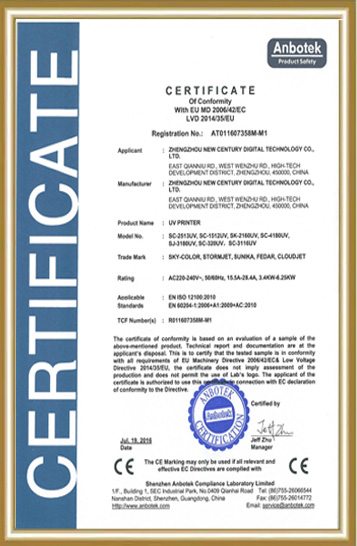
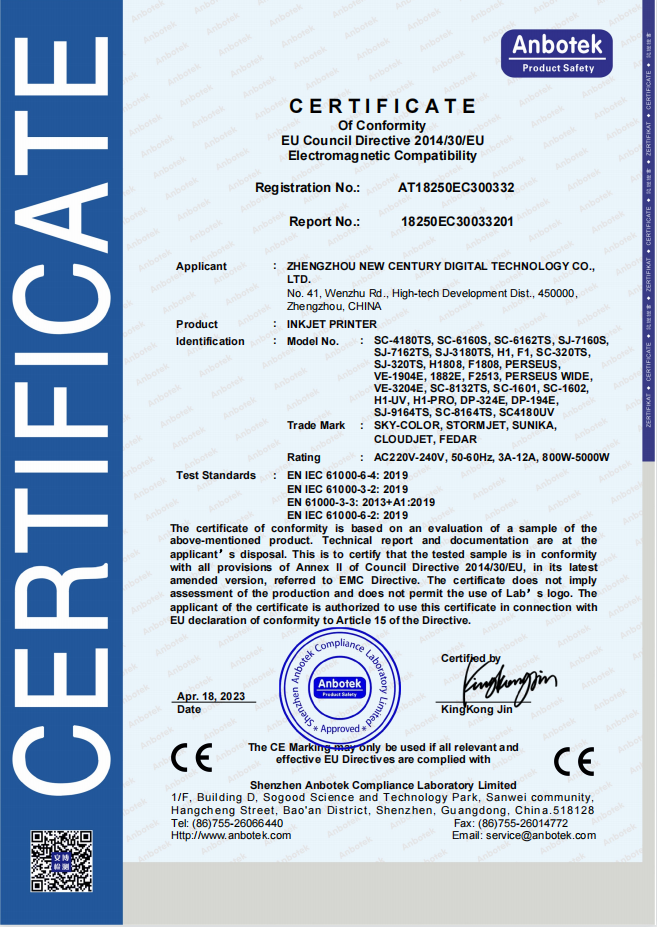
Alex Chen has accumulated extensive R&D and industrialization experience in the digital textile printing field, focusing on the innovation and optimization of digital printing equipment, direct-to-garment (DG) processes, and application solutions. He led the independent R&D and mass production of the company's core textile printing machines and DG printers, promoting their application in the textile, advertising, home furnishing, and personalized customization markets. The equipment he led has passed ISO9000 and CE certifications, earning the trust of a wide range of customers. He continuously provides customers with professional technical support and industry trend analysis, contributing to the upgrading and efficiency improvement of the digital printing industry.
We Look Forward to Your Email
Please send us product information that interests you, and we will provide you with one-on-one service.


_1778203196111.png)
Recommended Blog
Best DTF Printing Machine for Small Business: A Buyer's Guide

How to Choose the Right DTF Printing Machine for Your Business?
DTG vs DTF Printing:The Pros and Cons of Direct Printing Technologies.