The Best DTF Printer For Small Business
Understanding 24 Inch DTF Printers and Their Technology
- Understanding 24 Inch DTF Printers and Their Technology
- Comparing 24 Inch DTF Printers With Other Printing Technologies
- How to Choose the Best 24 Inch DTF Printer for Your Business
- Procurement Tips: How and Where to Buy 24 Inch DTF Printers
- Maintaining and Troubleshooting Your 24 Inch DTF Printer
- Conclusion
- FAQ
- Partner With Fedar for Your DTF Printing Success
- References
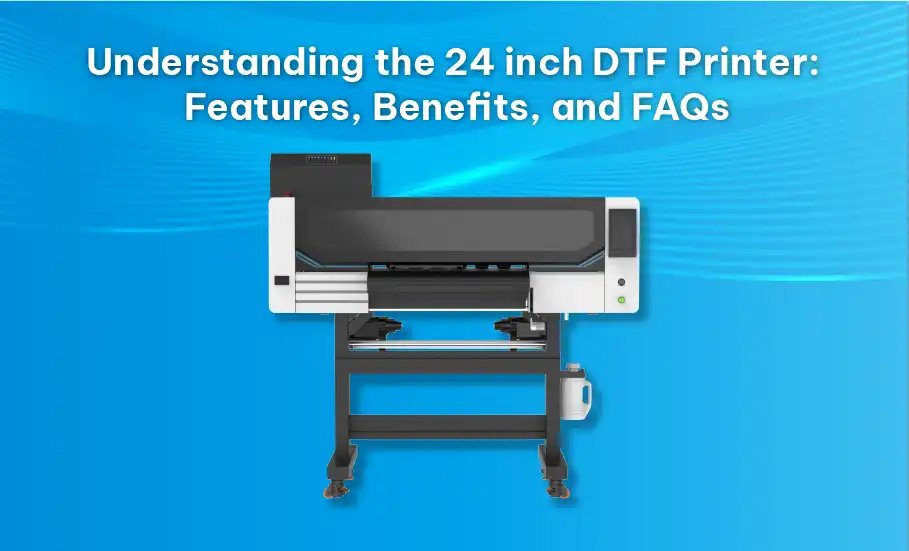
When it comes to small businesses, a 24 inch DTF printer is the best choice because it has the right amount of production ability and room efficiency. This mid-format answer solves the main problems small businesses have, like having limited funds and space, and the need to be able to print on a variety of fabrics, like cotton, polyester, and blended fabrics. An entry-level PC unit that limits growth or a full-width industrial system that needs a big investment in capital are not like a 60cm-width Direct-to-Film printer. It can print more and more, and it can still be used for custom orders and medium-run production.
Understanding 24 Inch DTF Printers and Their Technology
What Makes DTF Technology Different
Through a unique transfer process, Direct-to-Film printing changes the way clothes are decorated. CMYK and white pigment inks are put on a PET release film by the printer. This makes a mirror copy of your drawing. After heat sealing, a TPU sticky powder is put on top of the printed film. This sticks the powder to the ink layer. When you heat press, the pattern stays on the fabric forever, so you don't have to use the expensive chemicals that Direct-to-Garment methods need to treat the fabric first.
Core Components of a 24 Inch System
Modern DTF printers have precise parts that work together. Epson i3200-A1 printheads are the most popular on the market because they are reliable and consistently place droplets. With these piezoelectric heads, you can change the size of the droplets from 3.5 to 12 picoliters. This lets you get smooth patterns and clear text at up to 3200 DPI. The white ink circulation system keeps the titanium dioxide color from settling by moving and filtering it all the time. This fixes a problem that many other systems have.
Why Small Businesses Choose 60cm Width
The 600mm print width makes the best use of the cloth. When compared to 13-inch printers, which are narrower, you can nest multiple small designs inside each other or make a single big image that is up to 23.6 inches wide. This cuts film waste by about 30%. This size is exactly the same as normal clothing sizes, so you can print adult XXL chest patterns without having to split the artwork across multiple transfers.
Comparing 24 Inch DTF Printers With Other Printing Technologies
DTF Versus Screen Printing
Screen printing needs different screens for each color, which makes it too expensive to make small batches, and setting up the screen takes 45 to 60 minutes. A 24 inch DTF printer gets rid of all of these problems. The cost per piece is the same whether you print one unique shirt or 500 similar ones. You only pay for the ink and film that you use. This gives small businesses new ways to do things like sample runs and restricted editions.
DTF Compared to DTG Technology
Direct-to-Garment printing works great on 100% cotton, but not so well on polyester or dark materials. Pre-treatment sprays cost more in terms of time and chemicals, and the process usually needs two passes, one for the white underbase and another for the color layers. When DTF is used on synthetic mixes, the wash longevity is better, and properly cured transfers can last through 50 or more industrial wash cycles without breaking. The heat-pressed TPU layer also helps cotton sportswear recover from stretching better, so the graphics stay in place while you move.
Sublimation Limitations That DTF Solves
Sublimation only works on white or light-colored clothes and needs polyester content above 65%. Because of these rules, about 60% of the clothing market is gone. We can print bright, full-color images on black cotton, tri-blends, fabric tote bags, and even leather with a 24 inch DTF system. Because this material is so flexible, small businesses can take orders that other shops in the area can't, which lets them get a bigger share of the market without having to buy multiple technologies.
How to Choose the Best 24 Inch DTF Printer for Your Business
Assessing Your Production Requirements
First, figure out how many pages you print each week. A company that makes 50 to 100 clothes every day needs tools that can work with 10 to 15 square meters of space per hour. Choosing the right configuration has a direct effect on throughput. For example, dual-head models like the FEDAR FD60 can give 8㎡/h at 6-pass quality settings, which is good for companies that want to produce high-quality audio. When the number of orders goes up, four-head systems like the FEDAR FD604 triple the production speed to 24㎡/h while keeping the same 3200 DPI resolution.
Critical Technical Specifications
How well your drawings look on fabric depends on the print quality. Fine features like small fonts and photographic skin tones are reproduced correctly at 3200 DPI, with no banding that can be seen. Epson i3200-A1 printheads regularly offer this level of clarity over millions of fire cycles, and each nozzle usually lasts longer than 2 billion drops. Full-spectrum printing is handled by the CMYK+W color setup. The white ink channel provides opaque underbase coverage in a single pass.
Workflow Automation Features
Modern 24 inch DTF printers use technology, which has a direct effect on the cost of work. Auto powder shaking gets rid of the need to apply by hand, spreading the glue evenly over wet prints. Built-in drying tubes with precise temperature zones make sure that all the powder melts without burning the thin films. With a roll-to-roll filling method, you can load a 100-meter film roll and leave the machine to work for hours without stopping. These features lower the amount of work that needs to be done by a person, from constant tracking to regular restocking.
Evaluating Brand Support Infrastructure
After-sales assistance is just as important as hardware specs when it comes to long-term success. Fedar runs a 400-person factory that is solely for developing unique equipment. This makes sure that there is a steady supply of parts and that quality is maintained. This level of production works with global delivery networks that have technical agents in each country. When printheads need to be replaced, or software needs to be updated to work with new types of cloth, response time is measured in hours instead of weeks, which is very important when customers have tight deadlines.
Procurement Tips: How and Where to Buy 24 Inch DTF Printers
Authorized Dealers Versus Marketplaces
It seems like online markets have better prices, but there are hidden costs that quickly become clear. Third-party sellers often don't have the technical knowledge to help with setting up profiles, and insurance claims often need to be sent internationally at the buyer's cost. Authorized dealers help with installation, teach operators, and give customers access to the technical teams at the maker. This relationship is very helpful for fixing problems with color matching or finding the best choices for specific fabrics like fleece or performance mesh.
Warranty Terms That Matter
Standard guarantees cover electronics for 12 months and printheads for 90 days. Printheads are consumable parts that will wear out over time. Premium brands like Fedar cover printheads for six months and offer expert support for life, which shows that they are confident in the quality of their parts. Pay attention to what the guarantee doesn't cover. Usually, damage caused by third-party inks or bad upkeep will not be covered. Some providers offer long-term service plans that include preventative maintenance once a year and faster shipping of spare parts.
Financing Options for Growing Businesses
Lending money for equipment through specialized lenders helps keep operating capital. Terms are usually between 24 and 60 months, and acceptance is based on the credit rating of the business. Leasing is another option. It's especially good for tax reasons because the monthly payments can be written off as business costs. Talk about these options with the 24 inch DTF printer seller you've chosen early on in the negotiation process. Reputable dealers keep in touch with funding partners who know how much digital printing equipment is worth.
Maintaining and Troubleshooting Your 24 Inch DTF Printer
Daily Maintenance Routines
90% of common mistakes can be avoided with consistent daily care. Every day before starting work, run automatic nozzle checks and look at the test pattern for missing jets or streams that have been redirected. Clean the capping station with a solution recommended by the maker. This will get rid of any dried ink that might cause the vacuum seal to fail during parking. Check that the white ink is moving by listening to the stirring device to make sure it is turning smoothly and not making any grinding noises. These quick checks find problems before they get worse and cost a lot to fix.
White Ink Management Best Practices
Because titanium dioxide settles, white ink gets more service calls than any other color put together. There are several things that can be done to stop this: never turn off the printer for more than 48 hours without running a cleaning cycle, keep the room temperature above 20°C to lower stickiness, and change the filter cartridges every 30 days, even if they look clean. The FEDAR FD60 series has automatic circulation timers that work even when the system is not being used. This makes white ink jams much less common than in systems that need to be stirred by hand.
Recognizing When to Request Professional Support
Some problems go beyond what's possible in-house. If the banding stays there after several cleanings, it means the printer is broken and needs to be replaced. Color changes that happen all of a sudden on all of the pictures could mean that the ink has passed or is contaminated. Roller bearings wear out because of mechanical rubbing while the film is being fed. If you try to fix something without the right training, you could lose your warranty and cause more damage. Manufacturers like Fedar have technical support lines filled by engineers who know your model and can help you with tests that can fix 70% of problems online.
Optimizing Consumable Usage
The cost of film and powder has a direct effect on the earnings per piece. Instead of using the usual full-width settings, correctly size print areas to fit real designs to cut down on waste. Try different powder application rates. Too much covering makes it more expensive without making it stick better. Through tests, many workers find that they can cut the amount of powder they use by 15 to 20 percent while keeping the wash's durability. Keep careful records of how much ink is covered per square meter on different types of cloth. This will help you create baseline data that shows any unusual trends of ink use that could mean there are problems with the system.
Conclusion
To choose the best 24 inch DTF printer for small business growth, you have to weigh your short-term budget needs against your long-term needs for scalability. An ideal 24 inch DTF printer is in the middle, with enough production capacity to meet current order numbers and room for future growth through multi-head setups. The technology is naturally adaptable to different types of cloth and color ranges, so there is no need for multiple specialized systems. This maximizes the return on equipment investment. Small companies can turn their printing skills from a problem to an advantage by working with well-known manufacturers that offer full technical support and a local service infrastructure. This way, they can take advantage of market opportunities that lead to steady revenue growth.
FAQ
What fabrics work best with 24 inch DTF printers?
DTF prints stick to cotton, polyester, mixes, nylon, canvas, and treated leather for good. 24 inch DTF printers can print bright colors on 100% cotton, while sublimation needs a lot of polyester. The TPU adhesive layer is flexible, which keeps stretch fabrics like spandex from breaking. This technology is perfect for making sports wear. When printing on dark fabrics, the CMYK+W setup takes care of the white ink underbase for you.
How do DTF prints compare to DTG in wash durability?
When properly cured, DTF transfers usually last longer than DTG prints. They can handle 50+ industrial wash runs at 60°C without fading. Instead of just counting on the ink to soak into the fibers, the thermoplastic glue makes a mechanical bond. Tests show that DTF keeps colors brighter longer on polyester blends than DTG, which has trouble with ink sticking to the fabric. Both technologies work well on high-quality 100% cotton, but DTF is more stable for businesses that deal with a wide range of order types because it works better with mixed materials.
Partner With Fedar for Your DTF Printing Success
Adding a reliable 24 inch DTF printer manufacturer to your production line will set your business up for real progress. Fedar has been working with Direct-to-Film technology for more than ten years and runs a 400-person operation that only works on industrial printing solutions. From entry models with two heads to production powerhouses with six heads, our FEDAR FD60 line has the proven dependability that our sales partners count on. Each system comes with full installation instructions, sample print kits that can be used right away to show customers how it works, and direct access to our technical engineering team. Get in touch with us right away at info@tex-printer.com to talk about custom prices for large orders, open partnership options, and to get sample prints that show off the quality of our 3200 DPI output. We help you succeed by providing reliable shipping networks, competitive agent profit structures, and quick customer service after the sale that keeps your relationships with your customers safe.
References
1. Garment Decoration Magazine. "Direct-to-Film Printing Technology Overview: Process Parameters and Applications." 2024 Industry Technical Report.
2. Textile Printing Association. "Comparative Wash Durability Study: DTF, DTG, and Screen Printing on Mixed Fabrics." Journal of Digital Textile Printing, Volume 17, 2023.
3. Digital Printing Solutions Institute. "Cost Analysis of Small Business Garment Decoration Technologies." Equipment Investment and ROI White Paper, 2024.
4. International Textile Research Council. "Adhesive Powder Chemistry in Direct-to-Film Transfers: TPU Performance Characteristics." Material Science Quarterly, 2023.
5. Print Production Efficiency Standards Board. "Printhead Technology Comparison: Piezoelectric Systems in Industrial DTF Applications." Technical Bulletin 2024-03.
6. Small Business Printing Technology Forum. "Market Analysis: Growth Patterns in Custom Apparel Decoration 2020-2024." Annual Industry Survey Report.

Leo Li
Leo Li is a promoter of small-batch quick response and flexible manufacturing solutions, focusing on short-process printing solutions for e-commerce customization, fast-turn orders, and personalized production. Achievement: Helped customers achieve a "one-piece minimum, same-day shipping" production model, significantly reducing sampling and delivery lead times while lowering overall operating costs.
We Look Forward to Your Email
Please send us product information that interests you, and we will provide you with one-on-one service.



_1778203196111.png)
Recommended Blog
Best DTF Printing Machine for Small Business: A Buyer's Guide
How to Choose the Right DTF Printing Machine for Your Business?