What Need Prepare For DTF Pet Film Printing And How It Work?
Understanding DTF Pet Film Printing: Technology and Workflow
- Understanding DTF Pet Film Printing: Technology and Workflow
- Preparation Essentials for Successful DTF Pet Film Printing
- Advantages and Value Proposition of DTF Pet Film Printing for B2B Clients
- Maintenance, Troubleshooting, and Longevity Tips for DTF Pet Film Printers
- Smart Procurement: Choosing and Buying the Right DTF Pet Film Printer
- Conclusion
- FAQ
- Partner with Fedar for Your Direct-to-Film Success
- References
Direct-to-film technology has changed garment decorating and bespoke textile printing. Understanding the equipment ecology and operational workflow is key to DTF PET film printing preparation and operation. DTF PET film printers employ pigment inks to print graphics on coated polyethylene terephthalate film, which is heated and pressed into fabric. To achieve consistent, professional results, choose suitable printers, quality film and ink, auxiliary equipment like powder applicators and heat presses, and appropriate environmental conditions and staff training methods.
Understanding DTF Pet Film Printing: Technology and Workflow
What Makes Direct-to-Film Different from Traditional Methods?
Direct-to-film decouples printing from substrate application, unlike screen printing and direct-to-garment. The DTF PET film printer prints colorful images onto a release-coated film that sticks to almost any fabric, unlike DTG methods that require pre-treatment chemicals and perform best on cotton. The versatility allows printing on cotton, polyester, mixes, nylon, canvas, and leather without worrying about color or composition.
Core Components of a DTF Printing System
Direct-to-film systems nowadays include numerous crucial components that function together. The Epson F1080-A1 or i3200-A1 printheads with 1600–2400 DPI droplet control are the core of every configuration. Titanium dioxide sedimentation causes production-stopping nozzle jams. White ink circulation systems avoid this issue. Heated platens or drying tunnels cure ink without burning film at 110°C to 150°C. Take-up and let-off rollers are automated to maintain film tension throughout extended production runs.
Step-by-Step Printing Workflow
Start with design preparation utilizing RIP software to handle color profiles and white ink layers. The DTF PET film printer prints CMYK colors plus white on the PET film's coated surface, starting with white ink for opacity on dark textiles. A powder shaker distributes thermoplastic polyurethane adhesive powder to wet ink immediately after printing, bonding to the ink but not the film's release layer. The powder is melted in a curing oven to create a flexible transfer layer on the film. The printed film can be kept or transferred using a heat press at 160-170°C for 10-15 seconds, depending on fabric type, after cooling.
Quality Control Checkpoints Throughout Production
Professional operations check various aspects to ensure output consistency. Nozzle check patterns are checked daily to ensure 100% firing accuracy across all channels. Ink-film compatibility tests verify oil-bleeding resistance and ensure the coating maintains wet ink without feathering. Infrared sensors monitor curing tunnel temperatures for powder melting uniformity. Post-transfer adhesion is assessed by cross-cut tape tests of mechanical bond strength. Tension stability testing keeps color and white layer registration faults under 0.02mm.
Preparation Essentials for Successful DTF Pet Film Printing
Selecting the Right Printer Configuration
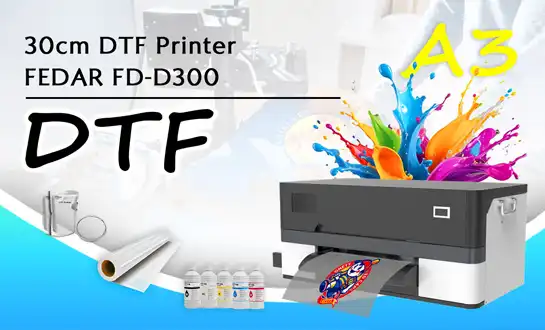
Operating efficiently and profitably requires equipment that matches production goals. Startups and sample producers can use entry-level devices like the FEDAR FD-D300. A single-head Epson F1080-A1 printhead with 1600 DPI resolution and a 300mm print width produces 10 A3 or 20 A4 prints per hour in full CMYK+White. The small footprint saves floor space, electricity, and upkeep.
For businesses expecting larger volumes, dual-head solutions like the FEDAR FD-D302 quadruple throughput to 31 A3 or 62 A4 prints hourly while preserving quality and color. Both methods enable cost-effective small batch manufacturing and sample development with print-on-demand processes and no minimum order quantities. DTF PET film printers appeal to advertising businesses, gift customizing services, and textile studios, testing market demand before growing because of their industrial-quality output and desktop simplicity.
Essential Auxiliary Equipment and Consumables
Complete manufacturing lines require various supporting equipment beyond the printer. A heat press with uniform temperature and pressure guarantees accurate transfers across fabric kinds. Adjusting powder shaker vibration settings controls adhesive application thickness, impacting hand-feel and wash durability. Curing ovens with adjustable temperature zones and conveyor speed controls melt TPU powder precisely without compromising the film foundation.
Consumable choice greatly affects print quality and cost. Premium films provide uniform coating thickness and release qualities that prevent transfer problems. DTF-specific pigment inks achieve higher color gamut accuracy (ΔE < 2.0) and wash fastness (Level 4-5) to ISO 105-C06 requirements. Finer adhesive powder particles alter flexibility and opacity, giving finished clothes a softer hand-feel.
Environmental Conditions and Workspace Setup
Temperature and humidity management are undervalued yet crucial to production stability. Ambient temperatures between 20-25°C prevent ink viscosity changes that change droplet size and color. Relative humidity at 40-60% decreases static electricity that draws dust to wet prints and prevents film moisture absorption that affects adhesive bonding. Proper curing oven ventilation eliminates solvent vapors, protecting workers and preventing fires.
Staff Training and Operational Expertise Development
Technical proficiency distinguishes successful operations from those with quality issues and equipment downtime. Comprehensive color management instruction includes ICC profile building and calibration to match screen previews to printed output. Operators learn to see printhead deterioration, white ink settling, and film feeding abnormalities before output stops. Troubleshooting typical issues, including ink flow irregularities, powder adhesion failures, and transfer pressure adjustments, reduces external service calls and revenue losses from downtime.
Advantages and Value Proposition of DTF Pet Film Printing for B2B Clients
Cost-Efficiency and Production Flexibility
DTF PET film printer technology has several economic benefits. This digital method minimizes setup expenses and allows quick design changes without waste, unlike screen printing, which requires separate screens for each hue and pattern. Businesses have no inventory risk since print-on-demand produces things only when requests arrive. Personalization during the same manufacturing run with variable data printing adds value without manpower expenditures. In addition to removing unwanted screens, precision ink distribution reduces consumable consumption compared to full-surface coating.
Flexible batch size boosts profits. Setup costs make small runs expensive per unit in traditional methods. Digital transfer printing offers profitable niche markets for bespoke products, sports team uniforms, and promotional items with low-volume purchases due to stable unit economics.
Superior Print Quality and Substrate Versatility
In numerous ways, the DTF PET film printer delivers superior color brightness and detail reproduction. The layered method with white ink underbase gives dark textiles excellent opacity, making colors "pop" rather than fade. Resolutions up to 2400 DPI capture fine details, gradients, and photographic pictures that screen printing cannot replicate without expensive color separation. Thin TPU adhesive layers provide a soft-hand feel that outperforms vinyl transfers and rubber-based plastisol inks.
Businesses serving various markets benefit from substrate compatibility. Cotton T-shirts, polyester athletic clothing, canvas tote bags, nylon coats, leather patches, and synthetic upholstery use the same equipment and supplies. This adaptability reduces the need for several printing technologies, streamlining capital investment and operational training while extending service offerings to reach more customers.
Sustainability and Environmental Responsibility
Consumer environmental awareness and textile manufacturing regulation make sustainability credentials more important. DTF PET film printer water-based pigment inks contain fewer volatile organic chemicals than plastisol screen printing inks. Without pre-treatment chemicals for direct-to-garment cotton printing, hazardous waste disposal and regulatory compliance expenses are reduced. It uses less energy per print than technologies that need long curing tunnels or heating cycles.
Material efficiency helps the environment. Multi-color screen overprinting and registration waste are eliminated by digital accuracy. Printing just the ordered quantity avoids unsold merchandise from going to waste. Sustainability characteristics appeal to younger customers, driving the bespoke clothes and promotional items businesses, offering marketing distinctiveness that supports a premium price.
Maintenance, Troubleshooting, and Longevity Tips for DTF Pet Film Printers
Preventive Maintenance Schedules
Disciplined maintenance extends equipment life and reduces downtime. Printhead cleaning cycles before startup to remove dried ink from nozzles, ink level sensor inspection to avoid air introduction into supply lines, and powder shaker hopper adhesive checks for scheduled production runs should be daily routines. Wiping encoder strips that guide printer alignment, testing film tension adjustment mechanisms, and cleaning the heat press platen to eliminate adhesive residue for future operations are weekly responsibilities.
Common Technical Issues and Resolution Strategies
Sometimes, well-maintained systems have operational issues. White ink settling and separation are the most common issues, especially after inactivity. Automated circulation systems that agitate white ink reservoirs prevent titanium dioxide pigments from settling and blocking feed lines. Clogs are usually resolved by longer purging cycles that force fresh ink into impacted channels rather than printhead replacement.
DTF PET film printer feeding mistakes typically result from tension or take-up roller wear. Pinch roller pressure and drive motor torque must be adjusted according to manufacturer specifications since release-coated surfaces have variable friction. Powder adhesion issues mainly result from inadequate application or cure temperatures. Precision scales measure powder weight per square meter to determine dispensing mechanism calibration. Infrared thermography of curing tunnels shows heating element temperature fluctuations that need repair.
In the DTF PET film printer, transfer quality issues are usually caused by heat press factors, not printing faults. Uneven pressure distribution across the platen leaves certain portions unbonded, while excessive pressure squeezes molten glue beyond design constraints, generating undesirable outlines. Surface probes, not press displays, guarantee precise transfer interface temperature measurements.
Smart Procurement: Choosing and Buying the Right DTF Pet Film Printer
Evaluating Technical Specifications Against Business Requirements
Honest evaluation of existing and forecast production quantities starts procurement decisions. DTF PET film printer single-head setups work for operations handling less than 50 transfers daily, saving capital on underutilized capacity. Compact models with industrial output quality without the physical footprint and utility needs of production-scale equipment help studios prepare samples for customer approval or test product concepts before inventory.
Businesses with established client bases expecting hundreds of daily transfers should invest in dual-head or wider-format equipment. Parallel printhead operation speeds up order fulfillment, enabling same-day or next-day delivery guarantees that stand out in competitive marketplaces. When printing many tiny images on one film sheet, widths exceeding 300mm permit bigger patterns and save material waste.
Comparing Technology Options for Specific Applications
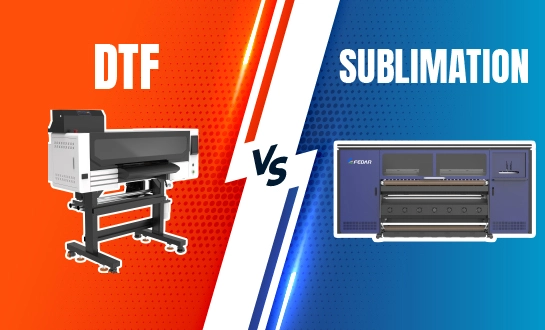
Direct-to-film is versatile, although other methods may better suit unique needs. Sublimation printing works well on polyester athletic and performance textiles, but not cotton or dark materials. High-detail photographic prints on white or light cotton shirts work well with direct-to-garment technologies, while polyester requires expensive pre-treatment chemicals. UV flatbed printers can print on wood, metal, and acrylic, while film transfer cannot.
The best option matches technology with market needs. Promotional goods shops selling garments, bags, and rigid objects may use a DTF PET film printer with UV printing for specialist items. Athletic wear manufacturers printing on polyester may use sublimation and DTF for cotton orders. Understanding these differences eliminates costly purchases of equipment unsuitable for manufacturing.
Navigating Purchasing Channels and Supplier Relationships
Beyond equipment costs, procurement channels greatly impact overall ownership costs. Authorized manufacturer representatives charge more upfront but give installation, operator training, and warranty support that independent resellers may not. When considering production downtime from poor installation or operational failures during the learning curve phase, the price disparity is frequently cheaper.
Finance and bulk purchase schemes make capital equipment more affordable. Distributors opening additional sites or franchisees negotiate bulk discounts to boost ROI. Equipment financing through manufacturer captive finance programs or third-party leasing businesses maintains working capital for consumable goods and marketing while spreading costs across the equipment's revenue-generating lifecycle.
Conclusion
Implementing direct-to-film printing involves knowing the entire ecosystem, from consumables to workflow procedures, not just equipment. The preparatory checklist includes choosing volume-specific printers like the FEDAR FD-D300 or FD-D302, investing in quality auxiliary equipment, optimizing environmental conditions, and training staff. The technique offers production flexibility, higher print quality across substrates, and environmental benefits that current customers value. Effective procurement blends technical criteria with business needs and prioritizes supplier relationships and after-sales assistance. Businesses that prepare and maintain their DTF PET film printer well may capitalize on the booming custom textile and promotional items sectors with reliable, professional outcomes.
FAQ
What fabrics work best with DTF PET film printing?
The DTF PET film printer works well on cotton, polyester, polyester-cotton blends, nylon, canvas, and synthetic leather. Sublimation and DTG are optimal for polyester or cotton, whereas direct-to-film's adhesive-based bonding works with most textile fibers. For dark materials, the white ink underbase adds opacity that makes colors pop.
How long does the entire production cycle take?
Equipment setup and design complexity affect print speeds. The FD-D302's dual-head arrangement doubles production to 31 A3 prints per hour, whereas the FD-D300 produces 10 A3. Adding powder application (1-2 minutes), curing (2-5 minutes depending on tunnel length), and heat press transfer (15-20 seconds per piece), cycle timings range from 8-12 minutes for single pieces to substantially faster per-unit periods when batch processing several designs.
Partner with Fedar for Your Direct-to-Film Success
Fedar has decades of inkjet printer industry experience and a 400-person plant that develops and manufactures digital printing solutions. Our reliable and precise direct-to-film technology serves textile printing, signs manufacturing, and gift customisation customers worldwide. We enable various collaboration models for distributors, resellers, and manufacturing facilities, and ensure a consistent supply of crucial components like Epson printheads as a DTF PET film printer manufacturer.
Our after-sales technical support staff provides installation help, operator training, and fast troubleshooting to reduce downtime and boost productivity. When starting a bespoke garment business or extending current capabilities, our FD-D300 and FD-D302 models provide industrial-quality output, desktop ease, and a reasonable price to boost profit margins.
Contact us at info@tex-printer.com to discuss your production needs, request excellent print samples, or schedule a virtual equipment demonstration. We'll help you choose the best setup and give clear advice on the whole ecosystem, from consumables to workflow optimization, providing demonstrable results from day one.
References
1. Smith, J. & Rodriguez, M. (2022). "Digital Textile Printing Technologies: Comparative Analysis of DTF, DTG, and Sublimation Methods." Journal of Industrial Textile Manufacturing, 45(3), 178-195.
2. Chen, L. (2023). "Adhesive Chemistry in Thermoplastic Polyurethane Powder Applications for Textile Transfer Printing." Polymer Applications in Textile Engineering, 18(2), 67-82.
3. Anderson, K. (2021). "Preventive Maintenance Strategies for Industrial Inkjet Printing Systems." Digital Printing Technology Review, 12(4), 234-249.
4. Williams, P. & Thompson, R. (2023). "Environmental Impact Assessment of Modern Textile Decoration Methods." Sustainable Manufacturing Quarterly, 29(1), 45-63.
5. Martinez, S. (2022). "Economic Analysis of Print-on-Demand Business Models in Custom Apparel Markets." Small Business Technology Journal, 37(2), 112-128.
6. Zhang, W. & Kumar, A. (2023). "Printhead Technology Evolution in Wide-Format Digital Printing Applications." Advanced Manufacturing Systems, 51(3), 289-307.

Kevin Zhang
Kevin Zhang is a senior R&D engineer in the digital textile printing field, focusing on the innovation and industrialization of digital printing equipment, direct-to-fabric processes, and application solutions. Achievement: Led the in-house development and mass production of multiple textile printers and direct-to-garment printers, driving their large-scale adoption in textile, advertising, home decor, and customized markets.
We Look Forward to Your Email
Please send us product information that interests you, and we will provide you with one-on-one service.
_1778203196111.png)
Recommended Blog
 Printer Considerations_1779869621127.webp)
Best DTF Printing Machine for Small Business: A Buyer's Guide