7 Things to Know Before You Buy a Sublimation Printer
Understand the Sublimation Printing Process and Its Benefits
- Understand the Sublimation Printing Process and Its Benefits
- Assess Printer Features and Settings for Optimal Performance
- Choose the Right Type of Sublimation Printer for Your Business Needs
- Review Brands, Models, and Market Comparisons
- Plan the Purchase and Procurement Strategy
- Prepare for Installation and Integration into Your Production Line
- Anticipate Future Trends and Scalability
- Conclusion
- FAQ
- Partner with Fedar for Industrial Sublimation Solutions
- References
If you buy the right equipment, your printing business can go from having problems with color differences and unhappy customers to being able to produce photos with a continuous tone that lasts through hundreds of wash cycles. A sublimation printer uses a special heat transfer method that turns solid dye into gas directly, so it can go through polyester fibers or surfaces coated with polymers instead of just sitting on top of them. This chemical linking gets rid of problems that come up with traditional printing methods, like cracking, peeling, or fading. By knowing these seven important things before you buy, you can be sure that the equipment you choose fits your production size, the materials you will be using, and your long-term goals for making money. This is especially important when clients want both quick response and museum-grade permanence.
Understand the Sublimation Printing Process and Its Benefits
How Dye Sublimation Differs from Traditional Methods
Normal inkjet printers leave behind liquid ink on surfaces. Dye sublimation, on the other hand, works by changing from a liquid to a gas. When the printer puts special dyes on transfer paper, it sublimates at temperatures between 180°C and 210°C when it is pressed against surfaces that are covered with polyester or polymer. The dye molecules break open the fabric's polymer structure and attach themselves inside it. This makes pictures that are actually part of the fabric. This main difference is what makes sublimated images last through industrial laundering while standard prints fall apart after just a few washes.
Key Business Advantages for Commercial Operations
The technology produces bright, full-color images with smooth tone gradients that are on par with traditional photos. This makes it essential for high-performance clothing that can't have surface coatings that stop it from breathing. Even with full-coverage designs, athletes can still get good moisture-wicking because the dye works with the fibers instead of blocking pores. Because they last longer and don't get damaged when washed, stores will get fewer returns and warranty claims, which will directly affect your bottom line when you work with bulk accounts. With on-demand printing, there are no minimum order amounts. This means that medium-sized printing companies can handle both large contracts and one-off projects without having to pay a lot of money for screen setup.
Material Compatibility Considerations
Sublimation can only be used on polyester fabrics and polymer-coated materials, like ceramic tiles, treated aluminum panels, and hardboards used for building signs that have been carefully coated. This limitation can be used to your advantage when going after niches like interior decor soft signs, which need lightfast prints that won't fade when exposed to continuous light. Before buying equipment, procurement managers should make sure that the medium will work with it. If they don't, they will have to buy new equipment because sublimation won't work on 100% cotton or untreated surfaces. When it comes to mixed-content materials, a polyester ratio of at least 65% usually works, though color brightness decreases as the ratio goes up.
Assess Printer Features and Settings for Optimal Performance
Critical Technical Specifications
Resolution has a direct effect on how well you can compete in high-end markets. Fedar's FD6198E model with eight Epson i3200-A1 printheads is an example of 3200 DPI equipment that can produce the continuous tone picture quality needed for high-end photo reproduction and luxury home linens. When printing fine details like face features on memorial items or complicated designs on designer sportswear, DPI is very important. Color management systems that can handle both CMYK and extended gamut configurations (CMYK+4 colors) let you serve more clients by correctly reproducing Pantone spot colors, which are important for big factory accounts that need to keep their brand consistent.
Maintenance Protocols That Prevent Downtime
Professional businesses using a sublimation printer keep the humidity level between 40 and 60% so that the nozzles don't get clogged, which can ruin whole production runs on costly fabric rolls. Standard on industrial-grade tools is automated nozzle checking processes that find blockages before they cause banding that can be seen. Technical leaders should set up routines for wet capping every day and cleaning the printhead once a week, especially when moving between standard and specialty inks. Delta E color consistency tracking makes sure that deviation stays between 1.5 and 2.0 over long runs. This keeps clients from having to pay for expensive copies when they want exact color matching across shipments that are weeks or months apart.
Connectivity Options for Production Environments
For large-format printing, where a single lost data packet can mess up a 50-meter cloth run, wired network links are the only way to go. In factories where heat presses and other machines cause electromagnetic interference, wireless signals often get weaker, which means that print jobs fail. Studio managers should make sure that mission-critical production lines have Ethernet connectivity first, and wireless connectivity should only be used on secondary computers for design preview and client approval processes. Some new models have two ways of connecting, so operators can choose which one to use based on the importance of the job and the amount of traffic on the network.
Choose the Right Type of Sublimation Printer for Your Business Needs
Matching Equipment to Production Scale
With two printheads and a speed of 70 square meters per hour in three-pass mode, the FEDAR FD1900 is a good entry-level system for small companies that focus on making unique gifts and samples for potential wholesale customers. These units give you the consistent sample quality you need to turn customers without making big investments that put a strain on your cash flow when your business is growing. On the other hand, stores that sell advertising equipment to large accounts need models with industrial capacity, like the FD7428E, which can print 440 square meters per hour across a 4200mm width. This is more than enough to handle rush orders for trade show graphics and seasonal retail campaigns.
Heat Press Integration Requirements
Transfer pictures, not finished goods, are what sublimation printers make. For execution to go well, the printer needs to be paired with the right heat press technology for the type of material and the number of items being made. Flat presses work with hard materials like ceramic tiles and metal panels, and calendar heat presses work with long pieces of fabric that are used to make home textiles and clothes. The even temperature of the press has a direct effect on the end products' color consistency and picture sharpness, making it an important part of the whole system. Factory owners should set aside about 30 to 40 percent of the cost of the printer to buy suitable heat transfer equipment so that there aren't any bottlenecks when printing capacity is higher than finishing capacity.
Sustainability and Operating Economics
Modern aqueous-based sublimation inks are certified by OEKO-TEX, which protects the environment and meets the needs of exporting to Europe and North America. When compared to traditional cloth dyeing, the waterless dyeing method makes very little waste, which is appealing to brand companies that are trying to be more environmentally friendly. Since sublimation doesn't need any pre-treatment chemicals or rinses after processing, operating costs stay stable. When procurement managers look at the total cost of ownership, they should compare the amount of ink used (usually 8–12 ml per square meter for full-coverage designs) to the cost of the base and the time it takes to finish each unit. This will help them figure out how profitable each unit is across all product categories.
Review Brands, Models, and Market Comparisons
There are well-known brands and specialized makers in the market, and each offers a different set of benefits. Epson controls the printer supply chain, and its i3200-A1 technology is used by many brands. This makes sure that parts are always available and that service technicians know how to fix problems, which are both very important when looking at long-term support. Sawgrass has built its name on making unique inks that work best with certain printer models. However, this ecosystem lock-in makes it harder for businesses to serve a wide range of customers. Ricoh goes for the high end with solutions that include hardware, software, and refills all in one package. These solutions are appealing to foreign trade companies that value turnkey applications.
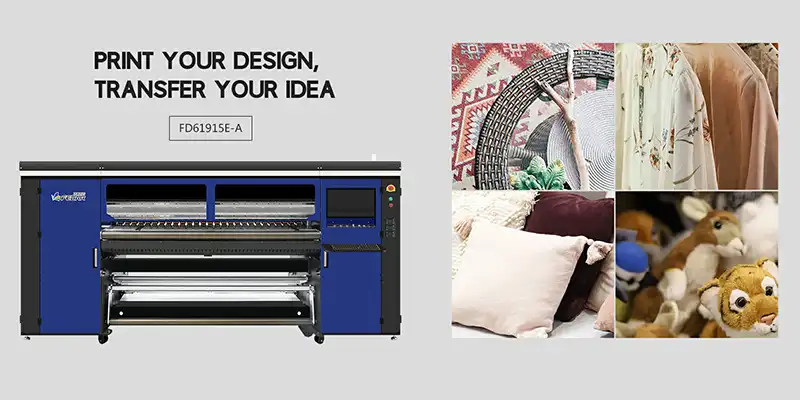
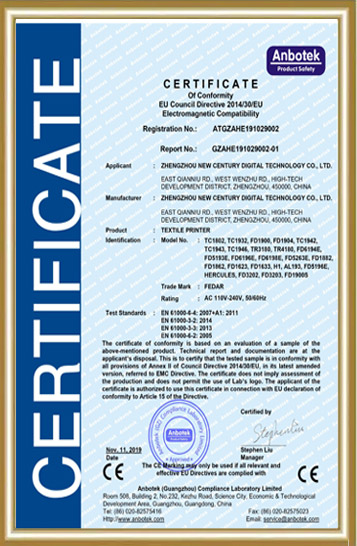
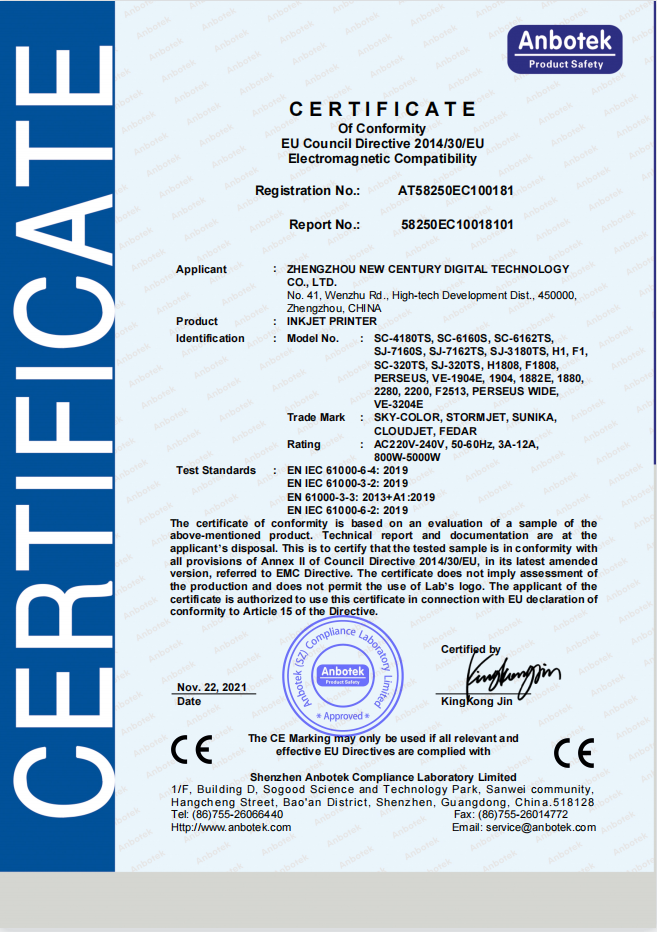
When comparing different models, the FEDAR FD5328E sublimation printer is an interesting middle ground. Its 3200mm print width makes it possible to print on large items like vehicle wraps on polymer-coated films, and its eight printheads still deliver the 420 square meters per hour production speeds needed for business. Distribution channels are also very important. Authorized dealers offer warranty security and expert training that generic resellers can't match. When evaluating potential partnerships, business owners should verify the manufacturer's credentials, such as ISO certifications and factory audit reports, because these directly affect their ability to provide valid warranties and reliable support to customers further down the line.
Rather than technical specs, firmware complexity is often what sets one product apart from another. Modern models have real-time nozzle adjustment algorithms that change how much ink is deposited automatically when one jet doesn't work right. This makes the printhead last longer and requires less upkeep. The basic specs of the FEDAR FD6198E-A version are the same as the normal FD6198E, but it has better media tracking accuracy over longer print runs, which is important when working with expensive specialty fabrics where waste directly cuts into profits. These improvements make it worth charging more for advertising shops that have to meet tight dates for clients and whose equipment needs to be reliable to avoid expensive rush fees and losing clients.
Plan the Purchase and Procurement Strategy
Budgeting for Total Cost of Ownership
The price of the tools at the start only accounts for 40–50% of their operating costs over three years. When making a realistic budget, you should know that ink costs about $0.15 to $0.25 per square meter, transfer paper costs about $0.08 to $0.12 per square meter, and material costs range from $1.50 for basic polyester knits to $8.00 for high-performance fabrics. Maintenance plans usually add 8–12% per year to the original price, but they keep your business from being completely shut down during busy times. Instead of depending on maker marketing claims based on idealized conditions, procurement managers should ask for specific per-print cost estimates across the range of products they plan to buy when they are reviewing bids.
Negotiation Leverage and Volume Considerations
Digital printing equipment dealers can get better deals when they buy printers with starter ink kits and media supplies all at once. When manufacturers try to get wholesale partnerships with possible agency networks, they often offer market security policies that give them geographical exclusivity. This makes retail value much higher. Payment terms are important. Financing tools with no interest for 12 to 18 months can help a business's cash flow while they invest in things like building upgrades or more heat presses. When selling to foreign trade, sales reps should ask about trial unit programs that let them try with real client substrates before making a final commitment. This is especially important when working with niche markets like sublimated hard goods, where accurate temperature and pressure calibration is key to success.
Evaluating Supplier Reliability
Buying real equipment keeps you safe from fake printheads, which break down quickly and cancel guarantees. Studio managers should check the credentials of suppliers by looking at websites for manufacturers that list approved wholesalers and asking for proof of direct factory relationships, such as recent purchase orders. When you buy something across a border, things like import taxes, shipping insurance, and customs paperwork can get complicated. Trusted importers take on these risks, but buyers who buy from gray-market sources could face unexpected costs and delays. Professional suppliers can be told apart from shady dealers by how quickly they respond to technical support requests. Ask current customers in similar industries for references and check the average response times for shipping platforms and online troubleshooting help.
Prepare for Installation and Integration into Your Production Line
Physical Infrastructure Requirements
Industrial sublimation printer equipment needs separate electrical lines set at 220V/15-20A to keep them from going out while they're working. This is especially important when running multiple printheads at full speed at the same time. Enough air flow can lower the amount of ink fumes present, but newer water-based systems smell a lot less than older solvent-based ones. The print room should be big enough to fit the machine plus 1.5 meters on all sides to allow for adding media and repair. For bigger models, the ceiling height is very important. For example, the FD7428E's 4200mm width needs a careful facility review to make sure that the media unrolls and take-up reels work properly without binding or skewing.
Staff Training and Operational Competency
Equipment complexity means little without user skill. Manufacturers who offer complete training programs can make more money faster because they don't have to waste time and materials on trials and errors that don't always work out. As part of training, people should learn how to make ICC profiles for custom substrates, how to fix common problems like colors changing because of wrong heat press rest times, and how to do preventative maintenance that makes parts last longer. When technical directors move from screen printing or direct thermal (DTG) processes to sublimation, they have to learn how to manage colors differently because dyes look different on transfer paper compared to the final substrates. For example, colors are meant to be muted on paper but bloom when heated.
Workflow Software Compatibility
Design tools, RIP software, and inventory management systems must work together smoothly in today's production settings. Adobe Creative Suite is still the standard for creating designs, but RIP software like Ergosoft or Wasatch can better process files for certain printer models with advanced color management and nozzle mapping tools. Web-to-print platforms that let customers place orders without help are helpful for some businesses because they automatically set up production lines that cut down on routine work. Before buying new equipment, studio managers should make sure that it will work with the software they already have. This is because private systems that force platform migration come with hidden costs and short drops in productivity while staff are being trained.
Anticipate Future Trends and Scalability
New connectivity standards, like wireless networking and cloud-based print queuing, offer more freedom, but businesses are slower to accept them than consumers because they are worried about how reliable they are. As labor costs rise and customers demand more defect-free work, automation technologies like robotic media loading and built-in quality inspection cameras are going from being nice-to-haves to competitive needs. Eco-friendly ink formulations that achieve the same color range but have less of an effect on the environment are appealing to brand companies that are responding to customer demand for environmentally friendly production methods.
To plan for scalability, you need to be honest about how your business will grow. Businesses that grow by 20% or more every year should talk about equipment upgrades during the initial discussions. They should set prices and delivery dates for extra printheads or wider capacity before the market pushes them to buy quickly at bad terms. Improvements are based on feedback from customers and performance analytics. Monitoring measures such as first-pass yield rates, average setup time per job, and material waste percentages find process problems that can be fixed by purchasing new equipment. Forward-thinking procurement strategies stay ahead of the competition by matching capital investments with real capacity limits instead of dreams for future growth.
The world of sublimation printing is changing quickly. New developments in printhead technology promise better native images and faster ink application rates. Keep an eye on trade magazines and keep in touch with several sources to find out about big changes in the industry before other companies take advantage of them. Agent partnership models work best when both parties agree to regular performance reviews that look at how often equipment is used, the patterns of service incidents, and new market possibilities that could support investments in technology migration or capacity expansion.
Conclusion
Selecting the right sublimation printer and related tools means balancing short-term budget needs with long-term operating goals. The seven things that were looked at—process basics, technical specs, matching production capacity to brand, brand review, procurement strategy, installation planning, and scalability issues—make it possible to make a choice with confidence. Because it has picture quality, great longevity, and the ability to be used on demand, sublimation printing is an important technology for businesses that print on textiles, make signs, and customize gifts. To be successful, you need to look at more than just the specs. You need to look at how well the whole system works together, including how well the staff is trained and how reliable the provider support is. When buyers put all these factors ahead of the lowest original price, they always get a faster return on their investment and keep more clients.
FAQ
Why do the colors on transfer paper look dull before I press them?
During the heat press phase, when temperatures are between 180°C and 210°C, the gas shift happens, which sets off the sublimation dyes. Because the paints haven't yet combined with the polyester fibers, the picture on the transfer paper is meant to look muted. This is normal; bright colors don't show up until the right amount of heat and pressure is applied, so don't judge the end quality by the quality of the intermediate transfer step.
Can sublimation work on cotton or mixed fabrics?
Because pure cotton doesn't have the polymer structure needed for dye bonding, the picture doesn't work at all. If the blended cloth has at least 65% polyester, the effects are fine, but the color intensity decreases as the cotton content rises. You could also use polyester coating sprays or hybrid methods with polyester films that stick to surfaces, but these add steps to the process and cost more materials, which lowers the margin per unit.
What causes ghosting or blurring in finished products?
When the transfer paper moves during heat pressing, pictures are doubled. This is called "ghosting." Shifting can be stopped with high-tack sublimation paper or heat-resistant tape. Blurring usually happens when surfaces have too much moisture. Pre-pressing fabrics gets rid of the moisture and smooths out wrinkles that would otherwise make dye movement less clear. Making sure that the pressure is evenly spread across the whole heat platen surface also gets rid of the blurring that happens when equipment is old or not well taken care of.
Partner with Fedar for Industrial Sublimation Solutions
Fedar has a 400-person factory that focuses on original research and development (R&D) and production. They make sublimation printer systems that are reliable for businesses, not for hobbyists to try out. Our quality control procedures include Delta E color consistency testing, automatic nozzle health tracking, and ICC profile calibration across a range of substrate types. This makes sure that the equipment comes ready to use right away, without having to be troubleshooted for weeks. We have stable relationships with suppliers of Epson i3200-A1 printheads and other important parts. This keeps the supply chain from breaking down, which happens to smaller assemblers when parts are in short supply.
Technical support goes beyond the guarantee period and includes full training programs that cover color management theory, preventative maintenance plans, and troubleshooting procedures that keep downtime to a minimum. As a company that makes sublimation printers for global distribution networks, we know that agents can only make money if they can consistently get high-quality samples and quick access to parts. Both exclusive territorial agreements and multi-brand distributorship deals can be made with flexible cooperation models. Email our team at info@tex-printer.com to talk about what equipment will best meet your production needs, to ask for sample prints that show how well the printer will work on your specific substrates, and to look into partnership terms that are based on long-term success for both parties instead of just selling equipment.
References
1. Smith, J. & Chen, L. (2022). Industrial Textile Printing: Technologies and Applications. Textile Industry Press.
2. Rodriguez, M. (2021). "Color Management in Dye Sublimation Systems," Journal of Digital Printing Technology, 15(3), 234-251.
3. Thompson, R. (2023). Commercial Printing Equipment Procurement Guide. Manufacturing Insights Publishing.
4. Anderson, K. & Wu, H. (2022). "Comparative Analysis of Sublimation Ink Chemistry," International Journal of Graphic Arts, 28(2), 112-129.
5. Williams, P. (2023). Production Workflow Optimization for Digital Textile Printing. Industrial Efficiency Press.
6. Morrison, T. (2021). "Heat Transfer Technology Integration in Sublimation Workflows," Printing Production Management Quarterly, 19(4), 45-67.

Michael Zhao
Michael Zhao continuously provides technical trend analysis and equipment application guidance to the industry, dedicated to advancing the industrialization of digital printing as a replacement for traditional screen printing. Achievement: Has published multiple technical analysis articles and provided professional support in equipment selection, process optimization, and fault diagnosis to dozens of printing factories, contributing to the upgrade of the digital printing industry.
We Look Forward to Your Email
Please send us product information that interests you, and we will provide you with one-on-one service.



_1778203196111.png)
Recommended Blog
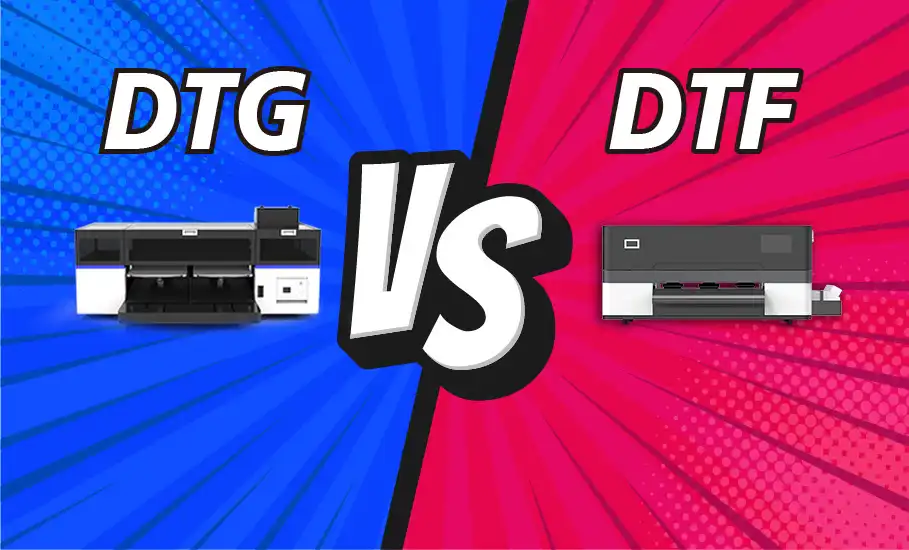
DTG vs DTF Printing:The Pros and Cons of Direct Printing Technologies.

How to Choose the Right DTF Printing Machine for Your Business?