What Are the Advantages of a 600mm DTF Transfer Printer?
Understanding the 600mm DTF Transfer Printer
- Understanding the 600mm DTF Transfer Printer
- Key Advantages of Using a 600mm DTF Transfer Printer
- Comparing 600mm DTF Transfer Printers with Other Printing Solutions
- Procurement Guidance for 600mm DTF Transfer Printers
- Conclusion
- FAQ
- Ready to Add the Advantages of a 600mm DTF Transfer Printer to Your Lineup?
- References
A 600mm DTF transfer printer delivers medium-scale production capacity that closes the gap between desktop sample-making and industrial-scale output, combining automated powder handling, white ink circulation, and roll-to-roll feeding in one compact platform. For factories and agents evaluating an upgrade from entry-level equipment, the real question isn't whether this equipment class works, but which specific advantages justify the investment. This guide breaks down what makes a 600mm-format DTF printer worth considering, how it compares against alternatives, and what to check before committing to a purchase.
Guessing at which advantages matter most wastes both time and budget. Fedar manufactures its 600mm DTF transfer printer range, the FD60, FD604, and FD606, inside a 400-person factory built for consistent output quality. Questions can go directly to info@tex-printer.com before reading further.
Understanding the 600mm DTF Transfer Printer
What exactly is a 600mm DTF transfer printer?
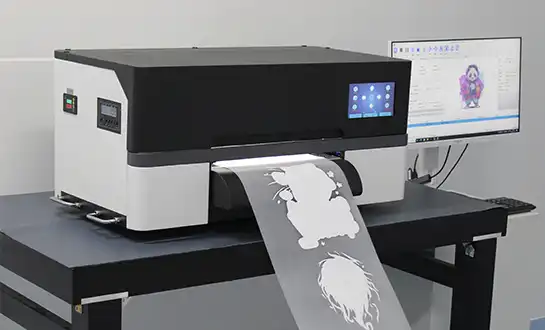
A 600mm DTF transfer printer is a roll-to-roll direct-to-film printer with a 600mm print width, built for continuous production runs rather than single sheets. It prints CMYK and white pigment ink onto PET film using multiple printheads, then automates the powder-and-cure stages that follow printing.
How does it differ from desktop DTF equipment?
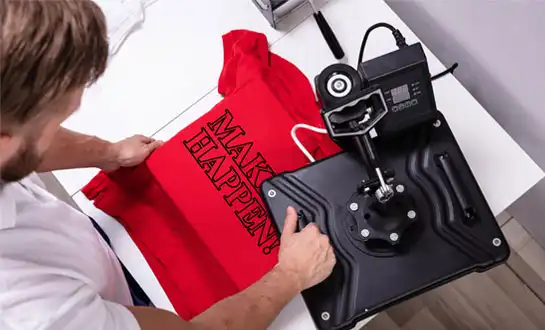
Desktop DTF printers, typically sized around 300mm, work well for sample-making and small studios but require manual sheet loading and manual powder shaking. A 600mm platform automates both of those steps through continuous roll feeding and built-in powder stations, removing labor-intensive manual work from the production process.
Why does this size class exist between desktop and industrial equipment?
Factories don't always need the largest available machine. A 600mm configuration offers medium-scale production capacity balanced between output and footprint, letting operations scale beyond desktop capacity without the floor space, cost, or complexity of full industrial wide-format systems.
Key Advantages of Using a 600mm DTF Transfer Printer
Advantage 1: Automated powder handling cuts labor costs
Manual powder application and shaking are one of the most labor-intensive steps in traditional DTF workflows. Auto powder shaking and curing built into a 600mm DTF transfer printer removes this step entirely, freeing staff for design setup, quality checks, or finishing work instead of repetitive manual handling across every printed meter of film.
Advantage 2: White ink circulation prevents costly clogs
White ink pigment settles faster than CMYK due to heavier titanium dioxide particles, and that settling problem compounds across a wider printhead array. A dedicated white ink circulation system built into a 600mm DTF transfer printer keeps pigment evenly suspended throughout a production run, avoiding the banding and clogging that plague machines lacking this feature, particularly at 600mm width where uneven distribution shows up more visibly than on a narrow desktop unit.
Advantage 3: Roll-to-roll feeding increases uptime
Continuous roll feeding on a 600mm DTF transfer printer lets film move through printing, powdering, and curing stages without an operator manually loading each sheet. This matters most for factories running long production batches, where sheet-by-sheet loading on desktop equipment adds up to meaningful labor time across a full shift, and reduces the misalignment risk that comes from repeatedly resetting a film path.
Advantage 4: Printhead configuration options match different volumes
Buyers can choose printhead count to match real order volume rather than overpaying for unused capacity. Consider these three tiers:
- Dual-head configuration: Delivers roughly 8 square meters per hour at 6-pass CMYK settings, suited to factories stepping up from desktop equipment for the first time without a major footprint increase.
- Four-head configuration: Reaches approximately 24 square meters per hour, fitting factories with tighter wholesale delivery windows or multiple simultaneous client orders.
- Six-head configuration: Matches four-head throughput at comparable settings while adding operational redundancy, useful for factories running near-continuous shifts.
Advantage 5: High resolution supports fine detail work
Machines built around the Epson I3200-A1 printhead deliver native 600 dpi resolution across 3,200 nozzles per head, keeping small text, logos, and gradient detail sharp even at compact print sizes common in gift customization and promotional apparel work [1].
Advantage 6: Compact industrial design simplifies facility planning
A 600mm-class 600mm DTF transfer printer occupies less floor space than full industrial-scale wide-format systems, letting medium-sized factories and advertising shops add DTF capacity without a major facility overhaul. This compact footprint matters specifically for shops transitioning from desktop units to production-scale equipment for the first time.
Comparing 600mm DTF Transfer Printers with Other Printing Solutions
How does this equipment stack up against screen printing?
Screen printing requires a dedicated screen for every color in a design, and setup for a multi-color job can take hours before the first unit prints. Dedicated DTF printers held the largest segment share, at 45.0%, of the direct-to-film printing market in 2024 [2], reflecting a broader industry shift away from that screen setup time entirely.
| Factor | 600mm DTF Transfer Printer | Screen Printing | Desktop DTF Printer |
|---|---|---|---|
| Setup time per design | Minimal, digital file swap | Hours (screen creation) | Minimal |
| Typical throughput | 8-24 m²/hour | Fast once screens ready | ~10 A3 sheets/hour |
| Powder/ink handling | Automated | Not applicable | Manual |
| Minimum order quantity | None required | Often 12+ units | None required |
| Best fit | Medium-scale factories, wholesale orders | Large single-design runs | Sample makers, small studios |
Why might a business choose 600mm over industrial-scale equipment?
The global direct-to-film printing market was valued at roughly USD 2.72 billion in 2024 and is projected to reach USD 3.92 billion by 2030, growing at a 6% compound annual rate [3], driven largely by rising demand for customized, on-demand production rather than only the largest industrial buyers investing in a 600mm DTF transfer printer or larger. A business scaling gradually often gets a better return from a 600mm platform than from an oversized industrial system that sits partially idle.
When does upgrading from desktop equipment make financial sense?
Studios consistently filling batch orders beyond what a single desktop printhead can process within delivery windows typically see the clearest return from upgrading. Agents should weigh a customer's current order volume against realistic near-term growth before recommending a specific configuration, since matching capacity to genuine demand protects the customer's return on investment either way.
Procurement Guidance for 600mm DTF Transfer Printers
What factory credentials should I verify before buying?
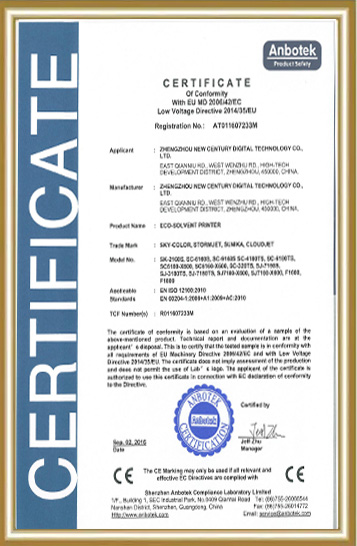
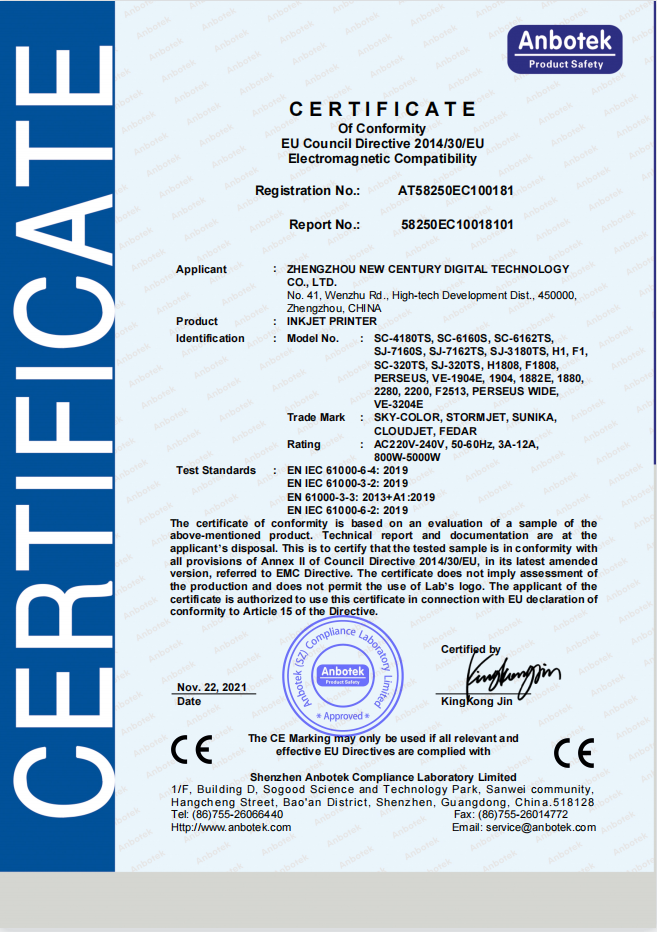
A 400-person factory specializing in original R&D and production with strict quality control gives buyers a documented answer when evaluating manufacturing consistency behind a 600mm DTF transfer printer. Factories deeply rooted in the inkjet printer market, rather than treating DTF as a side product, tend to maintain steadier core component supply chains and fewer mid-order delays.
Why does reproducible sample quality matter for agents?
Unstable sample quality remains one of the most common reasons agents report struggling to convert prospects into paying customers. Requesting reproducible sample runs on the exact configuration under consideration, rather than a showroom demo unit alone, protects the investment before committing to inventory or signing a distribution agreement.
How do I confirm cross-border after-sales support before purchasing?
No installation, repair, or spare parts support for cross-border business remains one of the most common pain points reported by agents managing this equipment tier. A 600mm DTF transfer printer manufacturer with a strong after-sales support team and flexible cooperation models reduces that exposure meaningfully, and confirming regional service coverage before signing protects against extended downtime later.
Conclusion
A 600mm DTF transfer printer delivers concrete advantages over both desktop equipment and screen printing: automated powder handling, reliable white ink circulation, roll-to-roll efficiency, and printhead configurations matched to real order volume. Pairing those advantages with a manufacturer offering documented factory qualifications and genuine cross-border support determines whether the investment protects margins over years of production, not just the first order.
FAQ
What makes a 600mm DTF transfer printer better than a desktop unit for growing businesses?
Automated powder handling, continuous roll feeding, and dedicated white ink circulation on a 600mm DTF transfer printer remove the manual bottlenecks that limit desktop equipment, letting a growing business handle wholesale-level order volume without proportionally increasing labor.
Does a wider print format always mean better print quality?
Not necessarily. Print width affects job size capacity, while resolution and printhead technology determine quality. A 600mm printer with a quality printhead can outperform a wider machine using lower-grade components.
How much floor space does a 600mm DTF transfer printer need?
Compact industrial designs at this size class occupy less space than full industrial-format wide-body systems, letting medium-sized factories add capacity without a major facility overhaul.
Can a 600mm DTF transfer printer handle both light and dark fabrics?
Yes, through the white ink underbase layer built into every 600mm DTF transfer printer, which provides opacity so colors display accurately on dark or colored fabric transfers.
What's the biggest advantage for agents recommending this equipment to factory clients?
The combination of automated production features and configurable printhead options lets agents match equipment precisely to a client's order volume, reducing the risk of an unhappy customer who either overpaid for unused capacity or underbought and hit a throughput wall.
Ready to Add the Advantages of a 600mm DTF Transfer Printer to Your Lineup?
Scaling past desktop capacity shouldn't mean guessing at specs or risking unreliable support. Fedar manufactures its 600mm DTF transfer printer range, the FD60, FD604, and FD606, inside a 400-person factory focused on original R&D and strict quality control. Whether you're comparing configurations as an agent or sizing equipment for your own factory, contact info@tex-printer.com for sample kits and current distribution terms.
References
1. DigiPrint USA, "Epson i3200-A1 Water Printhead | DTF & Sublimation Inkjet Head" (2025). https://digiprint-usa.com/products/epson-i3200-a1-water-printhead-i3200-a1
2. Grand View Research, "Direct To Film Printing Market Size | Industry Report, 2030" (2025). https://www.grandviewresearch.com/industry-analysis/direct-film-printing-market-report
3. ResearchAndMarkets via GlobeNewswire, "Direct To Film (DTF) Printing Market Analysis and Revenue Forecast 2025-2030" (2025). https://finance.yahoo.com/news/direct-film-dtf-printing-market-160600797.html
4. Congruence Market Insights, "By 2033 Direct-to-Film (DTF) Printing Systems Market: Key Trends, Opportunities & Strategic Insights" (2025). https://www.congruencemarketinsights.com/report/direct-to-film-printing-systems-market
5. Digitech FM, "DTF Film Leads the Next Wave of Distributor Growth in 2025" (2025). https://digitechfm.com/direct-to-film-technology-dtf-print-tech-dtf-innovation/
6. DTF Print Go, "DTF film: Mastering materials, curing, and finishing" (2026). https://www.dtfprintgo.com/dtf-film-mastering-materials-curing-and-finishing/

Leo Li
Leo Li is a promoter of small-batch quick response and flexible manufacturing solutions, focusing on short-process printing solutions for e-commerce customization, fast-turn orders, and personalized production. Achievement: Helped customers achieve a "one-piece minimum, same-day shipping" production model, significantly reducing sampling and delivery lead times while lowering overall operating costs.
We Look Forward to Your Email
Please send us product information that interests you, and we will provide you with one-on-one service.
_1778203196111.png)
Recommended Blog
A3 DTF Printer: with vs. without Oven System How To Choose?
What Is dye sublimation printer sublimation transfer printer: A Complete Guide
Sublimation Printing: Exploring the Technique, Machines, and Advantages
 Printer Considerations_1779869621127.webp)
What are the maintenance requirements for direct to film printer?