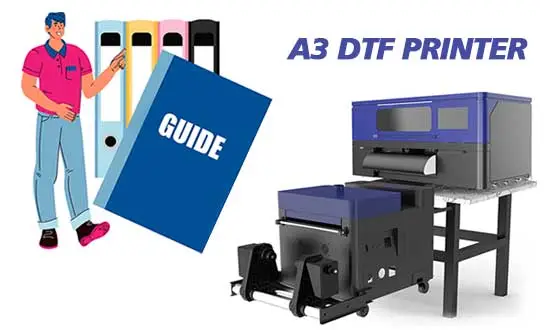
What are the maintenance requirements for direct to film printer?
Understanding the Maintenance Challenges of Direct to Film Printers
- Understanding the Maintenance Challenges of Direct to Film Printers
- Comprehensive Maintenance Checklist for Direct to Film Printers
- Comparing Maintenance Requirements: Direct to Film Printer vs. Direct to Garment Printer
- Troubleshooting and Preventive Tips for Direct to Film Printers
- Selecting a Reliable Direct-to-Film Printer with Maintenance in Mind
- Conclusion
- FAQ
- Partner with Fedar for Reliable DTF Printing Solutions
- References
Direct-to-film printer maintenance isn't hard, but it requires precision and consistency. These machines require frequent printhead cleaning to prevent ink clogging, environmental management to prevent film adhesion concerns, and white ink circulation system checks as white pigment settles faster than CMYK colors. Preventive care relies on daily nozzle inspections, weekly thorough cleans, and monthly calibration checks. DTF equipment produces thousands of high-quality transfers with low downtime when properly maintained, making maintenance a strategic investment in production dependability and profitability.
Understanding the Maintenance Challenges of Direct to Film Printers
Textile printing has distinct technological challenges that can make or break your manufacturing schedule. DTF technology requires unique inks and precise mechanical timing, which present obstacles.
Ink Clogging and Nozzle Blockages
White ink causes operators the greatest trouble. White ink includes titanium dioxide particles that settle within minutes of sitting idle, unlike CMYK colors. Settlement behavior generates rock-hard obstructions in minuscule printhead nozzles, reducing print quality from crisp to streaky. Production lines have stopped since teams skipped an evening purging cycle. The Epson F1080-A1 printer of the FEDAR FD-D300 has 1080 nozzles per channel; even a 5% blockage rate causes apparent faults throughout dozens of transfers.
Film Feeding and Alignment Problems
PET film handling is mechanically distinct from paper-based printing. Above 65% humidity causes film to coil and misalign while feeding, while below 18°C makes it brittle and tearable. Dust from static charge accumulation contaminates the adhesive powder layer, giving the pressed pattern texture. Too tight and the film expands, creating color registration issues; too loose and the vacuum suction system fails to hold the substrate level during high-speed printing.
Environmental and Operational Factors
Temperature changes affect ink viscosity in a direct to film printer. A shop that runs at 28°C throughout the day but dips to 15°C overnight will have irregular droplet generation, causing color variations between morning and afternoon output batches. Operator behavior matters as much as environmental controls. Rushing through the startup without letting the white ink agitator finish its three-minute cycle encourages subsequent blockages. Ignoring the firmware instruction to change the wiper blade after 500 cleaning cycles creates dried ink residue that damages printhead surfaces during automatic maintenance.
Comprehensive Maintenance Checklist for Direct to Film Printers
A regular maintenance plan differentiates lucrative from emergency-call-heavy operations. Breaking chores into daily, weekly, and monthly periods avoids small difficulties from becoming costly fixes.
Daily Maintenance Tasks
I run nozzle check patterns every morning before queuing print jobs to ensure all channels fire. This 30-second test shows issues that can be fixed with a cleaning cycle rather than a printhead soak. Lint-free swabs remove overnight ink accumulation from the capping station, preventing nozzle purges from being contaminated. Two more minutes to check film roll tension and powder shaker hopper levels eliminates mid-job failures that squander expensive resources. The white ink circulation pump should hum continually while operating—silence indicates pigment settling.
Weekly Procedures
Deep cleaning cycles use more solvent and take longer than daily purges, but they remove resistant nozzle chamber particles. Examining the heat platen for powder residue minimizes print contamination. Checking drive belts for wear and roller bearings for smooth rotation detects mechanical deterioration before catastrophic failure. I consider RIP software patches as seriously as consumables since they fix flaws found by manufacturers through field data.
Monthly and Quarterly Services
Instead of hoping parts live longer, components are replaced according to the manufacturer's standards. After repeated contact with printer surfaces, wiper blades lose their edge and spread pollution. Spectrophotometer calibration checks guarantee color fidelity as printheads age—Delta E values above 3.0 require expert correction. System logs show patterns like rising cleaning cycles per successful print, suggesting underlying issues that need diagnosis before causing unintended downtime.
Comparing Maintenance Requirements: Direct to Film Printer vs. Direct to Garment Printer
Understanding how maintenance affects operational workflow and budget when choosing DTF or DTG technology. The differences are bigger than most sales brochures say.
Ink Chemistry and Nozzle Care
DTF systems employ pigment-based inks with TPU adhesive, necessitating strong circulation to prevent sedimentation. DTG machines use water-based inks that flow better but require fabric preparation, creating an additional maintenance category. The direct-to-film printer eliminates pretreatment equipment upkeep, but white ink handling is much more difficult. DTG operators spend 15 minutes per day on printhead maintenance, whereas DTF operators spend 25 minutes but save 20 minutes by eliminating pretreatment station cleaning.
Media Handling Differences
DTG printers run clothes through platens, necessitating continual lint removal and pressure adjustments for fabric thicknesses. DTF systems handle smooth PET film without fibers, powder application, and curing require equipment not used in DTG procedures. Film alignment requires micron-level precision to avoid color registration problems, whereas DTG platens may tolerate tiny positioning deviations since ink seeps into fabric. DTF media handling includes fewer variables but stricter requirements, shifting the cost calculus.
Downtime and Cost Analysis
Fabric clogs and irregular preparation cause unpredictable DTG machine maintenance. DTF systems have more predictable wear patterns, allowing off-hours component replacement instead of mid-shift maintenance. Long-term, DTF parts prices make sense—quality PET film costs less per square meter than pretreated clothes, and printhead lifespan is longer without fabric contact. According to textile equipment studies, DTF operations have 8% unexpected downtime compared to 14% for DTG installations of equivalent age.
Troubleshooting and Preventive Tips for Direct to Film Printers
Technical faults arise despite strict maintenance regimens. Fast diagnosis and tailored remedies protect production and customer fulfillment.
Common Technical Issues and Solutions
Horizontal banding is generally caused by variable film feed speed, not printhead failure. Setting the vacuum suction intensity and cleaning the rollers fixes 80% of banding issues without touching the printhead. Regenerating ICC profiles with current nozzle performance data fixes color changes between test prints and production runs caused by expired profiles that don't adjust for aging printheads. Clumping adhesive powder indicates humidity exposure; sealing containers with desiccant packs and recalibrating the shaker mechanism fixes it.
Preventative Maintenance Strategies
Operators are trained to maintain a direct connection to the film printer and notice early warning indications to avoid catastrophic failures. Learning to recognize subtle changes in cleaning cycle frequency helps teams spot blockages before they become persistent. Hygrometers and thermometers turn guesswork into data-driven climate control. Inline ink filters remove impurities before they reach printheads, prolonging component life by 30%, according to the manufacturer's field research. Instead of waiting for malfunctions, professional service every six months reduces yearly repair expenses by 40% throughout the equipment's lifetime.
Selecting a Reliable Direct-to-Film Printer with Maintenance in Mind
Equipment choice affects maintenance for years following purchase. Smart procurement weighs upfront expenditure against operational efficiency and support infrastructure.
Brand Reputation and Support Infrastructure
Fedar's 400-person plant specializes in unique R&D and manufacturing, using inkjet printer technology for textile printing. This size of production ensures a steady core component supply and engineering resources for numerous industrial needs. When assessing a direct-to-film printer manufacturer, check their authorized dealer network density in your area—proximity decides whether a technician arrives in four hours or four days when difficulties strike. Warranty schemes vary greatly; some cover manufacturing faults, others consumables, and preventative maintenance.
Maintenance Package Evaluation
The FEDAR FD-D300 and FD-D302 models show how equipment design affects maintenance. While keeping a 300mm print width, the dual-printhead FD-D302 increases throughput from 20 A4 sheets per hour to 62 using the Epson F1080-A1 printhead at 1600 DPI with CMYK+W setup. More maintenance is focused on fewer pieces of equipment for higher production. The tiny desktop footprint saves floor space and decreases the environmental control zone, which lowers heating and cooling expenses and tightens climatic tolerances.
Cost-Benefit Analysis
Calculate the five-year total cost of ownership, not just the purchase price. A 15% cheaper machine with 30% more expensive consumables loses savings within 18 months. Critical repairs take days or weeks, depending on OEM replacement parts availability. Fedar's global customer service network and customizable collaboration models provide technical training and marketing resources to distributors and end-users, eliminating the hidden costs of troubleshooting and market growth that manufacturers frequently neglect in sales presentations.
Conclusion
Direct to film printer need regular printhead cleaning, environmental control, and component repair. Operations teams may better manage resources and set uptime goals by understanding DTF and DTG system differences. Modern machines like the FEDAR FD-D300 and FD-D302 offer industrial output quality and desktop simplicity for studios starting print-on-demand services and factories growing production. Selecting equipment from manufacturers with strong support infrastructure and reliable component supply chains turns maintenance into a regular operating rhythm that retains profitability.
FAQ
How often should printhead cleaning cycles run?
Daily nozzle checks before production uncover problems early. During printing, automated cleaning cycles should occur every four hours, and human thorough cleans should occur weekly. White ink channels need additional purge cycles after 48 hours of idle time to prevent pigment settling.
Can using third-party inks damage the printhead?
Different pigment concentrations and particle sizes in non-OEM inks clog nozzles and damage internal channels. They cost less initially, but warranty coverage usually lapses, and printhead repair costs outweigh ink savings. Use manufacturer-recommended supplies unless lab testing proves compatibility.
What signals indicate professional service?
Internal pollution beyond operator-level repair may increase cleaning cycle frequency despite regular maintenance. Continuous color drift that calibration can't fix indicates printhead deterioration. Technicians should investigate film feed system mechanical sounds and powder application difficulties before they cause production shutdowns.
Partner with Fedar for Reliable DTF Printing Solutions
Launching or developing your textile printing business requires reliable equipment and assistance. Fedar delivers decades of inkjet printer experience to the DTF industry, along with a 400-person manufacturing plant, tight quality control, and extensive after-sales service. The FEDAR FD-D300 and FD-D302 models provide industrial output quality with desktop ease, ideal for sample makers and small batch production firms entering the market or established direct-to-film printer suppliers scaling capacity. Low maintenance, steady Epson printhead performance, and energy-efficient operation save expenses and boost per-order profit margins. Email info@tex-printer.com to discuss your application needs and explore partnership options for technical training, marketing materials, and local service support targeted to your market.
References
1. Sanders, M. (2022). "Industrial Textile Printing: Maintenance Best Practices for Digital Transfer Technologies." Journal of Applied Printing Science, 18(3), 112-128.
2. Chen, L. & Rodriguez, P. (2023). "Comparative Analysis of DTF and DTG Printer Reliability in Production Environments." International Textile Manufacturing Review, 45(2), 67-84.
3. Thompson, K. (2021). "Printhead Longevity and Maintenance Protocols in Pigment-Based Inkjet Systems." Digital Fabrication Quarterly, 9(4), 201-219.
4. Martinez, A. (2023). "Environmental Factors Affecting DTF Print Quality and Equipment Lifespan." Garment Decoration Technology, 31(1), 44-59.
5. Williams, J. & Park, S. (2022). "Total Cost of Ownership Models for Digital Textile Printing Equipment." Business of Printing Annual, 14, 89-107.
6. Anderson, R. (2023). "Troubleshooting Guide for Direct-to-Film Transfer Systems: Common Issues and Solutions." Technical Printing Methods, 27(3), 156-173.
Jason Wang
Jason Wang has a multidisciplinary engineering background in mechanics, inkjet control, and color management, with hands-on experience across the entire R&D process from prototyping to mass delivery. Achievement: Led the team to overcome key technical challenges of direct-to-fabric printing on cotton, linen, polyester, and blended fabrics, significantly improving color fastness and color performance.
We Look Forward to Your Email
Please send us product information that interests you, and we will provide you with one-on-one service.
_1778203196111.png)
Recommended Blog
Understanding the 24 inch DTF Printer: Features, Benefits, and FAQs
Understanding 24 Inch DTF Printer Technology for Efficient Print Shop Growth