Dye Sublimation Printer Sublimation Transfer Printer for Beginners: Your Ultimate Guide to Getting Started
Dye Sublimation Printer Sublimation Transfer Printer for Beginners: Your Ultimate Guide to Getting Started
Understanding Dye Sublimation Technology and How Transfer Printers Work
- Understanding Dye Sublimation Technology and How Transfer Printers Work
- Comparing Equipment Options: Finding the Right Sublimation Printer for Your Business
- Strategic Procurement Considerations for Sublimation Equipment
- Real-World Applications Driving Business Growth Through Sublimation Technology
- Conclusion
- FAQ
- Partner With Fedar: Your Trusted Dye Sublimation Printer, Sublimation Transfer Printer Manufacturer
- References
A dye sublimation printer sublimation transfer printer, is a special kind of digital imaging system that puts sublimation inks on transfer media. The media is then heated up and moved to polyester-based surfaces. This technology uses a solid-to-gas phase shift to make prints that last. Heat and pressure push the ink into the fabric's molecular structure, leaving behind bright, lasting marks. In standard inkjet methods, the ink sits on top of the material. Sublimation, on the other hand, creates photorealistic results that can't be washed off. This makes it perfect for printing on textiles, making promotional items, and making unique clothing. When purchasing managers and studio owners understand this technology, they can make smart choices that affect production capabilities and profit margins.
Understanding Dye Sublimation Technology and How Transfer Printers Work
Sublimation printing is different from other types of printing because it works on a different basis. If you buy this technology, you're basically agreeing to use a process in which carefully made paints go from being solid to gas without going through a liquid state. When the printed transfer paper is heated to between 180°C and 210°C and pressed by a heat press, this chemical process takes place.
The Science Behind the Sublimation Process
Specialized colors are printed on covered transfer paper to start the sublimation transfer printing process. At room temperature, these paints are dormant, but they come to life when controlled heat is applied. During the transfer phase, the dye molecules open up the holes in the polyester fibers or polymer coats. This lets the color go straight into the structure of the material. When the substrate cools, the pores close up, keeping the pattern inside the cloth forever. Because molecules stick together in this way, sublimation prints last longer and don't get damaged when they get wet than surface-level printing methods like screen printing or vinyl heat transfers.
The machine has piezoelectric printheads that put tiny droplets of ink onto transfer surfaces very accurately. Epson i3200-A1 printheads are used in modern industrial systems like Fedar's FD series. These printheads can give up to 3200 DPI resolution, which is needed for photo-quality output because they ensure sharp details and smooth curves. The accuracy of these printheads is directly linked to the quality of the end product, which makes it an important thing to think about when choosing a seller.
Material Compatibility and Industry Applications
Sublimation technology only sticks to surfaces that are treated with polymers and polyester fibers. Because of this, the materials you can use are 100% polyester fabrics, polyester mixes with at least 60% synthetic content, and rigid bases like ceramic tiles or metal panels that have been coated with a special polymer. Knowing this limitation helps buyers plan their product range and avoid making mistakes that cost a lot of money.
Multiple industries use the technology on a large scale. Sublimation is used by textile companies to make sports wear, team outfits, and fashion clothes that need to breathe well and have bright colors. It is used to make unique curtains, bedding sets, and furniture fabrics for homes. Advertising firms rely on sublimation to make backlit displays, tension cloth signs, and trade show images that keep their colors even when the lighting is bad. Businesses that customize gifts use the technology to make unique mugs, phone cases, and picture panels that won't fade or peel even after daily use.

Comparing Equipment Options: Finding the Right Sublimation Printer for Your Business
Before you can choose between different dye sublimation printer sublimation transfer printer setups, you need to understand how their technical specifications translate into real-world production capabilities. The market offers a wide range of options, from compact desktop units to large-scale industrial systems, and each type is designed to meet the needs of different production volumes, business sizes, and application requirements.
Industrial-Grade Systems: Fedar's High-Performance Solutions
Fedar makes a wide range of sublimation printers that are designed to work in business settings. Our 400-person plant focuses on original research and development and strictly follows quality control standards. This makes sure that all of the equipment is reliable, which has a direct effect on your bottom line by reducing downtime and maintaining the quality of the output.
Our top-of-the-line type is the FEDAR FD3324E, which has 24 Epson i3200-A1 printheads that cover a 3300mm print area. With a throughput of 1080 square meters per hour in single-pass CMYK mode, this setup is perfect for large-format textile production plants that need to handle a lot of orders. The wide print width gets rid of the need for panels on pictures that are too big, which saves time and money on labor.
For companies that need a lot of space but need a lot of capacity, the FEDAR FD2624E has a 2600mm width and the same printer technology, so it can print 1000 square meters per hour. This model is good for medium-sized printing shops that want to grow because it combines output with a smaller footprint. The 24-printhead setup provides redundancy; if one nozzle gets temporarily clogged during production runs, the quality of the output will be maintained by the remaining printheads until repair is planned.
A lot of studio owners and small companies find that the FEDAR FD1924 works really well for them. With a print width of 1900 mm, it can handle normal cloth rolls and print 960 square meters per hour. The 24-printhead array gives the same professional-grade quality as bigger models, so smaller businesses can fight for contracts that are usually only given to large ones.
Understanding Print Speed and Resolution Trade-offs
The speed of production changes depending on which pass mode is chosen. Single-pass printing focuses on speed, so it's good for proofreading drafts or using in situations where some banding is okay. Multi-pass settings slow down the camera but make the sharpness and color saturation better. The FEDAR FD1912S has 12 Epson S3200 printheads, which give it amazing speeds of 1100 square meters per hour. This makes it very useful for high-volume textile printing, where increasing daily output directly affects profits.
The ability to resolve issues also needs to be thought about. All Fedar models keep their highest resolution at 3200 DPI, which ensures the continuous-tone picture quality needed to copy complicated photos, patterns, and subtle color changes. This standard is especially important for companies that work with fashion brands that need exact color matching or photography labs that make museum-quality fabric prints.
Strategic Procurement Considerations for Sublimation Equipment
Comparing technical specs of a dye sublimation printer sublimation transfer printer is not the only factor that determines a successful equipment purchase. Total cost of ownership, supplier reliability, and after-sales support systems are all important considerations that procurement managers need to evaluate, as they directly affect the long-term success and efficiency of operations.
Evaluating Supplier Credentials and Manufacturing Capabilities
When looking for sublimation printers, it's much safer to work with makers whose production records can be checked. Fedar has a 400-person center that is only used for research and development and production of inkjet printers. This makes sure that the quality of the equipment comes from controlled production settings instead of outsourcing assembly. Our factory specializes in one thing, so we have a lot of scientific knowledge about how to integrate printheads, supply ink, and handle media. This is what makes our equipment reliable and different from other options that have problems.
Sublimation is being used more and more by fashion designers for limited-edition designs and making samples. By using a dye sublimation printer sublimation transfer printer, designers can reproduce photographic images and intricate patterns without color limitations, allowing far greater creative freedom than traditional textile printing methods. This capability enables small studios to compete with established brands by offering distinctive products that stand out in crowded markets through unique designs.
Stability in the supply chain is just as important. Our long-term partnerships with parts suppliers such as Epson ensure a consistent supply of printheads and genuine spare parts for every dye sublimation printer sublimation transfer printer we provide. This infrastructure helps prevent extended downtime caused by delays in obtaining replacement parts from overseas, a common challenge when working with smaller suppliers that lack strong logistics networks.
Calculating Total Ownership Costs and ROI Expectations
The price of buying equipment is only one part of the cash situation. Smart buyers look at how much consumables cost, how much upkeep is needed, and how much work gets done to accurately predict when their investment will pay off. The amount of sublimation ink used depends on the design and how saturated the colors are. For CMYK uses, the usual range is 15 to 30 milliliters per square meter. Transfer paper is an extra cost. Industrial-grade paper costs between $0.30 and $0.80 per square meter, based on its weight and covering quality.
When processes have a lot of work to do, energy use should be looked at closely. Fedar's efficient printhead technology and optimized drying systems use less power than previous equipment, which means that over the life of the equipment, the energy bills will be lower. The use of a heat press adds to the energy costs that should be taken into account when figuring out how profitable the business is.
Protocols for maintenance have a direct effect on uptime rates. Printhead problems that could ruin whole production runs are avoided by checking the nozzles every day. Using methods allowed by the maker to clean the printhead once a week makes it last longer. Fedar offers detailed maintenance instructions and video clips that cut down on the need for costly expert calls, allowing in-house teams to do regular maintenance on their own.
Real-World Applications Driving Business Growth Through Sublimation Technology
Finding profitable market niches and planning your operational strategy can be helped by learning how other businesses use dye sublimation printer sublimation transfer printer technology in their production processes.
Custom Apparel Production and On-Demand Manufacturing
This is shown by the sports wear industry, where sublimation has completely changed business methods. Manufacturers can take small orders without having to pay the setup fees that come with screen printing. This means that team outfits can be personalized with each player's name and number. The zero-feel print feature makes sure that performance materials keep their ability to breathe and remove sweat, which is an important feature for sportswear.
Sublimation is being used more and more by fashion designers for limited-edition designs and making samples. The advanced capabilities of a dye sublimation printer sublimation transfer printer allow designers to reproduce photographic images and intricate patterns with exceptional clarity and without color limitations. This gives them greater creative freedom than traditional textile printing methods. With this feature, small studios can compete with big names by making their products stand out in crowded markets through unique and distinctive designs.
Signage and Promotional Products Sectors
Sublimation is used by advertising firms to make soft signs like LED displays, retractable banners, and tension cloth structures that are used at trade shows and stores. Sublimation is great for images that need to be moved, installed, and cleaned a lot because the output is bright and full of color, and the results are long-lasting and reusable.
Distributors of promotional goods use sublimation to add their own designs to stiff surfaces like polymer-coated hardboards, ceramic tiles, and metal photo panels. For these uses, you need transfer paper in between. The design is printed on sublimation paper, and then it is transferred to the covered surface using special flat heat tools. The images that are made can handle UV light and physical wear and tear better than vinyl stickers or inkjet prints, which allows for higher prices that increase profits.
Conclusion
To get into the sublimation printing market, you need to carefully look at the basics of technology, the skills of your tools, and your supply relationships. This guide has talked about the basic ideas behind dye sublimation printing, the technical details that affect the results of production, and real-life examples that show how flexible the technology is. By investing in a dye sublimation printer sublimation transfer printer, procurement managers can take full advantage of molecular bonding technology that creates durable prints on textile substrates and helps ensure designs remain vibrant even after repeated washing. This understanding allows them to make decisions that are in line with their business goals. Fedar has a wide range of tools that can be used by businesses at any stage of their growth. Their manufacturing knowledge and support infrastructure turn initial investments into long-term competitive benefits.
FAQ
What materials can I print on using sublimation equipment?
Sublimation technology only works with polyester surfaces and fabrics that are treated with a polymer. Sublimation colors can't stick to natural fibers like cotton, flax, or silk because they don't have the right molecular structure. Textiles made of 100% polyester, polyester mixes with at least 60% synthetic content, and rigid surfaces treated with special polymer coatings, like metal panels, ceramic tiles, and some plastics, are all acceptable. This material specificity needs careful product planning, but on suitable substrates, it gives you the best longevity.
How does a sublimation printer differ from a heat press machine?
These gadgets work well together and can't be switched out. Dispersed dyes are put on transfer paper by sublimation printers to make the image that will eventually move to your final material. Heat presses set the right temperature and pressure to start the sublimation process. This forces the printing dyes from the transfer paper into the polyester fibers or polymer layer. In most sublimation processes, both pieces of equipment are needed. The printer makes the picture, and the heat press transfers it.
Partner With Fedar: Your Trusted Dye Sublimation Printer, Sublimation Transfer Printer Manufacturer
If you choose the right tools, your business will be able to grow and stand out from the competition. Fedar has been a dye sublimation printer sublimation transfer printer provider for a long time. They can make sure you get not only gear but also a full production solution backed by engineering know-how. Our 400-person R&D and production center has strict quality standards that keep equipment breakdowns from hurting your relationships with clients to a minimum. As a dealer or wholesaler, we know what you need: reasonable price, sample support that you can use again and again, and quick technical help in your time zone. Our full-service after-sales team protects your investment by helping with installation, teaching operators, and fixing problems. There are different types of equipment for sale right now, with print lengths ranging from 1900mm to 3300mm. This means that tasks of all sizes can be done. Get in touch with our purchasing experts at info@tex-printer.com to talk about buying in bulk, guarantee terms, and unique solutions that meet your specific production needs. Let's form a relationship that will change the way you print.
References
1. Garber, M. (2021). "Industrial Textile Printing Technologies: A Comprehensive Analysis of Sublimation Systems." Journal of Digital Printing Sciences, Vol. 34, pp. 112-128.
2. Thompson, R. & Chen, L. (2022). "Comparative Performance Metrics in Commercial Dye Sublimation Equipment." International Textile Technology Review, Spring Edition, pp. 45-67.
3. Morrison, K. (2020). "Total Cost of Ownership in Digital Textile Production: A Five-Year Analysis." B2B Procurement Quarterly, Vol. 18, No. 3, pp. 78-94.
4. Industrial Printing Association (2023). "Market Trends and Technology Adoption in Sublimation Printing Sectors." Annual Industry Report, pp. 201-235.
5. Patterson, J. (2022). "Printhead Technology Evolution and Its Impact on Commercial Sublimation Quality." Digital Imaging Technology Journal, Vol. 29, pp. 156-173.
6. Rodriguez, A. & Kim, S. (2021). "ROI Analysis for Sublimation Equipment Investment in Small to Medium Enterprises." Business Equipment Review, Vol. 42, No. 2, pp. 89-106.

Aelx Chen
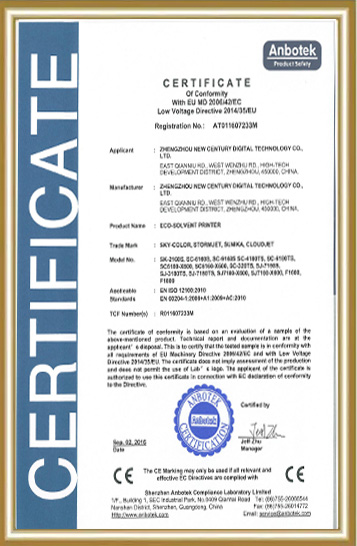
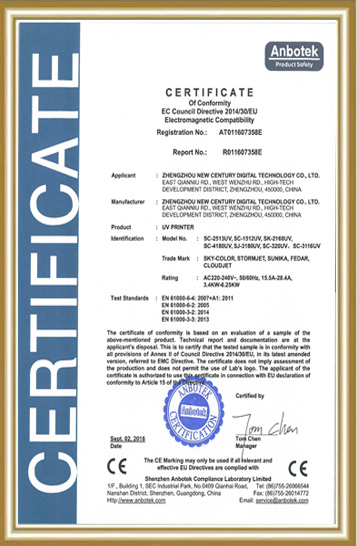
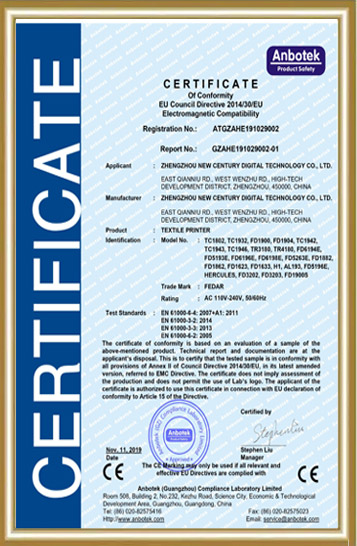
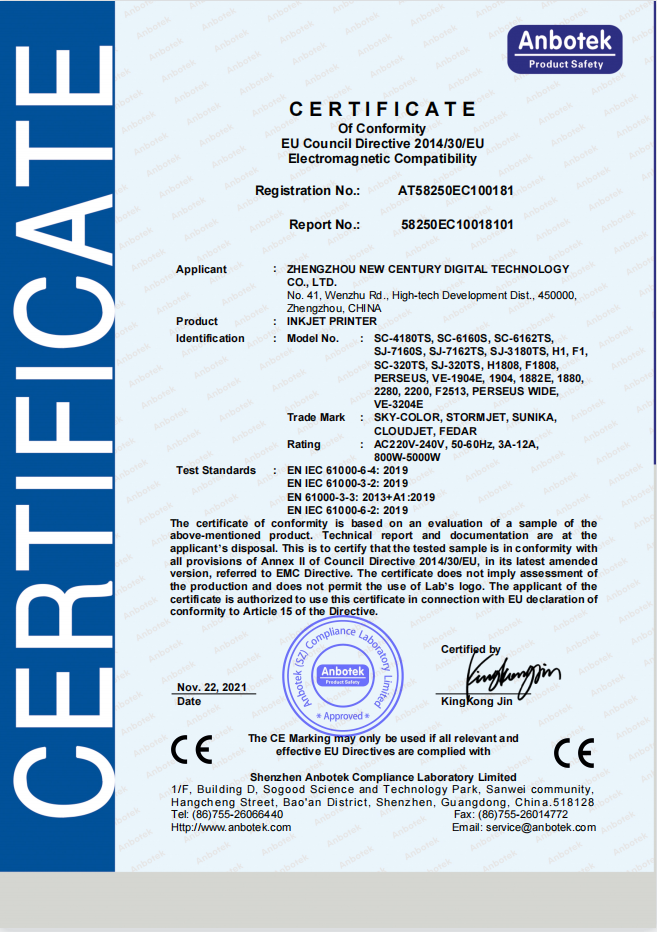
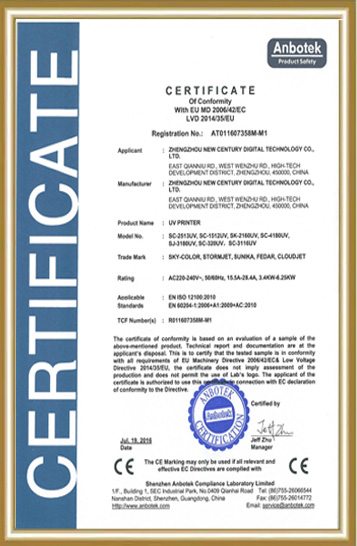
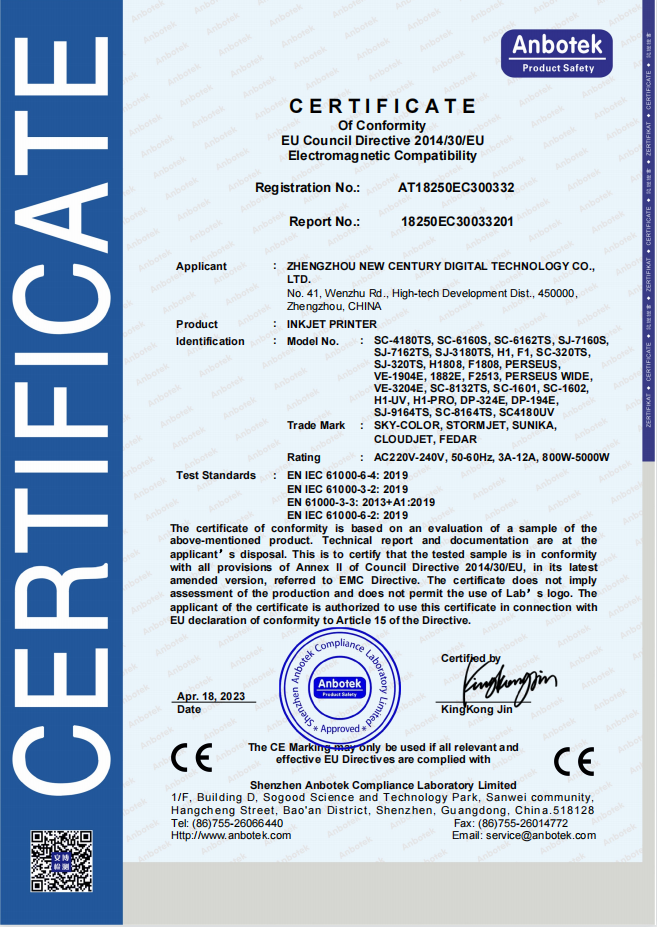
Alex Chen has accumulated extensive R&D and industrialization experience in the digital textile printing field, focusing on the innovation and optimization of digital printing equipment, direct-to-garment (DG) processes, and application solutions. He led the independent R&D and mass production of the company's core textile printing machines and DG printers, promoting their application in the textile, advertising, home furnishing, and personalized customization markets. The equipment he led has passed ISO9000 and CE certifications, earning the trust of a wide range of customers. He continuously provides customers with professional technical support and industry trend analysis, contributing to the upgrading and efficiency improvement of the digital printing industry.
We Look Forward to Your Email
Please send us product information that interests you, and we will provide you with one-on-one service.
_1778203196111.png)
Recommended Blog
Comparision Between Direct-to-Film (DTF) Printing & Sublimation Printing
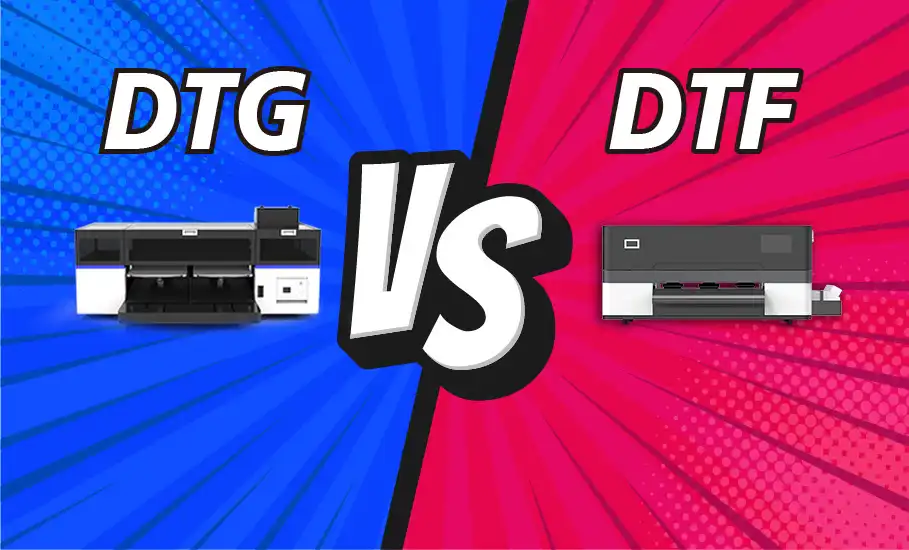
DTG vs DTF Printing:The Pros and Cons of Direct Printing Technologies.
What are the maintenance requirements for direct to film printer?