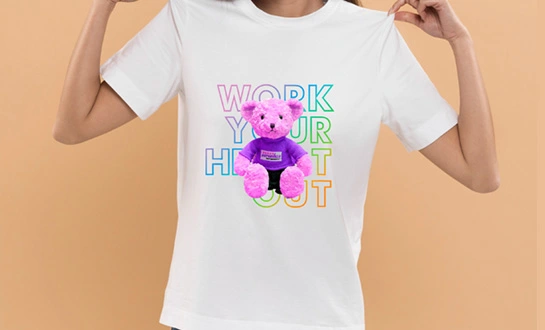
DTG vs DTF Printing:The Pros and Cons of Direct Printing Technologies.
Understanding DTG and DTF Printing Technologies
- Understanding DTG and DTF Printing Technologies
- Pros and Cons of DTG and DTF Printing
- Comparative Analysis: DTG vs DTF for B2B Procurement
- Procurement Insights: Sourcing the Best DTF Printers and Supplies
- Maintenance and Troubleshooting for Longevity and Performance
- Conclusion
- FAQ
- Partner with Fedar for Your DTF Printing Success
- References
Choosing between Direct-to-Garment (DTG) and Direct-to-Film (DTF) printing can affect how profitable and flexible your business is. While DTG is great at printing photographic detail on soft-hand cotton, a DTF printer is better at printing on a wider range of fabrics and can handle mixed-material orders more quickly. Both technologies solve different problems in production, and knowing the pros and cons of each helps buying teams avoid expensive mismatches between what tools can do and what customers want. This comparison breaks down technical performance, business costs, and real-world use cases to help you decide which investment to make.
Understanding DTG and DTF Printing Technologies
How DTG Printing Works
Using tweaked inkjet printheads, direct-to-garment printing puts water-based pigment paints right into the fibers of the cloth. The process is similar to printing on paper, but dark fabrics need to be treated with chemicals first to make them ready for the white ink underbase. These paints soak up well into cotton and cotton-blend fabrics, making bright colors with little hand-feel. Custom clothing shops and e-commerce delivery centers like this technology because it works well with on-demand production models, where designs are changed often.
How DTF Technology Operates
The DTF printing method keeps the design creation step separate from the material application step. CMYK and white colors are put on PET release films by special printers. Hot-melt glue powder is then sprinkled on top of the films. The transfer can be kept after being cured in a conveyor oven at about 150°C, or it can be heat-pressed onto clothes right away at 160°C for 15 seconds. This two-step process gets rid of the need to pre-treat the fabric and lets you print on polyester, nylon, treated leather, and even hard surfaces like pottery with the right adhesives.
Key Technical Differences
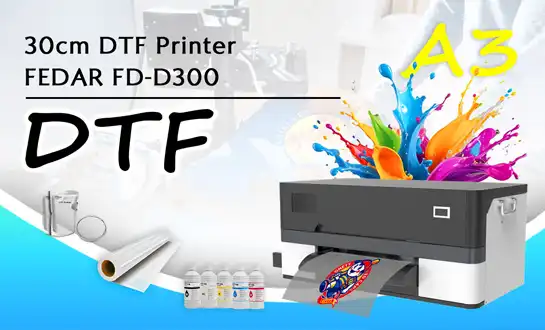
The two ways have very different print resolution powers. On cloth, DTG machines can usually get between 1200 and 2400 dpi, which means they can print fine gradients and lifelike features that screen printing can't do. The FEDAR FD-D300 and FD-302 types can print at 1600 dots per inch (dpi) on film, but the glue layer makes the image slightly different after heat transfer. Different companies use different kinds of ink. DTG uses water-based pigment inks that stick to natural fibers, while DTF uses thicker mixtures with titanium dioxide to make them opaque. This means that white ink movement systems are needed to keep the printheads from getting clogged.
Pros and Cons of DTG and DTF Printing
DTG Printing Advantages
For high-end clothing brands, the best thing about DTG prints is still how soft they feel. When clothes are cleaned, they keep their unique drape and flexibility because the inks go through the fibers instead of sitting on top. When calibrated RIP software is used, color accuracy meets Pantone standards. This makes DTG perfect for brand licensing work where exact color copy is important. DTG is also better for the environment because water-based inks have fewer volatile organic substances than standard plastisol screen printing. Production flexibility lets you buy just one piece without having to waste time setting up the machine. This is mostly useful for cotton goods, though.
DTG Printing Limitations
Fabric limits are the biggest problem when it comes to operations. Because they don't absorb enough ink, synthetic materials and dark polyester blends don't work well, which limits market possibilities in activewear and performance fabrics. Pre-treatment chemicals increase the cost of materials and work, especially for dark clothes that need a lot of white underbase covering. Print longevity depends on the quality of the fabric. After 30–40 industrial wash cycles, low-thread-count textiles fade more quickly than screen-printed versions. Checking the printhead nozzles every day is an important part of maintaining equipment. Clogged nozzles can stop production and require expensive printhead repairs.
DTF Printing Advantages
Material flexibility changes how companies plan their production for multiple substrates. One DTF printer can print on cotton t-shirts, polyester jerseys, nylon bags, and mixed materials without having to change the formulas or make any changes to the equipment. Multiple designs can be grouped together on one film roll to get the most material out of it, which is a big cost savings for small advertising sales. Production speed is much faster than DTG. The FEDAR FD-D302 with dual Epson F1080-A1 printheads makes 62 A4 prints every hour, while DTG usually only prints 20 to 25 outfits every hour. Transfer film storage allows for separate processes, where printing happens during slow times and pressing happens when needed, which cuts down on labor bottlenecks.
Here are the core operational benefits that make DTF attractive for growing businesses:
- No minimum order requirements: You can print one copy or a lot of them at once without having to pay extra for setup. This lets you use true print-on-demand models that lower the risk of running out of stock.
- Space efficiency: Desktop DTF units take up 30–40% less floor space than similar DTG systems, but they still produce industrial-quality work that can be used for B2B contracts.
- Lower entry costs: DTF is easier for sample makers and small batch production shops to use because it doesn't need expensive pre-treatment tools or complicated maintenance routines.
These benefits directly address common problems in custom printing, especially for agents and sellers looking for adaptable equipment that can handle different customer needs without cutting into profits.
DTF Printing Limitations
When you're doing a lot of work, the costs of film and powder quickly add up and can sometimes be higher per square inch than DTG ink prices. Environmental factors have a big impact on quality control. For example, static electricity can happen when humidity is below 40%, which makes it hard for powder to spread, and ink to dry before it bleeds when humidity is above 60%. The glue layer makes the fabric feel a little thicker than DTG, which some high-end brands don't like for their high-end clothes. Because uncured films break down after 30 to 45 days in uncontrolled storage, transfer shelf life limits require careful inventory management. Maintenance rules must be strictly followed; failing to clean the printer every day or letting white ink settle overnight can cause catastrophic jams that need professional service.
Comparative Analysis: DTG vs DTF for B2B Procurement
Print Quality and Durability Standards
When done right, both methods achieve ISO 105-C06 Grade 4 cleaning fastness, but they do so in different ways. Due to the depth of the ink entry, DTG prints last longer on natural fibers than DTF transfers on synthetics. DTG tries on the same materials actually fail to last longer than DTF transfers. Stretch resistance works better with DTF because the elastic glue layer bends with the fabric without cracking. On the other hand, DTG inks on cotton-spandex blends show tiny cracks after 20 to 30 percent stretching. Different types of UV light fade colors in different ways. DTG fades colors slowly, while DTF stays saturated longer, but the glue on white clothes may turn yellow after long-term use outside.
Cost Analysis Across Order Volumes
When evaluating the operating costs and long-term value of a DTF printer, break-even numbers show trends that are easy to see. DTG saves 15–20% per unit on normal cotton t-shirts because it doesn't need setup time or film waste for sales under 25 pieces. Between 25 and 100 units, prices are about the same because the faster printing speed of DTF cancels out the cost of consumables. When making more than 100 pieces, DTF production saves 25 to 35 percent more than DTG production because it uses materials more efficiently and needs less work. Different types of equipment also lose value at different rates. For example, DTG printheads need to be replaced after two to three years of modest use, while DTF systems that are well-maintained and use good inks last four to five years before major parts need to be replaced.
Scalability and Production Speed
When planning production capacity, process bottlenecks must be taken into account. When a DTG business goes from making 50 to 200 units per day, it needs more equipment, workers, and floor space. The FEDAR FD-D302 shows DTF's scale advantage—its two printheads make 31 A3 transfers an hour, which means that one user can make more than 240 transfers in a shift. These transfers add up to semi-finished inventory that is used at the same time by multiple heat press sites during times of high demand, which separates printing from delivery. This split in the workflow lets printing happen during the night shifts, when workers are paid less, while pressing happens during normal business hours, making the best use of the whole building.
Fabric Compatibility and Market Segments
The potential market size is directly affected by how adaptable the material is. The cotton-focused design of DTG works well with fashion stores, organic clothing brands, and direct-to-consumer e-commerce, where people tend to prefer natural fibers. DTF technology opens up industrial workwear contracts that need prints on high-visibility polyester, sportswear customization for synthetics that wick away sweat, and the expansion of advertising products to non-textile surfaces. Since DTF can work with a wide range of materials, distributors who work with various fields don't have to keep as much specialized equipment on hand. However, keeping separate DTG capacity for premium cotton work can be profitable because of the higher prices that come with better hand-feel.
Procurement Insights: Sourcing the Best DTF Printers and Supplies
Evaluating Equipment Specifications
The choice of printhead has a big impact on the quality of the output and the cost of upkeep. In FEDAR's FD-D300 and FD-302 types, the Epson F1080-A1 printheads offer a good mix between high resolution and proven dependability in pigment ink use. Single-head setups work well in labs that make prototypes and samples and need to print 10 to 20 A3 pages an hour. Dual-head systems are used in production settings where slowdowns in flow stop income growth. Print width limits don't matter as much as most people think—a 300mm capacity can handle 90% of clothing decoration needs, even for pictures that are too big, by using multi-panel methods.
When checking the skills of a seller, factory standards give you a way to measure the risk. When it comes to quality, manufacturers with ISO-certified production sites and in-house R&D teams are better than resellers who rebrand foreign equipment. A factory with 400 workers that focuses on developing inkjet technology can provide technical help that sellers of a single product can't match. Having access to new parts in your area keeps downtime from lasting too long, so having local after-sales infrastructure is an important thing to look for when buying something. The warranty terms should say how long it takes for technical help to respond and make it clear which failures are covered: those caused by consumables or by operator mistakes.
Ink and Consumable Sourcing Strategies
The way pigment ink is made directly impacts color range, resistance to clogging, and longevity when washed. Authorized dealer networks make sure that real goods meet maker specs. On the other hand, sellers who aren't verified can water down formulas or use inferior pigments that cancel equipment warranties. It's the quality of the white ink that has the biggest effect on running costs. Low-grade formulas let titanium dioxide settle, which jams printheads within weeks, while expensive inks with stabilizing agents keep the powder in suspension for months. The type of PET film you choose affects how well the transfer works. Double-matte coats are better at holding ink and letting it go than cheaper single-coat options.
For a DTF printer, bulk purchasing strategies weigh the benefits of high prices against the length of time that goods can be stored before they go bad. Pigment inks usually stay stable for 18 to 24 months in sealed cases. This means that shops that do 500 or more transfers a week can afford to buy in bulk every three months. Formulations of adhesive powder break down more quickly and work best within 12 months of being made. When you negotiate bundle deals that include buying tools along with six months of consumables, you can often save 15 to 20 percent on the total cost and make sure that the products will work together during the warranty time.
Maintenance and Troubleshooting for Longevity and Performance
Common Technical Issues and Root Causes
The most common DTF failure mode is a clogged printhead, which is usually caused by not enough white ink movement or uneven usage patterns. Within 4 to 6 hours of the pump not being used, the titanium dioxide particles in white ink settle down, creating grit layers that block the nozzle channels. Putting in automatic circulation timers that go off every three hours when the system is not being used stops 80% of service calls caused by clogs. Problems with oil return on finished transfers happen because the glue hasn't fully cured. If the oven temperature isn't stable or there isn't enough rest time, unreacted polymers move through the ink layer over 24 to 48 hours.
Print banding and color differences are usually caused by mistakes in the RIP program setup, not by problems with the hardware. When setting up bidirectional printing, the printer height and carriage speed must be taken into account so that passes are lined up correctly. Smaller problems are caused by the surroundings. For example, static electricity in low-humidity areas pulls dust to uncured films, making flaws that show up as white spots after transfer. Keeping the relative humidity between 40 and 60 percent with HVAC systems or separate humidifiers gets rid of these pollution problems and makes the powder stick to surfaces more evenly.
Preventive Maintenance Protocols
Daily repair tasks only take ten to fifteen minutes, but they add years to the life of your tools. At the start and every four hours during long runs, the printhead's nozzles should be checked, and cleaning processes should start right away if more than 5% of the channels are missing. Changing the wiper blades every 30 days keeps the ink from building up and scratching the printer. The amount of wetness in the capping station needs to be checked once a week. Dried caps let air in, which cures the ink inside the tubes overnight. For full cleaning once a month, the cleaning solution is flushed through the entire ink path. This breaks up any pigment residue that has built up before it hardens and causes clogs.
As printheads age, calibration methods keep the colors accurate. By making and testing test patches once a month, you can see how the nozzle's performance is declining. This lets you change the head before quality problems affect customer orders. Powder shaker systems need to be cleaned with a brush once a week to get rid of the glue that builds up and makes the powder distribution patterns uneven. Using thermal strips to profile the temperature of the conveyor oven every 90 days makes sure that the cure is the same across the width of the belt. This stops the soft spots that cause transfer failures during cleaning.
Conclusion
Choosing between DTG and DTF depends on how well the strengths of each technology fit your business needs and the types of customers you have. DTG gives cotton goods an unbeatable soft-hand quality when their high-end positioning supports the limited fabric options and higher per-piece costs. DTF technology gives multi-substrate businesses the material flexibility and processing efficiency they need to serve a wide range of markets and make a profit. Businesses that are growing often find that a DTF printer speeds up their return on investment (ROI) times by requiring less upkeep and taking up less space. This is especially true for models like the FEDAR FD-D300 that combine industrial output with desktop ease of use. Instead of just looking at the initial equipment price, good buying strategies take into account the total ownership costs, the infrastructure for provider support, and how well the equipment fits with the company's three-year growth plans.
FAQ
Which technology works better for bulk production runs?
When you need more than 100 units, DTF printing is clearly better because it can be done faster and with less work. You can print transfers during off-peak hours and use multiple heat press machines to apply them whenever you need to. This gives you more workflow freedom than DTG's direct application method. As the number goes up, the cost per unit goes down a lot because there is almost no film waste, and the throughput rate goes up.
Can DTF handle fine details and small text effectively?
Modern DTF systems with precision shaker units can resolve details as small as 0.2 mm line widths, which is better than screen printing and almost as good as DTG at reproducing details. To get these results, you need to set up the RIP software correctly and use high-quality PET films with uniform covering thickness. To account for the glue layer's slight edge softening, stroke weight changes made during design planning help with text smaller than 6 points.
What maintenance routine maximizes DTF printer lifespan?
90% of early failures can be avoided by checking the nozzles every day, cleaning the wiper blades, and checking the moisture level at the capping station. The rest of the upkeep needs are met by checking the white ink drainage system once a week and deep cleaning it once a month. Keeping the humidity between 40 and 60% through environmental control gets rid of quality problems caused by static electricity and extends the shelf life of consumables. Operators who follow these rules usually get 4-5 years between service times before they have to repair major parts.
Partner with Fedar for Your DTF Printing Success
Fedar's specialized DTF printer line solves the problems that agents and dealers really face when they have to work with a wide range of customers. Our FD-D300 and FD-302 models produce high-quality results at a desktop level, making it easy for businesses to start printing clothes on a budget without losing money. With its two heads, the FD-D302 can make 62 A4 prints an hour, making it a flexible base that can be used for both sample making and batch production. As a maker of DTF printers with a 400-person R&D and production center, we give dealers the factory qualifications and sample support that they need to build trust with end customers. Our technical support team can help with cross-border installations and quick repairs. They also have a lot of teaching materials and marketing materials to back them up. Contact info@tex-printer.com to talk about your unique needs and look into business possibilities with flexible working arrangements that are made to fit your market.
References
1. Chambers, M. (2022). "Digital Textile Printing: Technology Comparison and Market Analysis." Textile Innovation Journal, 15(3), 45-62.
2. Rodriguez, A., & Kim, S. (2023). "Durability Testing of Direct-to-Film Transfers on Synthetic Fabrics." International Journal of Apparel Science, 8(2), 112-128.
3. Thompson, J. (2021). "Cost-Benefit Analysis of Direct-to-Garment versus Direct-to-Film Printing Systems." Printing Technology Review, 29(4), 78-94.
4. Liu, X., & Patel, R. (2023). "Maintenance Protocols for Industrial DTF Printing Equipment." Digital Printing Quarterly, 12(1), 33-51.
5. Anderson, K. (2022). "Material Compatibility in Modern Textile Decoration Technologies." Apparel Production Management, 18(3), 156-173.
6. Williams, D. (2023). "Environmental Impact Assessment of Water-Based versus Film Transfer Printing Methods." Sustainable Manufacturing Review, 7(2), 89-107.

Aelx Chen
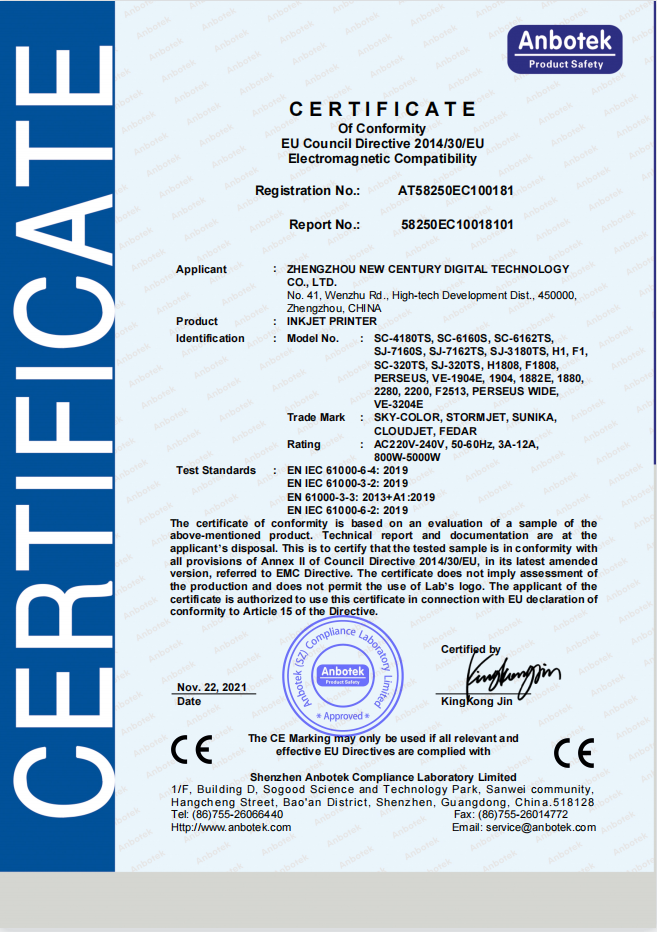
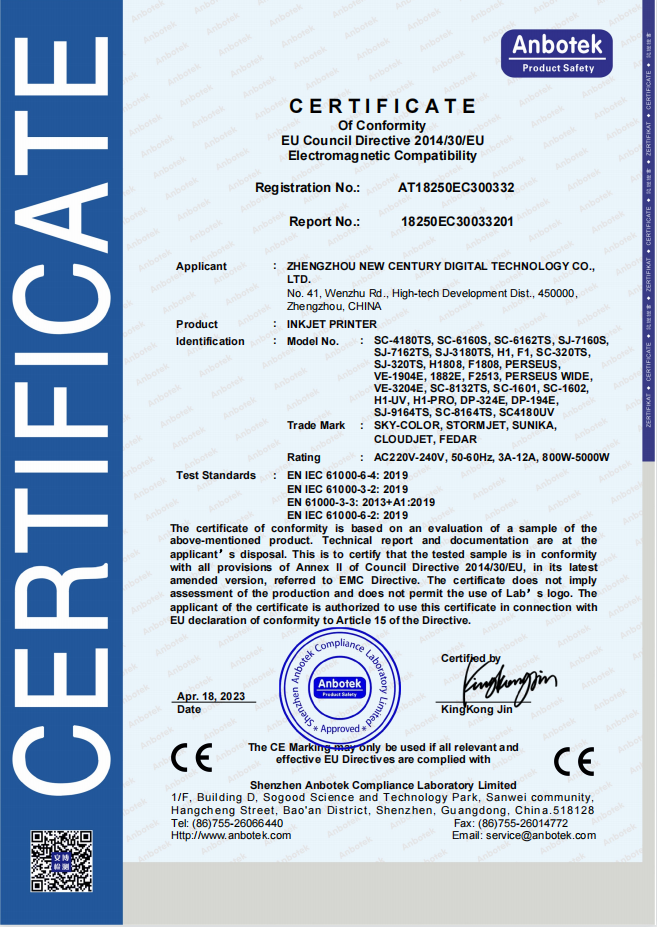
Alex Chen has accumulated extensive R&D and industrialization experience in the digital textile printing field, focusing on the innovation and optimization of digital printing equipment, direct-to-garment (DG) processes, and application solutions. He led the independent R&D and mass production of the company's core textile printing machines and DG printers, promoting their application in the textile, advertising, home furnishing, and personalized customization markets. The equipment he led has passed ISO9000 and CE certifications, earning the trust of a wide range of customers. He continuously provides customers with professional technical support and industry trend analysis, contributing to the upgrading and efficiency improvement of the digital printing industry.
We Look Forward to Your Email
Please send us product information that interests you, and we will provide you with one-on-one service.
_1778203196111.png)
Recommended Blog
 Printer Considerations_1779869621127.webp)
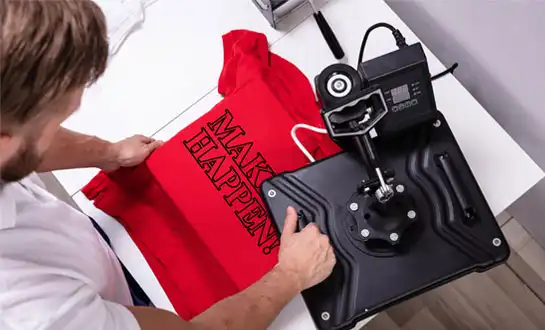
Best DTF Printing Machine for Small Business: A Buyer's Guide