Understanding the 24 inch DTF Printer: Features, Benefits, and FAQs
What Is a 24 Inch DTF Printer and How Does It Work?
- What Is a 24 Inch DTF Printer and How Does It Work?
- Comparing 24 Inch DTF Printers with Other Printing Methods and Models
- Maintenance, Troubleshooting, and Optimization of 24 Inch DTF Printers
- Procurement Considerations for Buying a 24 Inch DTF Printer
- Brand Insights and Future Outlook for 24 Inch DTF Printers
- Conclusion
- FAQ
- Connect with Fedar for Your DTF Printing Needs
- References
The 24-inch DTF printer is a big step forward for companies that need to deal with the complicated needs of current textile design. This wide-format direct-to-film approach solves a problem that printing shops, wholesalers, and factories have had for a long time: how to balance production speed with print quality while keeping costs low. Instead of basic desktop printers that have low throughput or standard screen printing setups that are too expensive to set up, a 600mm DTF printer gives you the operational freedom you need to meet all of your clients' needs without sacrificing resolution or color accuracy. Whether you're looking for reliable equipment to add to your distribution business or equipment for a growing studio, you need to know how this technology works and what it can do in order to make smart purchasing choices.
What Is a 24 Inch DTF Printer and How Does It Work?
A 24-inch DTF printer, also known as a 60cm direct-to-film machine, uses a special method to print CMYK and white paints made from pigments on clear PET film. A thermoplastic polyurethane glue powder is then put on top of the image, which is held in place by this film. The powder is cured with controlled heating, and then heat and pressure are used to press the finished transfer onto cloth. This makes a strong, colorful picture that sticks to almost any textile substrate.
Core Components of DTF Printing Technology
These printers are built around precise printheads, usually Epson i3200-A1 types, that can make droplets of different sizes so that resolutions of up to 3200 DPI can be reached. Titanium dioxide doesn't settle because of a white ink movement system, which makes sure that the opacity is the same on all dark materials. The roll-to-roll feeding system takes care of moving the film automatically, and the powder makers and curing units built in between the printing and pressing steps get rid of the need for human work. With this smooth process, what used to need several stages can now be done in one continuous line.
Operational Workflow and Transfer Process
The first step in the printing process is to prepare the digital files. RIP software turns drawings into data that can be printed while color patterns are managed. The printer puts down CMYK layers first, then either an undercoat or an overcoat of white ink, based on the color of the cloth. When the printed film comes out of the machine, it goes through an automatic powder dispenser that spreads the glue evenly over the wet ink. After being covered, the film goes into a curing tube. Inside, temperatures between 160°C and 170°C melt the powder and stick it to the film. Once it has cooled, the transfer can be heated at 160°C for 10 to 15 seconds, which finishes the application process.
Advantages Over Traditional Methods
Compared to screen printing, DTF technology doesn't need to prepare the screen, wastes less material, and lets you use full-color patterns without having to separate the colors. Sublimation printing can produce bright colors, but it can only be used on fabrics that are high in polyester and require expensive pre-coated materials. DTF printing works with cotton, polyester, mixes, nylon, and even leather, which makes it the best choice for a wide range of production settings. Fabric pre-treatment is not needed, which makes processes even more efficient. This saves money on labor and chemicals.
Comparing 24 Inch DTF Printers with Other Printing Methods and Models
It's easier to decide which investment fits your business goals when you know how different setups and technologies compare when you're looking at production tools. The 24-inch DTF printers are a good compromise between small desktop printers and big industrial systems, allowing output to be expanded without taking up too much room or costing too much.
24 Inch vs. 12 Inch DTF Printers
Smaller 12-inch models are usually good for hobbyists or custom shops that don't print a lot of items, like making one shirt or a few small accessories. Because their beds aren't very wide, they can't group designs as well, which causes more film waste and slower production processes. A 600mm system, on the other hand, can print multiple designs at the same time or bigger images like full-back pictures without having to split them up. The difference in production speeds is huge: a 12-inch printer can print two to three square meters per hour, but a dual-head 24-inch printer like the Fedar FD60 can print eight square meters per hour, three times as much without taking up any more floor space.
DTF vs. Screen Printing and Sublimation
Screen printing takes a long time to set up for each color layer, which means that small runs are not possible from a cost standpoint. To cover setup costs, most minimum order numbers start at 50 to 100 pieces, which doesn't include the small-batch customization market. DTF printing gets rid of this problem, so sales for a single item can still make money. Sublimation makes bright colors, but it can only be used on textile fabrics and needs special blanks that have already been treated, which limits the range of products that can be made. DTF can connect to natural fibers, synthetic fibers, and mixes just as well, so stores can use a single machine to make a wide range of products.
Industrial Model Comparisons
With its two Epson i3200-A1 printheads, the Fedar FD60 can print at 8 square meters per hour at 3200 DPI. This setup works well for companies that want to balance quality with reasonable production numbers. The FD604 increases the number of printheads to four, which speeds up output to 24 square meters per hour while keeping the width and sharpness at 600 mm. With six printheads, the FD606 is even faster, making it perfect for high-volume contract printers that work with big store accounts. All three models have a small, industrial design that works with most workshop setups. They also all have white ink circulation systems that make upkeep easier than with older models.
Maintenance, Troubleshooting, and Optimization of 24 Inch DTF Printers
Profitability is directly affected by operational dependability, especially for dealers and resellers whose reputations depend on tools being up and running all the time. Setting up preventative maintenance schedules and learning about common problems can help you avoid expensive downtime and make sure that the print quality stays high, which will convert end users. 24-inch DTF printers require consistent care to ensure this reliability.
Essential Maintenance Routines
The first part of daily upkeep is cleaning the printheads with solutions suggested by the maker that break down dried ink without hurting the nozzle plates. As part of the weekly tasks, you need to check the white ink circulation pump for grit buildup and make sure that the powder binding is the same on all test prints. To do a deep cleaning once a month, you have to flush the ink lines, grease the film feed rollers, and make sure that the heating zones are set to the right temperatures for drying. Chemical incompatibilities that lead to clogging or failed bonding can be avoided by using approved products like inks, films, and powders. Fedar's 400-person factory makes detailed repair schedules for each model and helps agents by providing technical paperwork that makes teaching staff easier.
Common Operational Issues and Solutions
When ink gets clogged, it shows up as missing lines or fading colors. This is usually caused by not using the printer very often or using cheap ink. This doesn't happen when automatic cleaning cycles run every 48 hours when the computer isn't being used. Most of the time, color differences are caused by wrong ICC profiles or old ink. Regular testing with spectrophotometers makes sure that color accuracy meets client standards. When powder doesn't stick properly, it's generally because the powder is the wrong type or the air is too humid. Most adhesive problems can be solved by keeping the production area between 40 and 60% relative humidity and putting powder in containers that can't be opened.
Color Profiling and Calibration Importance
Industrial buyers need results that can be predicted and repeated across production runs. Color profiling connects the printer's output to standard color spaces. This makes sure that the red that was printed today is the same red that was printed six months ago. Calibration takes into account things in the surroundings, like temperature and humidity, that change the thickness of the ink and the way the film behaves. Agents who work with clients who care about quality should get training and tools for color management because consistent work is what gets long-term contracts and return orders.
Procurement Considerations for Buying a 24 Inch DTF Printer
To choose the right supplier and tool configuration, you need to look at more than just the initial buy price. Agents and plant managers need to think about the total cost of ownership, the infrastructure needed to support it, and how well it fits with how they place themselves in the market. Investing in a 24-inch DTF printer requires assessing long-term durability and support.
Evaluating Suppliers and Trust Factors
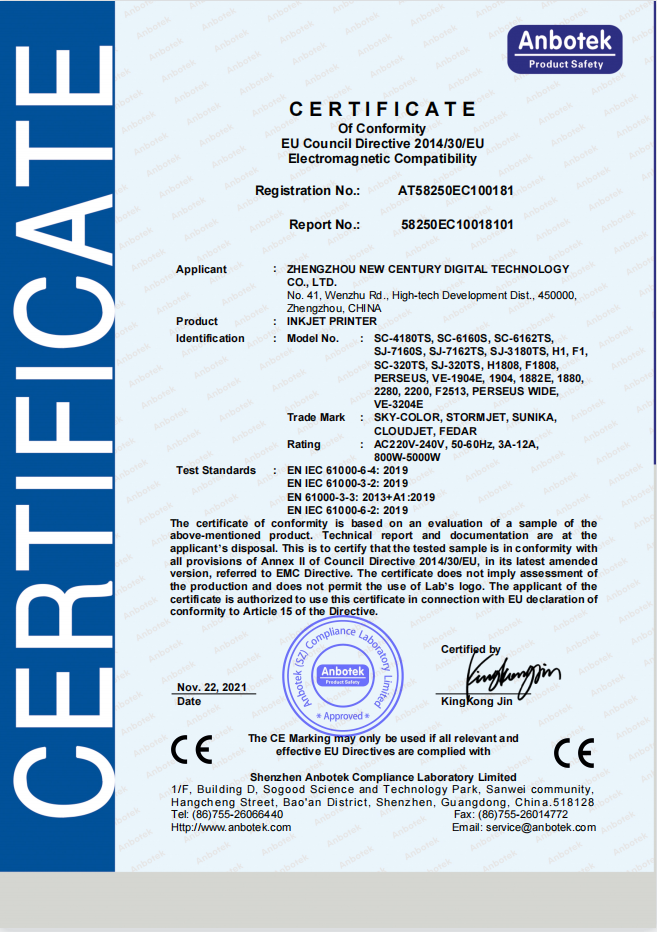
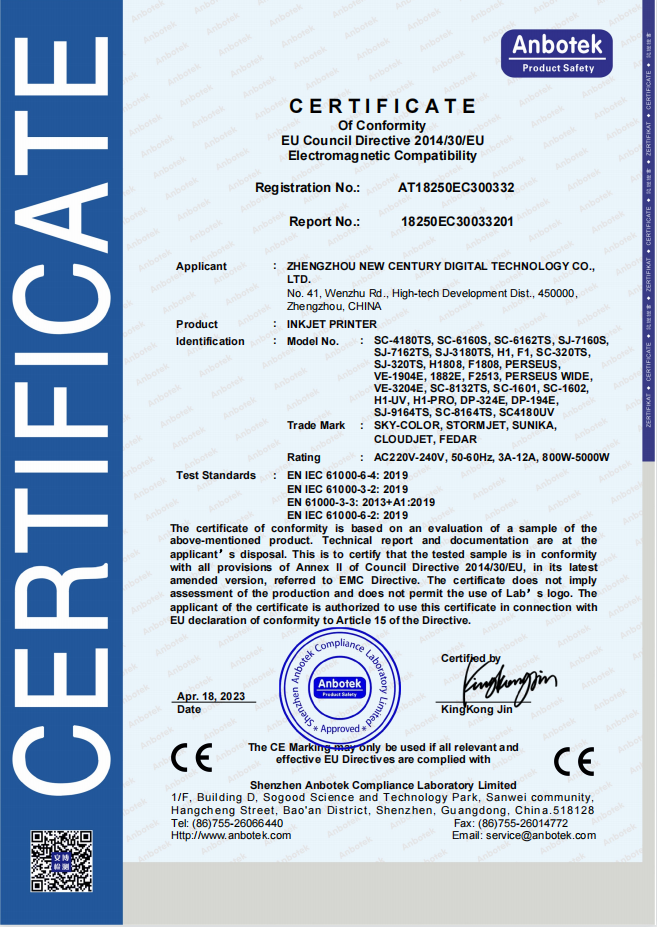
Authorized makers with well-established factories have an edge over generic dealers. Fedar runs a 400-person workshop that focuses on research and development (R&D) and production of inkjet printers. This makes sure that resellers have a steady supply of parts and quality control that protects their names. Check the suppliers' certifications, look at sample prints, and ask existing wholesalers in similar areas for examples. The warranty should cover both parts and work, and there should be clear promises about how long technical help will take to respond. Suppliers that offer multilingual support and regional spare parts distribution are especially helpful for cross-border agents because they reduce the amount of time that equipment is down.
Key Purchasing Factors
Long-term running costs are affected by how well the printer works with films, inks, and powders from other companies. Some makers force users to use their own supplies, which drives up the cost of each print. Open-architecture tools let you negotiate with suppliers to get the best prices. Return policies and trial periods help sellers who are trying out new markets or types of products by lowering their risk. Flexible payment terms and bulk prices help businesses with their cash flow, especially those that are growing. Services for installation and training make sure that employees can use tools effectively from the start, so there is no learning curve that slows down making money.
Logistical Challenges and International Support
When shipping industrial printers abroad, the total landed cost is affected by customs paperwork, import taxes, and freight costs. Suppliers who have experience with international trade can speed up this process by making sure that all the rules are followed and giving accurate cost estimates. After the delivery, assistance is very important. Agents need to be able to get in touch with expert teams that can do remote diagnostics, fast sending of extra parts, and on-site service when needed. Localized support networks help Fedar's customers all over the world. They cut down on reaction times and make sure agents can safely offer service guarantees to their own customers.
Brand Insights and Future Outlook for 24 Inch DTF Printers
As companies improve technology and add new features, the DTF market keeps changing. Agents can better position themselves by knowing which brands keep their promises and which new technologies are changing the way production works. Selecting the right 24-inch DTF printer brand is essential for staying ahead of industry shifts.
Leading Manufacturers and Market Positioning
Well-known brands use their engineers' knowledge and the way their parts work together to make sure they always offer great results. Fedar specializes in printing technology and has been adapting it to the advertising, linens, and industrial markets for years. This knowledge helps them make design decisions that solve real-world production problems. Their FD60, FD604, and FD606 models show a scalable design, which lets agents give clients ways to grow without having to switch systems. Generic alternatives often only fight on price, not on the quality of their parts or support system, which makes them less reliable in the long run. When agents are looking at names, they should give more weight to sellers who offer repeatable sample support, detailed technical documentation, and clear profit models that protect market territories.
Emerging Technologies and Sustainability
Environmental laws are getting stricter around the world, so eco-friendly paints with lower VOC emissions are needed. While still new, water-based DTF inks promise to be better for the environment without lowering the brightness of the colors or the sturdiness of the prints after being washed. Workflow automation, such as software that integrates design stacking and IoT-enabled production tracking, cuts down on the work that needs to be done by hand and on mistakes. These technologies raise output while lowering skill requirements, which means that agencies can hire more people. Energy-efficient curing devices lower costs and leave less of an impact on the environment, which makes them appealing to brands that care about sustainability in their supply lines.
Strategic Investment and an Edge in the Market
Businesses can prepare for changes in the market by buying the right DTF printer setup. Being able to make both small custom orders and large repeat orders lets workers serve a wide range of customers without having to buy a lot of different tools. Better print quality—achieving Grade 4.5+ wash durability and 400% stretch without cracking—sets output apart in markets where competition is high, and customers expect performance promises. When agents work with makers that do ongoing research and development, like Fedar's continuous product refinement, they can get access to small changes and new technologies that make equipment last longer and keep it competitive.
Conclusion
The 24-inch DTF printer is a valuable tool for companies that want to find a good mix between output volume, print quality, and operational efficiency. This equipment solves the practical problems that modern textile designers and their distribution partners face. Its core technology uses precise Epson i3200-A1 printheads and automatic powder application, and it can work with different types of fabrics and make large amounts of products. How you do maintenance, how you buy things, and how you choose suppliers are all very important for getting the best return on your investment. As sustainability efforts and automation progress, the market will change. To be successful in the long run in a market that is becoming more competitive, choose a manufacturer with proven technical skills and a full support system.
FAQ
How often should maintenance be performed on DTF printers?
Cleaning the inkjet every day keeps it from getting clogged, and checking the white ink circulation systems and powder application mechanisms once a week finds problems early. Deep cleaning and tuning done once a month keeps colors accurate and tools lasting a long time. Regular repair cuts down on unplanned downtime and greatly increases the life of parts.
What fabrics work with DTF transfers?
Cotton, polyester, nylon, spandex, leather, and even cotton-polyester mixes can all be used with DTF technology. This flexibility goes beyond the limits of sublimation's polyester limit and DTG's high cotton content requirement, allowing a single printing platform to offer a wide range of products.
Can DTF printers handle high-stretch performance fabrics?
When you use the right TPU powders and good DTF transfers, they can stretch up to 400% without breaking, which means they can be used for sports wear and activewear. Using the right powder and drying conditions will make sure that it lasts in tough situations.
Connect with Fedar for Your DTF Printing Needs
Choosing the right 24-inch DTF printer maker affects not only your ability to produce right away, but also your ability to stay competitive in the long run as a plant or distributor. Fedar's 400-person plant maintains quality by following strict testing procedures, finding stable parts, and investing in research and development all the time. Our FD60, FD604, and FD606 types can be easily expanded to meet your needs, whether you're starting a new service line or making the ones you already have bigger. In addition to tools, we offer full agent support, which includes technical training, marketing materials, sample kits, and quick customer service after the sale to keep your relationships with your customers safe. Get in touch with us at info@tex-printer.com to talk about how our 24-inch DTF printer for sale fits in with your business plan. We'll set up practice reviews, talk about rules for protecting territory, and come up with a partnership model that helps your region grow in a way that lasts.
References
1. "Direct-to-Film Printing Technology: A Comprehensive Guide for Industrial Applications," Textile Printing Journal, 2023.
2. Smith, J., "Comparative Analysis of Digital Textile Printing Methods," International Journal of Print Technology, 2024.
3. "DTF Market Trends and Forecast 2024-2028," Global Printing Equipment Research Institute, 2024.
4. Anderson, M., "Maintenance Best Practices for Industrial Inkjet Printers," Digital Printing Technical Review, 2023.
5. "Environmental Impact Assessment of DTF vs. Traditional Printing Methods," Sustainable Manufacturing Quarterly, 2024.
6. Chen, L., "Adhesive Chemistry in Heat Transfer Applications," Polymer Science and Engineering Journal, 2023.

Kevin Zhang
Kevin Zhang is a senior R&D engineer in the digital textile printing field, focusing on the innovation and industrialization of digital printing equipment, direct-to-fabric processes, and application solutions. Achievement: Led the in-house development and mass production of multiple textile printers and direct-to-garment printers, driving their large-scale adoption in textile, advertising, home decor, and customized markets.
We Look Forward to Your Email
Please send us product information that interests you, and we will provide you with one-on-one service.




_1778203196111.png)
Recommended Blog
 Printer Considerations_1779869621127.webp)
Best DTF Printing Machine for Small Business: A Buyer's Guide