How to Choose the Right DTF Printing Machine for Your Business?
Understanding DTF Printing Technology and Its Advantages
- Understanding DTF Printing Technology and Its Advantages
- Key Criteria to Consider When Choosing a DTF Printing Machine
- Comparing DTF Printing Machines: Making the Right Choice for Your Business
- Procurement Strategies: How and Where to Buy Your DTF Printing Machine
- Maximizing Your Investment: Maintenance, Troubleshooting, and Support
- Conclusion
- FAQ
- Partner with Fedar for Your DTF Printing Machine Needs
- References
Getting the right DTF printing machine can completely change how your business works, cutting down on waste and increasing profits. Businesses can print bright, long-lasting patterns on a wide range of fabrics with Direct-to-Film technology, which isn't possible with traditional methods. If you want to start a line of custom clothing or offer more digital printing services, you need to know the technical requirements, practical benefits, and provider qualifications. The right choice of equipment combines the original cost with long-term production capacity, upkeep needs, and support after the sale. This way, you can meet customer needs and keep healthy profit margins across a range of order volumes.
Understanding DTF Printing Technology and Its Advantages
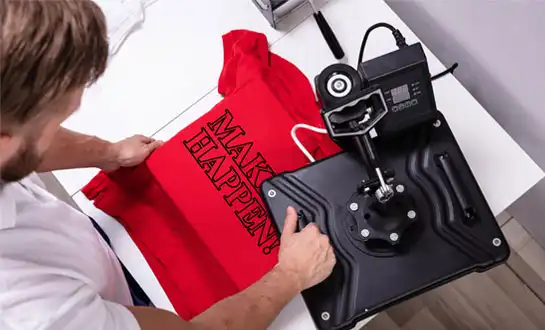
Direct-to-Film printing is a big step forward in decorating textiles because it fixes some of the most important problems with older technologies. Using water-based pigment inks to print designs on special PET film, then adding thermoplastic polyurethane adhesive powder, heating the powder to cure it, and using a heat press to transfer the finished picture to fabric. Direct-to-Garment methods need a pre-treatment step. This process gets rid of that step and gives you more substrate options than sublimation printing.
source:FEDAR PRINTER
DTF printing stands out because it works with a wide range of materials and is easy to use. Direct-to-Film copies stick well to cotton, polyester, mixes, nylon, and even leather, while DTG technology has trouble with polyester and needs to be treated with chemicals before it can be used on cotton. Screen printing has high setup costs for work with more than one color, and there are minimum order amounts that make small-batch production less likely. Weeding heat transfer vinyl by hand takes a lot of time and makes each unit more expensive. The DTF method speeds up production by providing press-ready copies that can be used on a variety of materials without requiring a lot of setup time or wasteful material use.
Business Advantages of DTF Technology
Adopting this technology has real benefits for operations. Businesses can meet the needs of print-on-demand markets by being able to handle both single-unit orders and large runs economically. This makes production flexibility stand out. The level of color accuracy is about the same as sublimation, and the soft hand that customers expect from high-end clothing is still there. Wash durability tests regularly show great fastness scores. Transfers that are made correctly can withstand industrial laundering cycles without cracking or fading. Modern systems have small footprints that let businesses make high-quality products with little floor space. This cuts down on costs while keeping industrial output standards.
Key Criteria to Consider When Choosing a DTF Printing Machine
When choosing a machine, technical requirements and business goals must be in sync. Predicting how much production you expect will help you choose the right equipment. Not predicting capacity can cause problems during busy times, and investing too much in processing that you don't need can hurt your cash flow. By regularly evaluating these factors, it is possible to avoid costly problems where equipment capabilities don't match up with real operating needs.
Print Resolution and Speed Requirements
Design fidelity in a DTF printing machine is determined by resolution, especially for complex drawings and pictures that look like photos. Systems that can handle 1600 DPI can show fine features and smooth colors that meet the needs of picky customers. How speed is important depends on the type of business. For new companies, a basic DTF printing machine that can print 10 to 20 A3 sheets an hour might be enough, but established businesses often need a DTF printing machine capable of producing 30 to 60 sheets an hour or more. The Fedar FD-D300 has a resolution of 1600 DPI and can print 10 A3 sheets or 20 A4 sheets per hour through its single Epson F1080-A1 printhead, making this DTF printing machine well-suited for sample makers and small-batch operations. With two printheads, the FD-D302 DTF printing machine can print either 31 A3 or 62 A4 sheets per hour while maintaining the same quality standards, making it ideal for growing businesses transitioning from trial work to regular production runs.
Ink Systems and Material Compatibility
Print longevity and color brightness are directly affected by the quality of the ink. CMYK plus white ink setups make it possible to print full-color images on dark fabrics, which increases the number of products that can be sold. Titanium dioxide sedimentation, which clogs nozzles and gives uneven coverage, can't happen with white ink circulation systems. Making sure the ink works with the media you want to use saves you a lot of money on mistakes after the purchase. Both Fedar types use CMYK+W color schemes with a 300mm print width, which makes them flexible in use and easy to maintain.
Total Cost of Ownership Analysis
The purchase price only covers the starting cost of the item. During the life of an item, costs for consumables like ink, film, sticky powder, and new printheads add up quickly. The amount of energy used, especially by healing tools, affects the monthly costs of running the business. Maintenance needs are very different between makers. For example, some systems need to be cleaned by hand every day, while others have maintenance processes that are automatically run. By comparing these ongoing costs to expected income, you can make accurate predictions about how profitable the business will be and avoid unpleasant financial surprises during operation.
Supplier Credentials and After-Sales Support
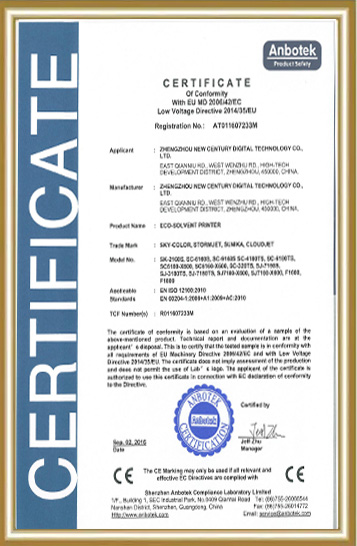
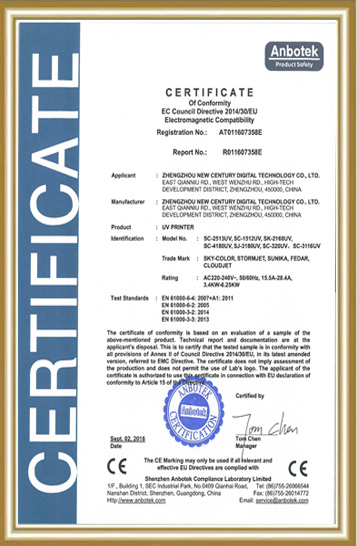
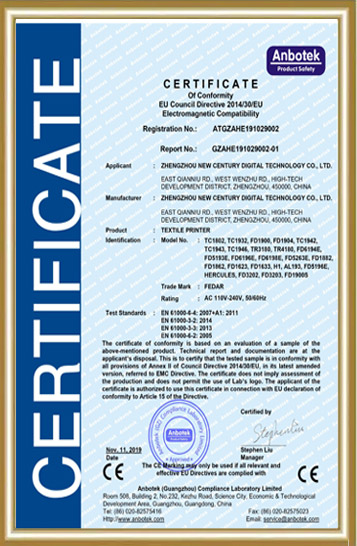
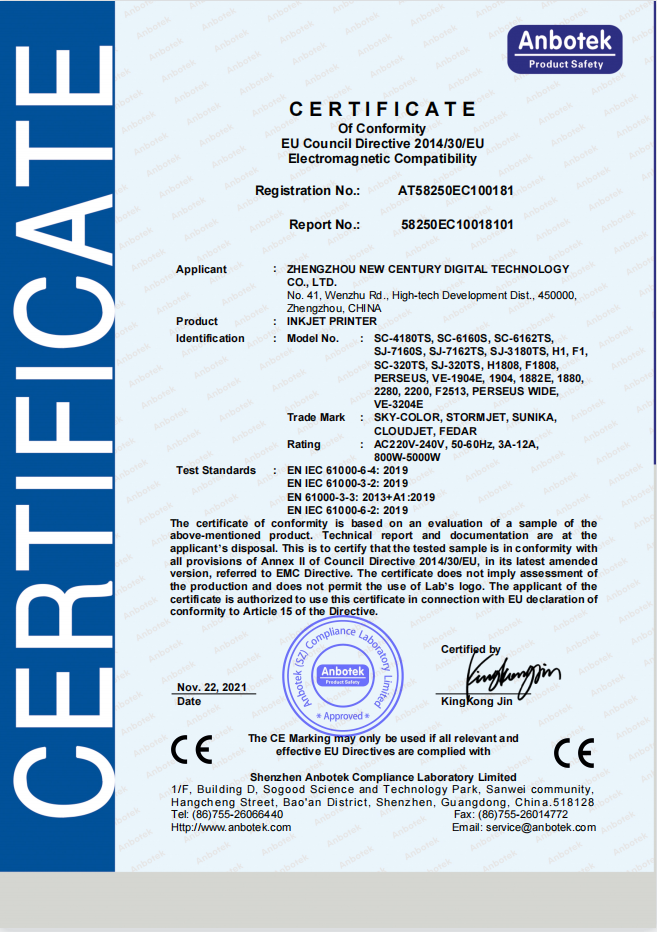
The name of the manufacturer and their support system should be carefully looked into. Factory skills show standards for quality control and consistent output. Companies with 400 employees and their own research and development departments usually keep better supply lines and tighter standards on parts than resellers who rebrand foreign equipment. When technology problems happen, after-sales help is very important—response time has a direct effect on how happy customers are and how much money the business makes. Professional providers are different from cheaper options that don't offer after-sales support because they have local service techs, spare parts, and full training programs.
Comparing DTF Printing Machines: Making the Right Choice for Your Business
Knowing how Direct-to-Film technology stacks up against other methods makes it clear when DTF is the best choice and when other methods would work better in certain scenarios.
DTF Versus DTG Printing
Direct-to-Garment methods work best when printing straight onto cotton clothes in one step, but they have trouble with polyester because the ink doesn't stick as well. Applying the pre-treatment takes more work and time to dry, which slows down the process. A DTF printing machine gets rid of all pre-treatment and makes the substrate fit better, but it adds the heat press transfer step. Businesses that only print on cotton might like how simple DTG is, while businesses that print on a variety of materials would benefit from how flexible DTF is.
DTF Versus Screen Printing
Screen printing has the lowest cost per unit when you make a lot of them, but it takes a lot to set up for each color separation. Because of changes in design, new screens are needed, which makes it harder to customize and place small orders. Because they don't have setup fees or minimum orders, Direct-to-Film methods are great for custom work and testing out new ideas. Well-known brands that make a lot of the same things might still choose screen printing because it's cheaper, but custom shops and new brands can get an edge over their competitors by using DTF flexibility.
Entry-Level Versus Industrial Systems
Capability mismatches can be avoided by choosing the right tool size. Basic systems are good for companies that are testing the market or for businesses that only get special orders once in a while. The Fedar FD-D300 is a great example of this type of printer because it produces industrial-quality prints on a desktop, saving room and energy and making upkeep easier. This makes it perfect for sample development and small-scale production. When demand is higher than entry-level capacity but not high enough to support large-format industrial investment, mid-range tools like the FD-D302 can help. 60cm automatic systems with two or three Epson i3200-A1 printheads, built-in powder application, and infrared curing tubes keep temperatures within ±2°C so that results are consistent over long production runs. These systems are useful for companies that make a lot of things.
Procurement Strategies: How and Where to Buy Your DTF Printing Machine
Strategic buying protects your investment and keeps your business running by building relationships with trusted suppliers. Decisions about where and how to buy a DTF printing machine involve establishing reasonable price standards and comparing more than just the base price.
Identifying Reputable Equipment Manufacturers
Real manufacturers stand out by having production sites that can be checked, the ability to create their own tools, and a history of being in the market. Instead of just reselling general imports, companies with specialized research and development teams change their tools to meet the changing needs of the industry. Virtual or real-life factory walks show how quality control is done and how parts are sourced. Asking for client references from businesses that are like yours can give you more information about performance and help experiences than what the marketing says.
Evaluating Warranty and Service Agreements
Full guarantees cover problems with the way the product was made and parts that stop working at crucial times for the business. Looking at the guarantee terms shows what the policy covers, how to file a claim, and situations that aren't covered. Long periods of downtime can cost businesses money, but service agreements that spell out response times, expert availability, and parts replacement practices can help keep that from happening. Suppliers with training programs make sure that your staff knows how to use the equipment properly from the start. This cuts down on user mistakes that damage parts or cancel guarantees.
Pricing Considerations and Negotiation Tactics
Market study helps set reasonable price standards for all types of tools, including a DTF printing machine. When you get detailed quotes from several providers, you can compare more than just the base price. You can also compare shipping, installation, training, and refills packages. Volume savings and buying more than one machine can help you negotiate. The economics of a deal can be improved by talking about payment terms, loan choices, and trade-in amounts. By weighing the lowest price against the reliability of the provider, you can avoid picking equipment that isn't well backed just to save money when investing in a DTF printing machine.
Maximizing Your Investment: Maintenance, Troubleshooting, and Support
Proper care increases the life of equipment, protects print quality, and lowers the chance of unexpected breakdowns.
Daily and Weekly Maintenance Routines
Most operating problems can be avoided with regular upkeep. Every day, chores include cleaning the printhead, checking the ink level, and checking the film path for buildup of waste. As part of weekly processes, the powder application system is cleaned, the alignment is checked, and all of the nozzles are checked for damage. These processes only take 15 to 30 minutes, but they save hours of work time because nozzles don't get jammed or prints aren't lined up right. Setting maintenance schedules as non-negotiable operating routines saves output, no matter how many orders come in or go out.
Common Issues and Troubleshooting Solutions
Inconsistent white ink usually means that there are problems with the drainage system or with how the powder sticks to the paper. Most problems can be fixed by making sure the powder is fresh and the stirring device works. Color banding means that the printhead's orientation has moved, which can be fixed by calibrating the printer. When there are problems feeding films, it's often because the vacuum suction platform settings or roller force need to be changed. Keeping troubleshooting information for your specific model of equipment up to date speeds up problem-solving and lowers your reliance on technical help from outside sources.
Leveraging Manufacturer Support Resources
Professional makers offer expert support that goes beyond what the guarantee covers. There are answers to common problems in online knowledge bases, video lessons, and user groups. Scheduled maintenance training brings up-to-date best practices and offers ways to make operations run more smoothly. Setting up direct lines of contact with technical support teams makes sure that problems are dealt with quickly when they come up. When suppliers consistently work to make sure their customers are happy, they become important long-term partners instead of just transactional sellers.
Conclusion
When picking the right DTF printing machine, you have to weigh the technical specs against your business goals, budget, and growth expectations. Knowing the resolution needs, output speeds, and material compatibility will help you make sure that the tools you buy meet your needs. Checking the supplier's qualifications, guarantee coverage, and customer service after the sale will protect your investment long after the purchase is made. The Fedar FD-D300 and FD-D302 models show how entry-level systems can offer industrial quality without being too complicated or taking up too much room. This lets companies start or grow Direct-to-Film operations with low risk and clear ways to make money.
FAQ
What DTF printing machine capacity suits small businesses?
What is the best DTF printing machine size for a small business? For starters, machines that can make 10 to 20 A3 sheets an hour are usually enough for small workshops and sample makers. This ability can handle both custom orders and test output without needing a lot of extra money. The single-printhead setup gives solid results and makes upkeep easy for people who are new to the technology.
How often should DTF equipment receive professional maintenance?
Most problems can be avoided by cleaning at the user level every day and doing full checks once a week. Professional service visits should happen every three months or after 500 hours of operation, whichever comes first. This plan finds problems as they start to happen before they become major problems. It also keeps the measurements accurate so that the print quality is always the same.
Can DTF transfers work on non-textile surfaces?
Even though they are best for fabrics, DTF prints can stick to some non-textile surfaces, like leather, canvas bags, and some treated wood. As glue powder bonding changes depending on the surface chemistry and structure, testing certain materials ahead of time is the only way to be sure they will work together. Fabric apps are still the main ones where speed can be predicted with the most accuracy.
Partner with Fedar for Your DTF Printing Machine Needs
Picking the right DTF printing machine seller affects how well your business will do after you buy the equipment. Fedar runs a 400-person factory that focuses on original research and development (R&D) and production, making sure that every part is strictly inspected for quality. Because we have a lot of experience in the inkjet printer market, we can change our tools to work in a wide range of industries, from making custom clothes to making advertising signs. If your supply lines for core components stay stable, you won't have to worry about production delays caused by a lack of parts. Our world service network offers full support after the sale, professional training, and quick help with fixing problems. Our team creates custom solutions that meet the needs of your business, whether you need a small FD-D300 for starting up or a large FD-D302 with two printheads for growing production needs. You can talk to our Direct-to-Film printing machine maker experts about your unique needs by emailing info@tex-printer.com. You can also ask for equipment demos or full quotes with consumables packages.
References
1. Smith, J. and Thompson, R. (2022). "Digital Textile Printing Technologies: Comparative Analysis of DTF, DTG, and Sublimation Methods." Journal of Industrial Printing Technology, 18(3), pp. 145-162.
2. Chen, L. (2023). "Direct-to-Film Transfer Durability and Wash Fastness: A Technical Review." Textile Research Journal, 93(7), pp. 1534-1549.
3. Williams, M. (2023). "Cost Analysis of Digital Printing Equipment for Small to Medium Enterprises." International Journal of Manufacturing Economics, 41(2), pp. 89-106.
4. Anderson, K. and Martinez, S. (2022). "Printhead Technology Advances in Wide-Format Digital Printing Systems." Digital Printing Science Quarterly, 15(4), pp. 201-218.
5. Roberts, P. (2023). "Supply Chain Considerations for Digital Printing Equipment Procurement." Business Equipment Review, 29(1), pp. 34-51.
6. Liu, H. and Zhang, W. (2022). "Maintenance Protocols and Performance Optimization for DTF Printing Systems." Applied Industrial Technology, 37(6), pp. 412-428.

Kevin Zhang
Kevin Zhang is a senior R&D engineer in the digital textile printing field, focusing on the innovation and industrialization of digital printing equipment, direct-to-fabric processes, and application solutions. Achievement: Led the in-house development and mass production of multiple textile printers and direct-to-garment printers, driving their large-scale adoption in textile, advertising, home decor, and customized markets.
We Look Forward to Your Email
Please send us product information that interests you, and we will provide you with one-on-one service.
_1778203196111.png)
Recommended Blog
 Printer Considerations_1779869621127.webp)
Comparision Between Direct-to-Film (DTF) Printing & Sublimation Printing
How to Choose the Right DTF Printing Machine for Your Business?