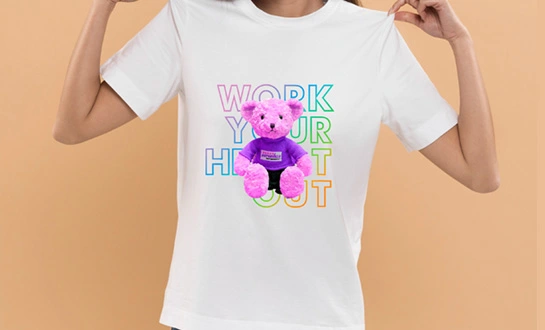
Comparision Between Direct-to-Film (DTF) Printing & Sublimation Printing
Comparision Between Direct-to-Film (DTF) Printing & Sublimation Printing
Understanding Direct-to-Film (DTF) and Sublimation Printing Technologies
- Understanding Direct-to-Film (DTF) and Sublimation Printing Technologies
- Comparative Analysis: DTF Pet Film Printers vs. Sublimation Printing
- Maintenance, Troubleshooting, and Operational Tips for DTF Pet Film Printers
- Procurement Considerations for Buying DTF Pet Film Printers
- Future Trends and Industry Insights: DTF Printing vs Sublimation
- Conclusion
- FAQ
- Partner with a Trusted DTF PET film printer Manufacturer
- References
Choose between Direct-to-Film and sublimation to change your textile printing business. A DTF PET film printer prints colorful graphics on cotton, polyester, mixes, and dark clothes without pre-treatment, making it versatile. Sublimation only works with polyester, restricting applications. DTF technology offers industrial-grade quality with desktop simplicity, making it the best solution for enterprises seeking fabric versatility, on-demand manufacturing, and quick market reaction. Sublimation thrives in lightweight sportswear and home décor. Understanding these differences improves procurement decisions and ROI.
Understanding Direct-to-Film (DTF) and Sublimation Printing Technologies
How DTF Technology Works
DTF printing revolutionizes textile ornamentation. Pigment-based inks are used to print full-color patterns and white ink onto PET film. Thermoplastic polyurethane powder bonds to wet ink after printing. Heat curing melts this powder into the pattern, and a heat press transfers it to almost any cloth. Direct-to-garment methods require pre-treatment, but our technology eliminates it, saving labor and time. Dark fabric applications require opacity from the white ink layer underneath CMYK colors.
Sublimation Printing Mechanics
Sublimation uses gas-phase transfer. Sublimation inks print on transfer paper, then heat turns them into a gas without liquid. Printing permanent, washable graphics on polyester fibers requires pressure and temperatures between 375°F and 400°F. Chemical bonds within the fabric structure create a pleasant hand feel. Polyester content must exceed 65% for this method to work, whereas natural fibers perform poorly.
Core Hardware and Consumables
Both methods use modified inkjet systems but have different consumables. Coated PET films, pigment inks with white channels, hot-melt adhesive powder, and dual-stage heating equipment are needed for DTF curing and transfer. Sublimation requires sublimation inks, transfer papers, and calibrated heat presses. DTF often uses Epson F1080-A1 or industrial-grade piezo heads with variable droplet accuracy. DTF operations require white ink channels, which sublimation printers lack with Epson or comparable heads for aqueous dye-sublimation inks.
Comparative Analysis: DTF Pet Film Printers vs. Sublimation Printing
Understanding performance variations between these technologies helps procurement teams choose equipment for operational needs and target markets. Each process has advantages based on manufacturing volume, substrate diversity, and end-use.
Print Quality and Color Reproduction
Layered ink deposition gives DTF vibrant colors. The white under-base prevents dark materials from absorbing color, keeping pattern fidelity throughout garment colors. The FEDAR FD-D300 and FD-D302 can produce 1600 DPI images for complicated artwork and delicate typography. Color gamut accuracy often meets professional requirements for branded items, with ΔE < 2.0.
The DTF PET film printer, due to dye integration into fiber molecules, allows sublimation to deliver white polyester with unsurpassed brightness. Prints without a surface layer are delicate and breathable. Since sublimation cannot deposit opaque white, darker substrates require polyester-coated surfaces or light-colored garments for color fidelity.
Material Compatibility and Application Range
DTF's main benefit is universal compatibility. DTF transfers work on cotton shirts, polyester mixes, nylon bags, leather accessories, and canvas outerwear. This adaptability lets small studios handle varied customer needs without numerous printing pieces of equipment. The system handles dark, light, and colorful textiles equally, simplifying inventories.
Limited compatibility limits sublimation to polyester-dominant materials. Its practical products include white or light-colored polyester clothes, ceramic-coated cups, aluminum panels, and polyester home textiles. Cotton print lovers must find alternatives, limiting market segmentation.
Cost Structure and Economic Efficiency
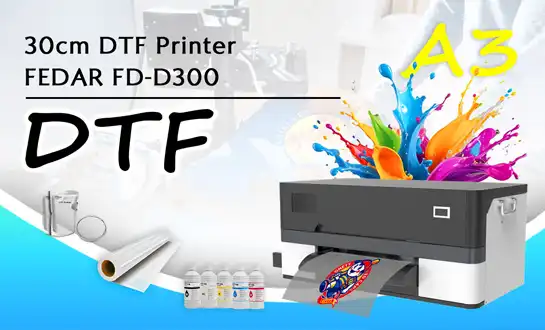
Entry-level DTF systems cost less than industrial sublimation installations. The low-cost FEDAR FD-D300 DTF PET film printer delivers 20 A4 prints per hour and is excellent for sample makers and small batch operations. The dual-head FD-D302 triples output to 62 A4 prints per hour, facilitating increased production without major capital investment.
Consumable costs benefit DTF for short and varied orders. Film and powder costs are constant regardless of design complexity; sublimation paper and ink prices vary with coverage. Successful transfers are important—DTF's forgiving technique saves waste, whereas sublimation's temperature sensitivity can generate costly rejects during operator learning curves. DTF supports print-on-demand models since there are no minimum order numbers, unlike sublimation's bulk-run efficiency bias.
Production Speed and Workflow Integration
Production scale affects speed comparisons. Batch pressing enhances sublimation's throughput in high-volume, single-design runs. Large-sized sublimation equipment can process dozens of items at once, making them useful for team uniforms or advertising campaigns with similar images.
DTF is more flexible for mixed-order situations. The decoupled printing and transferring steps allow batch printing and pressing of various designs as orders arrive. This approach works for bespoke garment, gift, and advertising signs firms with diverse customer needs. Desktop footprints minimize floor space in urban studios and e-commerce fulfillment centers with limited space.
Maintenance, Troubleshooting, and Operational Tips for DTF Pet Film Printers
Daily and Weekly Maintenance Protocols
For the DTF PET film printer, regular maintenance is needed to maintain performance. Nozzle inspections daily catch firing failures before they ruin print batches. Test patterns detect obstructions early, enabling automatic cleaning cycles for speedy recovery. Titanium dioxide particles settle quickly in white ink, requiring special care. Before each print session, circulation systems must be activated, and some operators plan overnight agitation to prevent sedimentation.
Troubleshooting Common Issues
Cleaning capping stations where printheads rest between operations, monitoring wiper blades for ink accumulation that might scratch heads, and checking damper performance to ensure ink flow are weekly responsibilities. Dust builds up on the encoder strip, a clear guide track for printhead location, compromising print registration. For layering CMYK over white channels, gentle isopropyl alcohol and lint-free cloth cleaning retain micron-level accuracy.
Fixing Common Problems: Oil staining on final transfers is commonly caused by weak PET film or high humidity. High-quality double-matte films with release coatings prevent ink leakage, and 40-60% relative humidity avoids moisture-related flaws. Dryer tunnel infrared sensors should show 110°C-150°C heating zone temperatures.
Optimizing Print Settings and Ink Selection
Washing test adhesion failures usually indicate inadequate transfer pressure or temperature. ISO cross-hatch testing checks mechanical bonding. Heat press dwell time, temperature, and pressure should be adjusted by cloth weight and composition for durability. Anti-migration powders prevent dye leakage on heat-exposed synthetic textiles, keeping color separation in complex designs.
Improving Print Settings and Ink Choice: Pigment ink composition affects quality. DTF-specific industrial inks have better wash fastness—Level 4-5 under ISO 105-C06—than textile inks. Quality and speed are balanced in resolution settings. Simple text or logos print well at 720 DPI without quality loss, but complex photographic designs require 1600 DPI to maximize detail. Variable droplet technology available in Epson F1080-A1 printheads automatically adjusts droplet size between 3.5 and 10 picoliters.
Procurement Considerations for Buying DTF Pet Film Printers
Evaluating Technical Specifications
Equipment performance levels depend on resolution, printhead technology, and speed. Entry-level systems with single Epson F1080-A1 heads offer 1600 DPI resolution for startup and sample production in most business applications. Dual-head setups like the FEDAR FD-D302 retain quality while virtually doubling capacity for expanding organizations. A3-sized transfers fit in 300mm systems, which are suitable for most clothes decoration applications.
Assessing Manufacturer Support and Warranty
Operational ink channel configuration important. CMYK plus white is the norm, although certain applications need fluorescent or specialized finish channels. White ink circulation and stirring distinguish reliable industrial machines from cheap versions that clog often. Automatic maintenance reduces operator skill requirements, which is crucial when personnel vary, or training costs restrict technical competence.
For a DTF PET film printer, quality after-sales service determines long-term ownership satisfaction. Technical concerns are resolved quickly by manufacturers with cross-border support teams, minimizing revenue-impacting downtime. Comprehensive warranty coverage for printheads and electronics for 12–24 months implies quality workmanship, whereas restricted warranties omitting worn components reflect dependability difficulties.
Sourcing Channels and Pricing Strategies
Training and marketing support are valuable beyond hardware. Technical training in maintenance, workflow optimization, and troubleshooting helps personnel maximize equipment use. Distributors use sample kits and reproducible print demos to convert prospects into purchasers, especially for agency partners creating new market regions.
Authorized distributors and OEM alliances beat spot purchases. Established partnerships guarantee authentic replacement components, warranty fulfillment, and firmware upgrades that improve operation. Distributors serving regional markets prefer bulk order discounts for multi-unit transactions. Competitive pricing that balances affordability and profit margins helps agents succeed, while market protection measures safeguard brand positioning and authorized partners' inventory.
Future Trends and Industry Insights: DTF Printing vs Sublimation
Technological Advancements on the Horizon
Innovation accelerates across both technologies. DTF develops multi-head arrays to increase print rates and enhance ink formulas to reduce curing. Sustainable water-based adhesive powders meet wash durability criteria. Automated film handling systems save labor costs and improve uniformity in high-volume operations.
Market Dynamics and Growth Opportunities
Sublimation uses hybrid coatings to decorate natural fibers and enhance material compatibility. Improved ink sets improve outdoor lightfastness and UV stability. European and North American markets value energy-efficient heating systems for cost savings and environmental compliance.
Strategic Investment Recommendations
Both groups are driven by the demand for custom clothes, but differently. SMBs using print-on-demand strategies for niche markets increase DTF faster. Custom printing is democratized by eliminating minimum order numbers, allowing micro-businesses and individuals to compete with screen printing companies. Technical hurdles to market access are reduced by e-commerce integration technologies that streamline the process from online purchase to completed garment.
Sublimation is dominant in verticals where its advantages are unmatched. Athletic gear producers value breathable, soft-hand features. Custom curtains, upholstery, and bedding use sublimation to saturate big-scale polyester materials with brilliant, fade-resistant graphics. Forward-thinking distributors understand these technologies are complementary and create services around their strengths.
Conclusion
The DTF PET film printer serves different yet sometimes overlapping markets. Perfect for athletic and household fabrics, sublimation gives polyester unsurpassed softness and brightness. DTF supports on-demand manufacturing with universal fabric compatibility, dark garment capabilities, and operational flexibility. Material needs, manufacturing volume trends, and market positioning should guide procurement decisions. Investing in reliable equipment from manufacturers with extensive technical support, training, and after-sales service boosts operational performance and customer satisfaction.
FAQ
Can DTF printers work with all fabric types?
DTF transfers stick to cotton, polyester, mixes, nylon, leather, and canvas. Instead of polyester-only sublimation, thermoplastic adhesive powder produces mechanical connections with most textiles. Since the white ink under-base prevents color absorption, dark materials are easy.
How do maintenance requirements compare between technologies?
DTF requires daily nozzle inspections, weekly capping station cleaning, and more frequent white ink circulation to prevent jams. Although temperature calibration and printhead cleaning are needed, sublimation requires less regular maintenance. Overall maintenance time is comparable, but DTF's learning curve is steeper owing to powder application and curing.
What factors most influence the total cost of ownership?
Beyond equipment investment, consumables, waste, and labor efficiency impact long-term costs. DTF's stable per-transfer prices fit diverse output, whereas sublimation's scale economies favor large orders. Manufacturer reputation and warranty coverage are important because equipment dependability affects downtime and repair costs, which affects profitability.
Partner with a Trusted DTF PET film printer Manufacturer
Fedar delivers industrial-quality DTF PET film printer solutions with desktop comfort from its 400-person R&D and manufacturing plant. FEDAR FD-D300 and FD-D302 models allow zero-experience startups with various entry points in manufacturing facilities. Energy-efficient designs, stable Epson F1080-A1 printheads, and accurate white ink circulation save operational expenses and improve output quality. We guarantee your success with technical training, marketing materials, sample assistance, and prompt after-sales service. Ask us about agent possibilities, distributor bulk pricing, and tailored solutions for your market at info@tex-printer.com.
References
1. Cohen, A.L. (2022). Digital Textile Printing: Technologies and Market Applications. Textile Institute Publishing.
2. Martinez, R. & Thompson, K.J. (2023). Comparative Analysis of Garment Decoration Methods: Cost, Quality, and Sustainability Factors. Journal of Industrial Textiles, 45(3), 287-312.
3. Singh, P.K. (2021). Advances in Ink Formulation for Direct-to-Film Transfer Printing. Coloration Technology Review, 38(6), 445-467.
4. European Textile Printing Association. (2023). Industry Standards for Wash Fastness and Durability Testing in Digital Transfer Applications. ETPA Technical Bulletin 2023-07.
5. Williams, J.D. & Chen, M.H. (2022). Equipment Selection Strategies for Small to Medium Textile Decoration Businesses. Print Production Management Quarterly, 29(2), 78-95.
6. Global Textile Technology Forum. (2023). Emerging Trends in Direct-to-Film and Sublimation Printing: Market Forecast 2024-2028. Industry Research Report Series.

Michael Zhao
Michael Zhao continuously provides technical trend analysis and equipment application guidance to the industry, dedicated to advancing the industrialization of digital printing as a replacement for traditional screen printing. Achievement: Has published multiple technical analysis articles and provided professional support in equipment selection, process optimization, and fault diagnosis to dozens of printing factories, contributing to the upgrade of the digital printing industry.
We Look Forward to Your Email
Please send us product information that interests you, and we will provide you with one-on-one service.
_1778203196111.png)
Recommended Blog
 Printer Considerations_1779869621127.webp)
Best DTF Printing Machine for Small Business: A Buyer's Guide