What Is dye sublimation printer sublimation transfer printer: A Complete Guide
What Is dye sublimation printer sublimation transfer printer: A Complete Guide
Understanding Dye Sublimation and Sublimation Transfer Printers
- Understanding Dye Sublimation and Sublimation Transfer Printers
- Comparing Dye Sublimation Printers and Inkjet Printers
- How to Choose the Best Sublimation Transfer Printer for Your Business
- Maintenance and Troubleshooting of Dye Sublimation Printers
- Procurement and Buying Guide for Dye Sublimation and Sublimation Transfer Printers
- Conclusion
- FAQ
- Partner with a Trusted Dye Sublimation Printer Sublimation Transfer Printer Manufacturer
- References
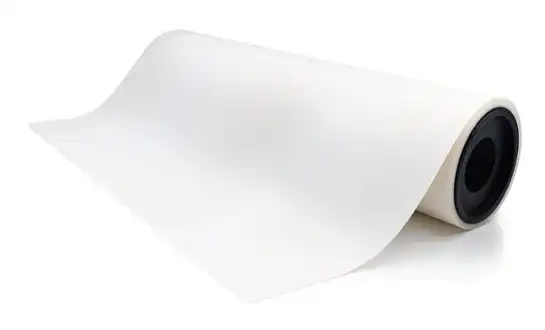
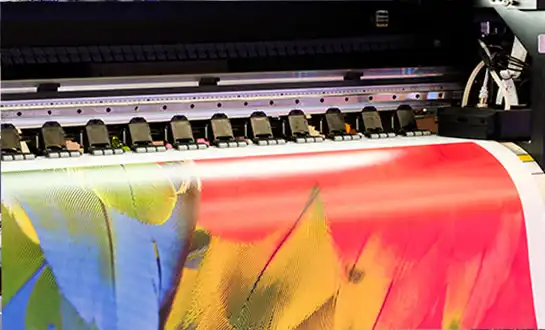
A dye sublimation printer sublimation transfer printer, is a special kind of digital printing system that puts sublimation inks on transfer media, which is usually coated sublimation paper, so that the inks can melt into polyester-based surfaces when heated. This technology is different from traditional inkjet methods because it uses a solid-to-gas phase shift. Heat and pressure push the ink into the fabric's molecular structure instead of just sitting on top. In an industrial setting, this equipment solves important problems like the need for waterless coloring processes, the high cost of setup for short-run cloth production, and the failure to get photographic gradients in screen printing. It's a link between high-speed production and customizing things for each person, making sure that images have no feel and last forever.
Understanding Dye Sublimation and Sublimation Transfer Printers
How the Technology Works
To start the sublimation process, a computer image is created with sublimation inks on special transfer paper. The solid ink particles turn straight into gas when the printed paper is put against a polyester cloth or polymer-coated surface and heated (usually 180°C to 210°C) while under pressure. They don't go through a liquid step first. This gas gets into the polyester fibers through their open holes and links with molecules. When the material cools, the holes close up, keeping the color inside the substrate for good. This makes pictures that won't crack, peel, or fade over time and have great color brightness that won't wash off.
Core Components of Industrial Systems
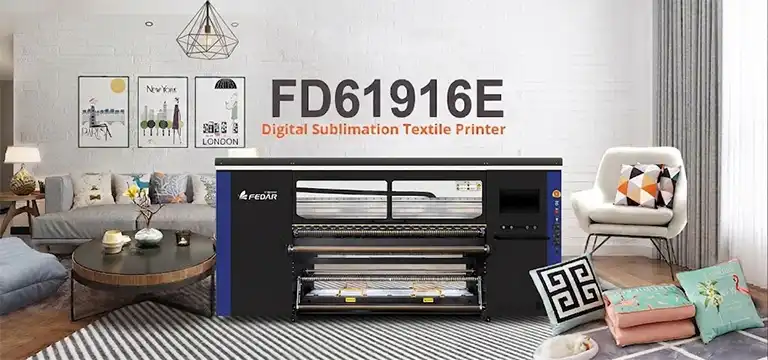
Modern commercial dye sublimation printer sublimation transfer printer equipment is made up of a number of important parts that work together to determine the quality of the output and how efficiently it is made. The printer is the most important part of the system. Some of the best dye sublimation printer sublimation transfer printer models, like the FEDAR FD3324E, have 24 Epson i3200-A1 printheads that work with variable droplet technology to achieve image resolutions of up to 3200 DPI. This setup makes it possible to produce smooth gradients and fine, sharp details that are essential for high-quality image reproduction. Thin sublimation paper ranging from 40gsm to 100gsm must be carefully handled by the media handling system to prevent wrinkling or cockling when large amounts of ink are applied. Infrared or fan-based drying systems, together with tension control devices, ensure that the transfer paper remains flat and dry before winding. This helps prevent ghosting and ink migration during storage.
Compatible Materials and Substrates
This printing method only works on polyester fabrics or materials that have been coated with polymers. Natural fibers like cotton don't have the right polymer structure for dye bonding, so they need at least 60% polyester to work. In addition to fabrics, sublimation works beautifully on stiff surfaces like ceramics, hardboards, metal panels, and some plastics—as long as they have a special polymer coating. The technology works great for things that need continuous tone photo quality, like high-performance clothing that doesn't lose its breathability, and home decor items like lighting displays and tension fabric images for trade shows.
Comparing Dye Sublimation Printers and Inkjet Printers
Technology and Output Differences
In traditional inkjet printers, liquid ink is put on the media's surface, making a layer that sits on top of the base. In contrast, a dye sublimation printer sublimation transfer printer, uses a completely different printing mechanism. Standard inkjet prints can be damaged by scratching, fading, and washing when this surface treatment is used. Sublimation methods work very differently because they insert color into the material. The gas-phase dye becomes part of the fabric's structure. This means that pictures stay the same after hundreds of washings without losing their color. The color brightness is also better than regular printer output because the dye reflects light from inside the fiber instead of just on the surface. This makes the saturation deeper and the color reproduction more accurate.
Application-Specific Advantages
When businesses compare different pieces of tools, the choice they make depends a lot on how much they need to make. Most textile printing is done with sublimation technology on sports, custom clothing, and home materials that need to last a long time. Because dye entry doesn't clog material pores, the process lets breathable cloth keep its natural qualities. Inkjet printers that use ink cartridges are still better for printing on paper, making signs on non-textile materials, and using cotton or other natural fibers. When it comes to customizing gifts and promotional items like mugs, phone cases, and metal pictures, sublimation transfer systems are better than regular printing because they are less likely to scratch and stay stable in UV light.
The Role of Heat Press Equipment
It's important to know that sublimation printing has two steps in order to plan your purchases. The printer makes the transfer picture, but the heat press completes the change by using the right amount of heat and pressure to make the dye move. Because these two pieces of equipment work well together, businesses need to buy both of them and make sure they fit together well. Large-format transfers can be made more efficiently with automatic heat press systems that keep the temperature and pressure levels stable. To make sure that neither the printing speed nor the heat transfer capacity slows down, procurement teams that are trying to improve production processes should figure out the output balance between the two.
How to Choose the Best Sublimation Transfer Printer for Your Business
Critical Selection Criteria
To choose the right sublimation tools, you need to carefully look at the technical specs that match your output needs. Print resolution tells you how sharp and detailed your output can be. 3200 DPI systems, like the ones in the FEDAR FD series, produce photo-quality results that can be used for fine art copying and high-end fashion printing. How well you can meet deadlines depends on how fast your production is measured in square meters per hour. The FEDAR FD3324E can print at a very fast 1080㎡/h in single-pass CMYK mode across its 3300mm width, which makes it perfect for jobs with a lot of pages. It's not enough to just know if two materials are compatible with each other. Fabric weight, weave density, and covering types can also affect the quality of the transfer.
Evaluating Market Options
On the market for commercial dye sublimation printer sublimation transfer printer solutions, you can find everything from basic desktop units to large production systems like those made by Fedar. Our company is best known for its original research and development and manufacturing capabilities. It operates a 400-person factory that follows strict quality control standards. The FD series offers a range of models designed for different production scales and budget requirements. Medium-sized businesses could consider the FEDAR FD61915E, which features 15 Epson i3200-A1 printheads and can produce up to 610㎡/h across a 1900mm printing width. This machine provides an excellent balance between performance and investment cost. For larger companies with higher production demands, the FD2624E's 24-printhead configuration can achieve speeds of up to 1000m/h across a 2600mm width. All models maintain the same 3200 DPI resolution and CMYK color configuration, ensuring consistent print quality throughout the entire dye sublimation printer sublimation transfer printer product range.
Supplier Considerations and Support
Beyond the specs of the tools, the long-term success of a business depends on how reliable the supplier is. Authorized makers, such as Fedar, offer full after-sales support that is very helpful when technology problems arise. Our customers around the world get expert training materials, marketing support assets, and sample kits that partners can use to show end users what they can do. Downtime that can ruin production plans is kept to a minimum by having OEM replacement parts and local repair networks available. We keep our supply lines steady for core parts like Epson printheads so that they are always available, even when the market is down. Fedar is a good partner for wholesalers and resellers who want to build long-lasting equipment portfolios because of its stable supply and open ways of working together.
Maintenance and Troubleshooting of Dye Sublimation Printers
Common Operational Challenges
To keep the quality of the output and extend the life of a dye sublimation printer sublimation transfer printer, regular maintenance is essential. Color inconsistencies often occur when dried ink particles block printhead channels and clog nozzles. Daily nozzle checks and automated cleaning cycles help prevent most issues before they affect production. Environmental conditions also have a significant impact on performance. Maintaining a stable temperature between 20°C and 28°C and humidity levels between 40% and 60% helps prevent fluctuations in ink density and reduces paper static that can cause feeding problems. Banding defects, which appear as horizontal lines on prints, are typically caused by printer alignment issues or insufficient drying time between passes. These problems can usually be resolved by adjusting calibration settings and optimizing the drying system of the dye sublimation printer sublimation transfer printer.
Preventive Maintenance Protocols
Setting up regular repair plans will protect your equipment investment and keep the quality of your output consistent. Deep cleaning the capping stations once a week makes sure that the printheads are properly sealed when the equipment is not in use. This keeps important parts from drying out. Color accuracy is checked against set standards once a month, and ICC profile validation is used to make sure that the software-level color management works with your unique ink-and-paper mix. Media tracking systems need to be checked every so often to make sure they are aligned correctly across 50-meter spans. This keeps them from gradually becoming crooked during long production runs. As a result, these preventative steps lower the cost of emergency repairs and increase the useful life of precise parts like piezoelectric printheads that are expensive to replace.
Quality Component Sourcing
Using original OEM parts and approved supplies has a direct effect on the print quality and operational reliability of any dye sublimation printer sublimation transfer printer system. When you look for aftermarket alternatives to important parts like printheads, they don't always meet the precise manufacturing specifications required for consistent droplet placement at 3200 DPI resolution. Fedar sells approved replacement parts that have been tested to ensure full compatibility with our equipment. The chemistry of sublimation ink varies from one manufacturer to another. High-quality formulations remain stable at high printing speeds and provide a wider color gamut. When combined with the correct transfer papers and coatings, these supplies help optimize overall system performance. Trying to reduce costs by using unapproved substitutions often results in lower output quality, increased maintenance requirements, and the loss of equipment warranty coverage.
Procurement and Buying Guide for Dye Sublimation and Sublimation Transfer Printers
Direct Manufacturer Advantages
There are clear benefits to buying straight from well-known makers instead of going through middlemen. Fedar's direct-to-buyer plan gets rid of markups for distributors while still giving customers access to factory engineers who know what tools can and can't do. Instead of pushing customers into standard packages, our buying team works with buyers to set up systems that meet their unique production needs. Bulk buying agreements for multiple unit deployments open bulk savings that lower per-unit costs by a large amount for printing companies that want to increase their capacity or for resellers who want to stock up on supplies. Direct connections with manufacturers also make warranty claims and technical support easier because problems go straight to engineering teams instead of going through a bunch of different contact points.
Total Cost Analysis
A full cost analysis of a dye sublimation printer sublimation transfer printer looks at more than just the initial purchase price; it also considers all of the costs of owning the equipment over its entire service life. When buying an industrial sublimation printer, you need to think about how much the consumables will cost, how much the printer will cost to maintain, and how much it will produce. High-end models, like the FEDAR FD3324E, cost more, but they have better output, which lowers the cost of making each unit in high-volume operations. Energy use, the cost of new printheads, and how often maintenance is planned all affect how profitable a business will be in the long run. To get an accurate picture of running costs, buyers should ask for detailed estimates of how much of each item they will use based on how much they plan to produce. This study helps stakeholders understand why equipment investments are worth it by showing when the money will be returned and how better output quality or faster response times give a business a competitive edge.
International Procurement Considerations
It can be harder for global buyers to figure out how to deal with customs rules, shipping processes, and cross-border support plans. Fedar has worked with foreign customers in a number of different markets and can give advice on the paperwork needed to bring goods into the country and the HS code classifications that affect tax rates. Because printhead assemblies and electronic control systems are so precise, moving equipment needs to be done in a certain way. To keep your items safe during travel, our logistics partners use custom crating and shock-absorption packing. Delivery times depend on where the goods are going and how quickly they are processed by customs, but for containerized packages, they are usually between four and eight weeks. Post-delivery support includes technical help over the phone, fixing through video, and shipping parts in a way that keeps service delays to a minimum, no matter how far away the parts are.
Conclusion
Dye sublimation printer sublimation transfer printer technology is a game-changer for companies that need long-lasting, vivid, and photo-quality output on polyester surfaces and polymer-coated materials. The solid-to-gas ink transfer process makes it possible to get wash-resistant results that aren't possible with traditional printing methods. Also, the ability to produce textiles on demand gets rid of the inventory risks that come with traditional textile manufacturing. To do the job right, you need to know how the two-step process works, which involves special printing tools and heat press systems working together. Fedar has a wide range of products that can be used in studios, factories, and other large production facilities. They also offer factory-direct help to make sure that their customers are always happy with their purchases. Paying close attention to upkeep instructions, getting original parts, and figuring out the total cost of ownership can help buyers make money long-term with this flexible printing technology.
FAQ
What materials work with sublimation transfer printing?
For dye bonding to work with sublimation technology, surfaces must be made of polyester or have polymer coats applied to them. At least 60% polyester must be present in the material; 100% polyester gives the best results. When rigid surfaces like metal panels, ceramic tiles, and some plastics are treated with special polymer coats first, they can be sublimated.
Why do colors look different on paper versus final prints?
This change in how things look is normal and expected in sublimation processes. The dyes don't look their brightest until they are heated, which starts the gas-phase transition. During the heat press process, the colors get about 30–40% brighter than they do on transfer paper.
How often should industrial sublimation printers receive maintenance?
To keep exact output, production equipment needs to have its nozzles checked every day and its capping station cleaned once a week. Every month, processes called calibration check the color precision and media tracking alignment. Maintaining a temperature range of 20–28°C and a humidity level of 40–60% through environmental settings lowers the need for upkeep by stopping problems with ink viscosity.
Partner with a Trusted Dye Sublimation Printer Sublimation Transfer Printer Manufacturer
Fedar wants wholesalers, resellers, and production sites to learn more about our industrial-grade sublimation equipment, which is made for tough business uses. Our 400-person factory is a specialized manufacturer that makes precision-engineered systems with Epson i3200-A1 printheads, resolutions of up to 3200 DPI, and output speeds of more than 1000㎡/h, based on the configuration. Our full support system includes expert training programs, marketing materials for dealers, sample kits that can be used again and again, and quick service after the sale that keeps your business running. Our product line meets a wide range of production needs with high-quality standards. For example, the FD3324E's 3300mm width makes it suitable for wide-format printing, and the FD1912S is a small high-speed option. Get in touch with our purchasing team at info@tex-printer.com to talk about dye sublimation printer sublimation transfer printer system specifications, volume price, and partnership possibilities that will help your business grow in this growing market area.
References
1. Provost, J. & Turner, M. (2021). Industrial Textile Printing Technologies: Advances in Dye Sublimation Systems. Technical Publishing International.
2. Chen, L. & Rodriguez, A. (2022). "Comparative Analysis of Digital Transfer Printing Methods for Synthetic Textiles," Journal of Applied Printing Technology, 34(2), 145-167.
3. Williams, R. (2020). The Complete Guide to Sublimation Printing for Commercial Applications. Professional Imaging Press.
4. International Textile Manufacturers Federation (2023). Global Standards for Dye Sublimation Print Quality and Durability Testing. ITMF Technical Report Series.
5. Kumar, S. & Patel, D. (2022). "Phase-Transition Dye Technology in Modern Digital Textile Manufacturing," Materials Science in Printing, 18(4), 289-312.
6. Association of Digital Printing Professionals (2023). Best Practices for Industrial Sublimation Equipment Maintenance and Calibration. ADPP Industry Guidelines Publication.

Leo Li
Leo Li is a promoter of small-batch quick response and flexible manufacturing solutions, focusing on short-process printing solutions for e-commerce customization, fast-turn orders, and personalized production. Achievement: Helped customers achieve a "one-piece minimum, same-day shipping" production model, significantly reducing sampling and delivery lead times while lowering overall operating costs.
We Look Forward to Your Email
Please send us product information that interests you, and we will provide you with one-on-one service.
_1778203196111.png)
Recommended Blog
Best DTF Printing Machine for Small Business: A Buyer's Guide
How to Choose the Right DTF Printing Machine for Your Business?
What Is dye sublimation printer sublimation transfer printer: A Complete Guide
What are the maintenance requirements for direct to film printer?