How to Choose the Best Sublimation Printer for Uniforms
What Is a Sublimation Printer?
- What Is a Sublimation Printer?
- Understanding Sublimation Printing and Its Benefits for Uniform Production
- Criteria for Choosing the Best Sublimation Printer for Uniforms
- Comparing Top Sublimation Printers for Uniform Manufacturing
- Matching Sublimation Printer Solutions to Your Uniform Production Needs
- Maintenance, Troubleshooting, and Optimizing Printer Performance
- Conclusion
- FAQ
- Ready to Equip Your Uniform Production Line?
- References
A sublimation printer built for uniform production needs to deliver consistent color matching, wash-resistant durability, and enough throughput to keep pace with bulk team or workforce orders. Uniform buyers face a different set of demands than promotional print shops: reorders must match the original batch exactly, colors need to survive hundreds of wash cycles, and lead times often run against a season or contract deadline. This guide walks through what to look for in equipment built specifically for uniform manufacturing, how to compare available models, and what keeps a production line running once the printer is installed.
Missed reorders and color mismatches cost uniform suppliers real contracts. Fedar manufactures its sublimation printer lineup, including the FD6198E, FD1900, and FD5194E, inside a 400-person factory built for consistent output. Sourcing questions can go directly to info@tex-printer.com before reading further.
What Is a Sublimation Printer?
A sublimation printer is a specialized inkjet device that prints dye-based ink onto transfer paper or fabric, then relies on heat to convert that ink from solid to gas so it bonds directly into polyester fibers. Unlike surface-level printing methods, the dye becomes part of the fabric itself rather than sitting on top of it.
This molecular bonding is exactly why sublimation dominates uniform production: printed graphics resist cracking, peeling, and fading through the repeated washing that workwear, sports uniforms, and corporate apparel all require.
Understanding Sublimation Printing and Its Benefits for Uniform Production
Why does sublimation work so well specifically for uniforms?
Workwear and uniforms make up roughly 9% of the apparel market, trailing casualwear, sportswear, and formalwear, but this segment demands print durability other categories don't [1]. A uniform gets washed weekly for years, not occasionally like a promotional t-shirt, making colorfastness a functional requirement rather than a cosmetic preference.
How does sublimation hold up against industry wash standards?
Sublimated garments pass industry-standard wash tests like AATCC 61/8 for colorfastness and maintain their sharp appearance across seasons of wear [2]. For formal testing language, buyers can also reference ISO 105-X12 for colorfastness to rubbing and ISO 6330 for domestic washing procedures, both commonly cited when assessing printed polyester for repeated-use garments [3].
Does sublimation affect uniform comfort or performance fabrics?
No. The sublimation process embeds dye into the fabric without altering its texture, weight, or performance properties. Moisture-wicking, breathability, and stretch characteristics common in sports and workwear fabrics stay intact after printing, since the process doesn't coat or stiffen the material [4].
Criteria for Choosing the Best Sublimation Printer for Uniforms
What color accuracy standards matter most for uniform reorders?
Uniform contracts often span years, with reorders needing to match the original batch closely enough that a new employee's uniform doesn't visibly clash with an existing team's. A sublimation printer with reliable CMYK or CMYK+4 color configuration and consistent calibration protects that reorder accuracy far better than equipment prone to color drift between production runs. This matters most for corporate uniform programs and school districts running multi-year contracts, where a visibly mismatched batch can trigger a costly reprint or damage a supplier's reputation with the client.
How much throughput do I actually need for uniform contracts?
Order size varies enormously between a 20-person office uniform contract and a 500-athlete school district sportswear program. Buyers should estimate annual order volume honestly before selecting sublimation printer printhead configuration, since overbuying ties up capital while underbuying creates missed delivery deadlines during peak ordering seasons. A shop serving multiple seasonal sports programs also needs to account for the sharp demand spikes that hit right before each season starts, rather than sizing equipment only around average monthly volume.
Why does substrate compatibility narrow my equipment options?
Sublimation is most effective on polyester and poly-blend fabrics, since these materials allow dye to absorb fully, producing vibrant, long-lasting prints [4]. Uniform buyers sourcing cotton-heavy workwear lines need to confirm fabric compatibility carefully, since natural fibers won't accept a sublimated print without specialized treatment or blending.
Comparing Top Sublimation Printers for Uniform Manufacturing
How do different printhead configurations fit different uniform production scales?
Printhead count and pass configuration determine both output speed and the batch sizes a shop can realistically commit to. Consider these tiers relevant to uniform manufacturers:
- 2-head, multi-pass configurations like the FEDAR FD1900 process roughly 70 square meters per hour across 3 passes, fitting smaller uniform shops serving local schools, restaurants, or small businesses with modest order volumes.
- 4-head configurations like the FEDAR FD5194E reach approximately 180 square meters per hour across 2 passes, suiting mid-size operations supplying regional sports leagues or multi-location corporate uniform contracts.
- 8-head, single-pass configurations like the FEDAR FD6198E and FD5198E push output to around 370 square meters per hour, matching factories running continuous production for large workforce uniform programs or major sportswear brands.
What print width matters for uniform panel layouts?
Uniform panels, particularly full jerseys or workwear sets, often require wider fabric rolls to fit complete pattern pieces efficiently. Print widths across current equipment span 1900mm on compact models up to 4200mm on industrial machines like the FEDAR FD7428E, which reaches roughly 440 square meters per hour in single-pass mode, useful for factories cutting multiple uniform panels from a single wide roll.
What factory credentials should uniform buyers verify before purchasing?
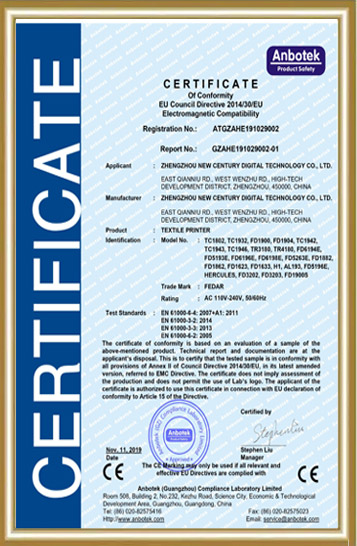
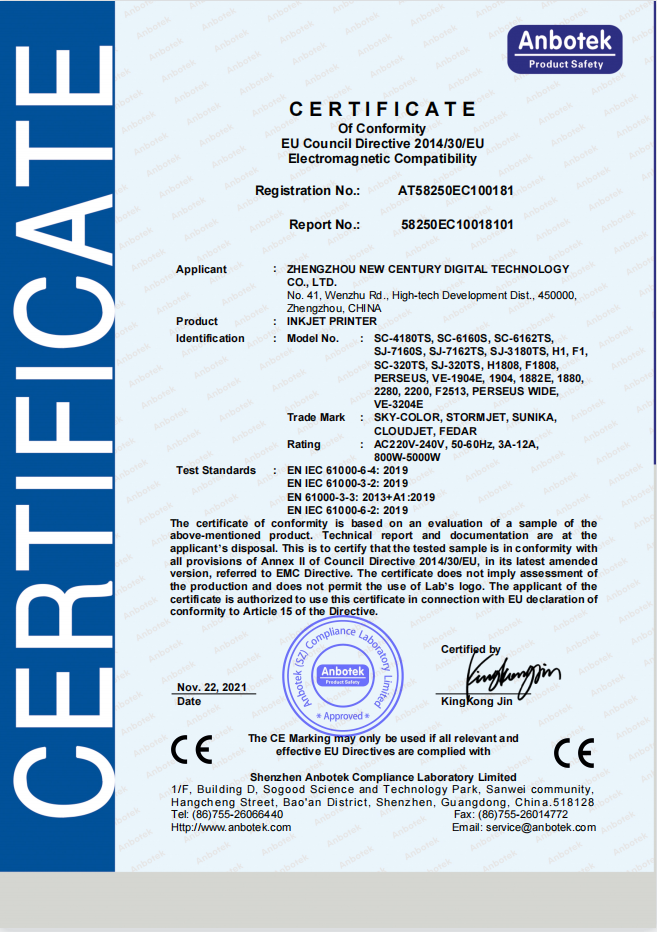
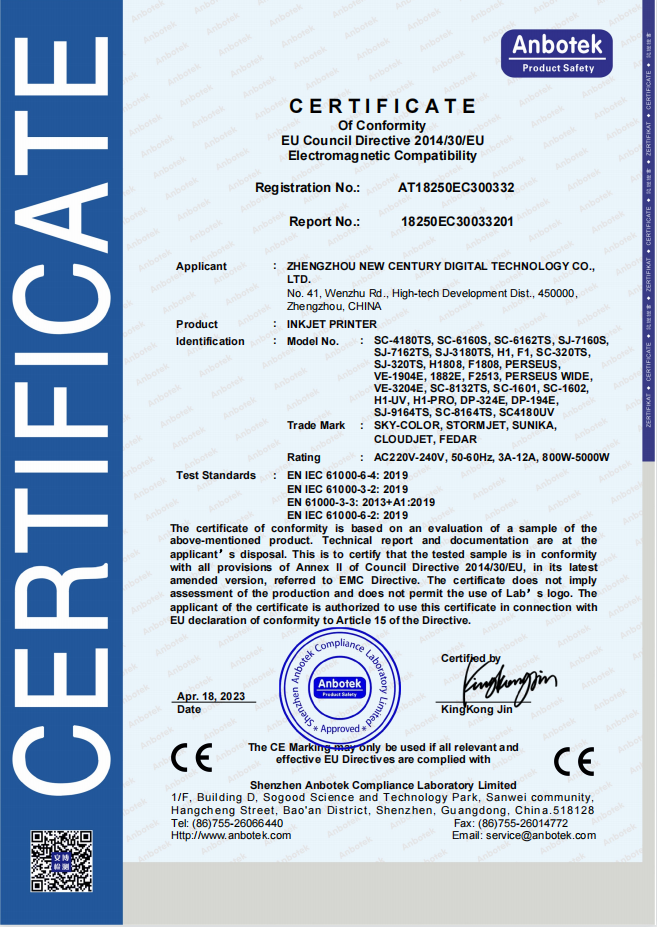
A 400-person factory specializing in original R&D and production with strict quality control gives buyers a documented answer when evaluating manufacturing consistency behind a sublimation printer manufacturer. Factories deeply rooted in the inkjet printer market, rather than treating sublimation as a side product, tend to maintain steadier core component supply chains that matter for long uniform contract cycles.
Matching Sublimation Printer Solutions to Your Uniform Production Needs
How should a school sportswear supplier size their equipment?
About two-thirds of U.S. sports teams now choose sublimated jerseys specifically for longevity and moisture management [5], a trend that applies broadly across school and club sports programs internationally. A supplier serving multiple schools or leagues typically needs 4-head or 8-head sublimation printer capacity to hit tight pre-season delivery windows across dozens of team orders simultaneously, since most of the year's volume compresses into a few weeks before each season begins.
What configuration fits a corporate workwear program?
Corporate uniform programs often involve smaller, steadier order volumes rather than seasonal spikes, since staff turnover drives reorders gradually throughout the year. A 2-head or 4-head sublimation printer frequently matches this steadier demand pattern without the overhead of industrial-scale equipment sized for peak sports-season volume.
How does on-demand printing benefit smaller uniform businesses?
On-demand printing capability lets smaller shops fulfill individual reorders profitably, without needing minimum order quantities that larger equipment sometimes assumes. This matters directly for uniform businesses handling single replacement jerseys or individual staff onboarding orders throughout the year, rather than only bulk seasonal runs.
Maintenance, Troubleshooting, and Optimizing Printer Performance
What maintenance routine protects consistent uniform color matching?
Regular printhead cleaning and color calibration checks prevent the gradual drift that causes reorders to look subtly different from an original uniform batch. Since uniform buyers often compare new orders directly against existing garments, even small calibration drift on a sublimation printer becomes visible in a way it might not on a one-off promotional item. Building a routine calibration check into weekly production schedules catches drift before it reaches a client's order.
How does local after-sales support affect uniform delivery deadlines?
No installation, repair, or spare parts support for cross-border business is a common pain point that stalls production right when a uniform shop is racing a season deadline. A sublimation printer manufacturer with responsive regional service and stocked spare parts protects against the kind of downtime that turns a missed uniform delivery into a lost contract.
What ongoing costs should uniform manufacturers budget for?
Beyond the printer itself, every sublimation printer setup requires a properly sized heat press for the transfer step, along with ongoing ink and transfer paper costs that fluctuate with pigment and supply chain conditions. Budgeting realistically for these consumables, not just the initial equipment price, keeps uniform program margins predictable across multi-year contracts.
Conclusion
Choosing a sublimation printer for uniform production comes down to matching color consistency, throughput, and substrate compatibility to your specific contract volume, whether that's seasonal sports uniforms or steady corporate workwear reorders. Wash-resistant durability backed by standards like AATCC 61/8 and ISO 6330 makes sublimation the right technology for this category, but equipment choice and manufacturer reliability determine whether that durability translates into dependable, on-time delivery across years of repeat business.
FAQ
Can sublimation printing handle cotton uniform fabrics?
Not effectively on its own. Sublimation bonds with polyester fibers at a molecular level, so cotton-heavy workwear typically needs poly-blend fabric or a different printing method entirely.
How many wash cycles can a sublimated uniform typically survive?
Properly sublimated prints on polyester routinely withstand hundreds of wash cycles without cracking or fading, since the dye becomes part of the fiber rather than a surface coating.
Do sublimated uniforms feel different from unprinted fabric?
No. The process doesn't add texture or weight, so printed uniforms retain the same breathability, stretch, and moisture-wicking properties as the unprinted base fabric.
What's the minimum order size for a sublimation printer uniform program?
Sublimation doesn't require a high minimum order quantity, making it practical for small businesses or individual team orders alongside larger bulk contracts.
How do I verify a supplier's color consistency before a bulk uniform order?
Request a sample run and compare it directly against your target color specification before approving a full production batch, then compare that sample to the first bulk lot once produced.
Ready to Equip Your Uniform Production Line?
Missed deadlines and inconsistent reorders cost uniform suppliers real contracts, not just single sales. Fedar manufactures its sublimation printer range, including the FD6198E, FD1900, and FD5194E, inside a 400-person factory focused on original R&D and strict quality control. Whether you're sourcing a sublimation printer for sale as an agent or equipping your own uniform production facility, contact info@tex-printer.com for sample kits and current distribution terms.
References
1. Grand View Research, "Dye Sublimation Printing Market Size | Industry Report, 2033" (2025). https://www.grandviewresearch.com/industry-analysis/dye-sublimation-printing-market-report
2. Ninghow Apparel, "12 Key Facts About Sublimation Printing in Apparel" (2026). https://www.ninghowapparel.com/blog/what-is-sublimation-printing-apparel/
3. Suerte Textiles, "Buy Printed Polyester Fabric for Sportswear and Uniform Production" (2026). https://www.textilesfabric.com/buy-printed-polyester-fabric-for-sportswear-and-uniform-production/
4. Sphere Sports, "Sublimation Printing: Complete Guide for Custom Uniform Brands" (2026). https://sphere-sports.com/sublimation-printing-guide/
5. Scrappy Apparel, "Sublimation Printing for Apparel: Your 2025 Guide" (2025). https://scrappyapparel.com/blog/sublimation-printing-for-apparel-your-2025-guide/
6. Ninghow, "10 Pro Tips Every Sublimation Jerseys Manufacturer Must Know" (2025). https://ninghow.com/blog/sublimation-printing-for-team-jerseys-a-manufacturers-guide/

Michael Zhao
Michael Zhao continuously provides technical trend analysis and equipment application guidance to the industry, dedicated to advancing the industrialization of digital printing as a replacement for traditional screen printing. Achievement: Has published multiple technical analysis articles and provided professional support in equipment selection, process optimization, and fault diagnosis to dozens of printing factories, contributing to the upgrade of the digital printing industry.
We Look Forward to Your Email
Please send us product information that interests you, and we will provide you with one-on-one service.



_1778203196111.png)
Recommended Blog
 Printing is a Great Addition for Your Business_1781507126513.webp)
Why Direct-to-Film(DTF) Printing is a Great Addition for Your Business
Sublimation Printing: Exploring the Technique, Machines, and Advantages
Understanding 24 Inch DTF Printer Technology for Efficient Print Shop Growth