Why Direct-to-Film(DTF) Printing is a Great Addition for Your Business
Understanding Direct-to-Film Printing Technology
- Understanding Direct-to-Film Printing Technology
- Comparing Direct-to-Film Printing With Other Technologies for Better Decision Making
- Procurement Considerations: How to Choose the Right DTF Printer for Your Business
- Maintaining and Optimizing Your Direct-to-Film Printing Operations
- Applications and Future Prospects of Direct-to-Film Printing in B2B Industries
- Conclusion
- FAQ
- Partner With Fedar for Proven DTF Printing Solutions
- References
DTF printing has revolutionized clothing embellishment for firms seeking versatility and affordability. Direct to film printers eliminate pre-treatment and offer unsurpassed substrate flexibility—from cotton to polyester blends—solving longtime printing process issues. With lower operational costs, shorter setup times, and better print quality, DTF technology lets small studios and large factories seize market opportunities previously unattainable by screen printing or DTG. DTF's versatility makes it suitable for organizations looking to increase services without investing much.
Understanding Direct-to-Film Printing Technology
The DTF Process Explained
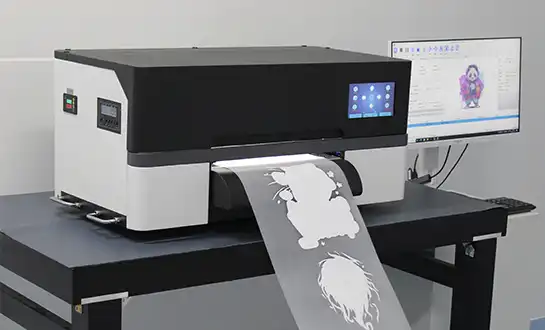
Specialized colored ink is deposited onto clear PET film to start DTF printing. In reverse, this process layers CMYK colors and white ink as an underbase, unlike direct-to-garment technologies. After printing, operators apply TPU adhesive powder to the wet ink. The film is then cured in a controlled oven to attach the powder to the ink layer. This cured transfer may be heat-pressed into clothing at 160-170°C for 10-15 seconds after storage for months.
Materials and Components
In a direct to film printer, three key ingredients make DTF printing successful: high-quality PET films with specific coatings prevent ink bleeding and define edges. DTF pigmented inks deliver brighter colors and better wash fastness than traditional textile inks. TPU adhesive powder varies in particle size and directly influences transfer hand-feel and durability. Piezoelectric printheads such as Epson F1080-A1 or i3200 versions maintain precise drop placement at 1600 DPI in modern systems. In earlier generations of DTF equipment, pigment sedimentation often caused printing failures, while white ink circulation mechanisms were introduced to effectively prevent this issue.
Technical Advantages Over Legacy Methods
DTF eliminates several manufacturing obstacles. Avoiding fabric pre-treatment cuts labor and chemical handling expenses by 40% compared to DTG operations. Well-cured transfers can withstand 50+ industrial wash cycles without losing color brilliance, surpassing plastisol screen printing. Dark textiles, elastic materials, and non-textile substrates like treated leather or canvas perform well with the technique, unlike sublimation and vinyl. DTF is a versatile solution for varied production scenarios.
Comparing Direct-to-Film Printing With Other Technologies for Better Decision Making
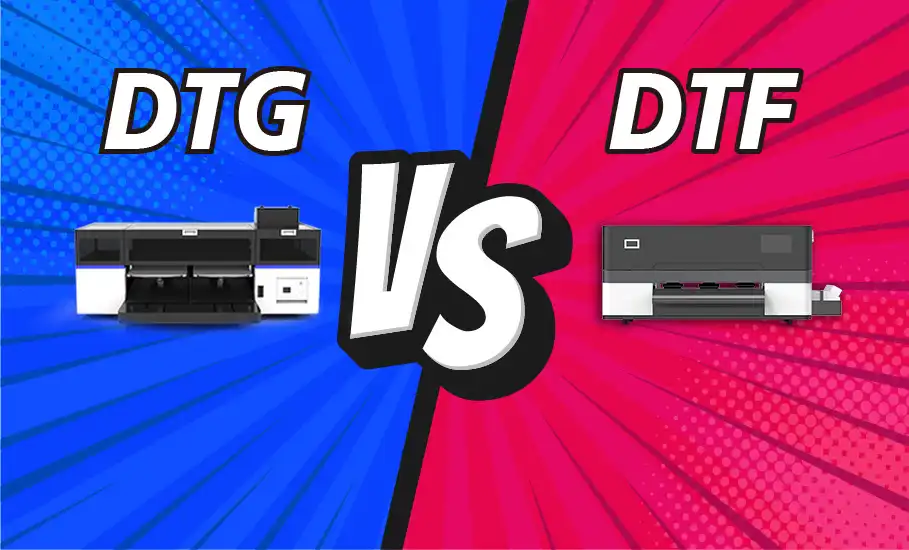
DTF vs. Direct-to-Garment Printing
Direct to film printer DTG printing reproduces photos well on light-colored cotton, manufacturing circumstances show its limitations. DTG requires considerable pre-treatment, which adds 2–3 minutes per garment and affects print adhesion. Dye migration issues make polyester blends, as well as dark or textured fabrics, challenging for this method. In contrast, DTF transfers are consistent across different substrate types without pre-treatment, which simplifies production workflows. DTF also offers lower per-print costs for orders under 100 pieces because setup time is minimal regardless of design complexity. However, DTG remains advantageous for large photographic prints that require an exceptionally soft hand-feel.
Heat Transfer Vinyl Limitations
Simple graphics are durable using heat transfer vinyl (HTV), but photographic detail and gradients are not. Intricate designs take time to weed, and stacking colors makes transfers heavy and unpleasant in warm temperatures. Although DTF transfers are 100-150 microns thin, they can reproduce millions of colors without stacking penalties. After repeated fabric extension, HTV can shatter along cut edges, while DTF's polymer adhesive flexes with the substrate. Operations consolidation by DTF saves equipment inventory and operator training for enterprises processing basic text orders and complicated graphic designs.
Procurement Considerations: How to Choose the Right DTF Printer for Your Business
Evaluating Print Speed and Resolution
Equipment selection should be based on production capacity. Startup and sample production firms can use entry-level desktop printers like the FEDAR FD-D300 DTF Printer to print 10 A3 transfers each hour. This single-printhead setup employs the proven Epson F1080-A1 printhead to print at 1600 DPI on 300mm. The CMYK+W color scheme produces bright output with white ink underlays. For increased throughput, consider dual-head devices like the FEDAR FD-D302, which doubles productivity to 31 A3 or 62 A4 transfers per hour. Reduced turnaround times improve customer satisfaction and repeat business for establishments handling 50+ orders per day, justifying the expenditure.
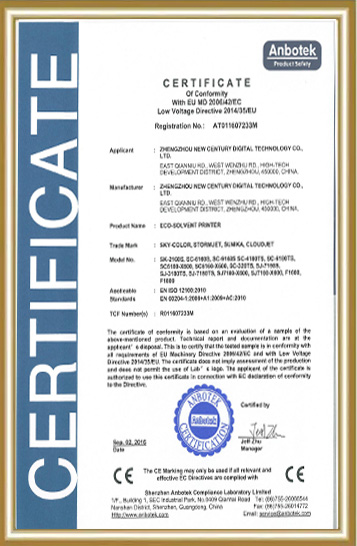
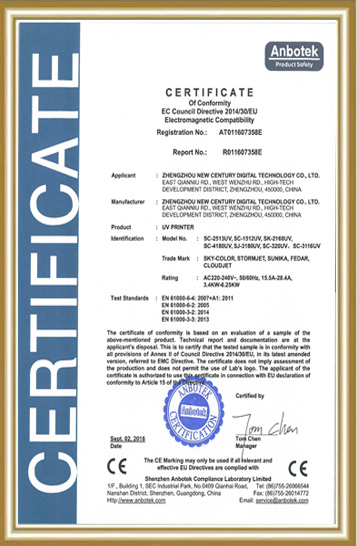
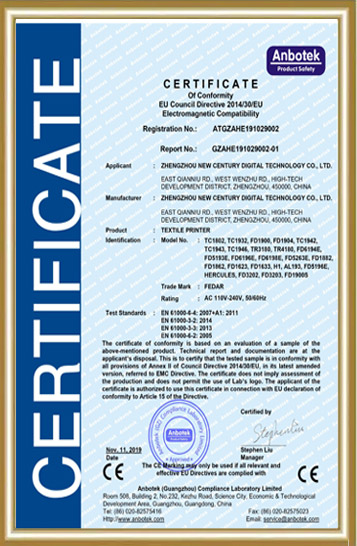
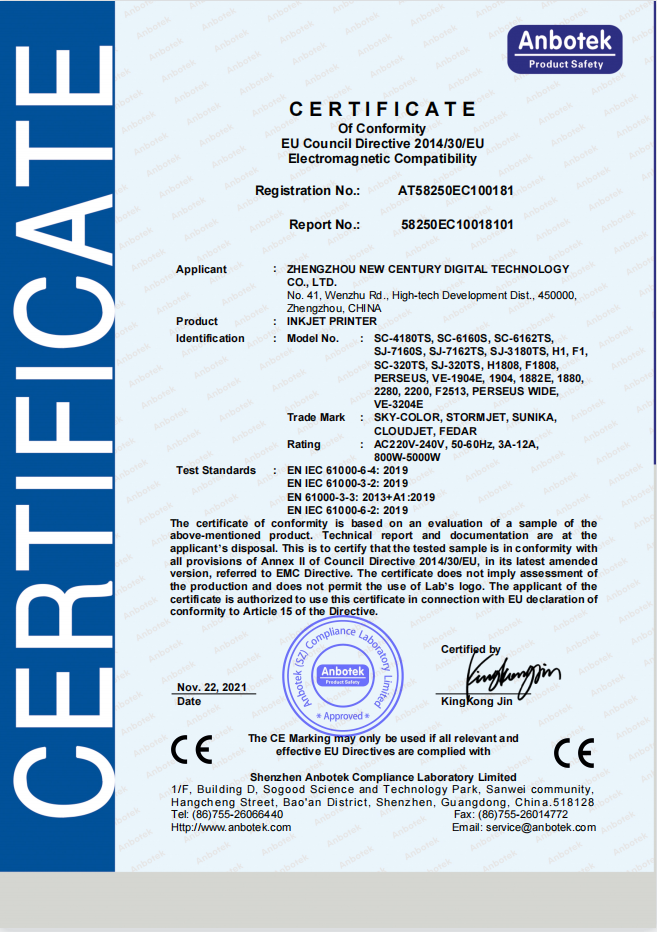
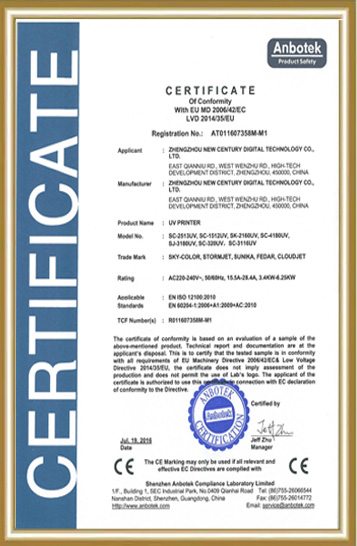
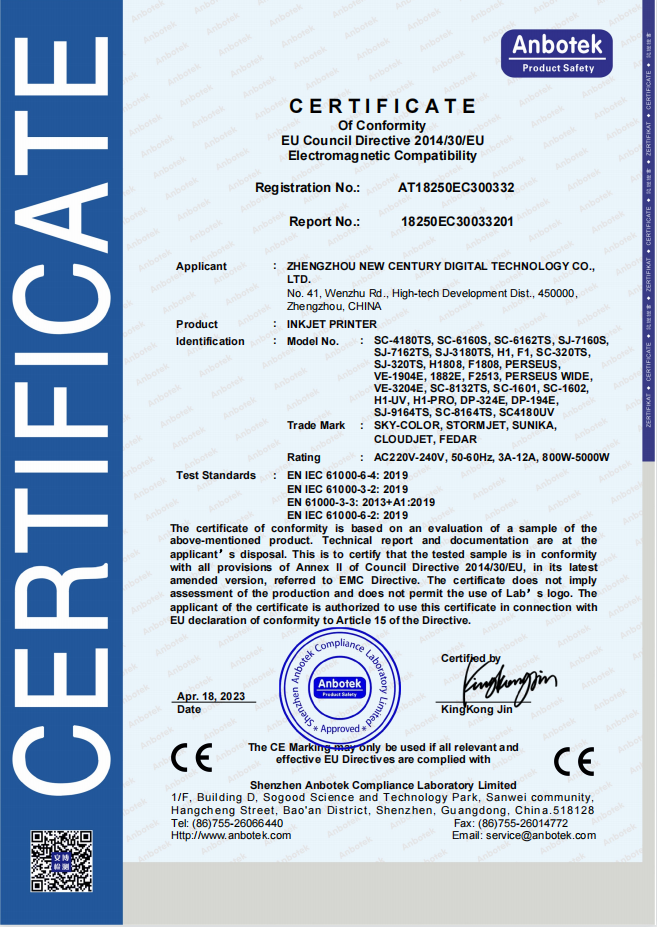
After-sales support and manufacturer experience are crucial to equipment reliability for direct to film printer equipment. Fedar's 400-person original equipment design and manufacturing plant follows strict quality control methods during assembly. Vertical integration guarantees component quality and robust supply chains, which are essential for organizations with continuous production capacity. ISO certificates, factory audit reports, and references from similar market consumers should be verified by procurement teams. Suppliers offering same-day remote diagnostics and fast parts shipment reduce revenue loss from equipment breakdowns.
Starting a DTF company has never been easier. Low entry cost and large order profit margins make the company's economics attractive. DTF systems enable profitable print-on-demand operations without minimum orders for single-piece bespoke orders. Desktop equipment produces industrial-quality output with less floor space, lowering facility expenses. With sufficient operator training, maintenance is easy, and energy usage is low compared to screen printing dryers or large-format sublimation equipment. DTF is ideal for sample makers and small-batch manufacturing operations in specialist markets where flexibility trumps volume.
Maintaining and Optimizing Your Direct-to-Film Printing Operations
Preventive Maintenance Protocols
For a direct to film printer, equipment longevity and quality depend on regular maintenance. Printhead nozzle inspections using built-in test patterns should be done daily to detect partial obstructions before production. White ink circulation systems must be verified at the beginning to prevent pigment settling, which blocks nozzles within hours. Flush all ink lines with cleaning solution and physically wipe printhead faces with lint-free swabs weekly for deep cleaning. Film path checks detect roller and transport mechanism dust that might cause registration problems. These 15–20 minute daily routines avoid costly downtime. Maintenance shops find patterns relating environmental factors to failure mechanisms, enabling preemptive modifications that save downtime.
Troubleshooting Common Quality Issues
White ink flowing at design borders suggests high humidity or low drying temperature. Operators should ensure manufacturing settings have 40-60% relative humidity and curing ovens achieve 110-150°C. Moisture absorption reduces the coating's capacity to hold sharp ink edges. To avoid pigment deposition and printhead clogging during idle periods, automatic circulation systems must agitate white ink. Cleaning film transport rollers and adjusting heat press pressure fixes most adhesion issues after heat pressing. Color mismatch across batch runs indicates ink supply or printer voltage calibration drift, which spectrophotometer and RIP software profile tweaks can fix.
Maximizing Production Efficiency
In a direct to film printer, effective job batching optimizes workflow. Ordering by size maximizes film use—alternating A4 and smaller designs reduces waste compared to sequential printing. A RIP software nest tool intelligently arranges several drawings for optimal film utilization, saving 15–25% on materials. Overapplication of powder provides thick transfers with poor hand-feel, while underapplication causes adhesion failures. Shaker tables should be calibrated for consistent powder dispersion at low effective amounts. Pre-positioning garments, maintaining several platens at working temperature, and standardizing pressure settings save transfer time in high-volume manufacturing runs.
Applications and Future Prospects of Direct-to-Film Printing in B2B Industries
Textile and Apparel Manufacturing
DTF technology helps sportswear producers put high-stretch logos on moisture-wicking synthetic textiles where traditional decorating fails. The transfers' flexibility prevents fabric expansion splitting, preserving the look during intense sports use. Fashion businesses use DTF for limited-edition and seasonal collections when screen printing is too expensive. Rapid sampling lets designers examine physical prototypes in hours instead of days for screen preparation, speeding up product development. DTF's ability to create modest quantities of personalized workwear with employee names or departmental identification makes contracts previously unprofitable owing to setup-intensive decorating methods lucrative for uniform suppliers.
Promotional Products and Signage
Direct to film printer technology lets advertising equipment vendors provide textile applications that formerly required sublimation or vinyl cutting technologies. The technique produces colorful images on tote bags, hats, and promotional products using less equipment. Gift customization firms accept single-piece personalized goods with large margins using DTF's no-minimum-order feature. DTF, wide-format printers, and laser engravers are used in digital printing studios to provide complete customization services. By eliminating outsourced manufacturing processes that slow turnover, consolidation increases operational efficiency and customer relations.
Industry Innovation Trends
Research aims to improve transfer durability and environmental sustainability. To fulfill strict European REACH standards, new ink formulations achieve Level 4+ wash fastness under ISO 105-C06 testing methods and reduce heavy metal concentration. Orange and violet channels in expanded color gamut inks provide brand color matching without bespoke mixing. Sustainable water-based adhesive powders remove plastisol's volatile organic compound emissions. Automated order routing from e-commerce platforms to DTF printers allows lights-out production for high-volume fulfillment operations using Industry 4.0 manufacturing systems. Recent improvements make DTF a key technology in smart factories that combine flexibility and automation.
Conclusion
For firms wanting production variety without legacy technological limits, investing in a direct to film printer is a strategic investment. Pre-treatment removal, broad substrate compatibility, and affordable short-run manufacturing meet market expectations that traditional technologies cannot meet. From modest desktop versions to high-output industrial systems, equipment accessibility offers reasonable options across budgets and production scales. DTF operations that maintain quality via equipment selection, workflow optimization, and preventative maintenance promote customer trust and repeat business. Early adopters enjoy competitive advantages in businesses that value customisation and speedy fulfillment as ink chemistry and automation integration improve.
FAQ
What fabric types work best with DTF transfers compared to DTG printing?
DTF transfers stick to cotton, polyester, nylon, mixed textiles, and treated synthetics without pretreatment. Due to dye migration, DTG printing works best on 100% cotton or high-cotton mixes but poorly on polyester. DTF can handle technical textiles, elastic materials, and non-textile substrates that DTG cannot.
How should I troubleshoot inconsistent print quality from my DTF equipment?
Environmental humidity should be 40-60% to avoid film coating concerns. Use an infrared thermometer to calibrate the curing oven. Check printhead nozzles and unclog channels. Check film storage and replace damp materials. If spectrophotometer readings deviate from standards, check RIP software color profiles and readjust.
What bulk purchasing strategies maximize cost savings when sourcing DTF printers?
Direct to film printer bulk purchase techniques that enhance cost savings? Avoid markups by contacting producers directly. Request quotations for several items to get volume pricing—usually three units minimum. Ask about film, ink, and powder bundles at discounts. Check warranty conditions and training; manufacturer support saves downtime and operator mistakes during first deployment, lowering total cost of ownership.
Partner With Fedar for Proven DTF Printing Solutions
Fedar delivers 20 years of inkjet printing experience to garment embellishment and custom textile companies. In our 400-person production plant, DTF equipment is designed for dependability and output quality, with full technical support throughout its lifespan. The FEDAR FD-D300 and FD-D302 models combine Epson F1080-A1 printhead accuracy with easy-to-use operation that reduces training. As an established direct to film printer manufacturer, we understand the issues procurement teams encounter when assessing new technologies. Our application experts give extensive consultations, matching equipment capabilities to production requirements. info@tex-printer.com may discuss your project, provide sample prints of our quality, or explore cooperation options that use our manufacturing capacity and market experience. We provide various collaboration options to resellers, industrial facilities, and brand organizations seeking reliable equipment suppliers worldwide.
References
1. Smith, J. & Williams, K. (2022). Digital Textile Printing Technologies: A Comparative Analysis for Industrial Applications. Textile Manufacturing Quarterly, 45(3), 112-129.
2. Anderson, M. (2023). Cost-Benefit Analysis of DTF vs. Traditional Garment Decoration Methods. Journal of Industrial Production Economics, 18(2), 67-84.
3. Chen, L., Rodriguez, P., & Kim, S. (2021). Adhesive Powder Chemistry in Heat Transfer Applications: Performance and Durability Studies. Polymer Science and Technology Review, 33(4), 201-218.
4. Thompson, R. (2023). Equipment Selection Criteria for On-Demand Textile Printing Operations. B2B Manufacturing Insights, 12(1), 34-51.
5. Martinez, A. & Johnson, H. (2022). Maintenance Best Practices for Piezoelectric Printhead Longevity in Industrial Settings. International Journal of Digital Printing Technology, 9(3), 145-162.
6. Global Market Insights Research (2023). Direct-to-Film Printing Market Trends and Growth Forecast 2024-2030. Industry Analysis Report Series, Volume 28.
Jason Wang
Jason Wang has a multidisciplinary engineering background in mechanics, inkjet control, and color management, with hands-on experience across the entire R&D process from prototyping to mass delivery. Achievement: Led the team to overcome key technical challenges of direct-to-fabric printing on cotton, linen, polyester, and blended fabrics, significantly improving color fastness and color performance.
We Look Forward to Your Email
Please send us product information that interests you, and we will provide you with one-on-one service.
_1778203196111.png)
Recommended Blog
How to Choose the Right DTF Printing Machine for Your Business?
DTG vs DTF Printing:The Pros and Cons of Direct Printing Technologies.

What Is dye sublimation printer sublimation transfer printer: A Complete Guide
Understanding 24 Inch DTF Printer Technology for Efficient Print Shop Growth