Understanding DTF Printing Machinery Key Components
Overview of DTF Printing Technology and Core Components
- Overview of DTF Printing Technology and Core Components
- Comparison of DTF Printing Machines: Choosing the Right Equipment for Your Business
- Operating Principles and Maintenance Tips for DTF Printing Machines
- Cost, Purchase, and Procurement Guidance for DTF Printing Machines
- Maximizing ROI: Leveraging DTF Printing Technology for Your Business
- Conclusion
- FAQ
- Partner with Fedar for Your DTF Printing Machine Needs
- References
Anyone interested in textile decorating or digital printing must understand the complex DTF printing machine architecture. Direct-to-Film technique prints graphics on PET film using water-based pigment inks and heats them to fuse with thermoplastic polyurethane powder. This method avoids the pre-treatment complexities of direct-to-garment systems and the hefty setup fees and minimum order volumes that deter screen printers from bespoke, low-volume applications.
Overview of DTF Printing Technology and Core Components
What Makes DTF Technology Revolutionary
A major change in garment embellishment is DTF printing. DTF transfers may be used on cotton, polyester, mixes, canvas, and leather, unlike sublimation, which requires fabric-specific pre-treatment chemistry. This adaptability opens fashion, home décor, promotional, and specialized accessory income streams.
Film Feeding System and Tension Control
Print quality starts with how your equipment treats PET film. Professional machines use motorized unwinding systems with electrical tension sensors to keep film flat during printing. Inconsistencies in film tension cause banding, color changes, and adhesive powder dispersion downstream. Choose systems with adjustable tension controls and automatic correction for film weights and humidity.
Inkjet Printhead Technology
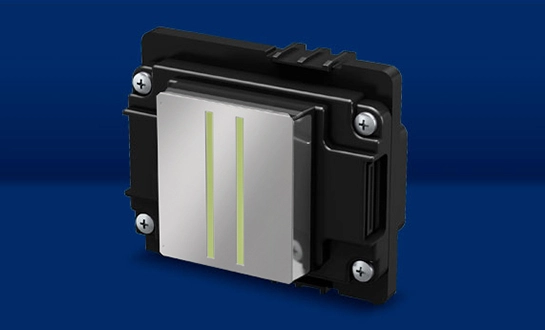
DTF printing machines' resolution, speed, and long-term costs depend on the printhead. Industry uses piezoelectric printheads that eject precisely regulated ink droplets without heat degradation. The Epson F1080-A1 printhead in our FD-D300 and FD-D302 models captures fine gradients and precise text detail at 1600 DPI with customizable droplet sizes. Our dual-head FD-D302 creates 62 A4-sized prints per hour compared to 20 from the single-head FD-D300, meeting diverse production scale needs.
White Ink Circulation Architecture
White ink management distinguishes hobbyist and professional equipment. Titanium dioxide pigments that provide opacity settle quickly, clogging printheads and causing uneven coverage on dark clothes. Reliable DTF systems maintain pigment suspension during operation and standby using continuous circulation pumps, inline filtration, and automated agitation cycles. Maintenance and color consistency across manufacturing runs depend on this technical detail.
Powder Adhesive Application System
A unique shaker device spreads hot-melt adhesive powder over wet ink after printing. While surplus powder falls through mesh screens for recirculation, it bonds with the ink layer. Precision powder application affects transfer hand feel, wash durability, and peel strength. Quality machines include adjustable powder pouring rates and vibration frequency settings to enhance adhesive application for cloth weights and stretch.
Curing and Drying Mechanisms
Heat tunnels or infrared panels melt adhesive powder to provide the thermoplastic bond layer needed for garment attachment in the final component stage. Multi-zone heating systems ensure powder fusion without film scorching or ink migration by controlling curing path temperatures. Proper curing gives professional DTF outputs wash fastness—usually Level 4-5 on ISO standards—that sets them apart.
Comparison of DTF Printing Machines: Choosing the Right Equipment for Your Business
Desktop vs. Industrial Equipment Classes
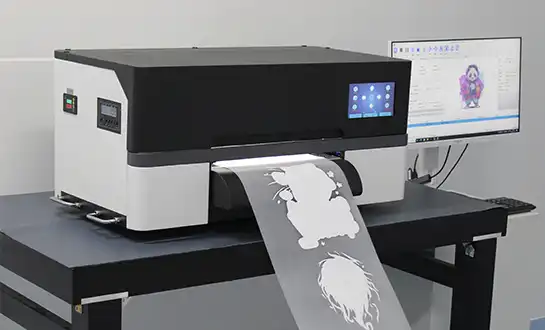
Start by honestly assessing your production volume and physical restrictions to choose equipment. Startups, sample production businesses, and small studios value space efficiency and initial investment above throughput; desktop versions like our FD-D300 are ideal. These little devices produce industrial-quality 1600 DPI output in less than three square feet. Single Epson F1080-A1 printhead arrangement generates 10 A3 or 20 A4 transfers per hour, enough for on-demand fulfillment of 50-100 orders.
DTF printing machine dual-head setups like our FD-D302 increase production speed without increasing equipment footprint as your firm grows or targets wholesale markets that require faster turnaround. The 62 A4 prints per hour capability facilitates higher-volume contracts in urban workshops or multi-function production environments while saving space.
Printhead Brand Considerations
Beyond the initial purchase price, the printhead manufacturer greatly affects your overall cost of ownership. Industrial dependability makes Epson printheads the leader in professional DTF. The F1080-A1 series uses Variable-Sized Droplet Technology to dynamically modify droplet volume for smooth gradients and crisp details in one pass. Banding artifacts are eliminated, and manufacturing rates are increased.
Printhead technologies with lower prices are available, but procurement managers must weigh the pros and cons. Budget printheads have lower lifespans (3-6 months vs. 1-2 years for industrial units) and less ink chemistry compatibility. Hidden expenses, including downtime, replacements, and uneven output quality, undermine customer relationships and nullify initial savings.
Evaluating Supplier Capabilities
Beyond mechanical criteria, equipment dependability includes supplier infrastructure. Prioritize DTF printing machine vendors with strong after-sales support. Our 400-person original R&D and manufacturing plant has specialized technical support teams, extensive spare parts stocks, and global logistical networks. When production difficulties develop, this infrastructure eliminates missed deadlines that damage customer confidence and repeat business by responding in hours rather than days.
Warranties show manufacturer confidence in equipment quality. Basic mechanical component and printhead coverage should be one year, with extended service agreements enabling budget certainty for purchase planning.
Operating Principles and Maintenance Tips for DTF Printing Machines
Step-by-Step Printing Workflow
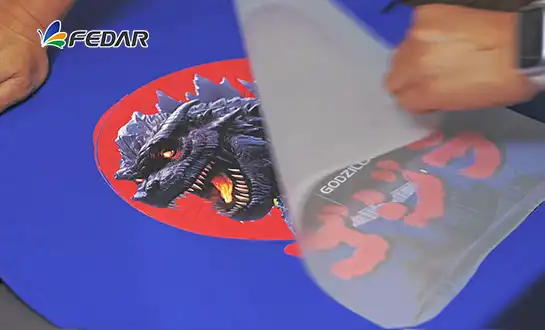
Design preparation in RIP software configures color profiles, resolution settings, and print layout for DTF production. This workflow has numerous automated steps. The printhead controller discharges precisely timed ink droplets over the moving PET film substrate using your design data. CMYK color layers create the picture, while white ink opacifies dark fabrics. The wet printed film enters the powder application zone, where thermoplastic adhesive particles cover the ink. Reusable powder in recovery trays reduces consumable waste. Coated film enters the curing tunnel, where controlled heat melts powder to create transfer-ready film. Cut patterns and put them on textiles using a heat press after cooling.
Daily Maintenance Protocols
Regular maintenance safeguards your investment and ensures production. Start each manufacturing day with printhead nozzle checks—automated patterns that show obstructed jets. Most quality machines automatically clean blockages with ultrasonic agitation or solvent flushing. To prevent ink accumulation that might harm sensitive nozzle plates, the capping station—the sealed compartment where printheads rest when idle—must be cleaned regularly.
DTF printing machine White ink systems need extra care owing to titanium dioxide sedimentation. When machines are idle for more than 48 hours, manually agitate. This simple method prevents pigment separation that circulatory systems cannot fix.
Common Troubleshooting Solutions
Production challenges are usually categorised with simple solutions. Banding or streaking frequently indicates blocked printhead nozzles that need cleaning or film tension issues. Poor adhesion after heat pressing indicates low curing temperatures or insufficient heating tunnel duration. Inconsistent white ink opacity from circulation issues or outdated ink causes batch color fluctuations. Detailed production records help discover patterns, enabling proactive component replacement before failures impair operations.
Cost, Purchase, and Procurement Guidance for DTF Printing Machines
Total Cost of Ownership Analysis
Smart procurement considers operating costs beyond sticker prices. Desktop DTF equipment like our FD-D300 has lower entry costs than industrial direct-to-garment systems that need expensive pre-treatment equipment and specialized operators. Small production quantities can be economical due to large profit margins per transfer and cheap consumable costs compared to screen printing's economy-of-scale requirements.
PET film, CMYK and white inks, adhesive powder, and printhead replacements are consumables. Inks that fulfill textile safety requirements (OEKO-TEX, GOTS compatibility) cost more but have better wash fastness and color gamut, justifying premium pricing in your completed items. Price accurately with healthy margins and competitiveness by calculating your cost-per-transfer, including consumables, labor time, and equipment depreciation.
Sourcing and Distribution Channels
For overseas purchasers, buying straight from manufacturers is better than through wholesalers. Direct interactions reduce intermediary markups and improve specification, customization, and technical support communication. Our facility collaborates with North American resellers, equipment merchants, and printing companies, offering various collaboration models for varied company structures. For distributors wanting territorial protection and marketing support or end-users needing speedy spare parts availability, direct manufacturer involvement provides bespoke solutions not available through generic distribution channels.
Cross-border purchase requires consideration of payment terms, shipping logistics, and customs documentation. Established manufacturers have experienced export departments that facilitate overseas purchasing with documentation, freight forwarding, and compliance. Leasing or financing from equipment vendors helps protect operating cash for inventory and marketing during business launch.
Accessories and Integration Components
Beyond the printing machine, DTF process optimization frequently requires additional equipment. For a uniform transfer application, choose a heat press that matches your production volume—swing-away or clamshell for smaller operations, automated pneumatic for higher throughput. Film cutting equipment includes manual trimming tools for modest quantities and automated contour cutters with optical registration for sophisticated multi-piece designs. Production humidity control maintains film flatness and eliminates static electricity concerns that create powder adhesion issues.
Maximizing ROI: Leveraging DTF Printing Technology for Your Business
Production Efficiency Strategies
Maximizing equipment investment needs process optimization for the DTF printing machine. No minimum order quantities, setup expenses, and fast turnaround times allow print-on-demand businesses to successfully handle bespoke requests at single-unit volumes. This flexibility allows specialist markets and bespoke items to fetch premium pricing that commodity screen printing cannot afford.
FD-D300 desktop equipment produces industrial-quality output with great space economy. The small footprint enables you to set up production in retail shops, home studios, or shared workshop spaces where leasing prices prevent bigger equipment installations. Energy efficiency and low maintenance minimize operating expense, enhancing profitability even during business expansion with unpredictable order quantities.
Integration with Existing Operations
DTF printing enhances existing decorating technologies in many manufacturing situations. Screen printing is cost-effective for big uniform runs, but DTF does unique, multi-color, small-batch work that would lose money on typical equipment. This hybrid method fills capacity shortages and expands your serviceable client base by maximizing equipment use across your production schedule.
DTF's economic flexibility benefits sample makers and small batch producers. Client approval samples, limited edition releases, and test designs need less preparation than screen printing film and color mixing. This decreases new product development financial risk and accelerates sales.
Future-Proofing Your Investment
Innovations in ink chemistry, film substrates, and automation continue to shape DTF technology. Sustainable water-based inks that fulfill strict environmental laws are becoming the industry norm, removing compliance worries while preserving performance. Equipment makers are adding smart diagnostics, remote monitoring, and predictive maintenance to save downtime by replacing components before failure.
Choose equipment based on the manufacturer's R&D capability and product development commitment. Large engineering and market companies can more reliably deliver replacement parts, software upgrades, and technical support for your equipment.
Conclusion
Understanding DTF printing machinery components helps you choose equipment that meets production and commercial goals. The technique is versatile across substrates, economical for bespoke and small-batch production, and accessible to novice operators while scalable to accommodate growth. Your investment is protected by reliable performance and quick technical help from reputable manufacturers with strong support infrastructure. DTF printing meets today's various textile decorating market's flexibility and quality needs, whether starting a new business or growing.
FAQ
How does white ink circulation affect print quality?
Printhead jams and variable opacity on dark clothes result from titanium dioxide pigments in white ink settling quickly. Quality DTF printing machines use continuous circulation pumps and automated agitation to suspend pigment during printing and standby. This engineering prevents nozzle blockages that cause gaps in white underbase layers, ensuring consistent coverage and vibrant color across production runs.
What maintenance schedule keeps DTF equipment running reliably?
Start each day with automated nozzle checks to identify clogged jets that need cleaning. The capping station, where printheads idle, is inspected and cleaned weekly. When machines idle for more than 48 hours, white ink systems need human agitation to prevent pigment separation that circulation cannot fix. Normal maintenance reduces unexpected downtime and extends printhead life.
Can DTF printing match screen printing's durability?
Good DTF transfers meet ISO wash fastness criteria of Level 4-5, meeting or exceeding screen printing. Modern water-based pigment inks resist fading in commercial washing cycles, while thermoplastic adhesive molecularly binds with cloth fibers during heat pressing. The right curing temperatures, adhesive powder coverage, and heat press application determine transfer lifetime, not technology.
Partner with Fedar for Your DTF Printing Machine Needs
Fedar's 400-person original equipment R&D and production department brings decades of inkjet printer knowledge to the worldwide textile decorating industry. Our FD-D300 and FD-D302 DTF printing machines serve entrepreneurs and established enterprises with industrial-quality output in space-saving desktop models. We stock extensive spare parts, give complete technical training, and offer various collaboration models to resellers, distributors, and end-users in varied areas. DTF printing machine suppliers provide more than just equipment—they build partnerships that help you succeed. Contact info@tex-printer.com to learn how Fedar's DTF solutions can boost output and profits.
References
1. Smith, J. & Anderson, M. (2022). Digital Textile Printing: Technologies and Applications in Modern Garment Decoration. Textile Industry Press.
2. Rodriguez, C. (2023). "Comparative Analysis of DTF and DTG Printing Technologies for Small-Scale Production." Journal of Digital Printing Innovation, 15(3), 78-94.
3. Chen, L. (2021). Inkjet Technology in Textile Applications: Printheads, Inks, and Process Control. Industrial Manufacturing Publications.
4. Thompson, R. & White, K. (2023). "Cost-Benefit Analysis of Direct-to-Film Printing in Commercial Production Environments." Textile World Business Quarterly, 28(2), 112-127.
5. European Textile Printing Association (2022). Technical Standards and Best Practices for DTF Transfer Production. ETPA Guidelines Document.
6. Harrison, D. (2023). The Complete Guide to Print-on-Demand Business Operations: Equipment Selection and Workflow Optimization. Entrepreneur Media Press.

Leo Li
Leo Li is a promoter of small-batch quick response and flexible manufacturing solutions, focusing on short-process printing solutions for e-commerce customization, fast-turn orders, and personalized production. Achievement: Helped customers achieve a "one-piece minimum, same-day shipping" production model, significantly reducing sampling and delivery lead times while lowering overall operating costs.
We Look Forward to Your Email
Please send us product information that interests you, and we will provide you with one-on-one service.
_1778203196111.png)
Recommended Blog
 Printer Considerations_1779869621127.webp)

 Printing is a Great Addition for Your Business_1781507126513.webp)
Why Direct-to-Film(DTF) Printing is a Great Addition for Your Business