Dye Sublimation Printer Sublimation Transfer Printer: Exploring the Technique, Machines, and Advantages
Dye Sublimation Printer Sublimation Transfer Printer: Exploring the Technique, Machines, and Advantages
Understanding Dye Sublimation and Sublimation Transfer Printing Techniques
- Understanding Dye Sublimation and Sublimation Transfer Printing Techniques
- Comparing Sublimation Printers: Choosing the Right Machine for Your Business
- Benefits and Business Advantages of Dye Sublimation Printing
- Procurement Guide: Where and How to Purchase Sublimation Printers and Accessories
- Future Trends and Innovations in Sublimation Printing Technology
- Conclusion
- FAQ
- Partner With a Trusted Sublimation Printer Manufacturer
- References
A dye sublimation printer sublimation transfer printer, is a special kind of digital image machine that uses heat to bond molecules of dispersed colors to polyester surfaces. Unlike other printing methods that put pigments on surfaces, this technology uses a change from a solid to a gas phase to insert full-color pictures permanently in synthetic fibers. The process solves important production problems, such as the need for short-run customization, patterns on fabrics that look like photos, and the need for waterless dyeing that meets environmental standards across the US market.
Source: FEDAR PRINTER
Understanding Dye Sublimation and Sublimation Transfer Printing Techniques
Learn how to use dye sublimation and sublimation transfer printing.
The Heat Transfer Process Explained
Using heat on specially made inks written on covered transfer paper is what makes the sublimation transfer process work. When the temperature hits around 380 to 410°F (193 to 210°C), sublimation inks go straight from solid crystals to gas, without going through the liquid phase first. This mist bonds at the molecular level with polyester strands or polymer-coated surfaces. The end result has great photo quality and can withstand being washed many times. This makes it essential for decorating sports wear, promotional fabrics, and rigid substrates where longevity is important.
Direct Sublimation vs. Transfer Printing Methods
Direct sublimation systems using a dye sublimation printer sublimation transfer printer employ special fabric treatment methods to print directly onto pre-treated textiles. In contrast, transfer printing first creates images on sublimation paper and then uses heat and pressure to transfer them onto the final material. This transfer method offers greater material flexibility because the same design can be applied to various products, including polyester garments, ceramic tiles, and metal panels. The two-step process also allows for quality inspection before final application, helping reduce waste in high-value production runs.
Ink Chemistry and Paper Compatibility
Sublimation inks are made up of dyes that are spread out in a liquid container and are designed to melt at certain temperatures. These inks only work with transfer papers that have special coatings that hold the color particles in place briefly. Paper weights usually run from 40gsm to 120gsm, and heavier stocks are better for pictures with a lot of ink on them to keep them from cockling. Because of concerns for the environment, eco-friendly sublimation inks have been created that keep colors bright while lowering volatile organic compound emissions. This meets the sustainability requirements that are becoming more and more important in textile manufacturing laws.
Comparing Sublimation Printers: Choosing the Right Machine for Your Business
Technical Specifications That Drive Performance
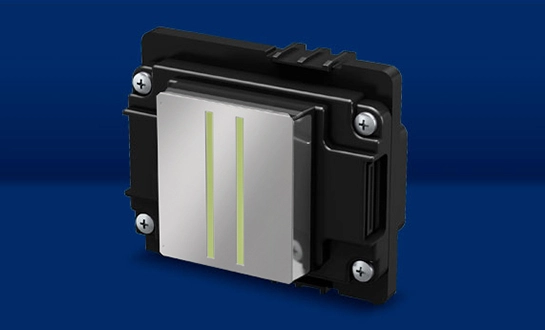
Industrial sublimation equipment is set apart by its printing technology, the amount of media it can handle, and its processing speeds. Because their droplet technology can range from 3.5 to 42 picoliters, Epson i3200-A1 printheads are the best for business systems. This is because they can print both smooth curves and sharp text at the same time. Print width affects how quickly and easily something is made; bigger sizes can print large signs and lots of textiles at once. At 3200 DPI, the resolution makes it possible to reproduce fine details, which are important for fashion linens and picture prints on hard goods.
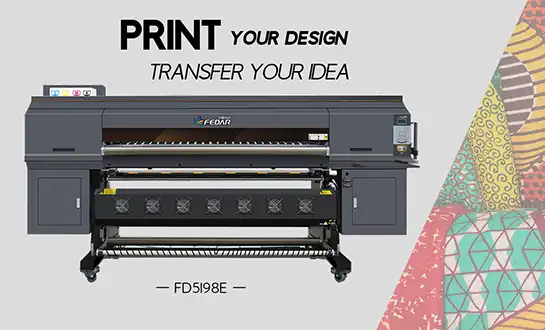
In a variety of combinations, Fedar's commercial lineup meets these performance standards. The FD3324E dye sublimation printer sublimation transfer printer has 24 Epson i3200-A1 printheads that cover a 3300mm print width. It can print at speeds of up to 1080 ㎡/h in single-pass CMYK mode with a resolution of 3200 DPI. This mix is good for textile processes that need to be fast and produce high-quality photos. The FD1912S model has 12 Epson S3200 printheads spread out over a width of 1900mm. It can produce 1100 ㎡/h, which is good for medium-sized production sites that need to balance the cost of investment with the amount of output they can produce.
Evaluating Equipment for Different Business Scales
Compact models with professional features are good for small workshops and new businesses that don't need a lot of floor space or special facilities. The FD61915E line has 15 printhead configurations that cover a width of 1900 mm. It keeps the 3200 DPI resolution and 610 ㎡/h speeds that are good for on-demand printing processes. These systems can handle a wide range of products, from personalized clothing to personalized home decor, without requiring large amounts of money.
Large-scale manufacturing processes need to be able to handle a lot of work at once and be reliable. The FD2624E model has 24 printheads and can print at 1000 ㎡/h across a 2600mm width. This means that it can handle ongoing production shifts with little downtime. This level is for contract makers who handle large orders for retail brands. When machines are down, it affects service promises and the number of clients who stay with the company.
Critical Selection Criteria for Procurement Teams
Beyond just the technical specs, evaluating a dye sublimation printer sublimation transfer printer also requires looking at its compatibility with different applications, ease of maintenance, and the level of support provided by the supplier. RIP software integration determines color management accuracy and workflow automation capabilities, both of which are essential when handling multiple job types simultaneously. Warranties and the availability of spare parts help protect capital investments, especially for businesses managing multiple client accounts, where equipment downtime can directly impact revenue. Technical training programs and responsive after-sales service are key factors that distinguish trusted providers from ordinary equipment sellers.
Benefits and Business Advantages of Dye Sublimation Printing
Superior Durability and Wash Resistance
Prints that don't fade or crack after being washed in industrial machines are made possible by molecular bonds between dissolved dyes and polyester fibers. Testing shows that the color stays true for more than 50 industrial wash cycles at temperatures up to 140°F, which meets the performance standards for sports outfits and hotel linens. This longevity gets rid of customer complaints about print degradation, which boosts the brand's image and cuts down on warranty claims that cut into profits.
Vivid Full-Color Output Commanding Premium Pricing
Because sublimation technology can use continuous tones, the dye sublimation printer sublimation transfer printer, can print digital pictures with gradient smoothness that can't be achieved with traditional screen printing or direct-to-garment methods. In CMYK configurations, the color range covers about 85% of the Pantone rainbow. Extended color configurations cover even more. Because of how nice it looks, a high price is appropriate, especially in markets where customers value good looks, like custom sportswear, personalized gifts, and home decor.
Cost Efficiency Through On-Demand Production
Screen burning or making plates takes money to set up, but sublimation printing doesn't. This means that single-unit production runs can be profitable. This adaptability helps business models that focus on mass customization, which lets customers make goods their own without having to buy a certain number of them. Inventory management is much better because designs are stored online until an order is placed. This means that no more throwing away old stock, which happens a lot in traditional cloth-making. Precision cutting that follows exact print lines reduces material waste and helps cut costs by an average of 15 to 20 percent compared to traditional coloring methods.
Environmental Compliance and Sustainability
More rules are being put on the textile industry to reduce the amount of water it uses and treat its wastewater. Waterless sublimation methods help with this. Traditional cloth dying creates a lot of garbage that needs to be treated, which costs a lot of money. With sublimation prints, you don't have to do any of these things, and drying big batches of fabric uses less energy. Manufacturers can meet international standards like OEKO-TEX and GOTS approvals, which are becoming more and more popular with consumers, by using eco-friendly inks that are made without heavy metals or banned substances.
Procurement Guide: Where and How to Purchase Sublimation Printers and Accessories
Evaluating Supplier Reliability and Support Infrastructure
The total cost of ownership is part of buying equipment, not just the initial purchase price. When investing in a dye sublimation printer sublimation transfer printer, warranty terms are an important indicator of the manufacturer's confidence in build quality. For example, coverage for printheads, electronics, and mechanical components demonstrates mature engineering and reliable performance. The infrastructure for after-sales support also determines how smoothly operations can continue when technical issues arise. Downtime costs can accumulate quickly during peak production periods, but suppliers that maintain dedicated support teams with international staff and cross-border technical assistance can help minimize these costs and ensure consistent productivity.
Direct Manufacturer Relationships and Value Propositions
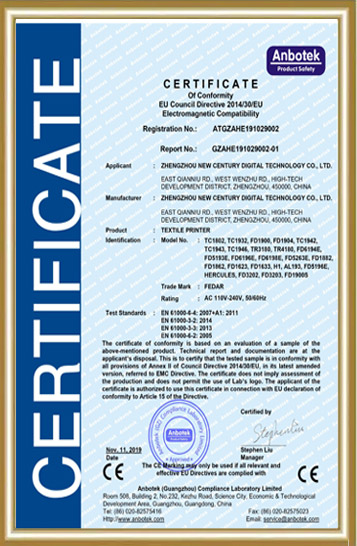
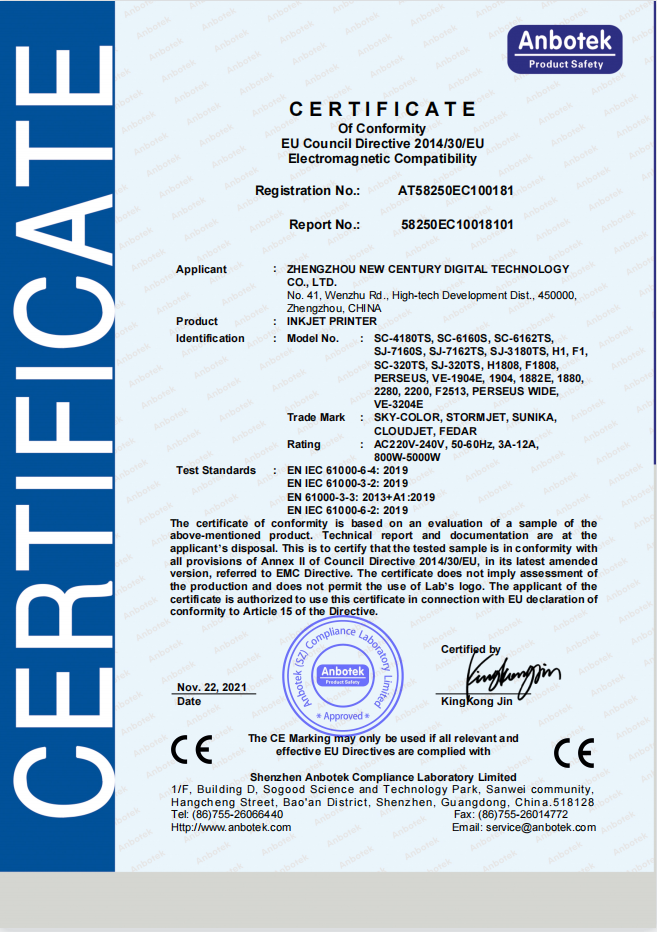
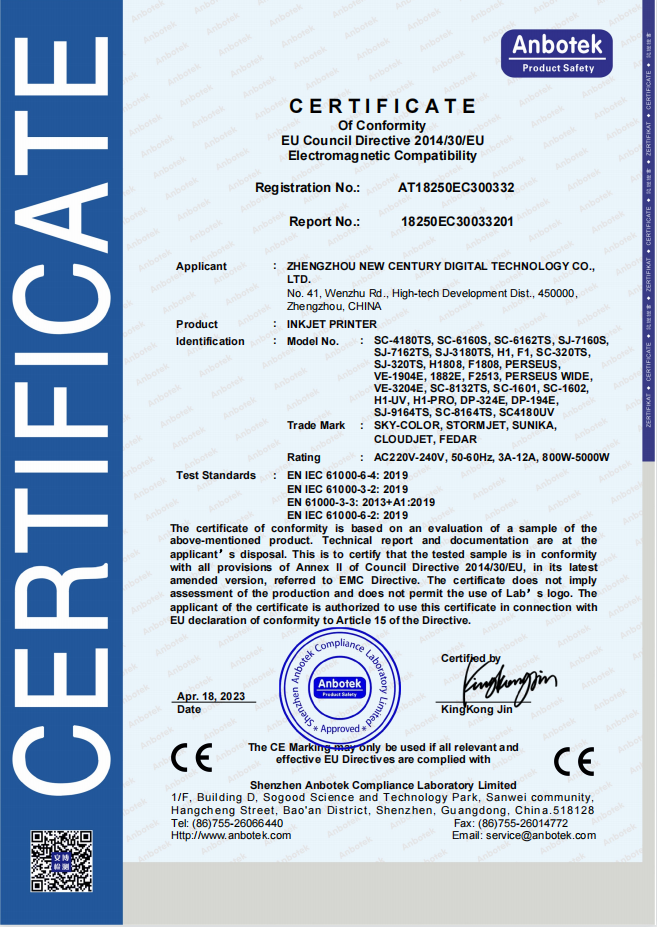
There are many benefits to buying directly from makers, such as lower prices, the ability to customize products, and faster access to professional support. Chinese companies make most of the world's sublimation tools by using modern supply chains for parts and economies of scale to make their products cheaper. Well-known factories with ISO certifications and strict quality control measures make sure that the equipment always works the way it should. Visiting production facilities is an important part of protecting capital investments because it lets you check out the manufacturing skills and quality assurance processes.
Fedar runs a factory with 400 workers that focuses on custom research, development, and production of dye sublimation printer sublimation transfer printer, and other industrial printing systems. Our quality control procedures include inspecting inbound parts and testing finished equipment to make sure it works reliably in a range of settings. Direct factory relationships get rid of the markups that distributors add on top of the price, and they also let you customize the product to meet your unique needs. Stable component buying makes sure that parts will be available for as long as the equipment lasts, which protects operating stability.
Bundled Solutions and Turnkey Implementation
Deployment times are cut down by complete equipment kits that include compatible inks, transfer papers, upkeep supplies, and calibration profiles. These turnkey solutions get rid of the worries about compatibility that slow down production starts. When you buy multiple items at once, you can save between 10 and 15 percent compared to buying each one separately. This is because factory-tested material choices ensure the best performance. Operators can get the most out of their equipment as soon as it's installed, thanks to training programs that cover operation, regular maintenance, and basic repair.
Future Trends and Innovations in Sublimation Printing Technology
Software Advancements Enhancing Workflow Integration
Modern RIP software used with dye sublimation printer sublimation transfer printer systems includes AI algorithms that optimize ink usage and predict maintenance requirements by analyzing operational data. Cloud-based job management platforms support distributed manufacturing by enabling remote monitoring and production scheduling across multiple equipment locations. In addition, color management continues to improve through the integration of spectrophotometers, allowing closed-loop calibration and testing that maintain consistent color output throughout the lifespan of consumables.
Sustainable Innovation Driving Material Development
Environmental laws have a bigger impact on product growth plans across all printing businesses. Next-generation sublimation inks use bio-derived carrying fluids to keep the colors stable and the sublimation process working well while reducing the need for petroleum. Transfer papers that can be recycled and contain recycled content help reduce trash without affecting the release qualities needed for clean transfers. These improvements make sublimation technology more likely to pass environmental tests that look at how cloth-making affects the environment.
Speed and Resolution Improvements Meeting Market Demands
Competitive forces keep pushing the limits of throughput while keeping or even improving picture quality. Manufacturers of printheads are working on higher-frequency firing options that will increase linear speeds without lowering the quality of the images. Multi-pass printing settings with resolutions above 3200 DPI are used in the luxury goods market, where reproducing tiny details at a slower rate is acceptable. When selecting systems with a 5–7-year service lifecycle, buyers of equipment should think about both present output needs and expected technological trends.
Conclusion
In conclusion, dye sublimation printer sublimation transfer printer technology offers great benefits for decorating textiles, making promotional items, and producing personalized goods. The photographic image quality, long-lasting durability, and on-demand production flexibility meet market demands that are often too costly to achieve with conventional printing methods. When selecting equipment, it is important to carefully evaluate how the technical specifications align with production volume, substrate requirements, and overall business objectives. Long-term operational success depends on supplier partnerships that extend beyond equipment purchases to include training, technical support, and reliable consumables supply chains. Ongoing advancements in software integration, eco-friendly materials, and improved productivity ensure that sublimation printing will continue to expand as manufacturing and customization environments evolve.
FAQ
What substrates work with sublimation printing?
Sublimation chemistry needs polyester contents higher than 60% or polymer layers that can take in dye molecules. Sublimation colors can't stay on pure cotton, linen, and natural fibers that aren't treated. Polyester fabrics, polymer-coated metals, carefully treated pottery, and synthetic hardboards used for signs are all good surfaces.
How does color accuracy compare to other printing methods?
When sublimation systems are properly calibrated, they get Delta E values below 2.0, which is the same level of color stability required by industrial printing. The continuous-tone result is better than gradients in screen printing and is on par with the clarity of photographic inkjet. ICC profile management and environmental settings that keep the temperature and humidity steady improve the accuracy of color reproduction across all production runs.
What maintenance requirements should operators expect?
Consequences of banding flaws can be avoided by checking the printer nozzle every day. Cleaning processes once a week with chemicals recommended by the maker keep droplet formation at its best. Every month, calibrations make sure that all printheads are aligned for the best quality. With proper upkeep, printheads last a lot longer, protecting the large investment that these precision parts make in the total cost of the equipment.
Partner With a Trusted Sublimation Printer Manufacturer
Fedar makes industrial-grade sublimation equipment that is used by textile companies, print service providers, and advertising product companies all over the US. From the large-capacity FD3324E to the flexible FD61915E series, our full line of products can handle activities at any production level. Each system includes tried-and-true Epson printhead technology, precise media handling, and improved RIP software support to make sure it works well in tough production settings.
We back up our tools with expert training programs, quick, multilingual help, and a large inventory of spare parts kept in our 400-person production center. Teams looking for a dependable dye sublimation printer sublimation transfer printer supplier can take advantage of our direct factory prices, ability to make changes, and dedication to the success of long-term partnerships. Email our team at info@tex-printer.com to talk about your unique production needs and find out how our solutions can help you make more things.
References
1. Anderson, M. (2023). Industrial Textile Printing Technologies: A Comprehensive Guide. Textile Manufacturing Press.
2. Chen, L., & Roberts, K. (2024). Digital Sublimation Systems for Commercial Production. International Journal of Printing Technology, 47(2), 112-134.
3. Mitchell, S. (2023). Color Management in Digital Textile Decoration. Professional Printing Publications.
4. Thompson, R., & Williams, D. (2024). Sustainable Practices in Modern Sublimation Printing. Environmental Manufacturing Review, 18(3), 201-219.
5. United States Environmental Protection Agency. (2023). Textile Industry Environmental Compliance Guidelines. Government Printing Office.
6. Zhang, H., Liu, Y., & Martinez, J. (2024). Advances in Piezoelectric Printhead Technology for Industrial Applications. Journal of Digital Manufacturing Systems, 31(1), 45-68.

Leo Li
Leo Li is a promoter of small-batch quick response and flexible manufacturing solutions, focusing on short-process printing solutions for e-commerce customization, fast-turn orders, and personalized production. Achievement: Helped customers achieve a "one-piece minimum, same-day shipping" production model, significantly reducing sampling and delivery lead times while lowering overall operating costs.
We Look Forward to Your Email
Please send us product information that interests you, and we will provide you with one-on-one service.
_1778203196111.png)
Recommended Blog
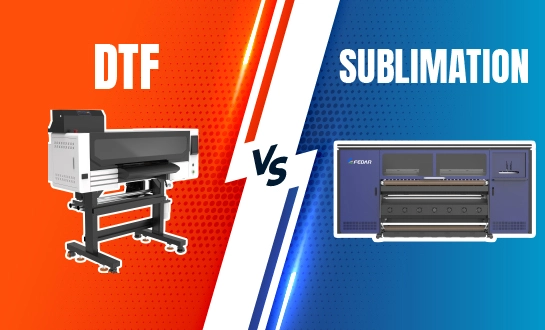
Comparision Between Direct-to-Film (DTF) Printing & Sublimation Printing
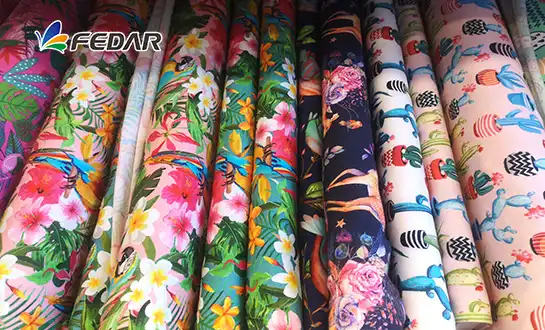
How to Choose the Right DTF Printing Machine for Your Business?
 Printing is a Great Addition for Your Business_1781507126513.webp)
Why Direct-to-Film(DTF) Printing is a Great Addition for Your Business
 Printer Considerations_1779869621127.webp)