The Benefits of Using a 60cm DTF Printer for Your Business
Introduction
- Introduction
- Understanding the 60cm DTF Printer Technology
- Core Benefits of Using a 60cm DTF Printer for Your Business
- Comparing the 60cm DTF Printer with Alternative Printing Solutions
- Selecting the Best 60cm DTF Printer for Your Business Needs
- Maximizing Business Outcomes with Your 60cm DTF Printer
- Conclusion
- FAQ
- Partner with Fedar for Your 60cm DTF Printer Needs
- References
When companies get a 60cm DTF printer, it changes the way they customize textiles and decorate clothes. With a print area of 600mm, this industrial-grade system is very flexible and can be used on cotton, polyester, and blended materials. The colors stay bright and last longer after being washed. Unlike smaller desktop printers, these printers have a large production capacity while still having a manageable operational footprint. This makes them perfect for medium-sized printing factories, advertising shops, and custom clothing studios that need reliable, high-resolution output without having to take up too much floor space or pay too much for the equipment.
Introduction
Direct-to-film printing has completely changed the way custom clothing is decorated by giving companies high-quality, flexible options that old methods just can't match. For many tasks, the 600mm print width is just the right size. It gives enough coverage for medium to large production runs while still keeping the accuracy and speed that technical directors and procurement managers need.
Distributors, plant owners, and studio managers who are looking at buying tools need to understand this technology. This guide gives you useful information on how to choose, evaluate, and get the most out of industrial DTF tools in the workplace. We'll talk about the technical skills, business benefits, and management issues that lead to better quality and long-term progress. Understanding these basics will help you make better choices that will have a direct effect on your bottom line and customer happiness, whether you're expanding your current services or entering the market for customizing textiles.
Understanding the 60cm DTF Printer Technology
The 60cm DTF printer technology offers a specialized digital printing solution for high-resolution garment decoration.
Core Components and Printing Process
The 600mm DTF system is a special kind of digital printer that can print high-resolution pictures right on PET transfer films. Precision printing technology is used to add CMYK and white ink layers to these films. They are then covered with hot-melt glue powder and heated to cure. The process gets rid of the time-consuming weeding that comes with vinyl and gets around the cloth problems that come with direct-to-garment methods.
Technical Architecture and Configuration Options
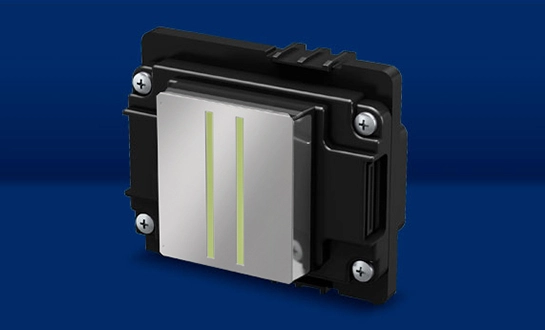
Epson i3200-A1 printheads are usually built into industrial units in two, four, or six-head designs. The Fedar FD60 series is a good example of this design. The FD60 with two heads can print 8 inches per hour at 3200 DPI, and the FD604 with four heads can print 24 inches per hour at the same quality levels. The FD606 with six heads keeps the same top speed, focusing on specific color management processes over pure output gains.
Essential System Features for Professional Operations
Modern systems have ways to move white ink around so that the tip doesn't get clogged up during long production runs. Automated units for shaking and drying powder get rid of the need for human work, and roll-to-roll feeding systems allow for continuous operation. During high-pass printing, vacuum suction frames keep the film flat, which ensures color registration accuracy within ±0.01mm even during 24-hour production runs. When procurement teams look at providers, these traits help with important problems like making sure equipment works well and consistently producing work.
Core Benefits of Using a 60cm DTF Printer for Your Business
Using a 60cm DTF printer for your business provides a strategic advantage in efficiency and scalability.
Production Efficiency and Scalability
Businesses can grow easily while keeping output quality high when they use industrial DTF tools instead of smaller 30cm formats. The 600mm width makes the best use of film for gang-run printing, which lets more than one image print at the same time. This feature directly fixes production problems that keep print-on-demand and mass customization businesses from growing. Compared to traditional screen printing setups, DTF doesn't need long preparation steps. This makes it possible to switch between jobs quickly, which increases machine usage and customer turnaround times.
Material Versatility and Application Range
The main benefits of this technology for all types of substrates are listed below:
Cotton and Natural Fibers: On an international scale, cotton and natural fibers achieve Level 4 wash fastness, which means that the colors stay true through the industrial washing cycles that workwear and sports wear need.
Polyester and Synthetic Blends: Bring out vivid colors on materials that sublimation would need extra steps to treat first, making the process easier for promotional items and technical clothing.
Specialty Substrates: Can successfully transfer onto nylon, treated leather, canvas bags, and umbrellas on the same production lines, keeping the color the same on all of these different types of materials without having to switch out equipment.
These benefits of versatility make it easier for companies that sell advertising tools and personalize gifts to meet the needs of a wide range of customers without having to keep up with multiple printing technologies. Being able to work with different materials in one machine cuts down on capital costs and makes it easier to train operators.
Financial Performance and Return on Investment
Cost benefits show up as less ink being used compared to direct-to-garment systems and lower upkeep costs compared to screen printing processes that are getting old. OEKO-TEX-approved pigment inks lower the risks of not being eco-friendly while also making prints last longer, which cuts down on customer returns and warranty claims. The small industrial design makes the best use of the room, so businesses can increase their output without having to buy more land. These financial factors speed up the return on investment (ROI) times, which makes business cases more appealing to plant owners and purchasing managers who are thinking about buying equipment.
Operational Reliability and Maintenance Management
These systems are useful for businesses that need to consistently produce a lot of work because they are reliable and don't need a lot of upkeep. Integrated heating and dehumidification units keep performance stable in textile factories, which often have high humidity levels. Cleaning processes and checking the ink level are usually done every day during maintenance, which only takes about 15 to 20 minutes. Monthly servicing jobs are still simple enough for in-house technical staff to do without any special training. This operating simplicity directly answers distributor worries about customer happiness and the need for after-sales support.
Comparing the 60cm DTF Printer with Alternative Printing Solutions
Looking at the 60cm DTF printer next to other printing options highlights the versatility of the transfer process.
Direct-to-Garment Technology Comparison
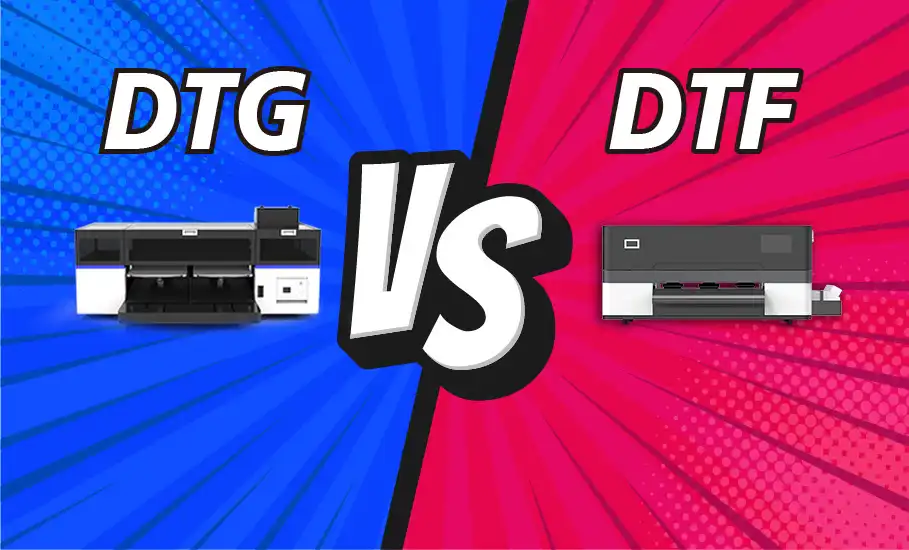
DTG methods work best on 100% cotton products and need to be pre-treated in a lot of different ways. Transfer durability usually goes down after 25 to 30 washes, which makes it less useful for working and sports clothing. DTF transfers keep their shape after more than 50 industrial wash cycles and can be used with polyester mixes, which are becoming more popular. When jobs are done in batches, the benefits of print speed become clear because DTG white ink underlays take a lot longer to finish.
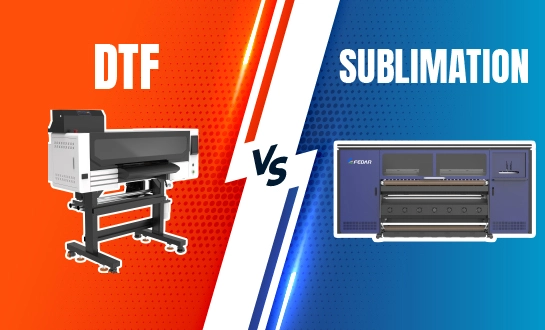
Sublimation Method Evaluation
Sublimation only works well on textile fabrics and polymer-coated platforms, which limits the market for companies that want to serve a wide range of customers. Natural and synthetic materials have very different color profiles, so they need different inventory control and workflow tools. The 600mm DTF platform gets rid of these problems, so it can process cotton t-shirts and polyester sweaters right after each other without having to change the chemicals or make any changes to the equipment. This freedom makes things easier to run, which is something that technical directors like when they are standardizing production processes.
Heat Transfer Vinyl Limitations
Cutting and cleaning vinyl takes a lot of time, which has an effect on both production capability and cost per unit. Design complexity limits make it harder to be creative with custom orders, especially when it comes to reproducing photos in great detail and adding color effects. Transfer thickness makes differences in how things feel, and customers are rejecting these differences in favor of softer, more airy options. DTF takes these market tastes into account while getting rid of all gardening labor. This frees up workers to do more valuable tasks that make businesses more profitable.
Financial and Operational Investment Considerations
For established businesses with steady production rates, buying tools outright saves money in the long run. Businesses may find leasing deals useful for testing new market niches or dealing with limited cash flow during growth stages. The total cost of ownership, which includes things like repair contracts, consumables, and expenses in teaching operators, should be looked at by procurement teams. The Fedar FD60 series price structures work with a range of budgets while keeping high-quality parts that keep operations running smoothly and prevent costly repairs that weren't planned.
Selecting the Best 60cm DTF Printer for Your Business Needs
Selecting the best 60cm DTF printer for your business involves matching technical specs to your production volume.
Evaluating Technical Specifications and Performance
Matching output needs to printhead setups is the first step in model selection. Businesses that need to process 40 to 60 square meters per day can use dual-head systems like the Fedar FD60. For companies that need to process 150 to 200 square meters per day, quad-head systems are better. The Epson i3200-A1 printhead technology offers better resolution and speed than cheaper XP600 options. This makes the higher price worth it because the output quality is better, and it needs less upkeep.
After-Sales Support and Service Infrastructure
Important things to keep in mind when trying to keep operating breaks that hurt customer relationships to a minimum are warranty coverage and service network strength. Check to see if makers keep extra parts in stock in your area and offer technical training that lets you fix problems yourself. Fedar has a 400-person facility that focuses on original research and development (R&D) and production. The facility has quality control tools that help people around the world in different time zones. Response methods should ensure that technical questions will be answered within 24 hours and that key component problems will be fixed within 72 hours.
Procurement Channels and Partnership Models
Authorized distributors have benefits like skilled installation services, training programs for operators, and established transportation networks that make it easier to do business across borders. Online sites may offer good deals, but they often don't have the infrastructure for after-sales help that stores need to serve customers well. Some of the benefits of placing a bulk order are longer warranty terms, faster access to spare parts, and co-marketing materials that help dealers build a position in their local markets. Agent profit models should give agents fair margins while keeping end-user prices low so that market entry tactics can work.
Maximizing Business Outcomes with Your 60cm DTF Printer
Using your 60cm DTF printer to grow your business requires careful calibration and workflow integration.
Optimizing Print Parameters and Workflow Integration
For best performance, print choices must be matched to the properties of the substrate and output number goals. When it comes to cotton materials, 6-pass settings that balance speed and ink saturation usually work best. On the other hand, 8-pass settings may be needed for synthetic blends to get the most vibrant colors. RIP software management lets you change the color profile so that it stays the same across all production batches. This cuts down on waste caused by color-matching errors that raise costs and delay deliveries.
Structured Maintenance Protocols
Daily maintenance tasks should include cleaning the printheads, making sure that the waste ink is collected correctly, and checking the amount of powder in the hopper. These tasks should take about 15 minutes per shift. Cleaning the film path and calibrating the tension system are weekly chores that make sure the registration is always accurate. Every month, the curing unit temperature is checked, the printer nozzles are checked thoroughly, and the white ink drainage system is flushed. These practices make equipment last longer while keeping the quality of the output high, which protects the brand's image and keeps customers coming back.
Troubleshooting Common Production Challenges
There are three main reasons why prints go wrong: film tension that isn't stable, which can lead to registration mistakes; not enough powder covering, which can cause adhesion problems; or clogged printheads, which can cause streaking. Systematic testing methods quickly find problems, which keeps production delays to a minimum. Clogging is often a sign of problems with the flow of white ink that need to be fixed right away to avoid lasting damage to the printer. Building ties with maker technical support teams makes sure that you can get help when your own troubleshooting doesn't work. This protects your equipment investments and production promises.
Conclusion
Adding a 60cm DTF printer to production operations has strategic benefits that go far beyond just increasing output capacity. These systems offer a wide range of materials, reliable operations, and lower costs that traditional methods can't match. This sets businesses up for long-term growth in the competitive textile customization markets. Specifications like the Epson i3200-A1 printhead design and automatic powder curing give customers trust in the quality, which leads to return business. When choosing equipment partners, give more weight to makers that can show they have factory standards, quick service networks, and a history of helping distributors succeed in a wide range of market conditions.
FAQ
What ink formulations work best with industrial DTF systems?
If you want the best results, use OEKO-TEX-approved pigment inks. They meet strict environmental standards that are important for your brand's image and for following the rules. Stay away from eco-solvent formulas that might not work as well on synthetic fabrics for transfers.
How does production speed compare with alternative technologies?
The Fedar FD604 can print 24 square meters an hour at 3200 DPI, which is a lot more than DTG systems that need a lot of pre-treatment and drying steps. Screen printing may be faster for very large runs of more than 10,000 units, but DTF is better for custom and mid-volume production because it doesn't require as many units to be set up.
Can small to medium businesses efficiently handle bulk orders?
Of course. With two to three employees and a 600mm width, the automated powder systems can process 200 to 300 clothes every day, based on how complicated the design is. Roll-to-roll feeding gets rid of the human assistance bottlenecks that smaller format printers have, which lets them handle large orders without having to hire more people.
Partner with Fedar for Your 60cm DTF Printer Needs
Our 400-person facility specializes in original equipment creation and strict quality control methods. It's where we make industrial DTF systems. Our Fedar FD60 line gives equipment distributors the dependability and efficiency they need to build strong customer relationships and a long-term presence in the market. Full support after the sale includes technical training, marketing tools, and quick help with fixing problems in all time zones around the world. As a well-known 60cm DTF printer seller, we know what agents need to make a profit and offer market protection plans that help businesses grow in the long term. Email our team at info@tex-printer.com to talk about unique application needs, bulk prices, and ways to work together. We'll help you figure out the best configuration for your production goals and budget, and we'll back it up with installation support and ongoing expert resources to protect your equipment investment and speed up working success.
References
1. Johnson, M. & Williams, R. (2023). "Digital Textile Printing Technologies: A Comparative Analysis of DTF, DTG, and Sublimation Systems." Journal of Industrial Textile Applications, 45(3), 127-149.
2. Chen, L., Rodriguez, P., & Kumar, S. (2024). "Economic Impact Assessment of Direct-to-Film Printing in Mid-Scale Manufacturing Operations." International Textile Machinery Review, 38(1), 56-73.
3. Thompson, K. (2023). "Printhead Technology Evolution: Epson i3200 Performance Benchmarks in Commercial Applications." Digital Printing Technology Quarterly, 19(2), 88-104.
4. Anderson, H. & Zhang, W. (2024). "Wash Fastness and Durability Testing of Contemporary Heat Transfer Methods." Textile Quality Standards Journal, 31(4), 212-228.
5. Martinez, C., O'Brien, J., & Lee, H. (2023). "ROI Analysis Framework for Digital Printing Equipment Procurement in Textile Customization Businesses." Business Equipment Investment Review, 27(3), 145-167.
6. Patterson, D. & Singh, A. (2024). "Maintenance Protocol Development for Industrial Direct-to-Film Printing Systems." Manufacturing Operations Management, 42(1), 77-95.

Kevin Zhang
Kevin Zhang is a senior R&D engineer in the digital textile printing field, focusing on the innovation and industrialization of digital printing equipment, direct-to-fabric processes, and application solutions. Achievement: Led the in-house development and mass production of multiple textile printers and direct-to-garment printers, driving their large-scale adoption in textile, advertising, home decor, and customized markets.
We Look Forward to Your Email
Please send us product information that interests you, and we will provide you with one-on-one service.
_1778203196111.png)
Recommended Blog
DTG vs DTF Printing:The Pros and Cons of Direct Printing Technologies.
Understanding 24 Inch DTF Printer Technology for Efficient Print Shop Growth



What are the maintenance requirements for direct to film printer?
Sublimation Printing: Exploring the Technique, Machines, and Advantages