A3 DTF Printer: with vs. without Oven System How To Choose?
Introduction
- Introduction
- Understanding A3 DTF Printers and Oven Systems
- Comparing A3 DTF Printers With and Without Oven Systems
- How to Choose the Right A3 DTF Printer for Your Business
- Maintenance Tips and Troubleshooting for A3 DTF Printers
- Market Trends and Trusted Brands in A3 DTF Printers
- Conclusion
- FAQ
- Partner with Fedar for Your A3 DTF Printer Needs
- References
Choosing between an A3 DTF printer with or without an integrated oven system comes down to your production scale, budget, and quality expectations. Printers with built-in ovens streamline workflows by curing prints immediately, reducing handling time and ensuring consistent durability. Meanwhile, models without ovens offer lower entry costs and flexibility to upgrade curing equipment later. Both configurations deliver industrial-quality transfers on textiles, but understanding your operational priorities—whether speed, investment, or space—will guide you to the right setup for sustainable profitability.
Introduction
Direct-to-Film printing has changed how textile companies make unique clothes, promotional items, and home decor. The A3 DTF printer is at the center of this change because it is small without lowering the quality of the output. One question keeps coming up as procurement managers, studio owners, and dealers look at different pieces of equipment: Should you buy a printer with an oven system built in, or should you choose a separate drying system?
This choice has an effect on many things, including floor space, energy use, print durability, and print output. Reliability, accuracy, and cost-effectiveness are important in the textile printing industry. Knowing how oven integration affects your daily processes is key to meeting these needs. It's important to make sure that the equipment you choose fits your output goals and the needs of your clients, whether you're starting a print-on-demand company or growing a medium-sized factory.
We'll look at the technical, financial, and operational differences between models with and without ovens. This will give you the information you need to make smart purchasing choices that will help your business grow in the long run.
Understanding A3 DTF Printers and Oven Systems
What Defines an A3 DTF Printer
A3 DTF printers use special inkjet technology to print high-resolution images on a clear PET film that has TPU sticky powder on it. Designs for t-shirts, tote bags, caps, and other textiles can fit on the 300mm print width. DTF transfers are more flexible than direct-to-garment methods because they can be used on almost any cloth, including cotton, polyester, blends, and even technical fabrics. This means they can be used for a wide range of customer orders. Printing CMYK plus white ink layers, adding binding powder, and letting the film dry before heat-pressing it onto clothes are all parts of the process.
The Role of Oven Systems in DTF Printing
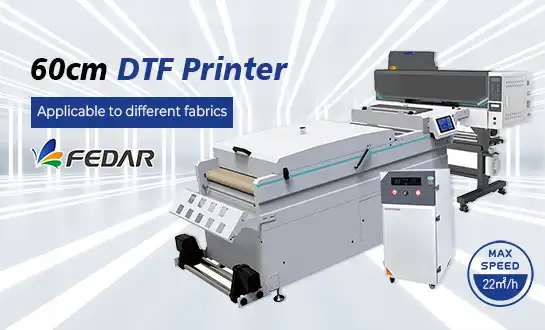
A3 DTF printer curing systems play a very important role when the adhesive powder is turned from loose particles into a strong, long-lasting bond. Built-in ovens inside the printer frame heat printed films automatically as they leave the print zone, while standalone ovens operate independently, requiring images to be transferred manually after printing. The curing process typically reaches 140°C to 150°C, melting the TPU powder and creating a transfer that is flexible, durable, and resistant to washing. Proper curing helps prevent common defects such as cracking, peeling, or weak adhesion, all of which can reduce customer trust and increase return rates.
Configuration Options and Workflow Impact
With printers that have ovens built in, you can print, powder, cure, and store all at the same time. This technology cuts down on handling, lowers the risk of contamination, and speeds up response times. Models that don't have built-in ovens require operators to move films to external drying units by hand. This adds steps but gives operators more options for where to put the equipment. Some companies like flexible setups because they let them change the drying technology or adjust the oven's capacity based on the amount of work they need to do. Each setting changes how work is distributed, how the floor is laid out, and how efficiently operations run.
Comparing A3 DTF Printers With and Without Oven Systems
Print Quality and Durability Differences
Printers with ovens have better control over the curing temperature and length of time, so they regularly make copies that meet ISO 105-C06 wash fastness standards. The instant curing process keeps the powder from moving, which keeps the lines sharp and the colors bright. When printers don't have built-in ovens, time and temperature have to be set by hand, which can lead to differences. However, when set properly, high-quality stand-alone ovens with digital temperature controls give similar results. When it comes to accuracy, the main difference is that integrated systems require fewer human mistakes, while modular setups need more user skill.
Operational Efficiency and Throughput
Integrated oven systems speed up production by getting rid of the need to move things from one step to another between printing and drying. With its two Epson F1080-A1 printheads, the FEDAR FD-D302 can produce 31 A3 prints per hour and cure them without any problems, so it can handle small batches without any problems. Models without built-in stoves need specialized staff to keep an eye on external drying equipment, which could slow down production during busy times. However, flexible setups work best in high-volume settings where several printers can feed a single big oven, making the best use of space and energy.
Cost Considerations and Investment Analysis
Because the cooking parts and control systems for printers with built-in ovens are already built in, they usually cost more at first. But they lower the cost of extra tools and make installation easier. Standalone oven setups require less money to start up, making them a good choice for businesses with limited funds or companies testing the market. Long-term running costs, such as energy use, repairs, and new parts, depend on the method of curing and the amount of product made. To figure out the total cost of ownership, you have to take into account improvements in throughput, work efficiency, and the money you might make from being able to fill orders faster.
How to Choose the Right A3 DTF Printer for Your Business
Assessing Production Volume and Order Patterns
When using an A3 DTF printer, knowing how much printing you do every day affects the tools you choose. Studios that receive 10 to 20 custom orders a week can benefit from small models with built-in ovens like the FEDAR FD-D300, which can print 10 A3 sheets an hour with a single head. Print-on-demand companies that handle a wide variety of orders often value systems that allow them to pause and resume work without disrupting the workflow. On the other hand, advertising shops managing large uniform contracts or marketing campaigns benefit from higher-capacity dual-head systems paired with stand-alone ovens, which enable parallel processing and significantly shorter drying times per unit.
Evaluating Substrate Compatibility and Application Range
Different uses for textiles need different drying conditions. To keep polyester clothing from getting too hot, the temperature must be carefully controlled. Cotton tote bags, on the other hand, can handle longer drying times. Integrated oven systems usually have designs that are already set up for popular materials, which makes them easier for less experienced staff to use. Modular sets let skilled workers finetune the drying conditions so that they can work with special fabrics like high-stretch spandex or technical outdoor gear. By looking at your clients—whether they are fashion brands, companies that provide uniforms, or gift shops—you can see which arrangement meets your quality promises.
Balancing Budget Constraints with Quality Expectations
Small companies that are just starting out look for settings that are cheap without sacrificing print quality. If you start with a desktop A3 DTF printer that doesn't have an oven built in, you can slowly add more features as your sales grow. The FEDAR FD-D300 is a good example of this method. It produces industrial-quality output in a small area, with 1600 DPI resolution and CMYK plus white ink for professional results. Adding a stand-alone curing oven increases productivity without changing the printer when the number of orders goes up. Fully integrated systems help established companies save money on labor costs and speed up order cycles, which makes up for higher starting costs by increasing profits.
Supplier Reputation and After-Sales Support
The knowledge of the manufacturer and the support system is key to the dependability of equipment. Fedar runs a plant with 400 workers that focuses on original research and development, and production. This makes sure that there is a steady supply of core components and strict quality control. Local after-sales support is important for keeping downtime to a minimum. It includes professional training, help with fixing problems, and quick replacement of parts. Distributors should check the guarantee terms, make sure that consumables like printheads and inks are available, and make sure that end buyers can get marketing materials that will help them buy. When you work with makers that offer reproducible sample support, your customers will trust you more, which will lead to more return business.
Maintenance Tips and Troubleshooting for A3 DTF Printers
Routine Maintenance for Oven-Equipped Models
The heating elements, temperature monitors, and air flow paths in integrated oven systems need to be checked regularly. Cleaning the closing station and wiper every day keeps nozzles from getting clogged with dried ink, and checking the encoder strip once a week makes sure that the prints are registered correctly. Pay extra attention to white ink circulation systems; titanium dioxide particles settle fast, so they need to be agitated automatically and manually every so often. Keeping the humidity in the air between 40 and 60% stops static electricity from building up on PET film, which cuts down on feed mistakes and print flaws.
Caring for Printers Without Integrated Ovens
A3 DTF printer models that use external curing tools make upkeep easier on board, but they require more care when handling the film. Ensuring that there is no dust transfer between the printing and drying zones helps keep the print surface clean. For stand-alone ovens, the temperature controllers need to be calibrated once a month, and the heating coils should be checked to ensure they distribute heat evenly. Operators should also make sure that the glue powder melt profiles match the curing oven specifications. If the parameters do not align, the finished transfers may fail to bond properly or become overly stiff.
Common Issues and Troubleshooting Strategies
Powder residue or weak adhesive are signs of incomplete curing, which is usually caused by not enough oven temperature or rest time. Most problems can be fixed by changing the heater settings and checking the speed of the film movement. Print smudging happens when wet ink touches surfaces before it dries. This problem can be fixed by making sure the ink drying settings and room temperature are correct. Cracks appearing in finished transfers mean that the powder chemistry is not suitable or that the transfer was over-cured. This means that the machine needs to be recalibrated or the consumables need to be replaced. Setting up a repair log and working with quick technical support can help keep things running smoothly and protect the equipment for a long time.
Market Trends and Trusted Brands in A3 DTF Printers
Innovations Driving Market Evolution
In the DTF printing industry, saving energy and being good to the world are very important. Low-temperature binding products are made by manufacturers and are good for eco-friendly brands because they use less energy and last longer. New printer technologies, like the Epson F1080-A1's long life and precise droplet control, make colors more accurate and lower the number of times they need to be serviced. Integrated white ink transportation systems solve the biggest problem in the industry by making it possible to print on dark fabrics with uniform opaque underlayers.
Selecting Reliable Manufacturers and Distributors
Procurement professionals give more weight to sellers who can show that their factories are qualified, have enough production capacity, and have quality certifications. Fedar knows a lot about inkjet printers and can use them in a lot of different industries. They are able to do this because they work closely with core component providers. This makes sure that wholesalers who work with customers from other countries can always get printheads, inks, and extra parts. Authorized sellers give help in your area by translating technical documents, making installation easier, and providing open ways to work together that protect agents' profit margins and market territories.
Future-Proofing Your Printing Infrastructure
To stay competitive, you need to know ahead of time what your clients will want in terms of faster response, more material compatibility, and environmentally friendly practices. Modular printer designs let you make small changes over time, like adding more channels for color range expansion, cure capacity, or software updates for new ink formulas. Manufacturers who offer training programs, marketing materials, and trial kits that make it easier for end customers to buy help distributors. Knowing how markets move lets you make smart investments in tools that keep your business profitable even as the textile printing scene changes.
Conclusion
Ultimately, your business goals, budget, and growth trajectory will determine whether you choose an A3 DTF printer with or without an integrated oven system. Models with ovens make work easier, more consistent, and require less labor, which makes them perfect for companies that value speed and dependability. Standalone oven designs give you more options, lower costs, and the ability to grow as your output needs change. If you do the right upkeep and get help from your supplier, both methods will give you great print quality. You can place your business to take advantage of growing demand in textile printing while keeping competitive margins and customer happiness high by looking at production volume, substrate needs, and partnership possibilities with companies like Fedar.
FAQ
Can You Add an Oven System to an Existing Printer?
Adding an integrated oven to a printer that wasn't made with one originally is hard to do properly and isn't always possible because of room and power needs. Adding a separate drying oven to your current printer, on the other hand, is easy. This method lets you keep the investment you already have while increasing the cure capacity and giving you better temperature control and output. A lot of businesses are able to run hybrid processes successfully by using flexible ovens to keep up with production growth without having to buy new printers.
How Long Do Integrated Oven Components Last?
If you keep your integrated ovens in good shape, the heating elements and temperature monitors should work well for 8,000 to 12,000 hours. Lifespan varies on how often it is cleaned, how much it is used, and the surroundings around it. Unexpected breakdowns can be avoided by checking the system often and replacing broken parts when they get too old. Standalone ovens often have parts that can be switched out. This makes fixes easier and extends the life of the equipment. Long-term running costs and downtime risks are greatly affected by manufacturer guarantees and the supply of parts.
What Happens If You Skip the Curing Step?
Uncured DTF transfers don't stick well, so patterns peel off after washing or even just being handled. Without heat, the sticky powder stays powdery and can't stick ink to cloth. Print longevity, color fastness, and customer happiness are all affected when curing is skipped or not done properly. For professional-quality results, you have to make sure the powder cures properly so it turns into a flexible, long-lasting mesh that can handle being washed many times.
Partner with Fedar for Your A3 DTF Printer Needs
Are you ready to change how you print on textiles? Fedar is a reliable company that makes A3 DTF printers and has a 400-person R&D and production center. They make machines that are reliable, accurate, and profitable. Our options give industrial quality with desktop ease, whether you need the small FEDAR FD-D300 for printing on demand or the fast FD-D302 for batch production. We give dealers thorough technical training, local support after the sale, and samples that can be used again and again, which gives them the confidence to turn clients.
Our steady stock of Epson F1080-A1 printheads and custom ink formulations guarantees reliable performance on a wide range of substrates. Fedar lets agencies, distributors, and printing companies grow their businesses without sacrificing quality by offering flexible ways to work together, low prices, and quick responses to technical questions. Email our team at info@tex-printer.com to talk about our custom A3 DTF printer options for sale, to ask for product demos, and to get smart buying advice that is made just for your market.
References
1. Smith, J. (2023). Direct-to-Film Technology in Textile Printing: A Comprehensive Guide. Textile Industry Press.
2. Chen, L., & Rodriguez, M. (2022). Curing Systems and Their Impact on DTF Print Durability. Journal of Digital Printing Technology, 15(3), 112-128.
3. Anderson, K. (2024). Cost-Benefit Analysis of Integrated vs. Modular DTF Printing Systems. Apparel Production Quarterly, 41(2), 88-101.
4. Williams, R. (2023). Maintenance Best Practices for DTF Printing Equipment. Industrial Printing Solutions Magazine, 19(4), 45-59.
5. Thompson, E., & Lee, S. (2022). Market Trends in Compact Digital Textile Printing Systems. Global Textile Manufacturing Review, 38(1), 72-85.
6. Martinez, P. (2024). Quality Control Standards for Direct-to-Film Transfers in Commercial Applications. Textile Quality Assurance Handbook, 7th Edition.
Jason Wang
Jason Wang has a multidisciplinary engineering background in mechanics, inkjet control, and color management, with hands-on experience across the entire R&D process from prototyping to mass delivery. Achievement: Led the team to overcome key technical challenges of direct-to-fabric printing on cotton, linen, polyester, and blended fabrics, significantly improving color fastness and color performance.
We Look Forward to Your Email
Please send us product information that interests you, and we will provide you with one-on-one service.
_1778203196111.png)
Recommended Blog
A3 DTF Printer: with vs. without Oven System How To Choose?
Comparision Between Direct-to-Film (DTF) Printing & Sublimation Printing
Understanding 24 Inch DTF Printer Technology for Efficient Print Shop Growth
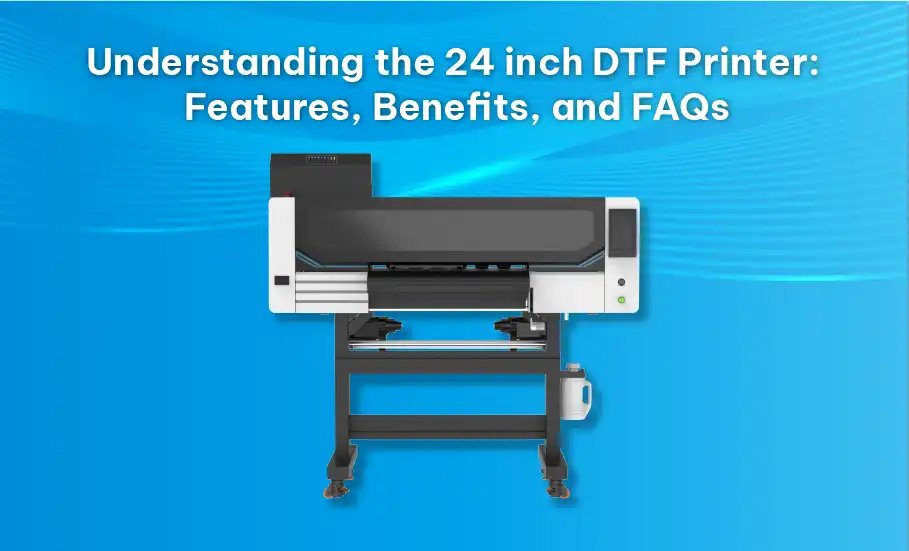
Understanding the 24 inch DTF Printer: Features, Benefits, and FAQs