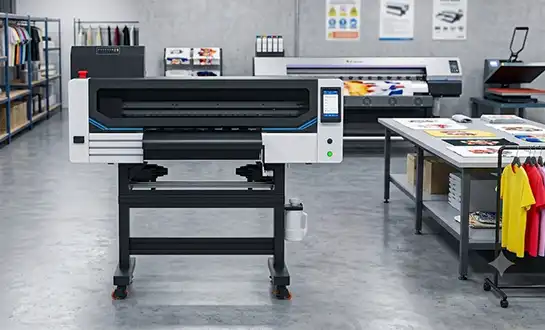
Why the 60cm DTF Printer Is the Best Choice for Small-Batch T-Shirt Printing
Why the 60cm DTF Printer Is the Best Choice for Small-Batch T-Shirt Printing
Understanding the 60cm DTF Printer: How It Works and Key Benefits
- Understanding the 60cm DTF Printer: How It Works and Key Benefits
- Comparing 60cm DTF Printers to Other Models and Printing Technologies
- Making Informed Procurement Decisions for Your 60cm DTF Printer
- Practical Applications and Case Studies of 60cm DTF Printers in Small-Batch T-Shirt Production
- Why the 60cm DTF Printer Is the Rational Choice for Small-Batch Print Production
- Conclusion
- FAQ
- Partner with Fedar for Your 60cm DTF Printer Requirements
- References
When looking into ways to decorate textiles in small batches, the 60cm DTF printer always stands out as the best choice for a mix between production capacity and operational freedom. This 24-inch direct-to-film method solves one of the biggest problems print shops and distributors face: how to stay profitable on low-volume orders while still producing professional-quality work. In contrast to desktop units that limit throughput or wide-format systems that take up too much floor space, the 600mm print width allows for efficient gang-run printing on a variety of fabric types without the need for pretreatment as with direct-to-garment technology or the setup costs of traditional screen printing methods.
Understanding the 60cm DTF Printer: How It Works and Key Benefits
How does the 60cm DTF printer work? What are its main benefits?
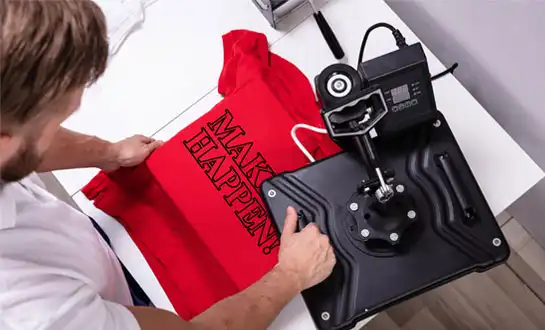
With direct-to-film technology, digital drawings are turned into long-lasting cloth pictures in four steps. First, the device uses precise printheads to put CMYK and white pigment prints on a special PET film. Once the printing is done, a machine shakes the powder and spreads hot-melt glue particles evenly over the wet ink surface. The film is then put through a curing tube, which uses controlled heat to make the glue layer stick. Standard heat press equipment is used for the final transfers, which firmly attach the image to the clothes.
The Technical Workflow Behind Professional Results
Epson i3200-A1 printheads are used in modern industrial DTF systems. Each head has 3200 individual needles that give 3200 DPI resolution. This level of technical accuracy makes sure that fine text has sharp edges and that photo images have smooth gradients. The roll-to-roll feeding system keeps the tension constant during printing processes, which stops registration mistakes that make it hard to align multiple colors. White ink circulation systems stop the colors in titanium dioxide from settling naturally. This stops the nozzles from getting clogged, which happens with badly designed equipment.
Fabric Compatibility Advantage
The sticky transfer method doesn't need to be prepared for cotton, polyester, nylon, canvas, or polyester-cotton mixes before it can be used. This global flexibility fixes a problem that has been bothering businesses with a wide range of customers for a long time. DTG printers need chemical pretreatments that raise the cost of labor and limit the types of fabrics that can be used. Vinyl methods, on the other hand, make images that are stiff and don't breathe. DTF transfers keep the feel of the fabric while meeting Level 4 wash fastness standards set by international testing standards.
Economic Efficiency in Small-Batch Production
The 600mm print area makes the best use of the material for writing on most types of clothing. When compared to cutting individual vinyl pieces, a single film sheet can hold several small patterns or one big back print. Because of the closed-loop circulation system, the amount of ink used stays the same, and the CMYK and white channels work separately to avoid cross-contamination. Shops can switch between orders in less than five minutes because production sets don't need screens, stamps, or weeding work.
Comparing 60cm DTF Printers to Other Models and Printing Technologies
Taking a look at 60cm DTF printers next to other models and printing methods. In order to choose the right production tools, you need to know how different technologies meet different operating needs. Medium-format DTF systems are in a good spot between entry-level systems and industrial wide-format platforms.
60cm vs. 30cm Desktop Units
Small 30cm printers are good for niche markets that focus on customizing a single outfit, but when order numbers rise, their small print area causes delays. Three normal chest prints can be processed at the same time by a 24-inch system, which triples throughput without increasing floor room or utility use by the same amount. With its two Epson i3200-A1 printheads, the FEDAR FD60 DTF Printer can print 8 square meters per hour at six-pass quality settings. Its small industrial form makes it easy to fit into most workshop plans.
Performance Benchmarks Against DTG Technology
Direct-to-garment printers work best with white cotton that has already been treated for single-piece orders. They have trouble with polyester materials and dark clothes, though. Because the printheads are visible and the liquid ink systems tend to get clogged when not in use, they require a lot more maintenance. With its film-based copying method, DTF technology gets rid of these problems. With its four printheads, the FEDAR FD604 DTF Printer can print up to 24 square meters per hour on all types of cloth using the same process settings.
Evaluating Manufacturer Reliability
Because it has been shown to last and parts are easy to find, Epson's PrecisionCore i3200-A1 printer design has become the standard for 24-inch DTF systems. The piezoelectric needle design makes it possible for droplets to form consistently over long production runs, without the problems that other technologies have with breaking down over time. When manufacturers use real Epson parts and give you verified ICC profiles, they show that they care about the quality of the output, which directly affects your clients' happiness.
Making Informed Procurement Decisions for Your 60cm DTF Printer
How to choose the best 60cm DTF printer supplies. When investing in strategic tools, you need to think about the total cost of ownership, which is more than just the buying price. Partnering up with manufacturers depends on a lot of things besides just how much the machines cost.
Supplier Verification and Support Infrastructure
Authorized makers of 60cm DTF printer systems give you serial numbers that can be tracked, insurance paperwork, and access to technical help networks that are very important for keeping downtime to a minimum. A 400-person production center with dedicated R&D skills shows the steadiness of operations needed for parts to be available for a long time and for software changes to be made. Suppliers who offer both entry-level dual-head setups and scalable six-head systems show that they understand how businesses grow. This lets you fit equipment capacity to current demand while keeping upgrade paths open.
Cost Structure Analysis
The FEDAR FD60 DTF Printer is the standard for professional small-batch production. Its dual-head design balances the cost of purchase with the need for output. As the number of orders goes up, the FD604 and FD606 models offer linear throughput increases by adding more printhead combinations that don't change the print width or footprint needs. This modular method saves the original investments and makes it clear how to increase the price.
Technical Support and Training Resources
The longevity of equipment rests a lot on how well the operator follows daily repair procedures. When done right, the 10-minute regular inspection cycle that includes cleaning the wipers, checking the cap station, and checking the nozzles stops 90% of production pauses. Cross-border equipment purchases are less risky when the company selling the equipment offers installation help, user certification programs, and locally stocked supplies. Technical staff can fix common problems without having to wait for outside service calls thanks to video lessons that cover color profile correction and white ink management.
Practical Applications and Case Studies of 60cm DTF Printers in Small-Batch T-Shirt Production
The way technical specs affect business results can be seen in real production settings. Small-batch businesses using the 60cm DTF printer have a hard time finding the right balance between quality standards and quick response times.
Order Fulfillment Workflow Optimization
Medium-format DTF equipment works well for a normal order of 50 unique t-shirts with full-color front prints. The printer makes gang-run film sheets with 12 to 15 patterns on each pass. Powder application and sealing are done automatically while new designs are printed. As soon as the drying is done, workers set up the heat press units and sort the clothes by size. This parallel workflow cuts the total time it takes to make something from receiving the file to shipping the finished product to about three hours. This keeps the profit margins high even for sales of a small number.
Color Accuracy and Repeatability
Brand reputation counts on colors being reproduced the same way every time the order is placed. The CMYK+W ink setup and calibrated ICC profiles make sure that Pantone matches are accurate within the Delta E limits that are standard in the industry. The depth of the white ink underbase directly affects how bright the colors are on dark fabrics. This means that automated circulation systems are needed to keep the pigments suspended without any help from an operator. The Epson i3200-A1 printhead's variable droplet technology changes the amount of ink used on the fly. This makes gradient designs look more professional by ensuring smooth shifts between colors.
Addressing Common Production Challenges
Conditions in the environment have a big effect on how reliable a 60cm DTF printer process is. If the humidity isn't between 40 and 60%, static electricity can build up on PET films or cause glue to cure too quickly. By putting basic HVAC settings in production buildings, these factors are taken away, so results stay the same no matter what time of year it is. The second problem that many people face is optimizing the parameters of a heat press. Most cotton clothes need 160°C at 15 seconds of medium pressure, while polyester blends need lower temperatures to keep them from getting too hot. Writing down these specs for each type of fabric speeds up training for new employees and makes sure that quality standards are always met.
Why the 60cm DTF Printer Is the Rational Choice for Small-Batch Print Production
Medium-format 60cm DTF printer technology is the best investment for businesses that want to grow because its technical skills and marketplace come together.
Scalability Within Controlled Investment Parameters
Businesses can perfectly match the ability of their tools to the needs of the moment thanks to the modular design of systems like the FEDAR line. Starting with a dual-head FD60 configuration makes it possible to build a footprint in the market, while the four-head FD604 model can handle growing order volumes without having to move the building or change the way work is done. This method of investing in stages keeps working capital safe during growth phases and keeps production costs per unit low.
Operational Simplicity and Environmental Considerations
DTF production has a much smaller effect on the environment than screen printing, which needs ventilation systems to deal with solvent pollution, or DTG, which needs chemical preparation stations. The closed-loop ink system stops the release of toxic organic compounds, and powder overspray collection stops the pollution of particles. These traits make it easier to get permits for facilities and make it easier to keep up with regulations. For equipment to work, it only needs regular electricity service, not compressed air or special utility lines. This means that it can be installed in a wide range of building types.
Long-Term Partnership Value
If you choose equipment made by well-known companies with proven production capabilities, you can be sure that parts will be available and that you will continue to get expert help, which is important for protecting your investment. A company with a 400-person facility and in-house research and development (R&D) shows that it has the means to serve customers around the world through multiple rounds of technology change. This operating depth means that firmware updates happen regularly, material compatibility profiles are increased, and service networks are quick to respond, so problems don't stop business as much as possible.
Conclusion
In conclusion, the 24-inch direct-to-film printing platform has the right amount of speed, quality, and operating freedom for small-batch cloth decoration that makes money. This technology fixes the main problems that hold back traditional printing methods by getting rid of the need for preparation, making more fabrics compatible, and speeding up the setup process. The FEDAR 60cm DTF printer line, which is based on the tried-and-true Epson i3200-A1 printhead technology and automatic powder application systems, offers options that can be scaled up or down to meet the needs of any production facility, from new businesses just starting out to large factories looking to improve their processes.
FAQ
How does daily maintenance prevent production interruptions?
Using the 10-minute check routine keeps the printhead working at its best even when production runs continuously. As part of the process, dust from the wiper blades is cleaned off, the integrity of the cap station seal is checked, and nozzle check patterns are run to look for early signs of clogging. In white ink circulation systems, you have to make sure the pump works and watch the fluid move through clear tubing parts. These preventative steps find problems as they start to happen, before they get worse and cause expensive downtime that needs service interventions.
Can the technology handle complex photographic images?
When you mix the 3200 DPI resolution with changeable droplet technology, you get photocopies that are up to professional standards. For best results, make sure the RIP software is set up correctly and uses ICC settings from the maker that are calibrated for the ink and film being used. To keep the white ink underbase from showing through dark clothes and to avoid too much buildup that makes the paper feel stiff, the density must be carefully controlled. Expert operators change the choke settings to stop white ink from bleeding outside of the CMYK range. This keeps the edges of fine features sharp.
Partner with Fedar for Your 60cm DTF Printer Requirements
Fedar can help you with your 60cm DTF printer needs. Your business should have access to tools that are backed by real production know-how and a full support network. Fedar runs a qualified 400-person production center that focuses on developing industrial inkjet technology and making sure that manufacturing processes are quality-controlled. Our network of DTF printer suppliers offers competitive price models that are meant to help distributors make money while still meeting the high technical standards your customers expect.
The FEDAR FD60, FD604, and FD606 types all have Epson i3200-A1 printheads that automatically move white ink around, as well as powder shaking and drying systems built into small industrial housings. We offer thorough technical documentation, tools for teaching operators, and quick help after the sale through well-established service networks. Email our team at info@tex-printer.com to talk about your particular production needs and get personalized equipment suggestions with full reviews of specs.
References
1. Smith, J. & Williams, R. (2023). "Direct-to-Film Technology: A Comprehensive Analysis of Modern Textile Printing Methods." Journal of Industrial Textile Engineering, Volume 47, Issue 3, pp. 112-128.
2. Anderson, M. (2024). "Cost-Benefit Analysis of Digital Printing Technologies for Small-Batch Apparel Production." Textile Manufacturing Quarterly, Spring Edition, pp. 34-51.
3. Chen, L., Thompson, K., & Rodriguez, P. (2023). "Epson PrecisionCore Printhead Performance in Industrial Applications." Digital Printing Technology Review, Volume 15, Issue 2, pp. 67-82.
4. Martinez, S. (2024). "Environmental Impact Comparison: Traditional vs. Digital Textile Decoration Methods." Sustainable Manufacturing Journal, Volume 12, Issue 1, pp. 22-39.
5. Johnson, D. & Patel, A. (2023). "Market Analysis of Medium-Format DTF Equipment: Trends and Projections 2024-2028." Global Print Industry Report, Annual Edition, pp. 145-167.
6. Williams, T., Chang, H., & O'Brien, M. (2024). "Optimizing Production Workflows for Direct-to-Film Printing in Commercial Settings." Industrial Efficiency Quarterly, Volume 29, Issue 4, pp. 88-104.

Kevin Zhang
Kevin Zhang is a senior R&D engineer in the digital textile printing field, focusing on the innovation and industrialization of digital printing equipment, direct-to-fabric processes, and application solutions. Achievement: Led the in-house development and mass production of multiple textile printers and direct-to-garment printers, driving their large-scale adoption in textile, advertising, home decor, and customized markets.
We Look Forward to Your Email
Please send us product information that interests you, and we will provide you with one-on-one service.
_1778203196111.png)
Recommended Blog
What Is dye sublimation printer sublimation transfer printer: A Complete Guide
A3 DTF Printer: with vs. without Oven System How To Choose?
Sublimation Printing: Exploring the Technique, Machines, and Advantages
Comparision Between Direct-to-Film (DTF) Printing & Sublimation Printing
Understanding 24 Inch DTF Printer Technology for Efficient Print Shop Growth
Exploring What Is DTF Transfer: A Comprehensive Guide to Direct-to-Film Printing