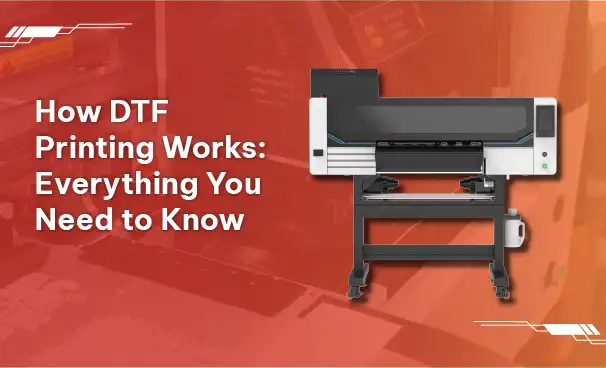
Exploring What Is DTF Transfer: A Comprehensive Guide to Direct-to-Film Printing
Exploring What Is DTF Transfer: A Comprehensive Guide to Direct-to-Film Printing
Introduction
- Introduction
- Understanding Direct-to-Film (DTF) Printing Technology
- Comparing DTF Printing with Other Printing Technologies
- Optimizing DTF Printing Performance for Your Business
- Procuring DTF Transfer Printers: A Buyer's Guide for B2B Clients
- Future Trends and Environmental Considerations in DTF Printing
- Conclusion
- FAQ
- Partner with Fedar for Reliable DTF Transfer Solutions
- References
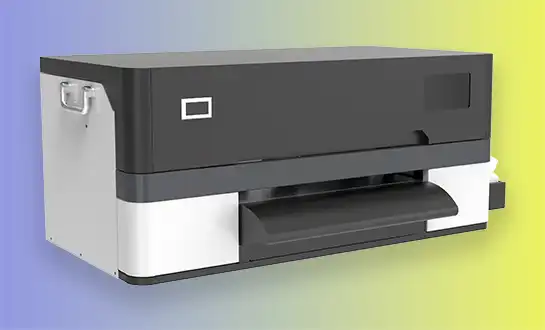
Direct-to-Film printing, or DTF, is a digital printing method in which images are printed on special PET film and then heated and moved to cloth using adhesive powder. The direct to film transfer printer has become a flexible way to decorate textiles that gets around the problems with older methods while offering great color brightness, substrate versatility, and low cost. Businesses can print fine patterns on cotton, polyester, nylon, and mixed fabrics without treating them first. This makes it perfect for custom clothing, promotional items, and small to medium production runs in many fields.
Introduction
The cloth printing business is always under pressure to offer mass customization while keeping quality and profits high. The technology for Direct-to-Film printing has become very useful for global B2B buying workers who have to deal with these needs. Unlike traditional methods that need a lot of setup time or processes that are specific to the material, DTF is very flexible and can solve important production problems. This thorough guide looks into the basic workings of DTF technology, contrasts it with other printing methods, suggests ways to improve operations, and gives buying advice that is specific to businesses ranging from new studios to well-established factories. When people make decisions, they can figure out if DTF fits with their production goals, budget, and market positioning by learning about its capabilities.
Understanding Direct-to-Film (DTF) Printing Technology
The Core Mechanics of DTF Printing
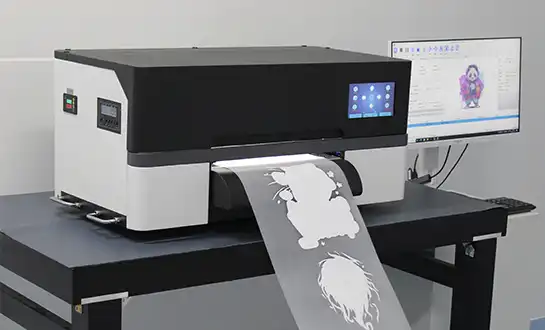
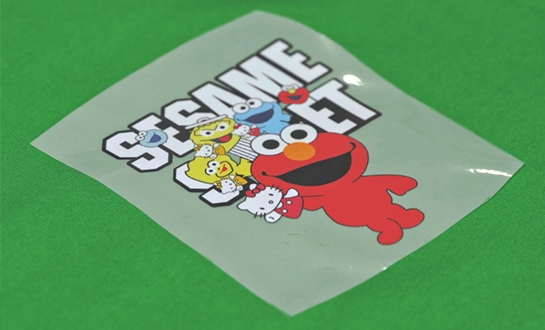
DTF printing is a multi-step process that starts with preparing the computer image. The picture is made by using CMYK color inks and high-density white ink on covered PET film with a special printer. The white ink layer is very important because it gives the image transparency and color brightness when it's transferred onto dark or colored fabrics. After the printing is done, hot-melt glue powder is spread out evenly over the area that was printed. This is then heated to harden the powder and connect it to the ink. The ready-made transfer is kept until it is used. To fully attach the image to the garment, a heat press uses controlled temperature and pressure.
Key Components and Their Functions
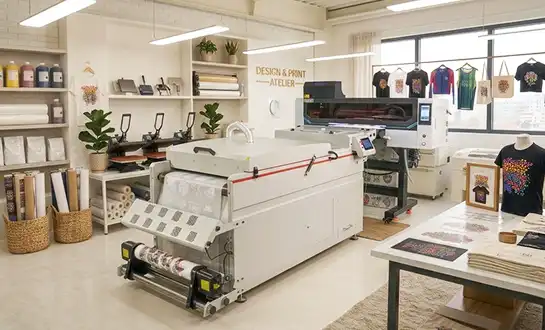
Knowing how pieces of tools are put together helps buyers make smart choices. Understanding how a direct to film transfer printer is constructed makes it easier to evaluate overall performance and production stability. The printhead technology affects the resolution and speed of production. For example, Epson F1080-A1 printheads, which are found in the FEDAR FD-D300 and FD-D302 models, consistently produce 1600 DPI resolution, which is good for graphics with lots of details. The system that delivers the ink has to keep the colors mixing perfectly and keep it from getting clogged. This is especially important for white ink, which needs to be constantly moved around because it has a higher viscosity. Powder shakers spread the glue evenly, and curing ovens keep the temperature exactly between 110°C and 150°C to make sure the film base doesn't get damaged during the bonding process.
Material Compatibility Across Applications
DTF technology works great on a wide range of fabrics that other printing methods have trouble with. DTF can make flexible, stretch-resistant transfers for manufactured materials like polyester, nylon, and spandex mixes, and natural fibers like cotton get great color saturation and a soft hand feel. This flexibility goes beyond clothing and includes accessories, home goods, and promotional items. Ink formulations are very important. Pigmented inks provide wash fastness, hitting Grade 4 in AATCC testing standards, which means they will last through industrial laundering cycles. With the right temperature changes, the technology can work on rough surfaces, treated materials, and even leather.
Comparing DTF Printing with Other Printing Technologies
DTF Versus Direct-to-Garment (DTG) Printing
Both ways are used for digital printing, but they meet different business needs. DTG printing puts water-based inks directly on clothes that have already been handled. Light-colored cotton is very soft, but polyester and dark fabrics don't work as well. DTF (direct to film transfer printer) doesn't need to be treated first, and its white ink underbase makes it work better on synthetic blends and dark fabrics. The way they make things is very different. DTG needs to be loaded and treated for each clothing item separately, but DTF lets you print transfers in bulk to use later, which gives you more stocking options. Cost research shows that DTF is better for operations with a mix of substrates and on-demand fulfillment models, where the range of substrates is what makes the business valuable.
Screen Printing Comparison and Use Case Analysis
Screen printing is still the standard for big production runs because it costs less per unit when you print a lot of them. Setting up screens takes a lot of time and money, so small runs are not possible from a business point of view. DTF fills in this gap by providing setup-free production that works for orders of one piece or hundreds, giving the same level of longevity without requiring a minimum order number. Color complexity is another thing that sets DTF apart from screen printing. Screen printing has trouble setting up designs with curves and multiple colors, but DTF can handle complicated artwork and photographs without any extra work. DTF is great for businesses that have sample rooms or custom shops because it lets them make prototypes before they commit to screen production.
Sublimation Printing Limitations Addressed by DTF
Through dye-gas transfer, sublimation makes vivid, fully merged pictures on polyester, but it has some major problems. Darker polyester fabrics make the patterns look washed out, so the process only works on white or light-colored polyester fabrics. The direct to film transfer printer enables DTF technology, which gets around these problems by printing bright, opaque images on any color cloth and any type of material. There are also differences when it comes to the environment. Sublimation only needs a printer and a heat press, while DTF needs powder application and drying steps. The trade-off gives substrate freedom that sublimation can't match. This makes DTF the best choice for businesses with a wide range of customers who need different fabric types and color combinations.
Optimizing DTF Printing Performance for Your Business
Precision Settings for Material-Specific Results
To get uniform product quality, you have to change settings based on the properties of the substrate. Moderate heat press temperatures of around 160°C and dwell times of 15 seconds work well for cotton fabrics. Lower temperatures of around 140°C work better for polyester blends to keep them from scorching and dye movement. Transfer flexibility is affected by the amount of saturation in the ink. On stretch fabrics, keeping the elasticity while lowering the density of the white ink keeps the clarity. Different resolutions are needed for different types of designs. For example, detailed graphics need higher DPI settings, while bold drawings print faster at normal resolution. Keeping track of the best parameter combos for popular substrates cuts down on trial and error and makes sure that results are consistent across production batches.
Preventative Maintenance Protocols
Reliability of equipment, such as the direct to film transfer printer, has a direct effect on how well it works and how happy the customers are. As part of daily upkeep, the printer should be cleaned, the flow of white ink should be checked, and the powder shaker should be checked for clumping or uneven distribution. Cleaning the closing stations, checking the ink line filters, and adjusting the temperatures in the drying oven every week are some of the things that need to be done. Long-term damage can be avoided by deep cleaning printheads once a month with methods approved by the maker. White ink management is the most important part of upkeep because its higher pigment content can clog printers if the circulation systems stop working or they are not used for a long time. Putting in automatic agitation systems, like the ones that come with current industrial models, makes upkeep a lot easier.
Troubleshooting Common Production Challenges
When there is too much humidity or bad film covering quality, white ink usually bleeds around the edges of the image. Most problems can be solved by keeping film in climate-controlled spaces with less than 60% humidity and making sure the film comes from a trusted source. Transfer adhesion problems are often caused by not applying enough heat press pressure or removing the film too soon, before it has cooled. Making sure the press is calibrated correctly and following the peeling instructions (hot peel or cold peel based on the type of powder) will ensure a good bond. Color differences between prints could mean that the printer nozzle is clogged or that there are problems with the ink supply. The nozzles need to be checked and cleaned. Keeping specific logs of production factors and problems helps find patterns, which speeds up the process of fixing problems.
Procuring DTF Transfer Printers: A Buyer's Guide for B2B Clients
Evaluating Equipment Specifications for Business Scale
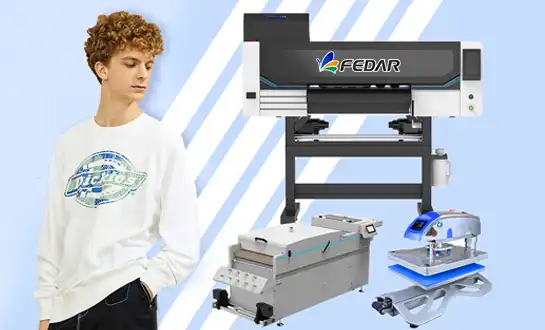
Before choosing the right equipment, you should be honest about how much you produce and how much you expect it to grow. Entry-level portable systems like the FEDAR FD-D300 make DTF technology more affordable and offer output that is as good as what you'd find in an industrial setting. This model has a single Epson F1080-A1 printer and a 300mm print width. It can make 10 A3 or 20 A4 prints an hour, making it perfect for sample makers, small companies, and businesses that want to see if DTF works before going big. With two printheads, the FD-D302 configuration doubles output, allowing 31 A3 or 62 A4 prints per hour. This helps small batch production shops and wholesalers who need a faster response. Both types keep their 1600 DPI highest resolution, which ensures that the quality stays the same across all volume levels. It's important to think about the print width. Most clothing pictures can fit on a 300mm printer, while full-width textile printing can be done on bigger industrial models.
Modern technology, including direct to film transfer printer, is designed to be easy to use, so starting a DTF business doesn't take much experience. Low barriers to entry and high profit margins per order make business models appealing to both new businesses and those that have been around for a while. With print-on-demand, there is no need for a minimum order, so businesses can serve unique clients without having to worry about keeping stock. Desktop units that don't take up much space save money on facility costs and energy use compared to standard printing equipment. They also require less upkeep, which lowers operational overhead.
Supplier Evaluation Criteria and Support Infrastructure
Only the ability of the equipment itself, such as a direct to film transfer printer, is part of the procurement equation. The skills of the seller have a much bigger effect on long-term success. When checking a manufacturer's credentials, you should look at things like the size of the plant, its R&D skills, and its quality control systems. Fedar runs a 400-person factory that focuses on original design and production following strict quality standards. They have a lot of experience in the inkjet printer market and can adapt to many different industry uses. Stable supply lines for key components keep production from stopping, and serving customers around the world shows that you understand the needs of international business and cross-border support.
Operational stability is based on the post-sale support system. Responding quickly to technical problems with equipment keeps you from having to pay for expensive downtime that hurts client trust. Teams can get the most out of their tools by going through comprehensive training programs that cover operation, repair, and troubleshooting. Distributors can turn leads more easily with the help of marketing support like sample kits and printable demonstration prints. Businesses that are thinking about agency partnerships or resale operations should look at profit models, market protection policies, and the availability of neighborhood service networks. This will help them understand whether the partnership will work and how much it can grow.
Practical Procurement Logistics
When buying tools internationally, there are more things to think about than just the product specs. Knowing when to ship, what paperwork is needed for customs, and how much the import duty is can help you avoid delays and extra costs. Using providers who have experience with exporting makes this process go more smoothly. Well-known makers can provide all the necessary paperwork, set up freight forwarding, and help with customs clearance. It's important to carefully read over the warranty terms and coverage limits, especially when it comes to parts replacement, labor costs, and service reaction times. By checking the prices and availability of spare parts, you can avoid having to deal with extended downtime if parts break outside of their guarantee terms. Payment terms and financing choices vary from supplier to supplier. For qualified buyers, established makers often offer flexible plans.
Future Trends and Environmental Considerations in DTF Printing
Technological Evolution and Automation
Direct to film transfer printer technology keeps getting better with new features that make it faster, more consistent, and easier to use. New printer designs raise sharpness while keeping production speed the same, allowing finer details to be reproduced. Improvements in ink chemistry increase wash durability, lower drying temperatures reduce energy consumption and help protect fabrics from damage, and wider color gamuts make Pantone matching more accurate. Workflow automation is also a major growth area. Integrated software solutions manage color analysis, powder application, and drying cycles, reducing manual work and minimizing human error. Integration with digital supply chain tools further streamlines order management, from design submission to production tracking, making the system especially attractive for scaling businesses.
Sustainability and Environmental Responsibility
As regulations get stricter and customer awareness rises, environmental concerns play a bigger role in purchasing choices. DTF printing is better for the environment than standard methods in a number of ways that can be measured. In contrast to screen printing, which needs a lot of water to prepare and clean the screens, DTF is a dry method that only needs water to clean the tools. Chemical use is still very low compared to the steps needed to prepare textiles for DTG printing. On-demand production models get rid of wasteful inventory and setup waste that comes with screen printing, which leads to less waste. New eco-friendly inks contain fewer flammable organic compounds, and biodegradable glue powders solve the problem of how to properly dispose of old materials. Businesses that use sustainable methods have an edge in markets that value business social duty and environmental responsibility.
Conclusion
Direct-to-Film printing technology meets important goals in the textile decoration business by being flexible, high-quality, and easy to use, and the direct to film transfer printer plays a central role in enabling these capabilities. Businesses at all levels of production can make smart decisions when they understand DTF's basic mechanics, competitive benefits, optimization strategies, and buying issues. The technology's ability to print on demand, work with a variety of materials, and require little setup makes it useful for custom shops, wholesalers, and production sites that want to stand out from the competition. As DTF continues to change through new technologies and better environmental practices, early users who have reliable tools and strong supplier relationships will have a strategic edge in meeting the needs of markets that are becoming more demanding.
FAQ
What causes white ink bleeding around design edges?
Most of the time, external conditions or problems with the quality of the material cause white ink to bleed. When writing or storing, high humidity makes the ink spread out beyond where it was meant to go before it cures. Keeping the relative humidity below 60% while storing PET film stops it from absorbing water. Film coatings of poor quality don't hold ink properly, so getting film from reputable sources is the only way to be sure of regular results. Optimizing the drying temperature based on the powder's instructions also stops bleeding by setting the glue right before applying the transfer.
How can I prevent printhead clogging during equipment downtime?
Modern DTF machines should have automatic systems for moving and stirring white ink so that color doesn't settle when the machine isn't being used. Running daily maintenance flushes on equipment before turning it off clears the ink tubes and keeps them from getting clogged overnight. Because white ink has a higher thickness than color inks, it is more likely to get stuck, so never leave equipment idle for long periods of time without running circulation cycles. Putting repair cartridges over printheads while storing them for a long time protects them even more against drying out and particle buildup.
What is the shelf life of printed DTF transfers before application?
When kept correctly, DTF moves can be used up to 12 months after they were made. Keeping transfers in cool, dry places away from direct sunlight and UV exposure, which breaks down binding qualities, is very important for extending their shelf life. Putting transfers in sealed bags with desiccant packets keeps them useful for longer by stopping them from absorbing water, which makes them less sticky. When stored for a long time, higher-quality sticky powders that are made to stay stable on shelves for longer work better. Powder selection is important for businesses that keep transferring goods.
Partner with Fedar for Reliable DTF Transfer Solutions
Are you ready to change the way you print with tried-and-true DTF technology? The 400 people who work at Fedar's plant focus on original research and development and strict quality control. They make high-performance direct to film transfer printer equipment. Our FEDAR FD-D300 and FD-D302 models produce high-quality output at a tabletop level, making them ideal for businesses that want to start DTF printing or grow their current operations. We help distributors and production sites achieve this by giving them full after-sales support, technical training, and marketing materials. We are an experienced company that makes direct to film transfer printers for markets around the world. We know how important it is to have stable tools, quick service, and partnerships that make money. Email our team at info@tex-printer.com to talk about your specific needs, get sample prints, and look into how we can work together in a way that fits your business's goals.
References
1. Chambers, M. (2022). Digital Textile Printing: Technologies, Applications, and Market Development. Textile Institute Publications.
2. Rodriguez, A., & Chen, L. (2023). "Comparative Analysis of Direct-to-Film and Direct-to-Garment Printing Technologies." Journal of Textile Engineering & Fashion Technology, 9(3), 112-128.
3. International Textile Manufacturers Federation. (2023). Sustainable Practices in Digital Textile Printing: Industry Guidelines and Best Practices.
4. Patel, R. (2021). "Adhesive Powder Chemistry and Performance Optimization in DTF Printing." Industrial Printing Solutions Quarterly, 15(2), 45-59.
5. Turner, S., & Williams, J. (2023). The Complete Guide to Heat Transfer Technologies for Commercial Textile Decoration. Printing Industries of America.
6. Global Digital Printing Association. (2024). Market Analysis Report: Direct-to-Film Printing Technology Adoption and Growth Trends 2023-2028.

Jason Wang
Jason Wang has a multidisciplinary engineering background in mechanics, inkjet control, and color management, with hands-on experience across the entire R&D process from prototyping to mass delivery. Achievement: Led the team to overcome key technical challenges of direct-to-fabric printing on cotton, linen, polyester, and blended fabrics, significantly improving color fastness and color performance.
We Look Forward to Your Email
Please send us product information that interests you, and we will provide you with one-on-one service.
_1778203196111.png)
Recommended Blog

What are the maintenance requirements for direct to film printer?
 Printing is a Great Addition for Your Business_1781507126513.webp)
Why Direct-to-Film(DTF) Printing is a Great Addition for Your Business
Understanding 24 Inch DTF Printer Technology for Efficient Print Shop Growth