Direct to Film: DTF Printing - The Ultimate Guide
Understanding Direct to Film Printing Technology
- Understanding Direct to Film Printing Technology
- Benefits and Applications of DTF Printing for Business
- Direct to Film Printers vs Other Printing Methods – A Comparative Analysis
- How to Choose and Procure Your Direct to Film Printer
- Future Trends and Innovations in Direct to Film Printing
- Conclusion
- FAQ
- Partner with a Trusted Direct to Film Transfer Printer Manufacturer
- References
Direct to Film (DTF) printing has become a revolutionary way to decorate textiles, giving companies a new way to make bright, long-lasting patterns on a wide range of fabric types. Learning how a direct to film transfer printer works can completely change the way you run your business, whether you're in charge of a small printing shop or a large clothing production line. This technology makes it possible to print in full color and at high resolution on both light and dark materials without pretreatment of the cloth. This solves problems that have been around for a long time with standard methods. DTF is an important tool for modern businesses that decorate clothes because it lasts a long time, shows fine details, and works on a wide range of materials, including cotton, polyester, mixes, and even non-textiles.
Understanding Direct to Film Printing Technology
How DTF Printing Works
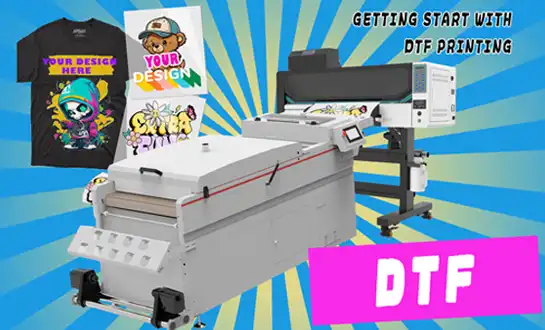
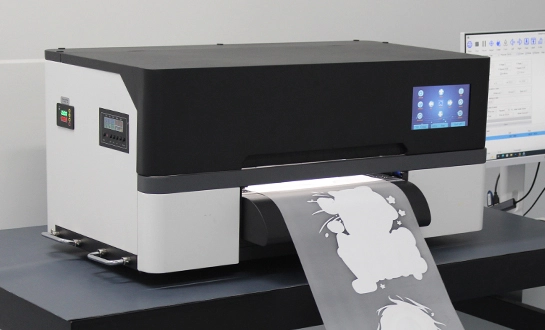
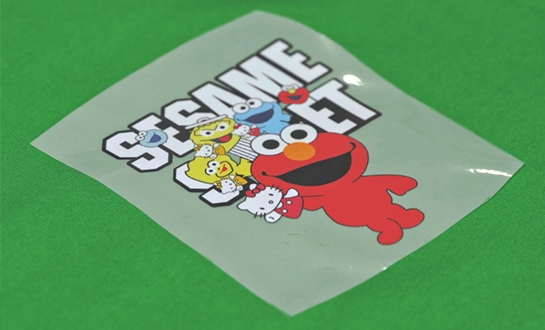
DTF printing is a carefully planned process that starts with printing patterns on covered PET film with special aqueous colored inks. The printer puts down a layer of CMYK colors and then a thick layer of white ink to make sure that dark fabrics don't show through. A hot-melt glue powder is spread out evenly on the wet ink surface by an automatic moving unit after the printing is done. After that, the film goes into a sealing oven. Inside, controlled heat (usually 110°C to 150°C) melts the powder, joining it to the ink layer in a strong way. The printed film can be saved for months before it is used because it is ready to use once it has cooled.
Key Components and Technology
A skilled DTF system has a number of important parts that work together. Precision and speed of printing depend on the direct to film transfer printer, which is usually an Epson F1080-A1 or i3200 line. Resolutions of up to 1600 DPI are possible on high-quality units, which means they can produce photographic precision and smooth color changes. The white ink drainage system keeps the ink from setting and getting clogged, which can happen with colored inks. Built-in powder applicators make sure that the glue is spread evenly, and exact temperature-controlled ovens make sure that the curing process goes smoothly. The quality of the film is very important. Premium PET films that are between 75μ and 100μ thick absorb and release ink perfectly when heated.
DTF vs. DTG and Sublimation
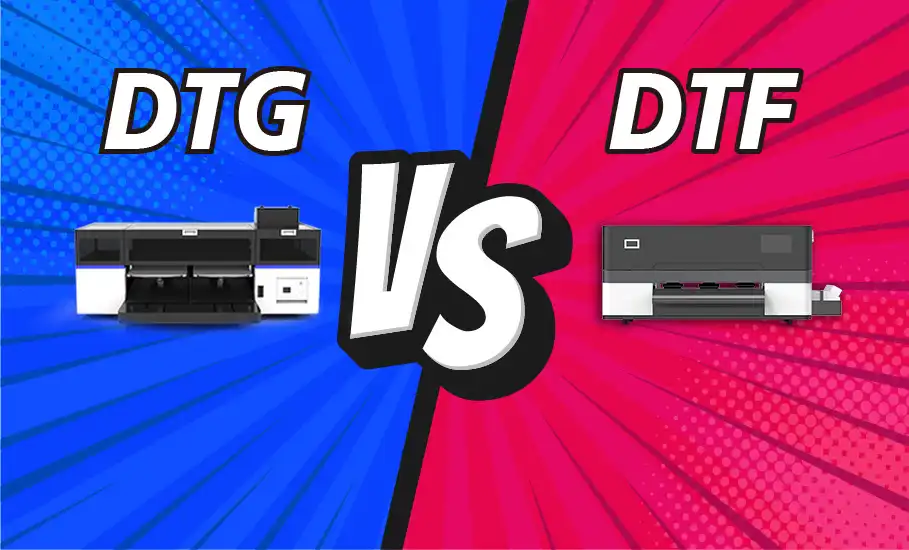
When compared to Direct to Garment (DTG) printing, which needs to be treated first and has trouble with polyester, Direct to Film (DTF) printing doesn't have these issues. Sublimation printing makes bright colors, but it can only be used on polyester or polymer-coated items. DTF, on the other hand, can be used on almost any type of cloth. Screen printing is still a cheap way to make a lot of similar items, but DTF is more flexible when it comes to making small amounts of complicated designs with many colors. The DTF perfectly fills this gap, providing both the sturdiness of screen printing and the flexibility of digital printing.
Benefits and Applications of DTF Printing for Business
Core Advantages for B2B Operations
Procurement managers and business owners who invest in a direct to film transfer printer really like the financial and operating benefits of DTF technology. With print-on-demand, you don't have to worry about having too much product because you only print what buyers order. This cuts down on waste and storage costs. The technology works great for all batch sizes, so it's still profitable to print a few tests or hundreds of the same transfer. If there are no minimum order quantities, you can accept different customer requests without losing money.
Here are some of the best things about this technology:
- Cost-effectiveness: It costs less per unit than standard ways, especially for orders of 10 to 500 pieces, where setting up a screen printer would be too expensive.
- Material Versatility: It moves well onto cotton, polyester, nylon, canvas, blended fabrics, and treated leather without needing to be changed for each medium.
- Space and energy savings: Small desktop models are perfect for workshops with limited space, and they produce high-quality images while using a lot less power than large-format machines.
- Minimal Maintenance: New systems have self-cleaning features and white ink movement systems that work automatically, which cuts down on downtime and the need for expert help.
- Better Color Reproduction: High-density white ink and a wide color range make it possible to print bright colors on dark clothes that last a long time (Grade 4 or better in AATCC tests).
These benefits solve problems that resellers, wholesalers, and printing companies have every day: equipment such as the direct to film transfer printer that doesn't work as expected, high maintenance costs, and an inability to make a profit on small custom orders.
Real-World Applications
DTF technology works well for a wide range of market groups. Clothing companies use it for trendy clothes that need complicated artwork and quick turn-around. Transfers are used by promotional product companies on tote bags, caps, and other unique items when other ways don't work. Sports teams like how long-lasting moisture-wicking synthetic shirts are. Home textile businesses put complicated designs on things like curtains and pillows. Safety vests and outfits made by industrial workwear providers can be washed in business facilities. The technology can even be used to customize shoes and decorate accessories, showing how well it can be used in a wide range of industries.
Maintenance Best Practices
For tools to last as long as possible, a direct to film transfer printer needs to be cared for consistently. Clean the printer every day to keep ink from building up and clogging it. White ink system cleaning once a week keeps the flow steady. Color precision is checked once a month with adjustment checks. To keep the coating from wearing off, store pictures in places with controlled temperature. To keep the connection strong, keep the glue powder dry and sealed. These habits cut down on emergency fixes and add years to the useful life of your equipment, saving your investment.
Direct to Film Printers vs Other Printing Methods – A Comparative Analysis
Performance Comparison
When people make decisions about printing technologies, they have to look at more than one efficiency factor. Screen printing gives big runs of identical prints the best durability and color accuracy, but it costs a lot to set up and needs skilled workers. Heat transfer vinyl (HTV) works well for simple patterns, but it is hard to work with for detailed ones because it needs to be weeded by hand. DTG has about the same level of detail as DTF, but it needs expensive chemicals to be pretreated and doesn't work well on polyester. Sublimation can only make picture quality on light polyester surfaces. DTF is the best option for a wide range of business models because it combines high detail, fabric flexibility, and low cost across a range of production numbers.
Speed and Throughput Considerations
The speed of production changes a lot between ways. Once the setup is done, screen printing works great for large orders of similar items. DTF machines like the FEDAR FD-D300 can print 20 A4 pages an hour with a single head, and the FD-D302 with two heads can print 62 A4 pages an hour. These speeds allow for sample production, small-run delivery, and medium-volume contracts without making the cost of labor too high. With the print-and-store feature, copies can be made during off-peak hours so they can be pressed the next day, which makes the process more efficient.
Investment and Operating Costs
Direct to film transfer printer systems come with a range of starter kits, from easy-to-use personal computers to large industrial models with a lot of space. The costs of running a business include ink, film, binding powder, and power for the heat press. Screen printing has high setup costs but low unit costs, while DTG has middling setup costs but higher supply costs. When sales are between 5 and 500 pieces, DTF's setup-free process and material efficiency work best, which is when they make the most money.
How to Choose and Procure Your Direct to Film Printer
Critical Selection Criteria
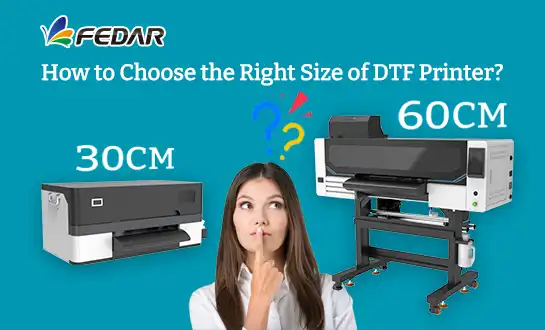
When choosing a direct to film transfer printer, you have to weigh a lot of technical details against working needs. The beauty of the details depends on the print resolution. For most business needs, 1600 DPI is fine, but better resolutions are best for high-end projects. The largest design that can be printed is limited by the print width. Most 300mm printers can easily handle most clothing images. The number of printheads has a direct effect on production speed. For example, the FD-D302 has two printheads, which means it can produce three times as much as a single-head type. Ink compatibility affects both color accuracy and cost. To avoid being locked into a single seller, make sure that the printer can work with third-party ink supplies.
Evaluating Fedar DTF Solutions
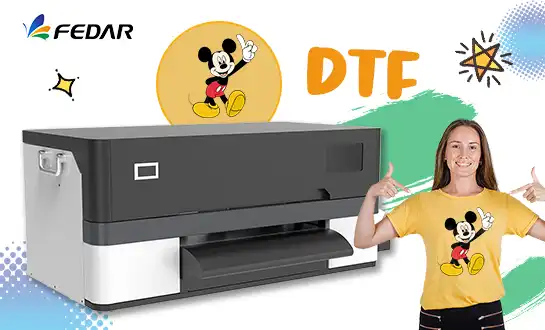
The FEDAR FD-D300 and FD-D302 types show how careful engineering can meet real business needs. Both use Epson F1080-A1 printheads, which are known for working reliably and having a lot of spare parts available. The 300mm print area can be used for patterns on everything from baby clothes to XXL shirts for adults. The CMYK plus high-density White ink combination makes sure that dark fabrics don't show through. The FD-D300 can print 20 A4 pages per hour, which is good for new businesses and sample makers who have never used a printer before. As operations grow, the FD-D302's 62-page-per-hour output helps, keeping industrial quality in a small PC size.
The idea of "low-cost entry, high profit margin" is reflected in these models. With print-on-demand, there are no minimum sales, which lowers the financial risk for new businesses. Compared to large-format options, the small design takes up less room and uses less energy. Less complicated maintenance schedules cut down on downtime, so you can focus on production instead of fixes.
Supplier Evaluation and After-Sales Support
Picking a maker is more than just looking at the equipment's specs. The credentials of the factory are very important. For example, Fedar runs a 400-person plant that focuses on original research and development and strict quality control. This level of production knowledge makes sure that the quality of the parts is always the same and that the designs are improved based on comments from real customers. Stable supply lines for important parts like printheads and processors keep output from stopping for no reason.
The ability to provide after-sales help affects long-term satisfaction. Technical teams that are quick to respond to problems keep customers trusting you and keep you from losing money when a direct to film transfer printer breaks down. Operators can get the most out of their machines and avoid common problems by going through thorough training programs. Marketing support tools help distributors get end users to buy. For foreign agreements to work, spare parts must be easy to get, and cross-border logistics must be supported. These service aspects often set truly reliable sellers apart from those who just sell tools.
Future Trends and Innovations in Direct to Film Printing
Emerging Technology Developments
There are a number of ways that DTF printing is still changing. Water-based paints that are better for the earth and don't lose performance are becoming more popular on the market. Integration of automation systems, such as those that load, cut, and press film automatically, lowers the need for workers. Industry 4.0 connectivity makes it possible to watch from afar, get tips for preventative maintenance, and analyze production. Better powder mixes make them last longer after being washed and lower the temperature needed for application, which makes more substrates suitable.
Market Growth and Adoption
E-commerce growth and customer demand for customized goods are pushing cloth decoration markets around the world to quickly adopt direct to film transfer printer technology. DTF is being used more and more in the promotional goods business for short-run orders with a lot of variation. Fashion brands use it to make limited-edition items and quickly test new designs. This rising use opens up chances for companies that sell and service printing tools to reach new groups of customers.
Strategic Positioning for Procurement Professionals
To stay competitive, you need to be able to predict changes in technology. Teams in charge of buying things should give extra weight to devices that can have their code updated so that they work with new ink chemicals and workflow software. By building partnerships with manufacturers that are dedicated to ongoing research and development, you can get new products as they become available. As technologies improve, production quality stays high by keeping operators skilled through ongoing training. These smart investments put businesses in a position to take advantage of increased speed and a competitive edge.
Conclusion
The direct to film transfer printer plays a key role in Direct to Film printing, which is a real paradigm change in textile design. It gives producers more options, better quality, and more affordable production options than ever before. Businesses can make smart investments that lead to growth and profit by understanding the technology, how it can be used, and how to buy it. From new studios to factories that have been around for a while, DTF provides industrial-quality results in systems that are easy to use, take up little room, and can adapt to changing market needs.
FAQ
What fabrics work with DTF printing?
DTF can easily transfer bond to cotton, polyester, nylon, canvas, mixed materials, and leather that has been treated. DTF can work with almost any type of fabric, unlike sublimation (which only works with polyester) or DTG (which has trouble with polyester). The white print layer makes dark materials opaque while still letting the material bend and breathe.
How do I prevent printhead clogging?
Modern direct to film transfer printers have automatic white ink movement that keeps the color from sticking. Regular flow is kept up by cleaning the printer every day and emptying it once a week. Clogs happen much less often when equipment is properly powered and good inks are used.
Is DTF cost-effective for bulk orders compared to screen printing?
Due to lower prices per unit, screen printing is still the most cost-effective option for sales of more than 500 identical items. DTF is more cost-effective for runs of 10 to 500 pieces, when the costs of setting up a screen become too high. The break-even point is based on how complicated the design is and how many colors are used.
What is the shelf life of printed DTF transfers?
Quality DTF copies can be kept for 6 to 12 months before they need to be heat-pressed, as long as they are kept cool and dry and out of the sun. When stored correctly, adhesives and inks don't break down and fade, which lets you make more goods during slow times.
Partner with a Trusted Direct to Film Transfer Printer Manufacturer
To improve your cloth decoration skills, you should first choose reliable tools that come with full support. Fedar's 400-person factory focuses on original research and development and making DTF systems for cloth, signage, and advertising businesses around the world. Our FD-D300 and FD-D302 types produce high-quality output at a PC level, so businesses can start making money with little or no experience. Competitive price keeps profit margins high, and a steady supply of parts keeps production going. Our expert support team takes care of installation, troubleshooting, and upkeep needs, so you can keep your relationships with your customers. Distributors, wholesalers, and direct buyers can all work together with flexible methods. Find out how working with a skilled direct to film transfer printer seller can change the way you make things and how competitive you are in the market. Email our team at info@tex-printer.com for full details, sample prints, and partnership options that fit the needs of your business.
References
1. Smith, J., & Anderson, R. (2023). Digital Textile Printing Technologies: A Comprehensive Industry Analysis. Textile Research Journal, 45(3), 287-304.
2. International Textile Manufacturers Federation. (2024). Global Trends in Garment Decoration and Digital Printing Adoption. ITMF Annual Report.
3. Chen, L., Martinez, P., & Wong, K. (2023). Comparative Performance Study of Direct-to-Film vs. Direct-to-Garment Printing Methods. Journal of Applied Polymer Science, 140(12), e53421.
4. European Textile Printing Association. (2024). Technical Standards and Best Practices for DTF Transfer Production. ETPA Technical Bulletin 2024-02.
5. Roberts, M. (2023). The Economics of Small-Batch Custom Apparel Manufacturing. Business of Fashion Publishing.
6. Global Printing Technology Institute. (2024). Emerging Innovations in Digital Transfer Printing: Market Forecast 2024-2030. GPTI Industry White Paper Series.

Aelx Chen
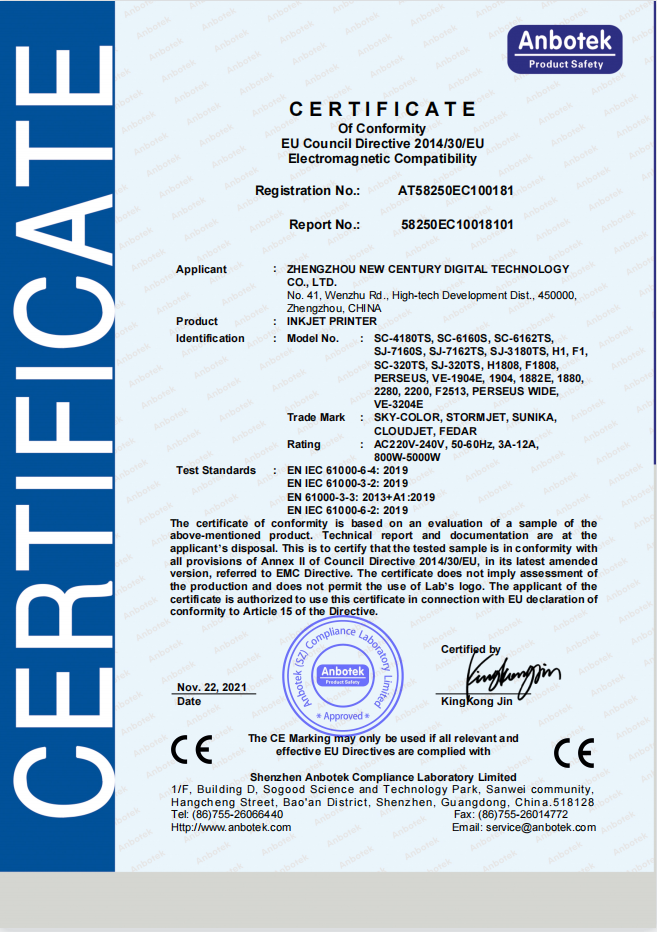
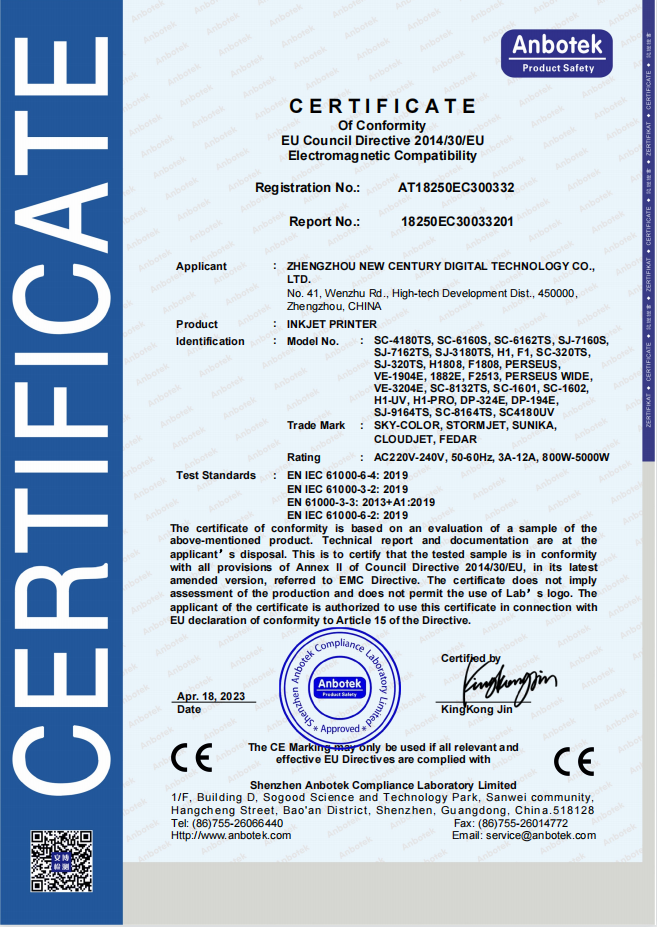
Alex Chen has accumulated extensive R&D and industrialization experience in the digital textile printing field, focusing on the innovation and optimization of digital printing equipment, direct-to-garment (DG) processes, and application solutions. He led the independent R&D and mass production of the company's core textile printing machines and DG printers, promoting their application in the textile, advertising, home furnishing, and personalized customization markets. The equipment he led has passed ISO9000 and CE certifications, earning the trust of a wide range of customers. He continuously provides customers with professional technical support and industry trend analysis, contributing to the upgrading and efficiency improvement of the digital printing industry.
We Look Forward to Your Email
Please send us product information that interests you, and we will provide you with one-on-one service.
_1778203196111.png)
Recommended Blog
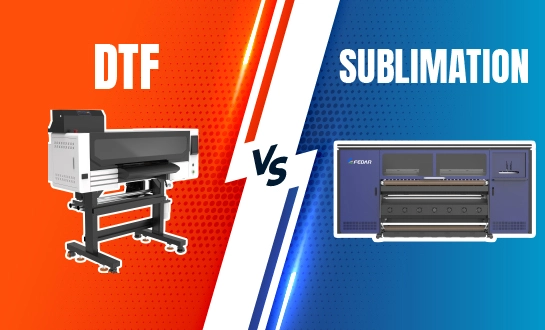
Comparision Between Direct-to-Film (DTF) Printing & Sublimation Printing
DTG vs DTF Printing:The Pros and Cons of Direct Printing Technologies.
What Is dye sublimation printer sublimation transfer printer: A Complete Guide