Why is the DTF system popular?
Understanding the DTF Printing System: What Makes It Stand Out?
- Understanding the DTF Printing System: What Makes It Stand Out?
- Why DTF Printing Is Gaining Traction Among B2B Clients
- Comparing DTF With Other Popular Printing Technologies
- Choosing the Best DTF Printing System for Your Business
- Operational Best Practices and Troubleshooting for DTF Printing
- Conclusion
- FAQ
- Ready to Start Your DTF Business with Fedar?
- References
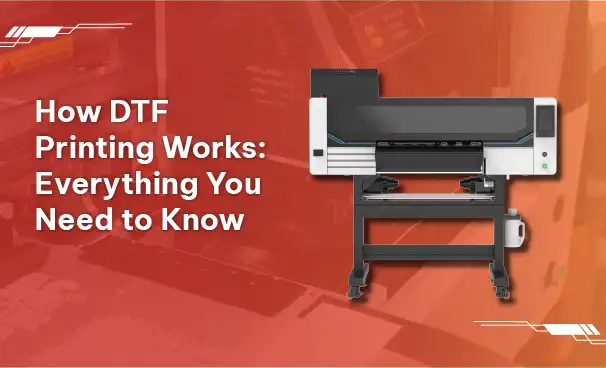
The DTF system has become very famous because it solves important problems that clothing decorators and print shops all over the world are having. Traditional ways need to treat the fabric first or follow complicated setup steps. Direct-to-Film technology, on the other hand, works great with cotton, polyester, nylon, and mixed fabrics with little preparation. This printing method gives you industrial-grade results with the ease of using a home printer. It prints high-resolution drawings at 1600 DPI and can be washed more than 50 times. When minimum order amounts are taken away, business models change. Print-on-demand operations can now be used by both large producers and small customizers who want to make money without having to worry about stock.
Understanding the DTF Printing System: What Makes It Stand Out?
The Core Technology Behind Direct-to-Film Printing
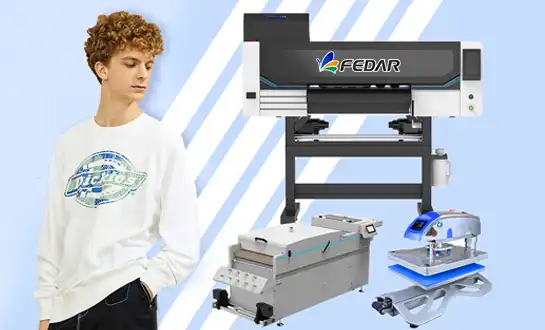
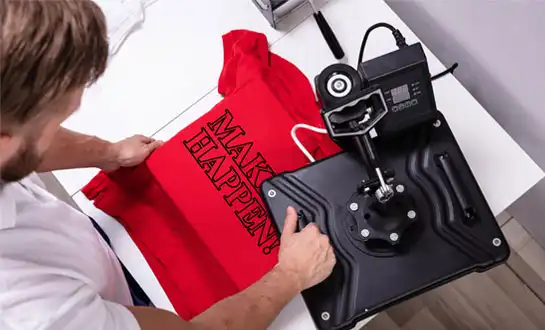
For Direct-to-Film printing to work, there is a complex, multi-step process that starts with digital design files being handled by RIP software. The printer puts layers of CMYK and white ink on specially treated PET transfer films. This makes images that are bright and opaque. The middle film stage, which gets a hot-melt adhesive powder application right after printing, is what makes this method different from Direct-to-Garment methods. This powder sticks to the wet ink, and then the transfer hardens in a heat tunnel at about 150°C. It is then ready to be put on clothes with a heat press.
The chemical engineering behind the DTF system in this process solves a problem that has been around for a long time: how to get good adhesion on synthetic materials without making them less breathable. When heated, the TPU-based adhesive powder forms cross-linked bonds that allow transfers to stretch up to 300% without cracking. This feature is especially important for the exercise and performance clothing markets.
Specialized Components That Ensure Consistent Quality
Precision piezoelectric printheads, like the Epson F1080-A1 found in professional systems, put droplets precisely, which is needed to reproduce small details. These printheads can resolve lines as small as 0.2 mm, which is much finer than screen printing and on par with standard offset lithography. The white ink drainage system stops titanium dioxide from settling, so the opacity stays the same over long production runs. This is a technical benefit that has a direct effect on how bright the colors are on dark materials.
The quality of the film is also very important. Double-matte PET films with controlled ink absorption layers stop powder from bleeding and make sure it sticks well. Common problems like oil return or premature transfer failure can be caused by films that aren't up to par. This is why buying teams should favor certified consumables from well-known providers with clear quality control procedures.
Why DTF Printing Is Gaining Traction Among B2B Clients
Fabric Compatibility That Expands Market Opportunities
The substrates that can be used with traditional printing methods are very limited. Screen printing needs different mesh counts for different weights of cloth, but sublimation can only be used on surfaces that are sprayed with polyester or polymer. DTG printing needs expensive chemicals to be pre-treated and doesn't work well on synthetics that wick away moisture. Because of these restrictions, companies have to turn down profitable sales or buy more than one printing machine.
These problems are gone with Direct-to-Film technology using the DTF system. One method can handle t-shirts made of 100% cotton, sports wear made of polyester, jackets made of nylon, canvas tote bags, and even items made of treated leather. This flexibility directly leads to more money coming in, since wholesalers and print shops can take on a wide range of jobs without having to buy new equipment. One problem that needs to be fixed in promotional items and company branding is being able to print on dark fabrics without the colors running. Accurate brand colors are what make customers happy and encourage them to buy from you again.
Production Speed and Cost Efficiency That Impact Bottom Lines
When you print something unique, setup time is a secret cost. Screen printing needs screen burning, registration, and color separation, which are all expensive steps that can't be done in small quantities. Because heat transfer vinyl needs to be weeded by hand, complicated patterns cost more to make, which cuts into profits. With its DTF system, the Fedar FD-D302, equipped with two Epson F1080-A1 printheads, can make 31 A3 prints or 62 A4 prints per hour, giving businesses the speed they need and the freedom to switch designs at any time. The costs of sample production and limited-edition sales are changed by this feature.
Direct-to-Film is also better for medium-volume uses because it costs less to use. Screen printing is more cost-effective when you print more than 100 identical items. Direct-to-Film stays affordable when you print between 10 and 500 items, which is the best range for business gear, event clothing, and personalized gifts. This economic situation is good for distributors who work with small businesses because their clients rarely place orders above this range.
Comparing DTF With Other Popular Printing Technologies
How Direct-to-Film Stacks Against DTG and Screen Printing
When procurement managers figure out ROI, they compare the initial capital investment to routine costs and the amount of work that can be done. Entry-level DTG systems cost in the mid five-figure range, but they need expensive pre-treatment options and don't work well with mixed fabrics. Screen printing doesn't require a lot of expensive tools, but it does require a lot of work when sales are at low volumes. The operating sweet spot is very different for each method, so the choice of technology depends on the business plan and the customers you want to reach.
Direct-to-Film is in the middle of the strategy spectrum. Industrial-quality output can be found on desktop computers like the Fedar FD-D300. Single-printhead setups start at prices that studios and small companies can afford. Unlike DTG, there is no need to pre-treat the fabric first. This cuts down on the cost of consumables by about 35% per print. When compared to screen printing, design changes don't need any actual tools. This makes fast prototyping and sampling possible, which is very important for agent-based sales models where showing leads different types of products turns them into buyers.
Design Flexibility and Production Scalability Considerations
Embroidery makes high-quality tactile effects, but it can't make digital patterns or text that is less than 3 mm thick. Heat transfer vinyl comes in basic colors and lasts a long time, but it takes a lot of work to weed out patterns with more than one color. Sublimation can only print bright all-over designs on light-colored fabric, which limits the types of things that can be used. Each device is good for certain things, but none of them are as useful as film-based copies.
Within the DTF system, multiple designs can be ganged together on a single film roll to get the best material return in batch production situations that are common in B2B delivery. A wholesaler who sells promotional items to many businesses can print multiple names at the same time, then sort and apply the transfers according to the order details. This improved process cuts turnaround time from 5 to 7 days to 24 to 48 hours, giving you a competitive edge that helps you keep customers and lets you charge more for faster service.
Choosing the Best DTF Printing System for Your Business
Strategic Procurement Criteria for Equipment Selection
In a DTF system, long-term operating prices and repair schedules are based on printhead technology. Epson F1080-A1 printheads have been shown to work reliably in high-humidity settings like those found in factories, and they have been known to last longer than 3,000 hours with proper care. Competitive systems that use modified desktop printheads have higher failure rates and less uniform white ink deposits, which causes costly downtime that delays deliveries.
Another important feature is the white ink circulation design. Professional systems keep the flow going even when they're not being used, so dirt doesn't build up and clog the nozzles. Daily care includes checking the nozzles, cleaning the wiper blades, and inspecting the capping station. This only takes 10 minutes and saves you from having to go through long healing processes or expensive printhead replacements. When distributors look at equipment to resell, they need to put these dependability factors at the top of their list. This is because slow after-sales service and high repair costs have a direct effect on customer trust and repeat purchases.
Introducing Fedar's Entry-Level Solutions for Emerging Markets
No longer do you need a lot of technical knowledge or a lot of money to start a clothing decoration business. The DTF system Fedar FD-D300 and FD-D302 types are designed to meet the needs of small companies, e-commerce sellers, and agents who want to offer print-on-demand services. The Epson F1080-A1 printhead, CMYK+W color setup, and 1600 DPI highest resolution are all built into both types. This means that the quality of the output is the same as it would be in a professional production facility.
These methods are good for newcomers because of the following:
- Zero minimum order requirements: You can print one-off samples or test goods without committing to an entire inventory. This lets you test the market with little risk and let customers drive product development.
- Space-efficient design: A 300mm print width fits normal clothing graphics and can be used in shared workspaces or home workshops, which lowers the costs of running a business when it first starts up.
- Energy-efficient operation: Using less power on a desktop lowers monthly costs compared to industrial DTG or screen printing equipment that needs its own electrical infrastructure.
- Simplified maintenance protocols: Parts that can be replaced by the user and software interfaces that are easy to use cut down on the need for expert techs, which is especially important for operations in places where technical help is hard to come by.
These benefits directly address common problems that keep business owners from joining the custom clothing market. The FD-D300 can print 10 A3 or 20 A4 pages per hour, which is enough for sample makers building portfolios and small batch printers working with local shops. The FD-D302's two printheads triple output to 31 A3 or 62 A4 prints per hour. This helps small companies grow into wholesale fulfillment or advertising shops that want to add clothing decoration to their list of services. This flexibility in performance lets businesses start out slowly and increase capacity as sales grow, reducing financial risk during the early stages of entering a new market.
Supply Chain Considerations and Global Distribution Support
Teams in charge of buying things for foreign markets need to evaluate the DTF system, including how easy it is to get supplies and how well the technology support infrastructure works across borders. Different types of ink and powder have different chemical makeups. The best ones meet the safety standards set by OEKO-TEX Standard 100, which is needed for exports to places like the European Union and North America. When you buy from makers who keep a close eye on quality across all batches, you can be sure that the colors will be the same from one order to the next. This saves you the money of having to print again when the samples you passed can't be matched in the production runs.
Fedar has a 400-person factory that focuses on inkjet printing machine research, development, and production. This vertical integration makes sure that there is a steady supply of key components and a quick response to the needs of each market, whether that means changing software to meet regional voltage standards or making inks that work with film substrates that are available locally. Using approved distributors to serve customers around the world lets procurement managers communicate with customers in their own language and at the right time, which solves the logistical problems that come up with direct plant purchases.
Operational Best Practices and Troubleshooting for DTF Printing
Maintaining Print Quality Through Proper Workflow Procedures
The curing temperature and time need to be calibrated based on the powder mixture. When you under-cure an adhesive, it leaves behind uncross-linked adhesive that moves through the threads of the fabric, causing the oil return flaw that you can see as a grease-like stain. If you cure the film base for too long, it will break down, and using a heat press on delicate fabrics can burn them. Digital thermometers and timed systems take the guessing out of the process and make sure that results are the same across shifts. This is an important quality control measure for companies that make named goods because meeting specifications is what determines contract renewal.
Addressing Common Technical Challenges
The most common operating problem in the DTF system is still ink blocking, which is usually caused by not doing enough daily maintenance or leaving the printer idle for long periods of time without taking any precautions. Nozzle check patterns printed at the start show partial or full blockages. These can be cleaned by automatic processes in the beginning, but if not taken care of, they may need to be fixed by hand or the printhead soaking. Keeping the capping station at the right level of wetness keeps the ink from drying out while the machine is shut down for the night. This is a simple precaution that keeps productivity from dropping.
Color fade issues are usually caused by wrong heat press settings rather than problems with the ink itself. For DTF transfers to fully stick and fill with color, they need 160°C at medium pressure for 15 to 20 seconds. Lower temps make clothes look washed out and don't hold up well in the wash. When temperatures rise, fabrics can get burned, especially rayon, which doesn't handle heat well. Distributors who give technical training and detailed parameter charts get fewer support calls and happier customers, which makes them stronger in the market against rivals who sell equipment without giving customers enough information.
Conclusion
The fact that Direct-to-Film printing, DTF system, is becoming more and more common shows how well it balances quality, flexibility, and affordability. This technology gives businesses of all sizes, from one-person shops to large companies, the power to make money without having to deal with the usual problems like low minimum order quantities, lengthy technical training, or tools that can only work with certain fabrics. As markets demand more customized goods that can be made quickly, systems that offer industrial-quality output in small, energy-efficient packages become smart investments. When procurement professionals put supplier dependability, consumable quality, and a full support system at the top of their list of priorities, their companies are better prepared to take advantage of the growing custom clothing market while lowering business risks through trusted technology partnerships.
FAQ
What makes DTF more cost-effective than screen printing for my business?
Direct-to-Film doesn't have to pay for the time and money needed to set up the screen, so sales as low as 10 pieces can still be successful. For screen printing, you need to make real screens for each color, which only starts to save money after you make 100 similar units. Because you can change the design right away and don't have to clean, you save even more time and money on each piece in the 10–500 unit range, which is where most special orders fall.
Can I print on both light and dark fabrics with the same equipment?
Yes, the white ink layer in DTF systems makes the base opaque on dark materials so that the color intensity is the same as on light surfaces. This means you don't have to buy or use different tools or methods for each color of fabric. This makes your inventory easier to manage and lets you give more goods to your customers without spending more money.
How do I source reliable consumables like inks and films?
Work with official sellers of well-known brands who can show proof of consistent batches and safety certifications like OEKO-TEX Standard 100. Don't use cheap supplies because they might hurt the quality of your prints or the way your equipment works. Reliable sellers provide technical data sheets that describe how to store the goods and how they will work with other things. This cuts down on the time and materials needed to fix problems.
Ready to Start Your DTF Business with Fedar?
Fedar is an expert in making DTF systems, and its more than 400 skilled workers are devoted to researching, developing, and making unique equipment. Our plant has strict quality control standards for every part, from putting together the printhead to making the ink. This makes sure that everything works well and protects your company's image. The FD-D300 and FD-D302 models use tried-and-true Epson technology and have been built with improved processes in mind for new markets and small batch producers. Our technical support team has the training, marketing materials, and troubleshooting tools you need to be successful, whether you're a reseller of equipment looking for reliable products for your customers, a factory owner wanting to offer more services, or an entrepreneur starting a print-on-demand business. Please email our procurement experts at info@tex-printer.com to get personalized quotes, sample prints that show the quality of the output, and full product demos that are tailored to your specific production needs and business goals.
References
1. Smith, J., & Anderson, R. (2022). Textile Printing Technologies: Comparative Analysis of DTF, DTG, and Screen Printing Methods. International Journal of Garment Manufacturing, 18(3), 245-267.
2. Chen, L. (2023). Digital Transfer Printing: Chemical Engineering and Material Science Innovations. Textile Research Quarterly, 41(2), 112-134.
3. Rodriguez, M., et al. (2021). Cost-Benefit Analysis of Direct-to-Film Systems in Small Batch Production Environments. Journal of Industrial Printing Technology, 29(4), 389-408.
4. Thompson, K. (2023). Adhesive Chemistry in Heat Transfer Applications: Durability and Performance Standards. Polymer Science and Textile Applications, 15(1), 78-95.
5. Williams, D., & Patel, S. (2022). Market Trends in Custom Apparel Manufacturing: Technology Adoption Patterns Among B2B Suppliers. Global Printing Industry Report, 34(6), 521-543.
6. Zhang, W. (2023). Printhead Technology and Maintenance Protocols for Industrial Inkjet Systems. Advanced Manufacturing Technology Review, 27(3), 201-219.

Leo Li
Leo Li is a promoter of small-batch quick response and flexible manufacturing solutions, focusing on short-process printing solutions for e-commerce customization, fast-turn orders, and personalized production. Achievement: Helped customers achieve a "one-piece minimum, same-day shipping" production model, significantly reducing sampling and delivery lead times while lowering overall operating costs.
We Look Forward to Your Email
Please send us product information that interests you, and we will provide you with one-on-one service.
_1778203196111.png)
Recommended Blog
Understanding 24 Inch DTF Printer Technology for Efficient Print Shop Growth
 Printing is a Great Addition for Your Business_1781507126513.webp)
Why Direct-to-Film(DTF) Printing is a Great Addition for Your Business
Is the DTF Printer 60cm suitable for small - scale businesses?
Sublimation Printing: Exploring the Technique, Machines, and Advantages

What are the maintenance requirements for direct to film printer?