PET Film Printing Explained Materials Process Benefits Guide
What Is a PET Film Printer and What Does It Actually Do?
- What Is a PET Film Printer and What Does It Actually Do?
- Understanding PET Film Printing Technology
- Benefits and Applications of PET Film Printing
- How to Choose the Right PET Film Printer for Your Business
- PET Film Printer Maintenance and Troubleshooting Guide
- Market Trends and Future Outlook for PET Film Printing
- Conclusion
- FAQ
- Start Sourcing a Reliable PET Film Printer Partner
- References
A PET film printer uses CMYK and white pigment ink to print on polyester transfer film. This film is then put through a powder-and-heat process that forever bonds the image to the cloth. Direct to Film (DTF) printing is a part of the digital textile market that has grown into a multi-billion-dollar industry. It can print on almost any type of fabric and doesn't cost as much to set up as screen printing. This guide breaks down the materials used, walks you through the whole production process, and explains why buyers and agents in the clothing, sign, and gift customization industries are adding this equipment to their collections.
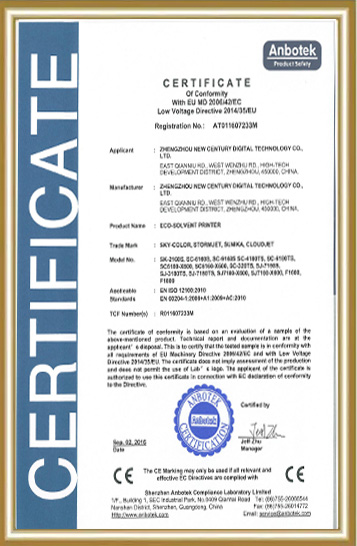
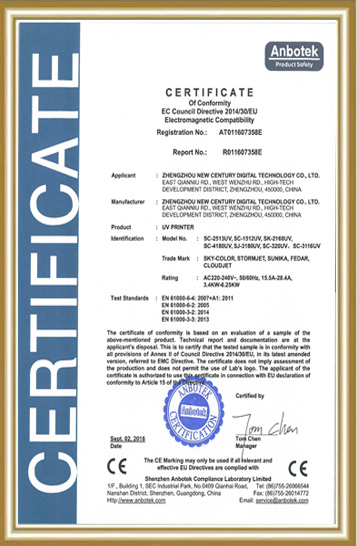
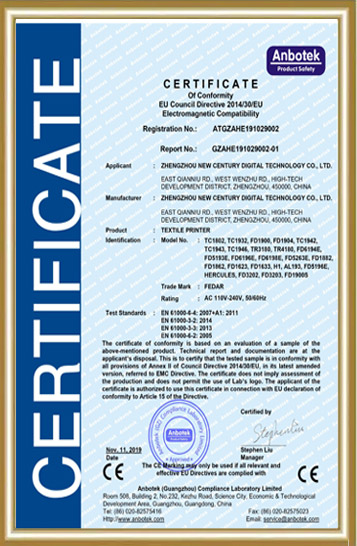
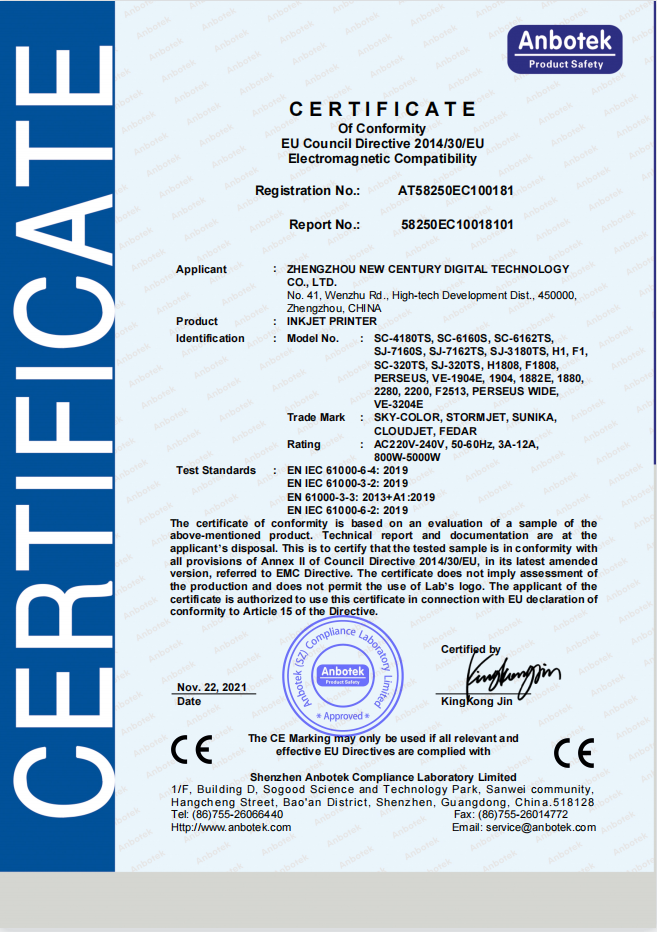
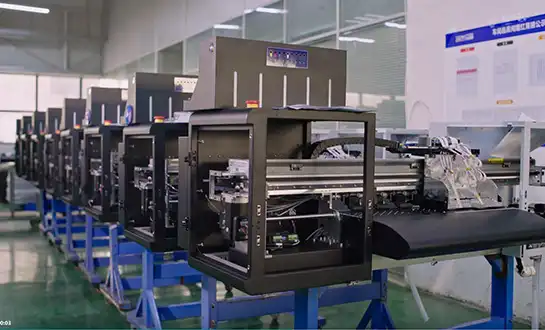
It costs money and time to choose the wrong equipment or supplier. Fedar's PET film printers, like the FD-D300 and FD-D302, are made in a factory with 400 workers that was designed to produce high-quality work every time. If agents or studio owners have questions about sources, they can email the team at info@tex-printer.com before reading on.
What Is a PET Film Printer and What Does It Actually Do?
PET film printers are special kinds of inkjet printers that use polyester (PET) film instead of fabric to print with CMYK color ink and a white underbase ink. The printed film is used as a transfer medium. It is pressed onto a clothing or textile surface after being dusted with sticky powder and letting it dry. The pattern then comes off the film and sticks to the fibers.
Direct to Garment (DTG) printing, on the other hand, sprays ink right onto cloth fibers. Because DTF works in a roundabout way, the same printed film can stick to cotton, polyester, nylon, and mixed fabrics in the same way. DTG, on the other hand, has trouble with darker or synthetic materials.
Understanding PET Film Printing Technology
What materials make up a complete PET film printing setup?
To make a PET film printer that works, you need five things: PET film, DTF pigment ink in CMYK plus white, sticky powder, RIP software for managing colors and adding white ink layers, and a heat press for the last step of transfer. Each part has a different effect on the end print quality, so if you replace a lower-quality part anywhere in that chain, it will show up in the finished clothing.
Two main types of film on the market are cold peel film and hot peel film. According to Grand View Research, cold peel film had the biggest part of the market in 2024. This is mostly because it can be used on more types of fabrics without cracking when heated up [1]. Studios that carry both types can match film to fabric based on each order, so they don't have to use the same film for all jobs.
How does the white ink layer work, and why does it matter?
Depending on how the RIP software is set up, white ink is written either on top of or below the CMYK colors to make them less visible. If you didn't have it, colors printed on clear or lightly colored film would look washed out or see-through when they were pressed onto dark cloth.
Titanium dioxide particles in white ink are heavier than CMYK pigment particles, so they move more quickly through the lines of ink. If your PET film printer doesn't have built-in white ink circulation, you'll have to shake or stir it by hand several times during your shift, which is a lot of care that can add up quickly in busy studios.
What role does printhead technology play in output quality?
The resolution of the printhead determines how sharp the fine text, gradients, and small logo details are on the final copy. For example, PET film printers with the Epson F1080-A1 printhead can handle resolutions of up to 1600 DPI, which means that even when printing on small sheets of paper, which is common when customizing gifts, artwork with lots of small details stays clear.
Throughput is also affected by the number of printheads. With a single printhead, the ink is processed one pass at a time. With two printheads, the work is split, and depending on the color complexity, the output speed is roughly doubled or tripled.
Benefits and Applications of PET Film Printing
Why are studios and factories switching to this method?
Businesses that look at a PET film printer always find three benefits: it's cheaper to get started than screen printing, there's no minimum order quantity, and it can print on a lot of different types of fabric. In 2024, the global direct-to-film printing market was worth about USD 2.72 billion. It's expected to reach USD 3.92 billion by 2030, growing at a rate of 6% per year, mostly because more people want to buy customized clothing on demand [2].
This means that small studios and sample makers who have never printed before can get started with garment printing at a really low cost and still make money on each order. With print-on-demand production, you don't have to worry about having extra stock that isn't sold, and desktop-format machines are cheaper to run, use less energy, and require less upkeep than industrial screen printing lines.
What real-world use cases show the strongest fit?
In the fields that bots usually work in, there are three use cases that stand out:
- Textile and clothing printing companies use DTF for one-off and short-run orders because the setup costs for screen printing would make it too expensive to do small amounts. It only takes three to five minutes for a single transfer to go from print to finished clothing, which means that studios can handle rush orders the same day.
- Gift customizers and online sellers depend on DTF's ability to handle single-item personalized orders profitably, which is something that screen printing can't do at that volume.
- Printers that make advertising signs and boxes use PET film transfers for smaller branded textile jobs, like event posters or promotional clothing, where quick turn-around time is more important than large-scale production.
How does DTF compare to screen printing and DTG on cost and flexibility?
DTF printing on PET film is better than screen printing and DTG in a number of ways that are important to both small companies and factories:
| Factor | DTF (PET Film Printing) | Screen Printing | DTG |
|---|---|---|---|
| Minimum order quantity | None required | Often 12+ units per design | None required |
| Setup cost per design | Low | High (screen creation per color) | Low |
| Fabric compatibility | Cotton, polyester, blends | Best on cotton | Primarily cotton |
| Dark fabric handling | Strong (white underbase) | Strong | Requires pretreatment |
| Production speed per unit | 3-5 minutes | Fast once screens are set | Moderate |
How to Choose the Right PET Film Printer for Your Business
What should agents check before recommending equipment to end customers?
Agents need three things before they can confidently sell a PET film printer manufacturer's equipment to end customers: documented factory qualifications, reproducible sample quality, and clear after-sales terms. Unstable sample quality is one of the most common reasons agents report struggling to convert prospects into paying customers, since a shaky first impression rarely gets a second chance.
A 400-person factory specializing in original R&D and production with strict quality control gives agents a concrete, verifiable answer when procurement managers ask about the PET film printer's manufacturing consistency. Factories that stay deeply rooted in the inkjet printer market, rather than treating DTF as a side product, tend to have more stable core component supply chains too.
How do I match printhead configuration to my order volume?
Match capacity to actual, not aspirational, order volume. As a reference point, the single-printhead FEDAR FD-D300 PET film printer runs at roughly 10 A3 sheets per hour on CMYK settings, well suited to sample makers and small-batch shops. The dual-printhead FEDAR FD-D302 roughly triples that pace to around 31 A3 sheets per hour, fitting factories or agents supplying wholesale clients with tighter delivery windows.
Buying more printhead capacity than your order volume needs adds upfront cost without a matching return. Buying less than you need creates bottlenecks that push delivery dates and frustrate end customers.
What questions reveal whether a supplier can support cross-border agents?
Ask directly whether the PET film printer brand offers installation support, spare parts availability, and technical training in the agent's target region. No installation, repair, or spare parts support for cross-border business is a recurring pain point that stalls agent operations right when a customer needs help most.
A brand with a strong after-sales support team and flexible cooperation models reduces this risk substantially, since agents can point to documented regional support rather than promising help they can't guarantee.
PET Film Printer Maintenance and Troubleshooting Guide
What maintenance routine keeps a printer running reliably?
Daily printhead cleaning cycles and consistent white ink stirring prevent the pigment settling that causes banding, streaking, or clogs in a PET film printer. Machines with automated circulation built into the ink delivery path cut this maintenance workload significantly compared to models requiring manual intervention every shift.
Powder storage matters just as much as printer upkeep. Humidity causes adhesive powder to clump, which then cures unevenly and produces patchy, inconsistent adhesion on the finished transfer regardless of how well the printer itself performs.
What causes most reported print quality complaints?
Industry sources consistently point to ink and film quality variability as a leading driver of durability and adhesion problems. One market analysis notes that inconsistent ink formulations can lead to fading, cracking, or poor washability, while subpar film materials may result in peeling or weak transfers [3]. Curing temperature errors compound this further: too much heat scorches ink, too little leaves the adhesive powder tacky instead of fully melted.
Recommended curing settings typically run between 160°C and 170°C for 10 to 20 seconds, followed by a heat press stage around 150°C to 165°C for a similar duration with even, medium pressure [4]. Skipping the short second press after peeling the film is one of the most common mistakes new operators make, and it noticeably shortens wash durability.
How does local after-sales support change repair timelines?
A PET film printer supplier with regional service centers and stocked spare parts can cut repair turnaround from weeks down to days. Slow after-sales response is repeatedly cited as a top factor damaging end-customer trust, which makes this one of the clearest differentiators between competing equipment brands.
Market Trends and Future Outlook for PET Film Printing
Where is the PET film printing market headed?
Growth projections stay consistently strong across independent market analyses covering the PET film printer category. The direct-to-film printing systems market was valued at roughly USD 293 million in 2025 and is projected to reach USD 467 million by 2033, growing at a 6% compound annual rate driven by short-run customization demand and rising adoption among small-to-medium enterprises [5].
E-commerce expansion is a major driver behind this growth. Analysts note that DTF has transitioned from a niche method into a mainstream production solution, with distributors increasingly treating it as a strategic business platform rather than a single consumable product line [6].
What technology shifts should buyers watch for?
Sustainability-focused materials are gaining ground, including recyclable PET films and water-based pigment inks designed to meet tightening environmental standards in European and North American markets. Cloud connectivity and remote monitoring features are also becoming more common on mid-size and enterprise-tier machines, letting operators track maintenance needs and reduce unplanned downtime.
Compact, entry-level printers with simplified software are broadening market access for small studios and startups that previously found DTF technology too complex or expensive to adopt.
Conclusion
PET film printing has moved from a niche workaround into a mainstream production method because it solves a real problem: fast, flexible, low-minimum garment decoration across almost any fabric type. Getting consistent results depends on matching the right film, ink, and PET film printer configuration to actual order volume, then backing that equipment with a supplier who can support repairs and training across borders. For agents and factory buyers, that combination of technical fit and dependable partnership is what actually protects margins over time.
FAQ
What is the main difference between DTF and DTG printing?
DTF prints onto PET film first, then transfers to fabric via heat press, while DTG prints ink directly onto garment fibers. DTF handles a wider range of fabric types and colors more consistently, especially on dark or synthetic materials.
Do I need special ink for PET film printing?
Yes. DTF requires pigment-based ink formulated for polyester film compatibility, including a white ink channel for opacity. Standard dye-based inkjet ink won't bond correctly with adhesive powder during the curing step.
How long does adhesive powder stay usable once opened?
Properly stored powder, kept away from humidity, generally stays usable for months. Clumped or discolored powder should be discarded, since it cures unevenly and produces weak, patchy adhesion.
Can a PET film printer handle both light and dark fabrics equally well?
Yes, largely because of the white ink underbase layer built into every PET film printer, which provides opacity that lets bright, accurate colors show through even on black or navy fabric.
What's a realistic profit margin for a small DTF studio?
Margins vary by market and order size, but the combination of no minimum order requirement and relatively low per-unit material cost lets small studios price competitively while still maintaining meaningful profit per transfer.
Start Sourcing a Reliable PET Film Printer Partner
If unstable samples or slow repair turnaround have made past supplier relationships frustrating, that's a solvable problem, not a permanent cost of doing business. Fedar runs a 400-person factory built around original R&D and strict quality control, backed by a dedicated after-sales team supporting cross-border installation and parts. Whether you need a PET film printer for sale as an agent or want equipment for your own studio, reach out to info@tex-printer.com for sample kits and current distribution terms.
References
1. Grand View Research, "Direct To Film Printing Market Size | Industry Report, 2030" (2025). https://www.grandviewresearch.com/industry-analysis/direct-film-printing-market-report
2. ResearchAndMarkets via GlobeNewswire, "Direct To Film (DTF) Printing Market Analysis and Revenue Forecast 2025-2030" (2025). https://finance.yahoo.com/news/direct-film-dtf-printing-market-160600797.html
3. ResearchAndMarkets via GlobeNewswire, "Direct To Film (DTF) Printing Market Analysis and Revenue Forecast 2025-2030" (2025). https://finance.yahoo.com/news/direct-film-dtf-printing-market-160600797.html
4. DTF Print Go, "DTF film: Mastering materials, curing, and finishing" (2026). https://www.dtfprintgo.com/dtf-film-mastering-materials-curing-and-finishing/
5. Congruence Market Insights, "By 2033 Direct-to-Film (DTF) Printing Systems Market: Key Trends, Opportunities & Strategic Insights" (2025). https://www.congruencemarketinsights.com/report/direct-to-film-printing-systems-market
6. Digitech FM, "DTF Film Leads the Next Wave of Distributor Growth in 2025" (2025). https://digitechfm.com/direct-to-film-technology-dtf-print-tech-dtf-innovation/

Kevin Zhang
Kevin Zhang is a senior R&D engineer in the digital textile printing field, focusing on the innovation and industrialization of digital printing equipment, direct-to-fabric processes, and application solutions. Achievement: Led the in-house development and mass production of multiple textile printers and direct-to-garment printers, driving their large-scale adoption in textile, advertising, home decor, and customized markets.
We Look Forward to Your Email
Please send us product information that interests you, and we will provide you with one-on-one service.
_1778203196111.png)
Recommended Blog
What Is dye sublimation printer sublimation transfer printer: A Complete Guide

Understanding the 24 inch DTF Printer: Features, Benefits, and FAQs