How Does a Desktop DTF Printer Improve Apparel Printing?
Understanding Desktop DTF Printers and Their Printing Process
- Understanding Desktop DTF Printers and Their Printing Process
- Comparing Desktop DTF Printers with Traditional Apparel Printing Methods
- Optimizing Desktop DTF Printer Performance for Apparel Production
- Making Procurement Decisions: Buying Guide for Desktop DTF Printers
- Future Trends and Strategic Benefits of Desktop DTF Printing in the Apparel Industry
- Conclusion
- FAQ
- Partner with Fedar for Desktop DTF Excellence
- References
A desktop DTF printer revolutionizes apparel printing by delivering industrial-quality output in a space-saving footprint, eliminating the high entry barriers traditionally associated with textile decoration. Unlike screen printing's labor-intensive setup or Direct-to-Garment printing's fabric limitations, this compact digitized solution enables on-demand, full-color transfers onto virtually any textile through its specialized Direct-to-Film process—printing vibrant designs onto PET film with pigment inks, coating with hot-melt adhesive powder, and heat-transferring onto garments. This technology addresses critical pain points, including costly minimum order quantities, complex color separations, and prolonged turnaround times, making professional-grade customization accessible to small studios, sample makers, and medium-sized factories seeking both flexibility and profitability.
Understanding Desktop DTF Printers and Their Printing Process
What Defines a Desktop DTF Printer
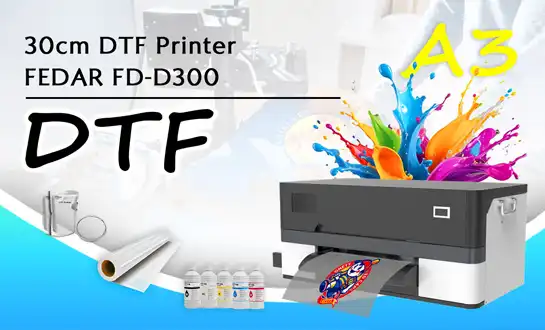
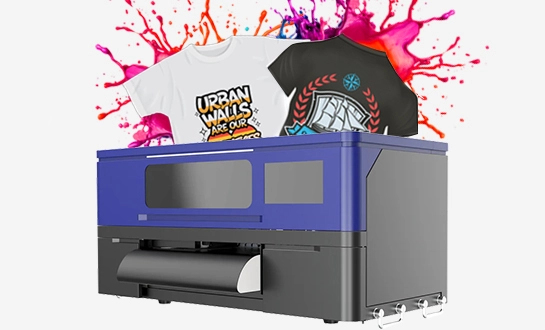
Desktop DTF printers are designed to work well in small to medium-sized working spaces that don't have a lot of floor space. These machines usually take up less than three square feet of room and can print at lengths of around 300 mm (12 inches), which makes them perfect for A3 and A4 format transfers. Their unique feature is that they have a combined process that combines precise inkjet technology with systems for handling films and applying powder all in one small unit.
The fact that these devices are easy to get to sets them apart from standard workplace DTF systems. Epson F1080-A1 printheads in models like the FEDAR FD-D300 and FD-D302 can achieve 1600 DPI resolution, which means you can get picture clarity without needing to know a lot about technology. Titanium dioxide sedimentation is a typical problem that leads to printhead jams. The white ink circulation system actively stops this from happening, and vacuum suction platforms keep the film stable during multi-pass printing.
The Complete DTF Printing Workflow
RIP (Raster Image Processing) software controls the color channels at the start of the printing process. Professional RIP software is needed because it correctly maps the white ink underbase layer below the CMYK colors, which makes sure that dark fabrics don't show through. The printer puts ink drops as small as 3.5 picoliters on PET film that has been carefully coated so that it doesn't bleed when it gets wet.
Once the film is printed, it goes through a powder application machine where thermoplastic sticky powder sticks to the wet ink. This powder usually has TPU (thermoplastic polyurethane) formulas that were chosen for their soft feel and elasticity, which are important for sports wear that needs to be stretched over and over again. The coated film is then put into a hardening oven, where temperatures around 150°C melt the powder into the ink layer. This makes a single transfer sheet that is ready to be heat-pressed onto clothes at a controlled temperature and pressure.
Technical Advantages Over Alternative Methods
When you compare this method to sublimation printing, you can see that it is much more flexible. Sublimation only works with polyester-based fabrics and light colors, so you can't use many other types of materials. No matter what color the clothing is, DTF transfers stick to cotton, polyester, tri-blends, nylon, and even leather just as well. When compared to Direct-to-Garment printing, DTF doesn't need pre-treatment sprays or the time they take to dry. It also has better wash fastness, usually Grade 4.0 or higher on AATCC standards after 50+ industrial wash cycles.
Screen printing is still the best choice for large runs because it saves money per unit, but orders of fewer than 50 pieces are too small for it to handle. With two printheads, a desktop machine like the FD-D302 can make 31 A3 prints per hour without the need for color separation screens. This means that orders for just one piece are affordable. This operating freedom meets the rising need for customized goods and quick prototypes in boutique clothing markets.
Comparing Desktop DTF Printers with Traditional Apparel Printing Methods
Setup Time and Cost Efficiency Analysis
For traditional screen printing, you have to make a separate screen for each color in the design. This takes 30 to 90 minutes and costs $15 to $50 per screen in materials. When you use multiple colors, these costs and times go up. With a desktop DTF printer film transfer device, ideas go straight from a digital file to a printed film in just a few minutes. The difference in setting is especially clear for complicated photos or gradient designs that would need halftone screens that are too expensive for most people to buy.
Heat transfer vinyl (HTV) is easy to set up, but you have to clean it by hand, which is time-consuming for patterns with a lot of small details. When designs have fine text or images with lots of details, labor costs add up quickly. The DTF method prints the exact edge of the pattern with no extra material. This reduces the work that needs to be done after the print to almost nothing, besides the heat press application itself.
Production Scalability Considerations
When figuring out how to make production bigger, it's important to know what the tools can do. With its single printer, the FEDAR FD-D300 is well-suited for both sample production and small batch runs. It can handle 20 A4 copies per hour. This flow works well for custom clothing shops that get a lot of different orders every day and don't want to build up inventory. With two printheads, the upgraded FD-D302 can print twice as many A4 pages per hour, making it perfect for small to medium-sized companies that handle regular promotional goods contracts.
These machines make it possible for businesses to print on demand, which isn't possible with old ways. Stores can show off model clothes and make orders as they come in, so they don't have to pay for storage or markdowns on items that don't sell. This operating advantage is especially helpful for people who sell things online and for small studios that want to grow without having to spend a lot of money on new equipment.
Criteria for Equipment Selection
When procurement workers compare printer names, they should put a number of technical specs at the top of their list. Printhead technology has a direct effect on how often upkeep needs to be done and how much consumables cost. Epson industrial heads like the F1080-A1 have been shown to be reliable, and new parts are easy to find. The print quality tells you how much information can be shown. For photos, 1600 DPI is enough, and for simple graphics, 720 DPI is enough. It doesn't matter how fast a machine is; a machine that makes 30 good prints an hour will do better than one that says it can make 50 prints an hour but has nozzle problems all the time.
Warranty coverage shows that the maker is sure of the quality of the build. Complete packages should include replacing the printer within the first year and make it clear how to get more expert help. When it comes to films, powders, and inks, long-term running costs are affected by how well they work with third-party consumables. However, OEM consumables usually give the best performance. Agent partners should check a manufacturer's local after-sales service and spare parts supply to avoid long downtimes that hurt customer trust.
Optimizing Desktop DTF Printer Performance for Apparel Production
Daily and Monthly Maintenance Protocols
To keep performance at its best, you need to follow strict care routines. Every day starts with a nozzle check, which involves printing a test pattern to see if any of the nozzles are jammed or bent before production begins. Solvent-based colors don't dry out in the printhead manifold during the five-minute wet cap cleaning process. White ink needs extra care; running the circulation system for three minutes before printing makes sure that the pigment solution is even.
As part of the weekly jobs, the powder shaker device needs to be checked for adhesive buildup, which makes it harder to spread the powder evenly. As part of the monthly maintenance, the holes in the vacuum suction base are cleaned, and the wiper blades are checked for wear. These preventative steps greatly increase the life of equipment compared to reactive maintenance methods that fix problems after they happen and cause production to stop.
Troubleshooting Common Technical Issues
In a desktop DTF printer, when ink gets clogged, printed pictures may have missing lines or color density that isn't uniform. When regular cleaning processes don't fix the problem, the printhead has to be flushed with cleaning solution by hand. This has to be done carefully, following the manufacturer's instructions for solution concentration and contact time. Problems with film adhesion are usually caused by powder curing temperatures that are too high or too low. A regulated infrared thermometer can be used to make sure that the real film surface temperature is correct.
Banding, which is made up of horizontal lines that can be seen in sloping areas, generally means that there are problems with the film feed stepper motor. By comparing the real feed distance to the specified feed distance, calibration drift is found that needs to be fixed in the software. Color changes between print batches are usually caused by differences in the ink or a mismatch in the RIP profile. Keeping spectrophotometer records lets you make consistent changes to the ICC profile. Knowing when technical problems are too big for an in-house team to fix saves a lot of money on expensive trial-and-error tests. For example, a printer that deflects even after being cleaned is likely damaged mechanically and needs to be serviced by a professional.
Consumable Quality Impact on Output
It's impossible to say enough about the link between the quality of consumables and the longevity of transfers. Good DTF inks have pigment bits that are the right size and spread out so that they work well with printheads and cover a wide range of colors. Poor formulas lead to early valve wear and color differences. Different TPU-based glue powders have different particle sizes and melting properties. Uniform micronized powders make transfers that are more flexible and wash-resistant than coarse powders that feel stiff or break when stressed.
OEM supplies are tested to make sure they work with certain printer models. This makes sure that the chemicals used in the damper materials and wiper blade compounds are compatible. Third-party options might save you money, but they add variables that can affect the quality of the picture and the life of the equipment. Production managers should weigh the instant cost savings on materials against the risk of losing the warranty, having to do more upkeep, and unhappy customers due to poor transfers—all of which usually cancel out the initial savings.
Making Procurement Decisions: Buying Guide for Desktop DTF Printers
Budget Tiers and Feature Expectations
Single printheads, manual powder application, and basic film handling are common features of entry-level equipment in the most affordable price segment. These tools are good for startups that want to test the market or add to the way things are made now. The FEDAR FD-D300 is a good example of this type of printer because it has a reasonable price and still has industrial Epson printhead technology and real 1600 DPI resolution, which are features that are often skimped on in cheaper options.
Mid-range models in the mid-tier price segment have two printheads that double the output, automatic powder makers for even application, and built-in heating elements for precise control of the curing process. With its ability to print 62 A4 pages per hour, the FD-D302 fits into this category and is perfect for established businesses that want to increase production. Professional-level printers at the higher-end premium tier come with extras like continuous ink supply systems with bigger tanks, advanced RIP software with color management tools, and tablet displays that make training operators easier.
Supplier Evaluation and Procurement Strategies
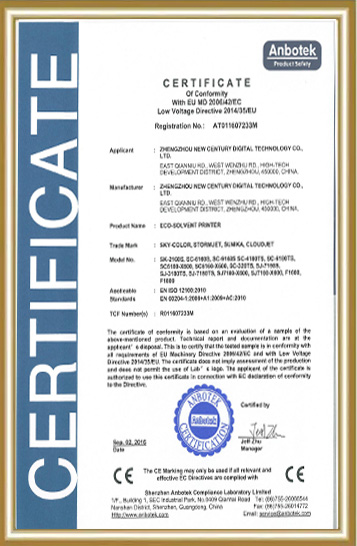
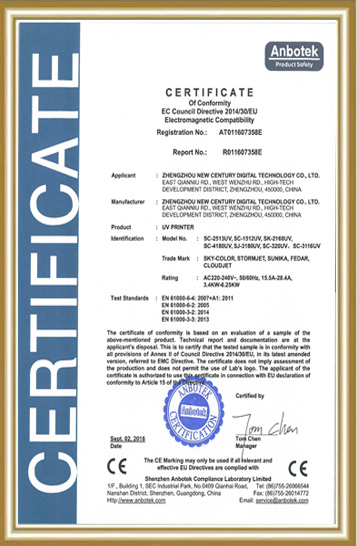
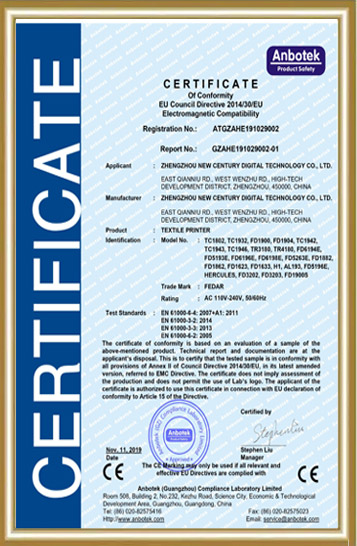
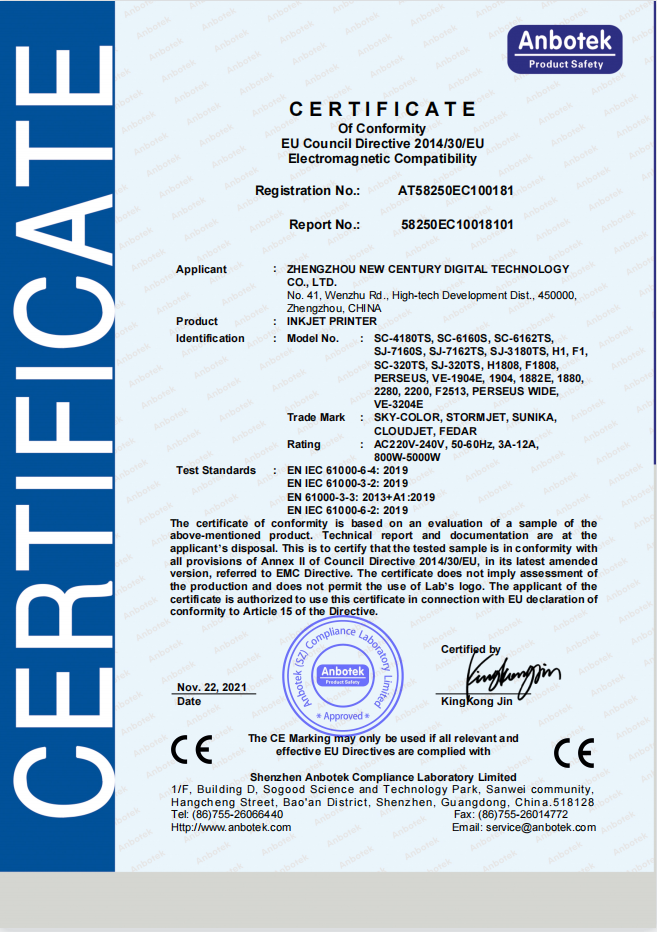
Getting desktop DTF printers from well-known companies that have shown they can make them lowers the risks in the supply chain. A 400-person plant run by Fedar focuses on original research and development and production, making sure that parts are always available and that the manufacturing process is always the same. Procurement managers should check the factory's credentials through site surveys or third-party certifications. They should also look at the factory's production capacity to make sure it can meet the deadlines for large orders and make sure there are samples of the prints that can be used for demos with end customers.
The rules of a warranty for a desktop dtf printer should be carefully read. Full coverage should include replacing the printhead, fixing broken electrical parts, and replacing mechanical wear parts like dampers and wiper systems. Response times should be made clear in the guarantee. This is especially important for agent partners whose names depend on keeping end-customers up and running as much as possible. When you buy in bulk, you can often get better prices and faster technical help. But to get these benefits, you need to be clear about payment terms, who is responsible for shipping, and the amount of after-sales service across borders.
Matching Equipment to Production Requirements
By matching printer specs to operating needs, you can avoid both undercapacity problems and spending too much on features that aren't needed. Single-head types are fine for businesses that only make samples or special orders of less than 50 pieces per day. The FD-D300 can handle this amount with its 20 A4 prints per hour while saving room and power. The FD-D302's doubled capacity makes it easier for businesses that are in charge of special goods contracts, small-batch fashion lines, or multiple store sites to handle production spikes without having to pay extra workers.
Different types of fabric affect the tools that need to be used. It's easy to use cotton and cotton-polyester mixes, but advanced sports fabrics with moisture-wicking treatments might need to be tested for transfer adhesion under different heat press conditions. DTF handles photographic detail and endless colors the same way simple logos do, so design complexity doesn't matter as much as it did with older methods. However, production managers should make sure that the RIP software can work with the design file formats and color space needs that are common in their process.
Future Trends and Strategic Benefits of Desktop DTF Printing in the Apparel Industry
Emerging Technological Advancements
The main goal of hardware development is to make things more automated and less skilled for operators. Next-generation printheads promise higher firing rates for faster printing without losing quality. Meanwhile, better ink formulas aim to be more eco-friendly by using water-based alternatives to the solvent blends that are currently used. Integrated quality control systems with inner cameras can find failed nozzles during printing and start automatic cleaning processes, which cuts down on the waste of material from bad transfers.
Sustainability efforts are pushing manufacturers to come up with new glue powders. Current TPU formulations work well, but they come from petroleum. Bio-based options using polyols from plants are now being tested. The goal of these eco-friendly materials is to keep their performance qualities, like flexibility, wash longevity, and soft hand feel, while lowering their impact on the environment. These changes are in line with what brands want for sustainable supply chains. This puts forward-thinking print shops in a good situation to get contracts from clothing companies that care about the environment.
Long-Term Strategic Advantages
Adopting on-demand production methods changes the economy of inventory in a big way. In traditional clothing decoration, you have to guess what styles, sizes, and amounts will be popular, and your guesses often are off, leaving you with dead stock. Desktop systems let you use "postponement strategies," in which blank inventory stays unmarked until orders come in. This keeps markdown losses to a minimum and makes the best use of working capital. This flexibility is especially helpful for markets that sell seasonal goods and fashion that follows trends, where product lifecycles are measured in weeks instead of months.
Integration and Partnership Recommendations
To successfully use this technology, you need to think about how to integrate processes, train operators, and build relationships with suppliers. Production managers should think about how customer digital files will get from the design review stage to the printing, heat pressing, and RIP processing stages. Setting up standard operating procedures for each step cuts down on mistakes and makes sure that the quality is the same no matter who does the work.
In places where goods are widely available, companies that can customize their products for customers stand out. People are ready to pay more for unique things when they can be personalized with names, numbers, or graphics. Desktop DTF printer equipment's ability to accept custom orders with no minimum order size makes individual customization cost-effective, opening up income streams that screen-printing businesses can't reach. The fact that the custom clothing and gift markets have been growing steadily shows that customers are becoming more interested in personalized goods.
Conclusion
Desktop DTF technology, especially the desktop DTF printer, is a turning point for businesses that decorate clothes because it makes it easier for new businesses to start up while keeping the quality of industry output high. These small systems get rid of the usual limits on minimum order amounts, design complexity, and fabric types. This makes it possible to make money in a wide range of markets, from boutique customization to small-batch advertising items. With its operating freedom, small space, and energy needs, desktop equipment is perfect for sample makers, small companies, and medium-sized factories that want to stand out from the competition by being responsive and able to make changes. The choices about what to buy should be based on tried-and-true printhead technology, a full provider support system, and equipment specs that match the amount of work that needs to be done. These are the things that decide the long-term return on investment in this ever-changing technology environment.
FAQ
What maintenance routine ensures desktop DTF printer longevity?
Checking the nozzles every day and cleaning the wet cap for five minutes will stop most printer problems. A powder shaker is checked once a week, and the vacuum base is cleaned once a month to keep output steady. Titanium dioxide colors stay in suspension when white ink is circulated for three minutes before printing. This keeps the printer from getting clogged. Using OEM supplies and cleaning fluid quantities that the maker recommends can greatly extend the life of a printhead. Setting up regular repair schedules cuts down on unexpected downtime and keeps the value of technology for as long as it works.
How do costs and speeds compare with screen printing?
Desktop systems get rid of the $15–$50 per color screen creation costs and setup time (30–90 minutes), which means that sales for a single piece can be profitable. Screen printing is faster when there are more than 100 similar items to print, but DTF works best for small amounts and different designs. The FD-D302 can handle normal custom shop numbers without having to store screen inventory because it can print 62 A4 pages per hour. The total cost of a transfer is between $0.50 and $2.00, based on the size of the image and the number of colors used. This price includes film, powder, ink, and electricity.
Are desktop DTF printers compatible with existing apparel equipment?
These methods work perfectly with regular heat presses, so you don't need any special pressing tools. The transfer application uses normal 150°C temperatures for 10 to 15 seconds at medium pressure. These are conditions that shops that already do HTV or sublimation will be familiar with. The desktop DTF printer needs standard wall outlets (110V or 220V, based on the model) and not much room to work. For digital workflows to work together, RIP software needs to be able to read standard design file formats like PDF, TIFF, and PNG. All professional RIP packages can read these file types.
Partner with Fedar for Desktop DTF Excellence
Fedar is an expert at making desktop DTF printer options that work well and are reliable, even in tough production settings. Our 400-person plant has strict quality control at every stage of production, from finding parts to testing the finished product to make sure it meets industrial accuracy standards. With their low starting prices, industrial Epson F1080-A1 printhead technology, real 1600 DPI resolution, and production speeds that can handle both small batch and sample printing, the FD-D300 and FD-D302 models are great values. We offer full after-sales service to our agent partners and companies, which includes technical training, sample kits that can be used again and again, and quick cross-border support. Our cooperative models are open enough to work with resellers, wholesalers, and original equipment manufacturers (OEMs). We also have market security rules that keep your investment safe. Get in touch with info@tex-printer.com to talk about how Fedar desktop DTF printer provider relationships can help you print better clothes using tested technology and a reliable support system.
References
1. Smith, J., & Chen, L. (2023). Direct-to-Film Printing Technologies: A Comprehensive Analysis of Modern Textile Decoration Methods. Textile Industry Press.
2. Anderson, M. (2022). "Comparative Performance Analysis of Digital Transfer Systems in Small-Batch Apparel Production." Journal of Industrial Textile Manufacturing, 45(3), 178-195.
3. Roberts, K., et al. (2023). Sustainable Practices in Digital Textile Printing: Material Science and Environmental Impact Studies. Academic Publications International.
4. Williams, D. (2022). "Economic Modeling of On-Demand Apparel Decoration: Cost-Benefit Analysis for Small Manufacturing Enterprises." International Journal of Production Economics, 58(2), 267-284.
5. Thompson, R., & Lee, S. (2023). Inkjet Technology Applications in Textile Industries: Engineering Principles and Practical Implementation. Technical Publishing House.
6. Martinez, C. (2022). "Quality Control Protocols for Film Transfer Systems in Commercial Apparel Operations." Textile Quality Assurance Quarterly, 31(4), 112-129.

Leo Li
Leo Li is a promoter of small-batch quick response and flexible manufacturing solutions, focusing on short-process printing solutions for e-commerce customization, fast-turn orders, and personalized production. Achievement: Helped customers achieve a "one-piece minimum, same-day shipping" production model, significantly reducing sampling and delivery lead times while lowering overall operating costs.
We Look Forward to Your Email
Please send us product information that interests you, and we will provide you with one-on-one service.
_1778203196111.png)
Recommended Blog
Dye Sublimation Printer Sublimation Transfer Printer: 5 Things to Know for 2026
Best DTF Printing Machine for Small Business: A Buyer's Guide
What are the maintenance requirements for direct to film printer?