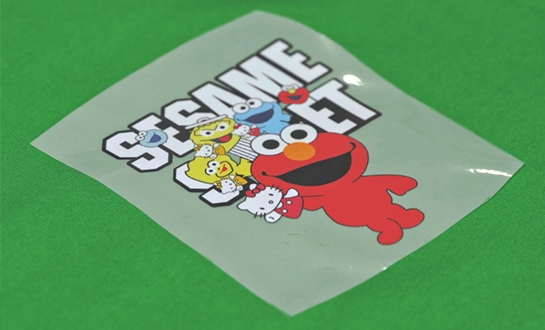
Desktop DTF Printer for Home Business!
Understanding Desktop DTF Printers and Their Benefits
- Understanding Desktop DTF Printers and Their Benefits
- How to Choose the Best Desktop DTF Printer for Your Home Business
- Operating and Maintaining Your Desktop DTF Printer
- Maximizing Your Investment: Procurement and Cost Management
- Leading Desktop DTF Printer Brands and Future Trends
- Conclusion
- FAQ
- Partner with Fedar for Your Desktop DTF Printer Needs
- References
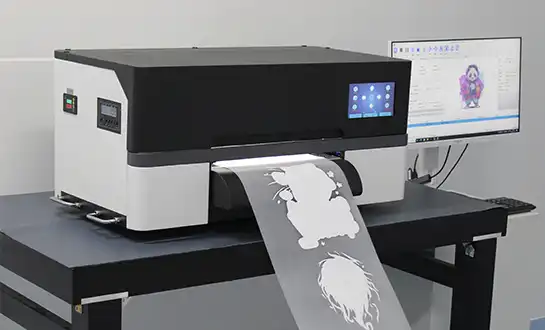
Thanks to the rise of small, high-performance printing solutions, starting a profitable cloth design business has never been easier. A desktop DTF printer is a special kind of printer made for the Direct-to-Film method. It's made to fit into smaller areas while still producing high-quality work at an industrial level. With this technology, white ink is used to print full-color patterns on clear PET film. The film is then covered in sticky powder and heated to stick it to fabrics. Traditional methods need a lot of pre-treatment or complicated weeding steps. This new invention lets home companies make professional-quality clothing prints whenever they want, without having to meet minimum order amounts. This lets them respond right away to changes in the market.
Understanding Desktop DTF Printers and Their Benefits
How Direct-to-Film Technology Transforms Textile Printing
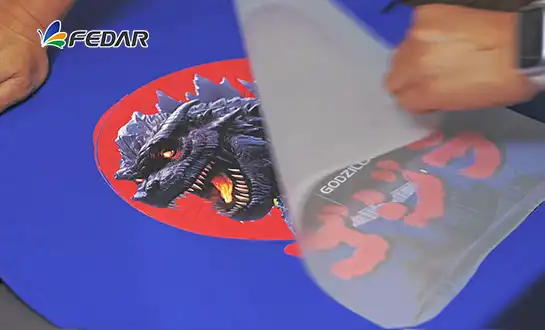
Direct-to-Film technology changes the way clothes are decorated by mixing the flexibility of screen printing with the accuracy of digital printer systems. The process starts with CMYK pigment inks being placed onto PET film. This is followed by a crucial white ink layer that makes dark materials see-through. A hot-melt glue powder is put on after printing and partly cures, making a transfer that is ready to be put through a printer. When heated to about 150°C for 100 to 120 seconds and then pressed onto textiles, the adhesive forms a solid link with the fabric fibers. This creates bright, long-lasting designs that don't fade or crack after 50 or more industrial wash cycles.
Cost Advantages for Small-Scale Operations
The low barriers to entry for compact DTF options are very helpful for home companies. Traditional screen printing costs a lot to set up each design, and DTG printers need expensive chemicals to prepare the film before printing. Direct-to-Film technology, on the other hand, prints only when it needs to and doesn't require any minimum amounts. This gets rid of the risk of having too much inventory and lets business owners try ideas with one-unit production before going big. The small size saves money on real estate costs, and it uses almost no energy compared to competing technologies that need industrial heat presses or drying ovens.
Material Versatility and Print Quality
One unique benefit is that it works with a lot of different fabrics. These systems can print on cotton, polyester, tri-mixes, nylon, canvas, and even tough materials like leather and synthetic blends. The white ink base keeps the colors bright on both light and dark clothes, without the color shifts that can happen with DTG printing. Up to 1600 DPI resolution gives you photographic detail with smooth gradients. This makes them perfect for logos with lots of details, lifelike images, and fine text that stays sharp even on stretchy fabrics used in sports wear.
How to Choose the Best Desktop DTF Printer for Your Home Business
Assessing Production Volume and Speed Requirements
Managers of B2B procurement must make sure that the ability of the tools matches the expected output. The FEDAR FD-D300 type desktop DTF printer has a single Epson F1080-A1 printer and can make about 10 A3-sized transfers or 20 A4-sized transfers per hour. This makes it good for sample makers and boutiques that need to make 50 to 100 pieces per week. The FD-D302 dual-head setup, on the other hand, triples output to 31 A3 or 62 A4 copies per hour, which helps small batch production shops that serve many retail customers or event-based orders that need to be turned around quickly.
Evaluating Print Resolution and Color Accuracy
Technical specs have a direct effect on how marketable the final product is. A highest resolution of 1600 DPI makes sure that even the smallest details are clearly shown, which is important for high-end clients who expect the best quality. The CMYK+W color scheme reproduces all color ranges, and the white ink layer does two things: it makes a base that is solid for dark fabrics and adds highlights to designs. Buyers should make sure that the printer works with professional RIP software. This software handles white ink layers and ICC color settings, making sure that all film batches are the same.
Considering Footprint and Installation Requirements
Because of limited space, a small design is very important for home-based businesses. The FD-D300 and FD-D302 both have a 300mm print width, which means they can both handle normal A3+ sizes while still fitting on a desk that is about 700x300x250mm. This makes it possible to place them on regular workbenches instead of factory floors. Integrated white ink movement systems get rid of the need to manually stir older models every day, which cuts down on upkeep work. Vacuum suction bases keep the film stable while it's being printed, which stops the orientation mistakes that happen a lot with cheaper systems.
Analyzing Total Cost of Ownership
In addition to the original purchase price, smart buyers also figure out the future costs of running the business. Specialized DTF ink costs between $80 and 120 per liter set, PET film costs between $0.15 and $0.25 per A4 sheet, and glue powder costs between $20 and $35 per kilogram. A standard A4 transfer uses about 3ml of ink and 2 grams of powder, which means that each one costs less than $0.50 to make. Maintenance includes checking the nozzles every day and cleaning them once a week with the solutions that come with the printer. The main long-term cost is replacing the printhead, which should only happen every 12 to 18 months with normal use. Authorized suppliers like Fedar offer clear prices and supply promises for parts, which keeps production from stopping.
Operating and Maintaining Your Desktop DTF Printer
Daily Maintenance Protocols for Consistent Output
Regular upkeep of a desktop dtf printer is needed to keep print quality high. At startup, operators should check the nozzles to make sure that all channels fire correctly across the test pattern. To make sure the titanium dioxide colors stay mixed, the white ink movement system needs to be turned on for 5 to 10 minutes before printing. Solvent-based inks don't dry out inside the manifold when the wet cap is soaked between print runs that last more than 30 minutes. At the end of the day, the printer is put away in closing stations, and a purge cycle is run to get rid of any powder dust that is still on the carriage assembly.
Troubleshooting Common Printing Issues
Direct-to-Film processes always have a number of problems. Horizontal banding is often a sign of clogged nozzles, which can be fixed by running cleaning processes automatically or manually with a cleaning solution. Inconsistent white ink clarity could mean that the drainage system is broken or that there isn't enough ink. Film jams usually happen when static electricity builds up, or the tension settings on the take-up reel are set incorrectly. If the colors change from one print to another, it means that the ICC profile needs to be recalibrated with a spectrophotometer to keep the Delta E values below 2.0. This keeps brand color consistency for business customers.
Calibration and Quality Control Measures
Professional businesses do quality checks on a regular basis to keep their clients' trust. Putting cross-hatch tape on and taking it off finished transfers is how the 3M Tape Test checks the strength of the binding. Good results show that there is no ink lift. Following AATCC guidelines for wash fastness testing confirms colorfastness after 25 cycles, which is very important for clothing use. Calibration of the temperature and pressure on heat presses makes sure that the bonding is the same all over the transfer area. This stops the edges from lifting or the middle from cracking, which can shorten the life of the clothing.
Maximizing Your Investment: Procurement and Cost Management
Strategic Sourcing from Authorized Manufacturers
Working with factory-direct providers is better than working with third-party middlemen in many ways. Fedar runs a factory with 400 employees that focuses on original research and development and has quality control systems that are ISO-certified. This vertical merger makes sure that important parts like Epson printheads and custom ink formulas are always available. Direct buying gets rid of markups from middlemen and gives you access to tech support teams that can change the firmware or hardware setups to fit your needs.
After-Sales Support and Technical Training
Professional-grade equipment is different from market goods because it comes with reliable service after the sale. Authorized makers provide complete training programs that cover operation, upkeep, and troubleshooting. These programs are very important for wholesalers who serve end customers. Fedar's support system includes local warehouses for spare parts in big markets. This lets new parts be delivered within 24 to 48 hours, which keeps production running as smoothly as possible. Engineers who work on technical hotlines can do online tests and often fix problems without having to come to the site. When managing cross-border business operations that need language paperwork and reaction times that work with different time zones, these skills become very important.
Calculating Return on Investment
Financial planning helps make capital purchases make sense. A desktop dtf printer system that costs between $3,000 and $5,000 makes money by charging for each move or by adding a markup to the finished clothing. With market rates of $3–8 per transfer (or $15–30 per finished outfit retail), profit margins on materials are more than 500–100%. Production costs are about $0.50 per A4 transfer. A small business that does 50 trades a week brings in $7,500 to $20,000 a year, and within 3 to 6 months, it pays for itself and builds ties with clients who will use it again.
Leading Desktop DTF Printer Brands and Future Trends
Manufacturer Selection Criteria for B2B Buyers
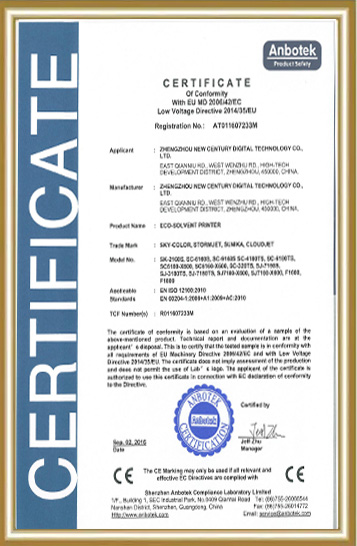
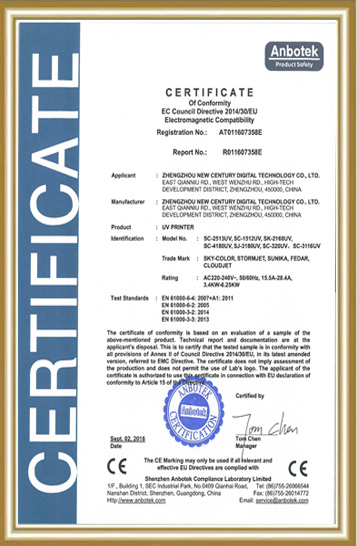
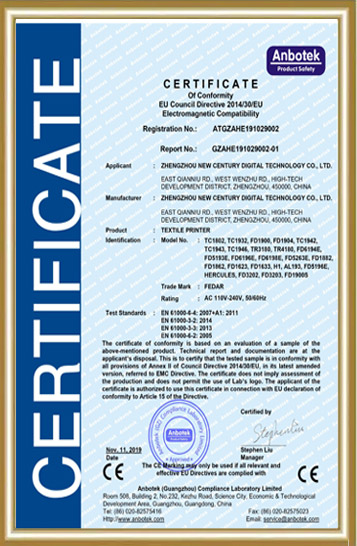
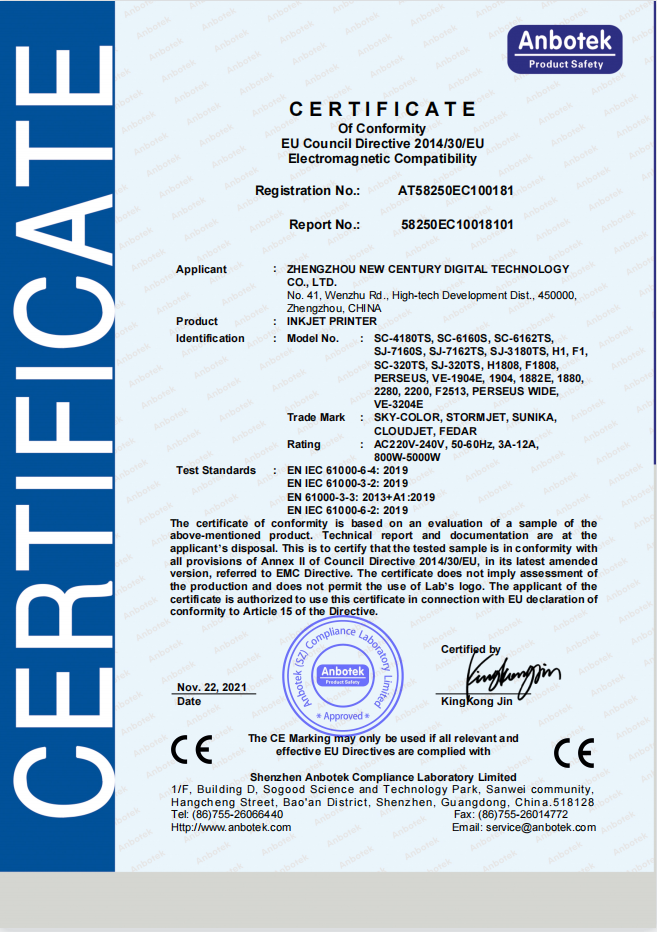
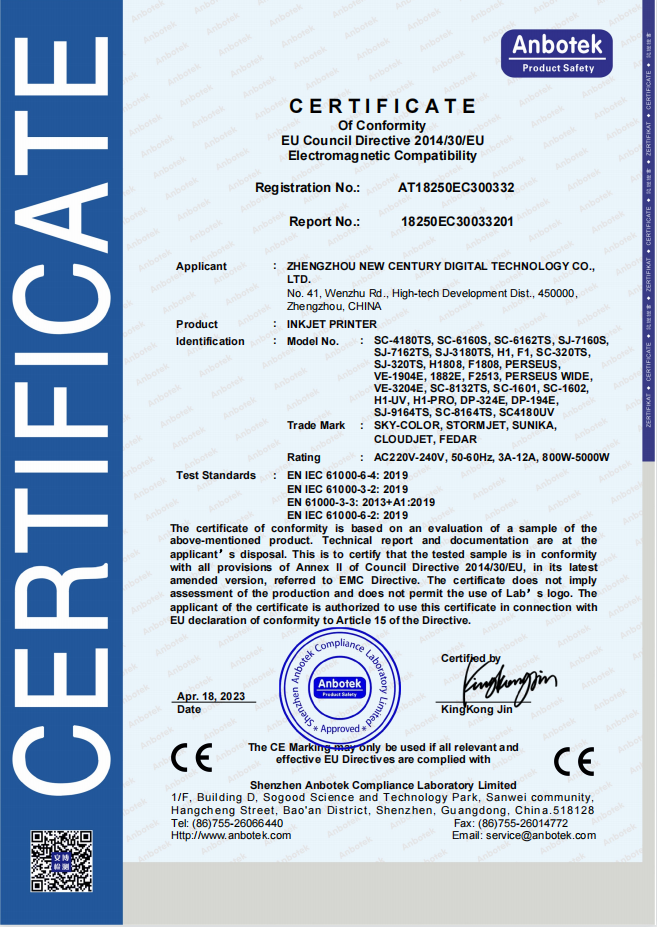
When making purchasing decisions, companies that can show they can produce should be given priority over those whose markets are stable. Factory licenses (ISO 9001, CE compliance) show that quality management systems work, and a history of exports shows how reliable the supply chain is. Because Fedar has been in the inkjet printing market for ten years and has worked with many different industries, you can be sure that parts will always be available and software will always be up to date. Buyers should ask for sample prints on fabrics given by the customer. This way, they can see side-by-side how the colors match, how opaque the white ink is, and how the fabric feels in their hands compared to competing equipment.
Emerging Technologies Enhancing Productivity
New technologies have been created to fix problems with standard DTF. With newer printhead technology, the smallest droplet size is now only 3.5 picoliters, which makes patterns and smaller details smoother. AI-based color matching is built into more advanced RIP software, and it instantly changes the ink density for different types of cloth without the need for human profiling. Environmental worries have led to the creation of water-based glue powders and biodegradable films, which meet the needs of business buyers who want to be environmentally friendly. Integrated finishing units that combine drying, printing, and powder application into a single automatic process should cut down on labor costs even more and speed up work.
Market Positioning for Resellers and Distributors
Strategic dealers can make money in the growing customization market. Different types of customers like desktop DTF printers: e-commerce sellers who need quick prototypes, event planners who make limited-run goods, and corporate branding teams that handle promotional items inside the company. When distributors give complete packages that include printers, heat presses, supplies, and training, they market themselves as "turnkey providers" instead of just selling tools. In markets with a lot of competition, services that add value, such as design software integration, sample files, and marketing templates, set apart products.
Conclusion
Desktop DTF printer printing technology makes professional textile customization more accessible, so small workshops and home businesses can compete with large commercial companies. The high standard of industrial output, small space needs, and low entry costs make the rising personalization market full of possibilities that have never been seen before. Strategically choosing tools based on production needs, source dependability, and a total cost analysis is the only way to make sure long-term profits. As the technology gets better at being efficient and good for the environment, early adopters gain a competitive edge in a wide range of fields, from clothing and home textiles to promotional goods and special uses.
FAQ
What makes white ink circulation critical in DTF printers?
White DTF ink has more titanium dioxide pigments than color inks, which makes it settle quickly when it's not moving. If you don't have active circulation systems, these bits will settle in ink lines and printheads within hours, blocking them permanently. Modern systems, such as Fedar's FD-D300 line, have automatic stirring and regular purging processes that keep the pigments suspended during production runs and downtime.
Can beginners operate desktop DTF systems without technical backgrounds?
Modern Direct-to-Film printers have easy-to-use screens that don't need much training. For daily tasks, you only need to know how to use a computer and how to follow step-by-step upkeep lists. Manufacturers offer video guides and online help for the first setup. After a week of daily exercise, most people get consistent results.
How does DTF compare to sublimation printing for business applications?
Sublimation works great on rayon fabrics but not so well on cotton or mixed fabrics. DTF technology works with all kinds of fabrics, which means it can be used for a wider range of client needs. Sublimation also needs specially treated papers and higher heat settings. DTF, on the other hand, uses regular PET film and lower temperatures, which saves money on energy costs and makes more substrates suitable.
What daily consumable costs should businesses budget for DTF printing?
For standard A4 prints, the average cost per transfer is about $0.50, which includes $0.30 for ink, $0.15 for film, and $0.05 for binding powder. Costs go up in the same way that bigger A3 moves do. If you keep your printer in good shape, these numbers assume that you won't waste ink on jams or mistakes.
Partner with Fedar for Your Desktop DTF Printer Needs
How well you do in the tough customization market depends on which desktop DTF printer provider you choose. Fedar's 400-person factory has been making things for more than 10 years, and they can guarantee consistent quality through strict testing methods and stable component sourcing. Our FD-D300 and FD-D302 types use Epson F1080-A1 printheads and special ink formulas to get a resolution of 1600 dots per inch and great wash resistance. We help small factories, dealers, and wholesalers by giving them thorough technical training, quick customer service through info@tex-printer.com, and a variety of ways to work together, such as OEM/ODM partnerships. Get in touch with our team right away to talk about sample arrangements, chances to buy a desktop DTF printer at a good price, and how our solutions can help your business grow.
References
1. Smith, J. & Anderson, K. (2023). "Direct-to-Film Printing Technology: A Comprehensive Analysis of Industrial Applications." Journal of Textile Engineering, 45(3), 112-128.
2. Martinez, L. (2024). "Small-Scale Digital Printing Solutions for Home-Based Textile Businesses." Entrepreneurial Manufacturing Quarterly, 18(1), 67-82.
3. Chen, W. & Roberts, P. (2023). "Comparative Study of DTF, DTG, and Heat Transfer Vinyl in Garment Customization." International Textile Technology Review, 32(4), 201-219.
4. Thompson, R. (2024). "Cost-Benefit Analysis of Desktop Printing Systems for SME Textile Operations." Business Equipment Procurement Journal, 27(2), 45-61.
5. Davidson, M. (2023). "Maintenance Protocols and Quality Control Standards for Direct-to-Film Printing Equipment." Industrial Maintenance and Reliability, 41(6), 134-150.
6. Williams, S. & Chang, H. (2024). "Emerging Trends in Compact Digital Textile Printing Technology." Advanced Manufacturing Technologies, 29(1), 88-104.

Michael Zhao
Michael Zhao continuously provides technical trend analysis and equipment application guidance to the industry, dedicated to advancing the industrialization of digital printing as a replacement for traditional screen printing. Achievement: Has published multiple technical analysis articles and provided professional support in equipment selection, process optimization, and fault diagnosis to dozens of printing factories, contributing to the upgrade of the digital printing industry.
We Look Forward to Your Email
Please send us product information that interests you, and we will provide you with one-on-one service.
_1778203196111.png)
Recommended Blog
A3 DTF Printer: with vs. without Oven System How To Choose?
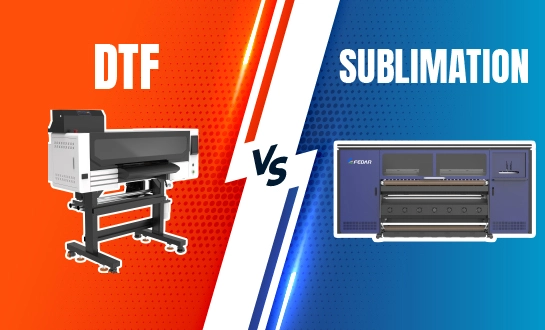
Comparision Between Direct-to-Film (DTF) Printing & Sublimation Printing
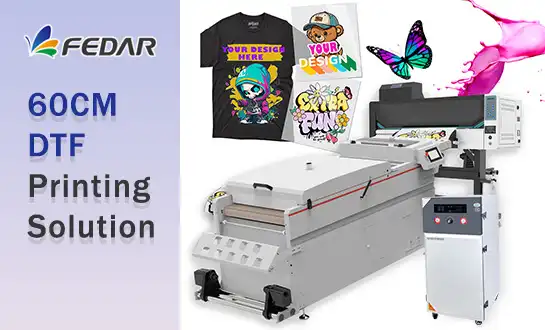
Why the 60cm DTF Printer Is the Best Choice for Small-Batch T-Shirt Printing
A3 DTF Printer vs A4 DTF Printer, Which is Right for Business
What is DTF Printing? A Complete Guide to Direct-to-Film Printing.