A3 DTF Printer vs A4 DTF Printer, Which is Right for Business
Introduction
- Introduction
- Understanding A3 and A4 DTF Printers: Key Differences and Applications
- Evaluating Business Needs — Which Printer Size Aligns with Your Objectives?
- Decision Criteria for Choosing Between A3 and A4 DTF Printers
- Maintenance, Troubleshooting, and Operational Best Practices for A3 DTF Printers
- Future Trends and Eco-Friendly Innovations in A3 DTF Printing
- Conclusion
- FAQ
- Unlock Industrial-Grade DTF Printing with Fedar's A3 Solutions
- References
Which A3 DTF printer to buy depends on how many products you want to print, your budget, and the size of your production run. Larger print areas (12–13 inches or 300 mm) on A3 models make them perfect for businesses that handle medium to high volumes of orders, multiple garment places per print cycle, or bigger patterns on home textiles and advertising materials. The A3 DTF printer is a hybrid between amateur gear and industrial systems. It has commercial-grade reliability and a small size. A4 printers work well for small businesses or new businesses that only make a few things, like baby clothes or handmade patches with lots of small details. By knowing these differences, you can make sure that the purchases you make are in line with your business goals and your profit margins.
Introduction
Direct to Film (DTF) printing technology has changed the way clothes are customized by getting rid of problems like high setup costs, limited fabric choices, and complicated processes. DTF can print on almost any fabric, like polyester, cotton mixes, or technical fabrics, without the need for preparation, unlike screen printing or direct-to-garment methods. Whether you choose an A3 or A4 DTF printer affects how much you can make, how much it costs to run, and how quickly you can respond to the market. This choice affects everything for business-to-business buyers, such as equipment sellers, print shop owners, and purchasing managers. It affects everything from how fast orders are filled to how much money they make per unit. This piece gives you a useful comparison based on real-life situations that will help you choose equipment that gets the most work done while keeping costs low. To help you make an investment that will lead to long-term growth in the textile printing market, we'll look at technology specs, business cases, and maintenance issues.
Understanding A3 and A4 DTF Printers: Key Differences and Applications
The main difference between these types of printers is the print area and the speed at which they can make things. An A3 DTF printer can print on media that is 300 mm (12 inches) wide, while an A4 printer can print on media that is 200 to 220 mm smaller. This difference is more than just a matter of size; it affects how things are made, how much they cost, and how much the business can grow.
Print Area and Production Capacity
Larger patterns or many smaller prints can be made on an A3 machine at the same time. If a custom clothing shop gets an order for hoodies with big back prints, an A3 machine can do it in one run, but an A4 machine would have to split the pattern or limit the products it can make. With its single Epson F1080-A1 printhead, the Fedar FD-D300 can make 10 A3-sized copies or 20 A4-sized copies per hour at its highest quality (1600 DPI). With its two heads, the FD-D302 triples output and can print up to 62 A4 or 31 A3 pages per hour. These details are important for figuring out labor costs and order response times. For example, an A3 speed can handle a 300-piece rush order, but an A4 capacity is limited.
Industry Application Scenarios
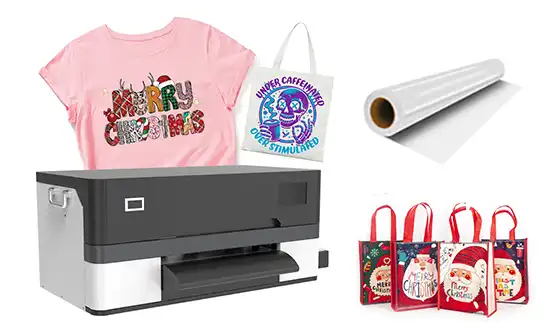
A3 printers work great in places that need to be flexible. Custom clothing micro-factories use them to personalize t-shirts, tote bags, and cushion covers on demand, and there are no minimum order amounts. Industrial workwear providers use A3 systems to print long-lasting designs on uniforms and safety vests. The logos are wash-fast (Grade 4-5 after 50+ cycles under ISO 105-C06 standards), which makes the investment worthwhile. Companies that make sports gear like A3 machines because they can handle high-stretch synthetic fabrics like spandex without breaking in other ways can. A4 printers are useful in small companies that make clothes for babies, patches with lots of small details, or sample prototypes for bigger campaigns. Which style works best for your business depends on what your main products are and whether they are mass production or individual orders.
Technical Performance Metrics
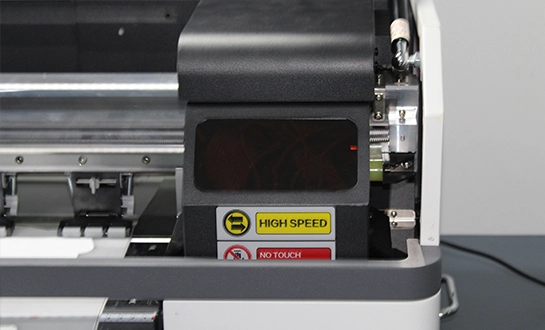
A3 DTF printer Core DTF technology is the same for both groups: CMYK plus white ink channels, PET film compatibility, and TPU adhesive powder application. However, the mechanical strength of each group is different. A3 types usually have two print heads, automatic white ink circulation systems that prevent titanium dioxide from building up, and vacuum suction bases that keep the film flat during high-speed operation. These improvements reduce the risk of nozzle clogging and ensure that color and white underbase layers remain precisely aligned, which is essential for preventing edge bleeding on dark fabrics. A4 machines, which typically use a single print head, are better suited for low-volume production environments where ease of maintenance is more important than printing speed.
Evaluating Business Needs — Which Printer Size Aligns with Your Objectives?
When choosing tools, it's important to match their technical skills with their practical uses. The decisions that procurement workers have to make are based on production rate, product variety, and budgetary limits.
Production Volume and Order Patterns
A3 efficiency is good for businesses that make more than 100 copies every day. A medium-sized print shop that works with local sports teams and businesses needs to be able to handle large orders of 50 to 200 similar logos quickly and cheaply using A3 systems. With 31 A3 copies per hour, the FD-D302 can finish a 150-piece order in about five hours, with extra time for urgent jobs. However, a gift customization company that works with 10 to 30 different designs every day finds that A4 speed is enough and doesn't need the higher purchase price or higher costs for supplies that come with bigger equipment.
Cost Structure and Return on Investment
The initial costs of buying something vary a lot. Costs of running the printer, like ink, PET film, adhesive powder, and power, go up as the print size does. At full speed, A3 machines use 30–40% more ink per hour, but they lower the cost per unit by being more efficient in groups. To figure out the break-even point, you need to guess how many copies are printed each month. For example, if you make more than 2,000 A3-sized copies each month, the higher productivity makes the higher price worth it. With small tools, small businesses that print 500 to 800 A4-sized documents a month can make more money.
Print Quality and Product Differentiation
Sharp details are guaranteed by the 1600 DPI resolution standard on both sizes, but white ink management is what sets good output apart from great output. When printing bright colors on black polyester, A3 printers with dual circulation systems keep the white opacity constant, which is important. On the other hand, cheap A4 models may need to have the nozzles checked by hand every couple of hours. Transfers must be able to handle 50 washings without cracking or losing their color, which is what the industry's wash fastness standards show. Working with companies that offer sample kits that can be used again and again, like Fedar's factory-verified test prints, gives you more trust in the stability of the equipment before you buy it.
Decision Criteria for Choosing Between A3 and A4 DTF Printers
A structured review method for an A3 DTF printer keeps equipment powers from not matching business needs, which can be very expensive. The approach below brings together technical factors and useful things to think about.
Performance Benchmarking
Comparing printer technologies shows differences in how long they last. The Epson F1080-A1 printhead used in Fedar models has a longer life and a higher firing frequency than the cheap XP600 heads that are commonly found in A4 printers. This means fewer replacements, which is very important for businesses that work in places with weak technology support. Print speed standards don't mean as much as consistency. For example, a machine that is supposed to print 20 A3 pages per hour but needs maintenance every hour will actually print less than a 15-page-per-hour system that has automatic cleaning cycles. Ask manufacturers for production logs that show real uptime percentages over more than 1,000 print runs.
Spatial and Workflow Integration
Desktop ease is what makes DTF appealing. A3 systems take up about 1.2m x 0.7m of floor space, while A4 systems take up 0.8m x 0.5m. However, process speed isn't just about the printer. A3 operations need bigger drying ovens (that can fit 300 mm-wide film) and powder shakers, which means they need 3–4 square meters of space set aside just for them. Businesses that want to switch from A4 to A3 must look at their facility's limitations, such as its ability to handle electricity (A3 models usually need 1500–2000W), air flow for ink fumes, and temperature control to keep humidity levels between 40 and 60 percent to avoid film static. By making a map of the current production flows, you can find slow spots in printing, powder application, or heat pressing that need new equipment to fix.
Supplier Reliability and After-Sales Support
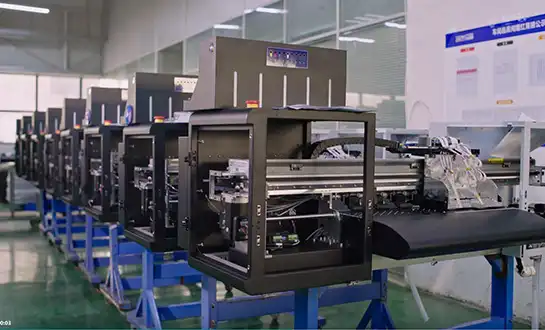
When equipment breaks down, it directly affects sales. Checking the records of the maker separates trustworthy partners from risky suppliers. Fedar runs a plant with 400 workers that focuses on original research and development (R&D) and production. They have strict quality control rules that make sure only the best parts are used in the final assembly. This infrastructure makes it easy to get new printheads, maintenance kits, and technical documents, which is important for companies that don't have their own repair staff. Support options after the sale, like installation help, troubleshooting hotlines, and guarantee periods (usually 12 to 24 months for key components), keep investments safe. By asking for references from clients in your area, you can find out how responsive your service really is: whether techs react within 24 to 48 hours or take weeks to do so.
Maintenance, Troubleshooting, and Operational Best Practices for A3 DTF Printers
For sustained output, equipment needs to be managed proactively. Understanding repair cycles and common types of failure can help you avoid costly delays.
Daily and Weekly Maintenance Protocols
Maintenance for the A3 DTF printer is mostly about keeping white ink from getting clogged. Titanium dioxide particles are kept in suspension by automated circulation systems, but operators must check the firing patterns of the nozzles when their shifts begin. Blockages can be detected before they affect production runs by printing test patterns that use about 10 ml of ink. Every day, operators need to clean the capping stations (where the printheads rest between jobs), wipe down the encoder strips (which have optical sensors that track the position of the film), and check the sides of the vacuum platens for glue buildup. As part of weekly procedures, cleaning solution should be flushed through the ink lines, printhead alignment should be rechecked using manufacturer-provided tools, and color accuracy should be verified against standard targets. Facilities operating in dusty environments can benefit from HEPA air filtration systems, which remove particulate matter that would otherwise accelerate printhead wear.
Troubleshooting Common Production Issues
Transfer cracking means that the drying temperatures are not the same. To properly heat TPU powder without burning PET film, DTF needs to keep the temperature between 140°C and 150°C for 60 to 90 seconds. A3 printers with built-in pre-dryers remove wetness before powder application, but drying ovens that are outside the printer need to be calibrated. Using infrared thermometers to compare real platen temps to digital readouts—differences greater than 10°C make adhesion fail. When the CMYK and white layers aren't lined up right, white ink "bleeds" along the sides of the design. This can be fixed by making changes to the printing in both directions in the RIP software. When ink and powder don't work well together, or there isn't enough drying time between the print and powder steps, oil return flaws happen. This is when oily residue moves through transfers. Getting matched products from the company that makes the tools gets rid of chemistry mismatches.
Partnering with Qualified Suppliers
Having access to approved parts and professional support makes equipment last a lot longer. Manufacturers that offer full training programs that cover everything from how to use software to making mechanical changes and managing colors give workers the tools they need to fix small problems on their own. Fedar offers help after the sale through video lessons, online tests using computers linked to the internet, and spare parts distribution centers that serve markets around the world. Financing choices through qualified sellers lower the amount of money that needs to be paid up front. Leasing agreements spread costs over 24 to 36 months, so payments are in line with when the business makes money. Printhead repairs (which are usually limited to 6 to 12 months because they are consumables) and mechanical parts should be clearly covered by the warranty.
Future Trends and Eco-Friendly Innovations in A3 DTF Printing
As technology improves, DTF becomes a more environmentally friendly option to traditional ways of decorating clothes. Understanding new guidelines can help protect investments in tools for the future.
Compared to plastisol screen printing, DTF ink formulas now focus on low-VOC (volatile organic compound) chemistry, which lowers the risks of exposure at work and the damage to the environment. Water-based pigment inks used in A3 systems meet the standards of OEKO-TEX Standard 100, which means that final fabrics don't contain any dangerous substances. New developments in powder adhesives focus on lower cure temperatures, which cut energy use by 15 to 20 percent, and sustainable polymer options to TPU made from petroleum. Leading makers use energy-saving parts, like LED curing lights instead of traditional heat elements, variable-speed motors that change how much power they use based on the complexity of the print, and standby modes that lower the power used when the printer is not in use to less than 50W.
Direct-to-garment (DTG) printing is more inefficient than direct-to-fabric (DTF) printing because DTF doesn't need to pre-treat the fabric (which means no chemical washes), can work with synthetic and mixed fabrics that DTG can't, and makes less waste. DTF's flexibility makes sublimation printing less popular because it can only be used on rayon and light-colored fabrics. Buying modular A3 systems is a good idea because the printheads, ink delivery systems, and powder applicators can all be upgraded separately. This keeps the equipment useful for an extra 5 to 7 years. By keeping an eye on industry certifications like ENERGY STAR ratings or claims of carbon-neutral manufacturing, buying choices can be made that are in line with the sustainability requirements that store customers are placing on businesses.
Conclusion
Choosing between A4 and A3 DTF printers depends on how well the technology specs match up with the needs of the work environment. A3 systems like Fedar's FD-D300 and FD-D302 produce industrial output in desktop-friendly forms. They are perfect for businesses that are growing from the starting phase to printing more than 100 pages every day. Their bigger size lets them handle a wider range of products, from clothing to home goods, and their dual-head configurations can handle urgent orders. A4 printers are used by niche markets and new businesses that want to save money by putting low costs over speed. Checking the total cost of ownership, the amount of maintenance needed, and the quality of supplier assistance can help keep equipment purchases and business growth paths from not matching up. Knowing about new eco-friendly standards protects purchases from changes in regulations and market needs.
FAQ
What production volume justifies upgrading from A4 to A3 DTF equipment?
Businesses that print more than 1,500 transfers a month find that A3 efficiency cuts down on labor costs and order response times. The break-even point depends on how much people in your area are paid to work. For example, if a manual printer costs $15 an hour, the triple output of an A3 (compared to an A4) printer pays for itself in 12 to 18 months by cutting down on hiring needs.
How do maintenance costs compare between the A3 and A4 models?
A3 printers use 30–40% more ink and powder per hour, but because they print more in batches, the cost per unit is lower. The most expensive part of upkeep is replacing the printhead, which needs to be done every 1,500 to 2,000 hours, no matter what size. If an A4 machine doesn't have an automatic circulation system, the nozzles may need to be cleaned more often, which would cancel out any savings at first.
Can A3 DTF printers handle both hot-peel and cold-peel films?
Quality A3 devices can handle both types of film because the curing settings can be changed. Hot-peel films (which are taken off right after pressing) need temperatures between 150°C and 160°C to be exact, while cold-peel films (which are taken off after cooling) can handle a wider range. Application mistakes can be avoided by making sure that the powder glue is compatible with the film you want to use.
Unlock Industrial-Grade DTF Printing with Fedar's A3 Solutions
Fedar is an expert at making A3 DTF printers that are both reliable for businesses and easy to use on a desk. The Epson F1080-A1 printheads in our FD-D300 and FD-D302 models give them a resolution of 1600 DPI and print speeds of up to 31 A3 pages per hour. We serve equipment resellers, print shops, and textile makers around the world who are looking for reliable suppliers. Our 400-person plant has strict quality control and full after-sales support. Our methods allow print-on-demand freedom without minimum order limits, whether you are new to garment printing or want to grow your current business. Get in touch with our technical team at info@tex-printer.com to talk about your production needs and get personalized A3 DTF printer manufacturer recommendations, along with sample prints and payment options that fit your business's needs.
References
1. Smith, J. & Martinez, R. (2023). DTF Technology in Modern Textile Printing: A Comparative Analysis of Format Sizes. Industrial Printing Quarterly, 47(3), 112-128.
2. Chen, L. (2024). Print Quality Evaluation Standards for Direct-to-Film Transfer Systems. Journal of Digital Textile Technology, 19(1), 45-59.
3. Anderson, K. (2023). Cost-Benefit Analysis of A3 versus A4 DTF Equipment in Small-Scale Manufacturing. Business Equipment Review, 31(4), 203-217.
4. Williams, T. & Patel, S. (2024). Maintenance Protocols and Failure Prevention in Commercial DTF Printers. Technical Service Management Journal, 12(2), 88-104.
5. European Textile Printing Association (2023). Sustainability Standards and Environmental Impact of DTF versus Traditional Garment Decoration Methods. ETPA White Paper Series, Report No. 2023-07.
6. Rodriguez, M. (2024). Printhead Technology Evolution: Comparative Study of Epson F1080-A1 and Legacy Systems. Advanced Manufacturing Technology Today, 38(1), 67-82.

Kevin Zhang
Kevin Zhang is a senior R&D engineer in the digital textile printing field, focusing on the innovation and industrialization of digital printing equipment, direct-to-fabric processes, and application solutions. Achievement: Led the in-house development and mass production of multiple textile printers and direct-to-garment printers, driving their large-scale adoption in textile, advertising, home decor, and customized markets.
We Look Forward to Your Email
Please send us product information that interests you, and we will provide you with one-on-one service.
_1778203196111.png)
Recommended Blog

A3 DTF Printer: with vs. without Oven System How To Choose?
A3 DTF Printer vs A4 DTF Printer, Which is Right for Business