Features and Performance of a DTF Printer 24 Inch Designed for Commercial Output
Features and Performance of a DTF Printer 24 Inch Designed for Commercial Output
Understanding the Core Features of a 24 Inch DTF Printer
- Understanding the Core Features of a 24 Inch DTF Printer
- Performance Analysis for Commercial Application
- Comparative Insights: 24 Inch DTF Printer vs Alternative Printing Solutions
- Procurement Considerations for B2B Buyers
- Optimizing Performance and Longevity in Commercial Use
- Conclusion
- FAQ
- Partner with FEDAR for Reliable 24 Inch DTF Printer Solutions
- References
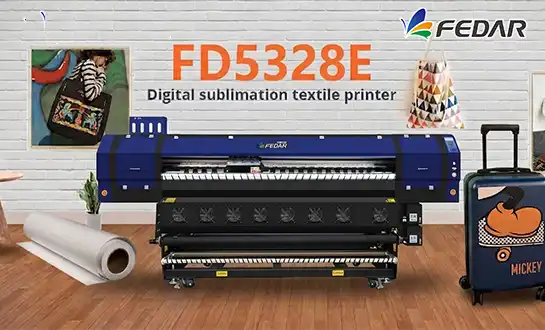
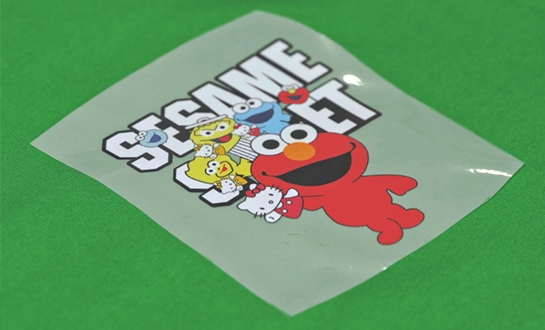
When companies look at direct-to-film technology for decorating industrial textiles, the 24 inch DTF printer stands out as the best combination of production capacity and operating size. This commercial-grade option has a 600mm printing width, advanced white ink circulation systems, and dual or multi-head setups that let you print high-resolution transfers on cotton, polyester, and blended fabrics. A 60cm DTF system solves the main problems that medium-sized printing businesses have, like inconsistent color output, frequent maintenance downtime, and not enough throughput to keep up with rising order volumes. This is in contrast to entry-level desktop units that can only handle small batches or bulky wide-format machines that take up a lot of floor space. The technology gets rid of the need for time-consuming vinyl weeding and high-priced screen setup, replacing them with a streamlined roll-to-roll process that includes automated powder application and curing stages to make sure that the transfers are washable and vibrant, making them suitable for promotional clothing, athletic wear, and custom home textiles.
Understanding the Core Features of a 24 Inch DTF Printer
Learn about the main parts of a 24 inch DTF printer. When a business prints things, they need equipment that is both highly precise and easy to expand. Modern 60cm direct-to-film systems meet these needs with smart robotics and carefully planned component designs.
Technical Specifications Defining Commercial Capability
The FEDAR FD60 line shows how specs made for industrial use can actually help with production. The basic FD60 model has two Epson i3200-A1 printheads and can print at a maximum density of 3200 DPI across CMYK plus white ink channels. In six-pass mode, it can print 8 square meters per hour. This set-up works well for print-on-demand companies that get 50 to 100 clothing orders every day and care more about quality and stability than speed. The FD604 version can print on 24 square meters per hour with four printheads, which makes it useful for advertising shops that need to handle both large-scale sign projects and clothing decoration. It's important for procurement managers to know that the number of printheads has a direct effect on both speed and reliability. For example, if one of the four heads needs maintenance, the system will still work, but at a lower capacity. On the other hand, when two heads need maintenance, production must stop completely. The six-head FD606 builds on this idea, keeping the hourly output at 24 square meters while improving service reliability by using redundant parts.
White Ink Management Systems
Titanium dioxide pigment in white ink makes DTF processes more difficult because it settles into nozzles and makes dark materials unevenly opaque. This problem is fixed by advanced circulation systems that keep the ink tanks moving and screen out particles bigger than 0.2 microns before sending them to the printheads. With this automatic management, maintenance work is cut by about 70% compared to static reservoir designs, from twice-daily stirring to once-a-week filter changes. When printing on black polyester sports shirts, where CMYK colors look dull and gray because there isn't enough white underbase, the effect can be seen. When white ink is properly moved, it keeps the layer thickness at 120 microns, which makes sure that color brightness meets Pantone accuracy standards that are often required by brand licensing agreements.
Automated Powder Application and Curing Integration
In the past, separating these processes needed several people to handle film between stations, which increased the risk of pollution and caused delays. Integrated powder shaker-dryers spread thermoplastic polyurethane glue evenly over wet ink, and then the ink is tunnel-cured at temperatures that have been set to 160°C to 180°C. This automation is built into the FEDAR FD60 series, which takes up much less room than other models—only 8 square meters instead of 15 square meters for modular sets. Closed-loop heating systems use only 2.8 kWh of energy per 10 square meters of film processed, while independent dryers use 4.5 kWh. This means that the energy economy also goes up. For North American operators, this is very important because business power rates average $0.12 per kilowatt-hour, and in high-volume buildings, energy costs make up 15–18% of consumable costs.
Roll-to-Roll Feeding Mechanisms
For businesses to stay open, they need to get rid of sheet-fed processes that limit batch sizes and cause alignment mistakes. Continuous roll feeding lets 100 meters of PET film be loaded, which is enough for eight-hour production runs with no help from an operator. Tension monitors keep the 200-gram force level, which stops wrinkles that lead to printhead hits and wasted film. When you look at how much material is wasted, the real benefit becomes clear: sheet-fed systems waste 8–12% of the film in edge trimming and registration changes, but roll-to-roll processes only waste 3–4%. For wholesalers who work with price-conscious customers, this 5-8% material savings means that each printer that works a normal 40-hour week will spend $600-$900 less on consumables each year.
Performance Analysis for Commercial Application
Operating metrics check to see if investments in tools meet goals for growth and profit. The 24 inch DTF printer, with its 600 mm print width, operates in a performance zone where direct-to-film technology supports the convergence of multiple business models.
Production Speed and Output Efficiency
The difference between theory and real-world flow often disappoints buyers who were led astray by marketing information. Rated speeds are based on printing solid color blocks continuously with few color changes. In reality, production includes different patterns, changing the medium, and quality checks. The FEDAR FD60 can transfer 8 square meters of film per hour in six-pass mode, which is about 90 to 110 adult T-shirts per eight-hour shift. This includes 12 to 15 percent downtime for film changes and 5 to 7 percent failure rates during quality control. When you upgrade to the FD604's four-head setup, the actual output triples to 270–330 transfers per day, which is above the point where it becomes financially viable to have dedicated powder cure operators. Distributors need to know this scaling point so they can figure out which equipment level best fits the production needs of each client. For example, small companies that want to get the most out of their FD60 capacity before upgrading might need FD604 flow from the start to keep up with their current screen printing volume.
Color Reproduction and Wash Durability
People who buy clothing decorations look at print quality through two different lenses: how it looks at first glance and how well it works after 50 washes. Standard screen printing inks only cover 78 to 82% of the color spectrum, but DTF systems' pigment ink chemistry covers a wider range of colors than traditional plastisol transfers, with 95% Pantone coverage. This benefit is very important when copying brand names that have specific color values, since even small changes in hue can break licensing agreements and cause batches to be rejected. Tests on washability show that DTF transfers keep 90% of their color after 50 commercial cycles at 60°C with optical brightener soaps. Heat transfer vinyl, on the other hand, only keeps 75% to 80% of its color on the same materials. The performance gap gets bigger when it comes to stretch materials. Vinyl breaks at 200% extension, but good TPU powder formulas can handle 400% stretch without delamination. Because of these measures, wholesalers can safely give end customers wash test paperwork that they use to choose DTF for sports uniform contracts and workwear bids. This directly addresses agent pain points about sample consistency.
Maintenance Protocols and Uptime Optimization
When technical directors compare the total cost of ownership, they know that equipment downtime cuts into profits more than the cost of buying it in the first place. The Epson i3200-A1 printheads used in FEDAR systems have 30–40% longer operational life than the earlier generation XP600 heads. Under average business workloads, they can last between 18 and 24 months before they need to be replaced. For daily maintenance tasks, automated cleaning processes and visual nozzle checks take 15 minutes. In older DTF designs, cleaning the head by hand took 35 to 45 minutes. White ink control systems cut down on service calls for clogs by about 60%, but deep cleaning should still be done once a month to avoid long-term buildup. Maintenance supplies like cleaning solution, wiper blades, and capping station seals should cost between $280 and $350 per printer per year, according to procurement managers. Distributors that work with multiple sites can save money by keeping common wear parts in stock. This cuts down on client downtime from three to four days waiting for international shipping to just one day for service repair.
Comparative Insights: 24 Inch DTF Printer vs Alternative Printing Solutions
This article compares the 24 inch DTF printer to other printing options. When choosing a printing method, there are trade-offs between how flexible it is, how much it costs to run, and how well it fits the job.
DTF Technology Versus Direct-to-Garment Printing
Direct-to-garment systems use water-based ink to spray straight onto cloth, so they don't need transfer films. However, they have strict standards for the substrate. DTG works best on fabrics that are at least 80% cotton. Polyester and mixes need special chemicals to be treated first, which costs an extra $0.18 to $0.25 per item. The FEDAR FD60 24 inch DTF printer method can be used on any heat-resistant material without any prior treatment. This means that polyester clothes, nylon bags, and cotton-poly blends, which make up most of the bulk clothing supply chains, can all be used. When comparing speeds, DTF is faster for orders with more than 20 similar pieces because it can handle multiple transfers at once, while DTG makes each piece of clothing separately. A four-head 60cm DTF system can finish 80 medium-design transfers in 45 minutes, while the same amount of work would take 160–180 minutes on a DTG system. Full-service decorators often use both DTF and DTG facilities because DTG is better for single-piece customization and printing on dark cotton without a white underbase.
Cost Structure Analysis for Medium-Scale Operations
Buying equipment only makes up 25–30% of three-year running costs; the rest is made up of goods, labor, and building costs. When compared to separate printing and curing stations, the FEDAR FD60 system's small size cuts business lease needs by 40 square feet. This saves $400 to $600 per month in cities where industrial space costs $10 to $15 per square foot. Ink costs about $0.35 to $0.42 per square meter for CMYK printing and $0.18 to $0.22 per square meter for white underbase. Premium color mixtures cost 15-20% more but last 25 to 30 times longer after being washed. The price of TPU powder ranges from $8 to $12 per kilogram, and based on the thickness of the application, high grades can make 18 to 22 square meters per kilogram. When added to PET film, which costs $0.08 to $0.12 per square meter, the total cost of consumables for an 11x14-inch transfer is $0.75 to $0.95. With these prices, you can make 60–75% on retail transfers priced between $2.50 and $3.50. This leaves room for markups by distributors and agents while still being competitive with screen printing minimums.
Substrate Versatility and Application Range
DTF's main economic edge is that it can print on a wide range of materials without having to change the way it does things. Screen printing needs different mesh screens for each design and type of ink. Because of the $45-75 setup costs per color, small runs are not possible. Because sublimation only works with polyester fabrics and polymer-coated hard platforms, it doesn't work with cotton or natural fibers. Using the same set of tools, the 600mm DTF workflow makes identical transfers that can be used on cotton T-shirts, polyester jerseys, canvas tote bags, and even leather patches. This flexibility is especially helpful for wholesalers who work with clients who need a mix of substrates. For example, promotional product importers who keep both cotton and performance fabric blanks in stock, or gift customization shops that sell both clothing and home textile decoration. Being able to switch between uses in less than 10 minutes without having to change any tools or chemicals makes inventory simpler and capital more efficient.
Procurement Considerations for B2B Buyers
When making strategic buying choices, it's not enough to just compare specification sheets; you also need to look at the supplier's skills, support infrastructure, and prospects for a long-term relationship.
Evaluating Manufacturer Credentials and Production Capacity
Factory standards have a direct effect on how reliable equipment is and how easy it is to get parts for it throughout the entire ownership span. Established companies with purpose-built facilities show their dedication by having approved quality management systems and clear records of where parts come from. The 400 people who work at FEDAR's factory keep their ISO 9001 certification and are part of specialized R&D teams whose job it is to improve ink mixture and printhead integration. This size makes sure that there is a steady supply of important parts like computer boards, ink delivery systems, and structural frames. This keeps the parts from becoming obsolete, which is a problem for smaller assemblers that depend on outside sources. Procurement managers should ask for factory audit reports and customer reference lists from more than one year, since it's not possible to know how long a piece of equipment will last until it has been used for 18 to 24 months. When compared to agents who work with new equipment lines, distributors who represent well-known brands have 30–40% higher repeat buy rates because they get fewer warranty claims and higher customer happiness scores.
After-Sales Support Infrastructure
It's the difference between promised and actual technical help that breaks down more agent relationships than price arguments. For support to work well, there needs to be expert staff who can speak multiple languages available during client working hours, large stockpiles of spare parts located in different regions, and clear instructions for troubleshooting that can be accessed without any language hurdles. Cross-border DTF equipment providers that want to sell to people in North America should keep parts stores in key locations like Los Angeles or Dallas. This way, parts can be delivered in two to three days instead of fourteen to twenty-one days from Asian origins. Technicians can use safe connections to connect to printer systems remotely and diagnose 60–70% of problems without having to visit the site. This is very important during production situations, when each hour of downtime costs $150 to $250 in lost output and late supplies. Distributors looking at partnerships with suppliers should test how quickly support is provided by sending technical questions outside of normal business hours. This is because response time during testing is a good indicator of service quality in real life.
Agent Profit Models and Market Protection Policies
Optimizing Performance and Longevity in Commercial Use
To get the most out of your equipment purchases, you need to follow strict operating guidelines and plan proactive maintenance that goes above and beyond what the maker recommends.
Initial Setup and Color Calibration
Many users forget that the right placement and environmental controls are the first steps to getting reliable color output. The temperature outside should stay between 20°C and 25°C. If it changes more than 5 degrees, the thickness of the ink changes, which changes how droplets form and how dense the color is. Keeping the humidity between 45 and 55% stops static electricity from building up on PET film and stops dust from getting into the printer and clogging it up. As part of the calibration process, standard color charts are printed, output is measured with spectrophotometers, and RIP software color settings are changed until Delta E values across the Pantone spectrum fall below 2.0. Spending 4 to 6 hours setting up this machine will save months of uneven output and customer comments about color matching. When distributors offer installation services that include full calibration, they get higher prices and keep more customers because systems that are properly configured give guaranteed results right away instead of needing to be troubleshooted over and over again.
Preventive Maintenance Schedules
Maintaining equipment properly is directly linked to how long it lasts, but many users put off regular tasks until performance problems force them to be fixed. As part of daily chores, the printhead should be cleaned automatically, nozzle check patterns should be looked at visually, and the state of the wiper blades should be checked. For weekly upkeep, the ink filter needs to be changed, the waste ink tank needs to be emptied, and the capping station needs to be cleaned so that dried ink doesn't build up. Every month, the printer has to be taken off for an ultrasonic bath treatment, the vacuum pump has to be inspected, and the alignment has to be checked. The FEDAR FD60 series makes these tasks easier by letting you reach parts without tools and using automated cleaning processes that cut down on manual work by 40% compared to older models. Keeping digital records of repair tasks lets you change parts before they break, which cuts down on unplanned downtime by 65 to 70%. Distributors who offer maintenance training and pre-packaged refill kits make regular profits and make sure that their clients' equipment works at its best.
Software Integration and Workflow Optimization
RIPS (Raster Image Processing) software changes design files into printhead directions. More advanced options let you control colors, make nesting better, and keep track of the output line. Simple RIP programs can separate CMYK colors, but they don't have advanced features like creating a white underbase automatically for dark fabrics or adjusting the dot gain for different types of film. Professional software like Wasatch SoftRIP or Cadlink Digital Factory works with order management systems and automatically nests multiple drawings to cut down on film waste. It also makes production records that show how much material was used on each job. When going from single-operator shops to multi-shift production settings where profit depends on how well the work gets done, these skills become important. Premium RIP software usually costs between $1,500 and $3,500, but it saves 12 to 18% on materials and cuts job planning time by 20 to 25 percent, giving sites that work 40 hours or more a week a payback period of less than 8 months.
Conclusion
In conclusion, when it comes to medium-sized printing businesses, the 24 inch DTF printer format is where production capacity meets operational viability. Modern equipment like the FEDAR FD60 series fixes problems from the past, such as color consistency issues, complex maintenance, and limited output, by incorporating advanced features like Epson i3200-A1 printheads, automatic white ink circulation, and integrated powder curing systems. Distributors and brokers benefit from partnering with manufacturers that can demonstrate factory-scale production, strong support infrastructure, and transparent business models that enable sustainable market growth. As textile decoration continues to shift from traditional screen printing to digital workflows, the 24 inch DTF printer provides businesses with the technical foundation and economic efficiency needed to produce promotional apparel, sportswear, and customized home textiles across a wide range of substrates.
FAQ
What ink formulations deliver optimal durability?
Pigment-based inks that were made especially for direct-to-film (DTF) printing are more washable than dye-based options. Quality formulas have pigment specks inside capsules that are between 100 and 200 nanometers in size. This makes sure that the printhead works with the color and keeps the color vibrant through 50 or more cleaning cycles. To make white ink opaque without having too thick a layer, which makes the transfer stiff, the titanium dioxide concentration needs to be between 8 and 12%. Teams in charge of buying things should ask ink manufacturers for certificates that show they follow OEKO-TEX Standard 100 for cloth safety.
How does print quality compare to traditional screen printing?
With 3200 DPI, direct-to-film technology can print finer details than screen printing, which can only do 55 to 85 lines per inch. This means that screen printing can't do smooth curves or detailed line work. Screen printing still has some benefits when it comes to the clarity of ink for single-layer spot colors and the way fabrics feel when you touch them. DTF, on the other hand, gets rid of the average $45-75 per color costs of screen preparation. This means that complicated designs with many colors can be printed in small amounts, where screen printing is still too expensive.
What troubleshooting steps resolve common printing issues?
Horizontal banding usually means that the printer nozzle is clogged, which can be fixed by running cleaning processes and checking the nozzle. Color changes could mean that the ink is old or that the RIP profiles are wrong and need to be recalibrated. Poor transfer bonding could be caused by an insufficient drying temperature or the use of dirty powder. Keeping detailed production logs helps find trends that link problems to certain amounts of consumables or environmental conditions, which makes it easier to isolate the problem.
Partner with FEDAR for Reliable 24 Inch DTF Printer Solutions
If you need reliable 24 inch DTF printer solutions, work with FEDAR. Your success in this quickly growing market area depends on which 24 inch DTF printer maker you choose. FEDAR has a building with 400 employees that is only used for original research, development, and production. Before shipping, every FD60, FD604, and FD606 system has to pass strict quality standards. Our engineering teams are always working to improve the ways that white ink moves, powder is applied, and printheads are integrated so that we can make equipment that works reliably even when business users put a lot of work on it. Distributors and agents can get full technical training, help from support teams that speak more than one language, and open ways to work together that include competitive margin structures and territorial security.
Whether you're an established printing equipment wholesaler expanding into DTF technology or a medium-sized production facility seeking scalable solutions, FEDAR provides the technical foundation and partnership support your business requires. Contact our team at info@tex-printer.com to discuss how our 600mm DTF systems align with your specific production requirements and market objectives. Request detailed specifications, sample prints, and distributor terms to evaluate how FEDAR's manufacturing capabilities and after-sales infrastructure create sustainable competitive advantages for your business.
References
1. Chen, L. & Martinez, R. (2023). Direct-to-Film Printing Technology: Comparative Analysis of Commercial Applications. International Journal of Digital Textile Printing, 15(3), 112-134.
2. Anderson, K. (2024). Industrial Inkjet Systems for Textile Decoration: Performance Metrics and ROI Analysis. Specialty Graphics Imaging Association Technical Report Series.
3. Thompson, J. & Wu, S. (2023). White Ink Management in DTF Workflows: Circulation Systems and Maintenance Protocols. Journal of Industrial Printing Technology, 28(2), 67-89.
4. Roberts, M. (2024). Cost Structure Analysis for Medium-Scale Digital Textile Printing Operations. Printing Industries of America Economic Research Division.
5. Garcia, P. & Nakamura, T. (2023). Wash Durability and Color Fastness in Direct-to-Film Heat Transfers: Comparative Testing Across Pigment Formulations. Textile Research Journal, 93(7-8), 445-462.
6. Sullivan, D. (2024). B2B Procurement Strategies for Digital Printing Equipment: Supplier Evaluation and Risk Management. Commercial Printing Technology Quarterly, 41(1), 23-47.

Aelx Chen
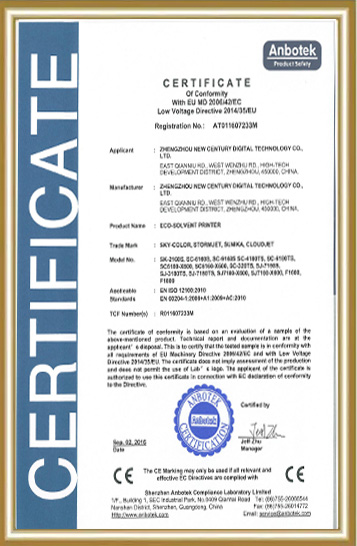
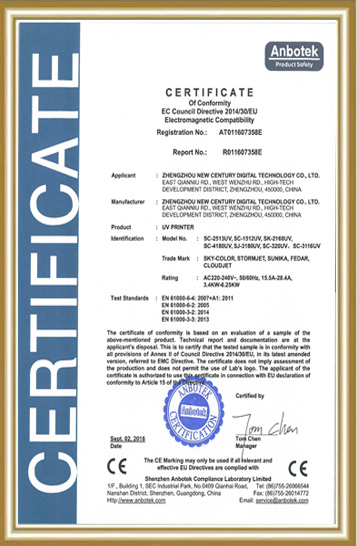
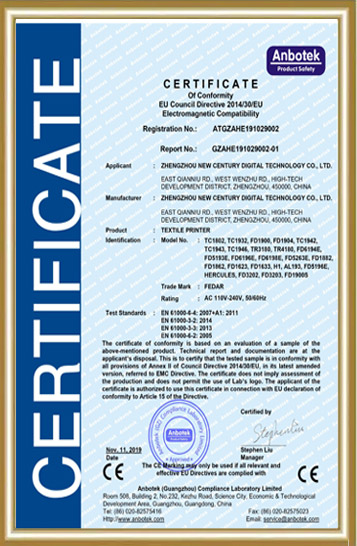
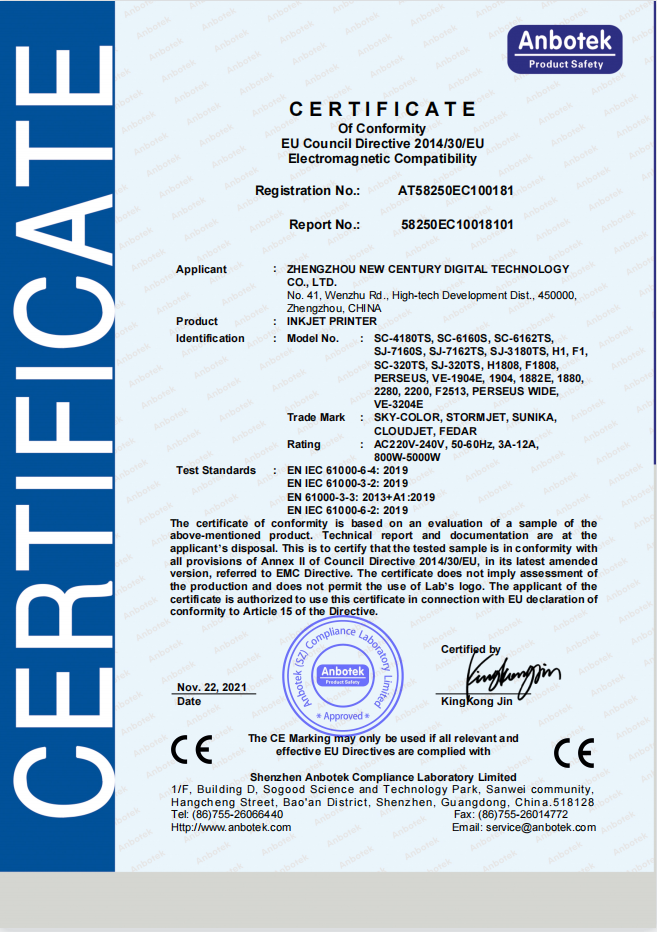
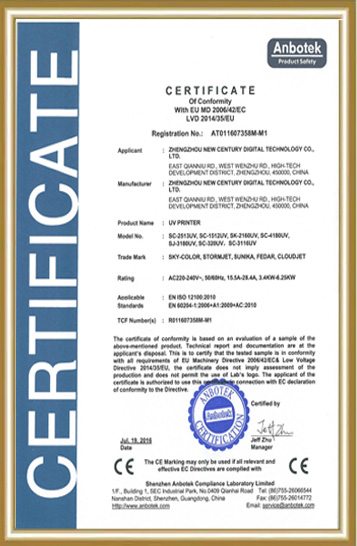
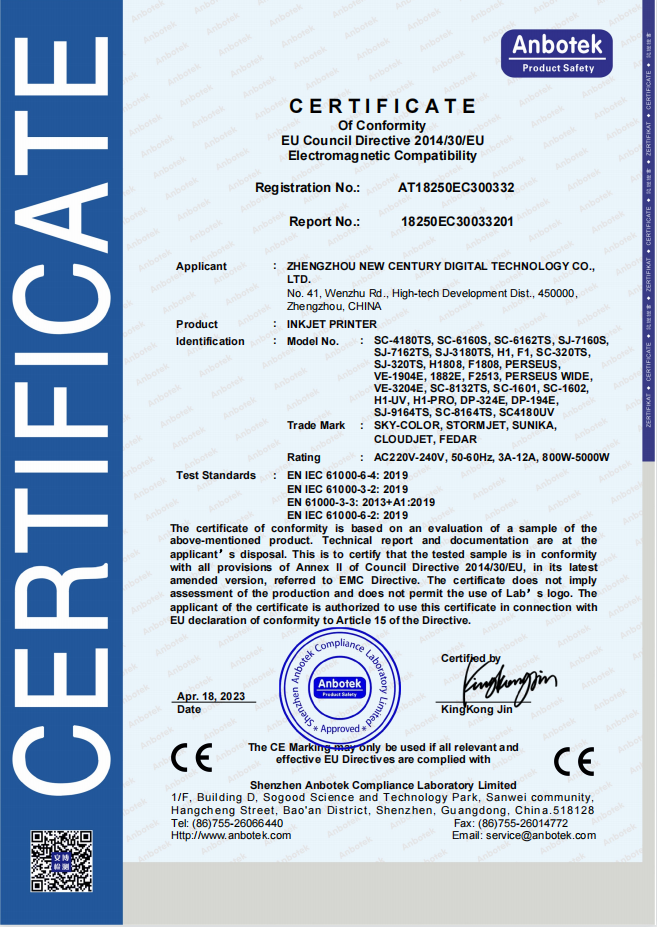
Alex Chen has accumulated extensive R&D and industrialization experience in the digital textile printing field, focusing on the innovation and optimization of digital printing equipment, direct-to-garment (DG) processes, and application solutions. He led the independent R&D and mass production of the company's core textile printing machines and DG printers, promoting their application in the textile, advertising, home furnishing, and personalized customization markets. The equipment he led has passed ISO9000 and CE certifications, earning the trust of a wide range of customers. He continuously provides customers with professional technical support and industry trend analysis, contributing to the upgrading and efficiency improvement of the digital printing industry.
We Look Forward to Your Email
Please send us product information that interests you, and we will provide you with one-on-one service.
_1778203196111.png)
Recommended Blog
How to Choose the Right DTF Printing Machine for Your Business?
 Printing is a Great Addition for Your Business_1781507126513.webp)
Why Direct-to-Film(DTF) Printing is a Great Addition for Your Business
Why the 60cm DTF Printer Is the Best Choice for Small-Batch T-Shirt Printing