Best DTF Printing Machine for Small Apparel Businesses
Understanding DTF Printing Technology for Small Apparel Businesses
- Understanding DTF Printing Technology for Small Apparel Businesses
- Key Features to Look For in the Best DTF Printing Machine for Small Businesses
- Comparing Top DTF Printing Machines in 2024: Which One Fits Your Business?
- Procurement and After-Sales Support: Ensuring a Smooth Purchase Experience
- Troubleshooting and Maintenance Tips to Maximize Your DTF Machine ROI
- Conclusion
- FAQ
- Partner with a Trusted DTF Printing Machine Manufacturer
- References
When looking for the best DTF printing machine for small clothing businesses, the key is to find one that strikes a good balance between production speed, accuracy, and ease of use. Direct-to-Film technology has changed the way clothes are decorated by giving substrates more freedom, accurate color reproduction, and the ability to skip the troublesome pre-treatment steps that come with DTG systems. Small clothing stores can get the most out of small units like the FEDAR FD-D300 and FD-D302, which offer industrial-grade output on a PC. The Epson F1080-A1 printheads in these machines have a resolution of 1600 DPI, which means they can print accurate details on cotton, polyester, and mixed fabrics. They can also print on demand, without a minimum order requirement. The entry-level FD-D300 is good for people who make samples, and the dual-head FD-D302 can print up to 62 A4 pages per hour, which is great for production needs in the growth stage.
Understanding DTF Printing Technology for Small Apparel Businesses
Direct-to-film printing revolutionizes clothing decoration. It's ideal for small enterprises that seek flexibility without sacrificing quality. This process prints designs on PET films using water-based pigment inks, unlike others. TPU hot-melt adhesive powder is applied to the films and heated to set. The film is heat-pressable and ready to transfer to practically any cloth. This technology solves screen printing and DTG's issues with expensive setup costs for small tasks and fabric pre-treatment, making it ideal for firms that operate with a variety of substrates.
What Defines a DTF Printing Machine?
A DTF printing machine, a digital inkjet system, may complete the Direct-to-Film process. The machine prints high-resolution pictures on transparent PET film using CMYK and white ink. The white ink layer provides a basis for brilliant colors on dark materials. After printing, the machine shakes the powder and evenly applies TPU adhesive on the wet ink. A 130°C–150°C curing tunnel melts the powder. This system distinguishes professional machines from manual ones, reducing labor expenses and ensuring quality throughout manufacturing runs.
How DTF Compares to Traditional Printing Methods
Several well-known methods for writing on garments have their own issues that DTF technology overcomes. Screen printing costs too much for sales under 50 units since each design and color separation requires an expensive screen. Colorful sublimation printing is only possible on silk and light-colored textiles. DTG printing requires treating fabric, and manufactured materials are difficult to print on. DTF printing can print directly on cotton, polyester, nylon, leather, and blends without pretreatment, eliminating these issues. With little setup, it can handle complex multi-color designs. Because of this, tiny garment stores may handle many unique requests without buying many tools.
Key Features to Look For in the Best DTF Printing Machine for Small Businesses
To choose the right tools, you need to carefully look at the technical specs that affect how well it works, how long the prints last, and how much it costs to run. Small businesses need to focus on features that produce professional results while keeping costs for upkeep and supplies reasonable. By knowing these basic features, you can make smart choices that match the equipment's abilities with your company's growth plans and the quality standards your customers expect.
Print Resolution and Production Speed
Print resolution, which is measured in dots per inch (DPI), tells you how sharp and true to life the copied images are. Resolutions on professional DTF printing machines are usually between 1440 and 2400 DPI. Higher numbers allow for more accurate gradients and clear text. The FEDAR FD-D300 works at 1600 DPI, which makes it very clear for most business uses, such as printing detailed logos and photos. The speed of production depends on how many printheads are used and how they are set up. Single-head machines, like the FD-D300, can print about 20 A4 pages an hour, making them good for making samples and doing small amounts of work. The FD-D302's dual heads triple output to 62 A4 prints per hour, meeting higher numbers of needs without lowering quality. This flexibility lets companies invest in the right equipment for their current production needs while still keeping upgrade paths open in case order numbers rise.
Ease of Setup and Maintenance Requirements
Operational ease affects production, particularly in small enterprises with undertrained workers. Desktop DTF printing machines are tiny and simply need standard power connections, which has several advantages. Connecting the ink supply lines, inserting film rolls, and aligning the printhead might take hours instead of days. Regular maintenance involves cleaning the printer to prevent ink clogging, removing powder from non-writing areas, and monitoring ink levels. Machines with automated white ink moving systems prevent TiO2 pigment from settling, which clogs nozzles and halts output. FD-D300 and FD-D302 models offer maintenance notes and simple interfaces for routine maintenance without technical expertise. This reduces unplanned downtime and maintenance expenses.
Ink Compatibility and Quality Standards
Ink chemistry affects lifespan, color accuracy, and textile feel. Wash fastness (Levels 4-5 on the ISO scale) is essential for DTF inks to retain color after 50 washings. CMYK color formulae should generate large color gamuts beyond offset printing. Additionally, white ink must be opaque to cover dark cloth backgrounds. Proper printhead technology is crucial for the printer. Epson F1080-A1 printheads in Fedar models operate with water-based pigment inks with certain particle sizes and thicknesses. Incompatible inks might invalidate your warranty and severely harm your printer. Reputable ink manufacturers provide extensive product information and technical support to ensure compatibility. Small enterprises should work with reliable ink suppliers that guarantee batch quality and supply enough to maintain production.
Manual Versus Automated Systems
DTF equipment ranges from hand-operated setups to completely automated systems that handle everything. Manual setups need separate powder application and drying stages, which increases effort and lowers quality. Semi-automated FD-D300 series tools print, shake powder, and cure in one space. This improves workflow and reduces errors. Fully automated industrial systems with automatic film feeding, internal quality checking, and digital production monitoring are worth the increased expense in high-volume environments. Small clothes retailers benefit from economical semi-automated desktop versions that boost production. One operator swiftly prepares, prints, and presses designs in these systems, maintaining quality and lowering labor costs.
Comparing Top DTF Printing Machines in 2024: Which One Fits Your Business?
The market in 2024 has a wide range of DTF options for businesses of all sizes and with different production needs. Small businesses that are trying to stay within their budgets usually look for tools that cost less than $5,000 and offer professional features without the large capital investments needed by large businesses. When looking at choices in this price range, you need to weigh the original purchase cost against the long-term costs of running the business, the quality of the prints, and the ability to grow. Knowing how certain types solve common problems helps match the choice of tools with long-term business goals.
FEDAR FD-D300: Entry-Level Excellence
The FEDAR FD-D300 is a great starting point for companies that want to start DTF printing machine operations or sample-making studios that care more about quality than quantity. The Epson F1080-A1 printhead is used in this single-printhead model, which gives you 1600 DPI quality over a 300mm print area. It can make up to 20 A4 prints per hour, which is enough for custom clothing companies that do about 100 to 150 copies per day. The small size saves important floor space because it is much smaller than standard screen printing setups and uses less power. Here are some of the best things about this device:
Zero-Experience Startup: The FD-D300 doesn't require any special printing knowledge to use. It has easy-to-understand software and a lot of training materials, so users can get professional results within days of setting it up.
Cost-Effective Operation: A low entry price and low costs for supplies mean that each order brings in a lot of money. Print-on-demand features get rid of the inventory risks that come with pre-printed stock, so companies can accept orders for a single unit and still make money.
Space and Energy Efficiency: Desktop sizes are good for small shops, home-based businesses, and stores where space is valuable. Compared to bigger industrial printers, it still uses a small amount of power, which lowers the cost of running the business.
These benefits directly address common problems that newcomers to fabric printing face, allowing them to quickly enter the market with low financial risk. The FD-D300 is good for sample production, event products, and store clothing brands that need a lot of different designs but not a lot of units.
FEDAR FD-D302: Scaling Production Capacity
The FD-D302's dual-printhead arrangement benefits developing or steady-order enterprises. This model and the FD-D300 share 1600 DPI and 300 mm width. This model's parallel printer triples output to 62 A4 printouts per hour. This pace helps small batch manufacturing businesses manage 300 to 500 movements per day with Fedar's high-quality output. The dual-head design reduces unit manufacturing costs significantly when output is high. This makes larger purchases more lucrative while offering tiny bespoke tasks flexibility. This method helps firms to develop from sample manufacturing to commercial fulfillment without redesigning procedures or retraining staff.
Evaluating Brand Reputation and Support Networks
Along with technical features, firm reliability and after-sales support affect equipment satisfaction over time. The 400-person Fedar facility concentrates on innovative R&D and manufacturing. Quality control is enforced throughout manufacturing at the facility. This manufacturing level ensures a consistent supply of genuine replacement parts and refills, which maintain print quality. The company's involvement in the worldwide inkjet printer industry allows it to adapt to many purposes, from textile decoration to advertising signs. Authorized dealer networks provide local support after the sale, addressing poor response times that make buyers distrust foreign items. Technical training, marketing materials, and repeatable sample assistance help resellers and distributors convert end consumers. These tools handle frequent international equipment sales issues.
Procurement and After-Sales Support: Ensuring a Smooth Purchase Experience
When you buy DTF printing machines, you have to make strategic decisions about more than just which model to buy. These decisions also have to do with the stability of the supply chain, the terms of the warranty, and ongoing expert support. Small businesses shouldn't just look at the purchase price; they should also look at the total cost of ownership, which includes things like how easy it is to get extra parts and how long it takes for service to arrive. Building strong buying relationships saves equipment investments and keeps operations running smoothly for as long as the machine is useful.
Identifying Trusted Supply Channels
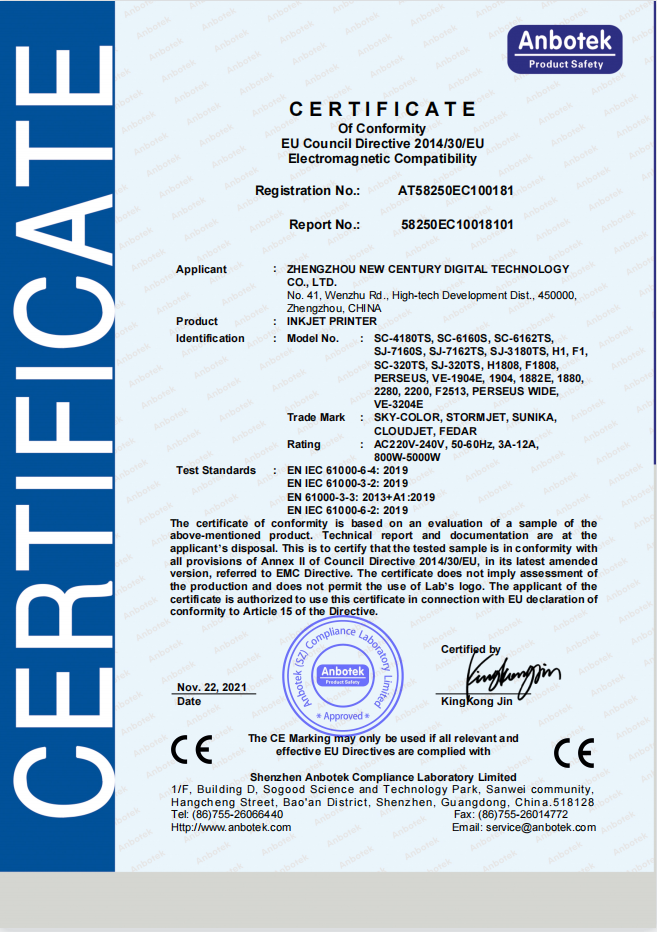
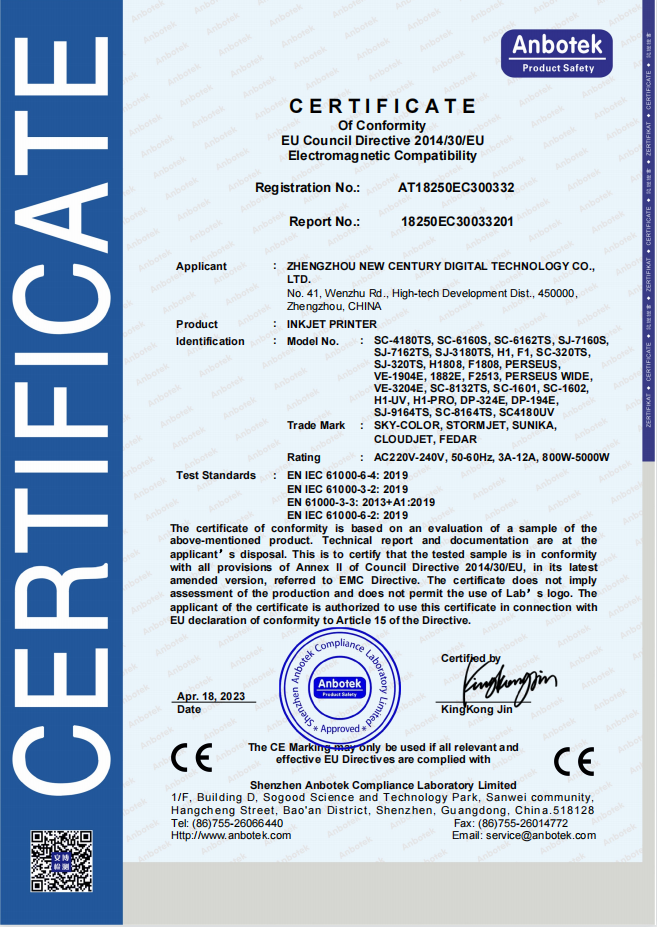
Business-to-business buyers should prefer to buy from approved dealers and makers' direct sales channels instead of third-party platforms that they can't trust. Authorized partnerships make sure that the equipment is real, comes with a warranty, and can connect to a network of expert help resources. Fedar has confirmed distributor networks in many important markets. These networks provide local points of contact for showing customers how to use tools, testing samples, and getting help after the sale. Businesses should check a factory's qualifications, output powers, and certification records when they are looking at other providers. Asking for sample copies made on the specific type of equipment lets you check the quality before committing. At trade shows and industry events, you can see tools in action and talk to representatives from the manufacturers, who can answer your technical questions and work out a custom support package just for you.
Understanding Warranty Terms and Service Agreements
Full guarantee protection against flaws in the making process and broken parts that could stop production. Standard DTF printing machine guarantees usually cover electronic parts and printhead units for 12 months. Service agreements can provide longer coverage. Some important things to think about when buying a warranty are how quickly you can get answers to technical support questions, whether you can get service on-site or have to send the item back to the center for repairs, and whether the guarantee covers replacement parts or parts that will last a long time. Companies that sell goods in areas that are far from the manufacturer's facilities should give preference to sellers with local service networks that can do repairs and upkeep without having to wait for long shipping times. FedEx's global customer service infrastructure lets it help customers across borders with things like online diagnostics, video troubleshooting, and fast sending of extra parts to keep downtime to a minimum. By making these terms clear before you buy, you can avoid mistakes that could lead to costly fixes you didn't expect or long breaks in production.
Establishing Consumable Supply Chains
Having steady access to original inks, films, and binding powders keeps print quality high and equipment lasting a long time. Using fake supplies can damage the printer, make colors look different, and shorten the life of the transfer. This raises the cost of doing business because of more mistakes and faster component wear. Getting in touch with approved providers of consumables guarantees consistent batches, checks for technical compatibility, and access to usage instructions. Fedar gives detailed specs for consumables and keeps quality-controlled supply routes that make sure performance stays the same from one production run to the next. Small businesses should figure out how much of each product they use each month based on how many orders they expect to receive and set up reordering rules that keep them from running out of stock without tying up too much working capital in supplies. A lot of the time, deals to buy in bulk save money and make sure that supplies are distributed fairly when supplies are low.
Troubleshooting and Maintenance Tips to Maximize Your DTF Machine ROI
Proactively maintaining and mending tools affects their performance and lifespan. Understanding typical operational faults and implementing systematic maintenance routines helps prevent minor issues from worsening and needing costly remedies or prolonged downtime. Operators skilled in basic troubleshooting may rapidly find and repair issues without calling for support for small modifications.
Addressing Common Operational Challenges
DTF printing's biggest issue is ink blockage, caused by dried ink or white pigment in the printer nozzles. Regular automatic cleaning cycles prevent buildup, while human purging removes permanent obstructions. Keeping the air humidity at 45–65% delays ink drying and prevents nozzle clogging. Misaligned printheads, slack film tension, and ink shortages produce banding and color variations. Printer software can calibrate alignment issues, and proper loading methods to maintain film tension ensure equal ink application. Uneven covering or powder accumulation indicates adhesive powder issues. These issues are frequently resolved by altering shaker settings or replacing worn shaker screens that distribute powder.
Implementing Preventive Maintenance Schedules
Structured maintenance plans based on production prevent DTF printing machines from breaking down unexpectedly and extend their lifespan. Checking ink levels, testing printer nozzles, and cleaning powder dust from non-printing regions are done daily. Weekly maintenance includes cleaning the printhead using manufacturer-recommended chemicals. Moving components are lubricated per service instructions, and film feed mechanisms are examined for wear. Monthly chores include cleaning powder application systems, checking curing tube temperature calibration, and checking electrical connections for corrosion or looseness. Keep track of maintenance chores to create service records that help you diagnose issues and prove you took care when you need warranty assistance. Proactive repair procedures reduce unnecessary downtime by 70%, maintaining work schedules and client obligations.
Operator Training and Best Practices
Equipment longevity depends on operator expertise and suitable operating procedures. Machine operation, maintenance, and problem-solving should be included in comprehensive training programs. Operators should understand ink science, including ink storage and expiry dates, to prevent utilizing outdated supplies. Reducing waste and contamination in film handling affects material costs and print success. Standard operating procedures for startup, shutdown, and changeover ensure that all personnel and shifts follow them. Fedar provides detailed operating manuals, video courses, and professional assistance to operators. Lead operators should handle complex maintenance chores and attempt to remedy issues before contacting outside vendors. This will help the company create internal expertise and reduce its reliance on outside aid.
Conclusion
For small clothing companies, choosing the best DTF printing machine means finding a balance between technical features, ease of use, and support infrastructure. The FEDAR FD-D300 and FD-D302 types are great examples of this balance because they produce high-quality output in small desktop sizes. Traditional hurdles to clothing printing are taken away by these systems' easy-to-use, low-cost, and no-experience-needed ways to get started. Moving from single-head to dual-head setups makes it clear that the machine can be expanded as output needs rise. Aside from the technical specs of the equipment, the success of buying also relies on building relationships with makers who give original parts, quick technical support, and a wide range of training materials. Active upkeep and skill development for operators get the best return on investment and make sure that the standard of the output is always high. DTF technology gives small businesses that are new to or growing in the custom clothing market the flexibility, quality, and cost-effectiveness they need to stay ahead of the competition.
FAQ
What is the typical lifespan of a DTF printing machine?
Professional-grade DTF printing machines usually work well for 5 to 7 years if they are well taken care of, but the printhead parts may need to be replaced every 18 to 24 months based on how often they are used. Regular cleaning and real-world use of consumables greatly increase the life of parts. Ignoring maintenance, on the other hand, speeds up wear and shortens the operating lifespan.
Can DTF transfers withstand commercial laundry processes?
When properly cured, quality DTF transfers have great wash longevity, keeping their color brightness and adhesion through 50 or more industrial laundry cycles. How long a transfer lasts depends on using the right heat press settings (usually 160°C for 15 seconds at medium pressure) and good supplies. Transfers meet ISO Level 4-5 wash fastness standards, so they can be used for business clothes, like outfits for restaurants, and sportswear.
What is the learning curve for operating a DTF printer?
People who have never printed before can usually get professional-quality results after 3–5 days of hands-on practice with home printers like the FD-D300. Basic skills include setting up design files, using a printer, and applying heat presses. After two to three months of regular use, you'll be able to do more complex tasks like color tracking and fixing upkeep problems. Having a lot of teaching materials really speeds up the learning process.
Partner with a Trusted DTF Printing Machine Manufacturer
Fedar is ready to help you get into profitable markets for clothing decoration with tried-and-true DTF technology and a wealth of manufacturing knowledge. Our 400-person production plant focuses on original equipment design and strict quality control to make sure that every FD-D300 and FD-D302 system works well from the very first day it is installed. We have open cooperation models that are made for wholesalers, distributors, and direct end users. We serve customers all over the world by offering reasonable price structures that keep healthy profit margins. Our expert support team can help you with installation, training for operators, and quick fixing so that your production doesn't stop. As a well-known provider of DTF printing machines, we keep a steady stock of original spare parts and consumables. This keeps the supply chain from being unclear, which can slow down business operations. Email our team at info@tex-printer.com to talk about different types of equipment, ask for sample prints, or set up a video presentation of how Fedar technology can change the way your clothing business works.
References
1. Johnson, M. & Stevens, R. (2023). Digital Textile Printing: Technologies and Market Applications. Textile Industry Press.
2. Chen, L. (2024). "Comparative Analysis of Direct-to-Film and Direct-to-Garment Printing Methods." Journal of Industrial Textile Technology, 18(2), 112-128.
3. Rodriguez, A. (2023). Small Business Guide to Custom Apparel Production. Entrepreneurial Press.
4. Williams, K. et al. (2024). "Environmental Impact Assessment of Modern Garment Decoration Technologies." Sustainable Manufacturing Review, 31(4), 203-219.
5. Thompson, D. (2023). Equipment Selection Strategies for Print-on-Demand Businesses. Commercial Printing Institute.
6. Zhang, H. & Martinez, P. (2024). "Printhead Technology Evolution in Wide-Format Digital Printing." Advanced Imaging Systems Quarterly, 12(1), 45-67.
We Look Forward to Your Email
Please send us product information that interests you, and we will provide you with one-on-one service.
_1778203196111.png)
Recommended Blog
Exploring What Is DTF Transfer: A Comprehensive Guide to Direct-to-Film Printing
How to Choose the Right DTF Printing Machine for Your Business?
A3 DTF Printer: with vs. without Oven System How To Choose?

 Printer Considerations_1779869621127.webp)
Features and Performance of a DTF Printer 24 Inch Designed for Commercial Output
Sublimation Printing: Exploring the Technique, Machines, and Advantages