Dye Sublimation Printer Sublimation Transfer Printer for Beginners: How to Have a Successful Start
Dye Sublimation Printer Sublimation Transfer Printer for Beginners: How to Have a Successful Start
Understanding Dye Sublimation and Sublimation Transfer Printing: The Basics
- Understanding Dye Sublimation and Sublimation Transfer Printing: The Basics
- How to Choose the Right Sublimation Printer for Your Business: A Criteria Screening Approach
- Setting Up and Maintaining Your Sublimation Printer for Optimal Performance
- Procurement Insights for Buying Sublimation Printers: Making Informed Decisions
- Real-World Applications and Case Studies: Successful Starts with Sublimation Printing
- Conclusion
- FAQ
- Partner with an Experienced Dye Sublimation Printer Sublimation Transfer Printer Manufacturer
- References
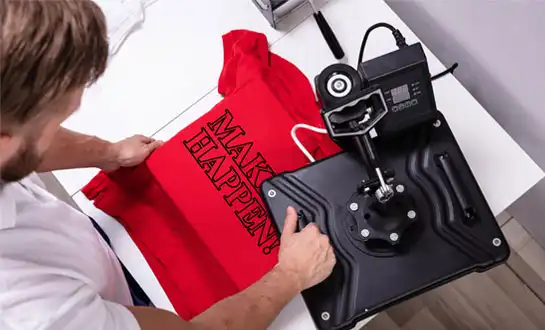
By starting with a dye sublimation printer sublimation transfer printer, it opens up new ways to make textiles, soft signs, and unique goods. Through a heat-activated molecular bonding process, this specialized digital image device puts sublimation colors on coated transfer paper. In contrast to other methods, sublimation uses heat and pressure to turn solid dye straight into a gas. This gas then penetrates polyester fibers to create pictures that are permanent, wash-resistant, and have photo-quality continuous tone. This method gets rid of the wasteful setup time that comes with screen printing and allows for flexible production on demand, which is great for small orders and custom items.
Understanding Dye Sublimation and Sublimation Transfer Printing: The Basics
What Makes Sublimation Printing Different
The chemical method that makes sublimation printing different from inkjet and screen printing is what makes it stand out. The technology works with dye paints that are spread out and don't go through the liquid phase at all. Instead, they go straight from solid to gas when heated to 180°C to 210°C. To open up the polyester fiber structure and embed within the material instead of just covering the surface, this phase change lets dye molecules in. The end result is permanent color integration that keeps the fabric's structure and ability to breathe without making it stiff or crack as vinyl transfers or screen-printed plastisol inks do.
Core Components and Equipment Requirements
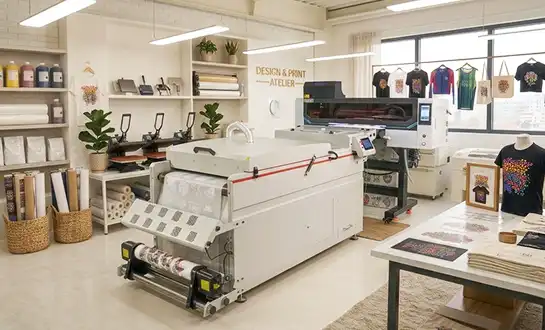
Several important parts are needed for a full sublimation printing process. Precision piezoelectric printheads, like the industrial-grade Epson i3200-A1 used across Fedar's product line, are built into the printer itself and very accurately release tiny drops of ink. As the transfer medium, sublimation paper needs to be a certain weight, between 40gsm and 100gsm, so that the ink doesn't pool and the paper stays structurally sound. A regulated heat press has the right amount of temperature and pressure to start the transfer. Most commercial units have settings that can be programmed to work with different substrate sizes and types of materials.
Compatible Substrates and Applications
Sublimation technology only works on surfaces that are covered with polymers or made of polyester. Natural fibers like cotton don't have the right chemical structure to bond with sublimation dyes. However, mixes with at least 60% polyester can work well, though the colors won't be as saturated. The technology can be used on rigid surfaces as well as fabrics if it is coated correctly. For example, aluminum panels can be used for building signs, ceramic tiles can be used for interior design, and picture prints can be made on polymer-treated wood goods. In some situations, this substrate limitation can be used to your benefit, since polyester is durable outside and works well with sublimation's UV protection and colorfastness.
How to Choose the Right Sublimation Printer for Your Business: A Criteria Screening Approach
Assessing Production Volume and Speed Requirements
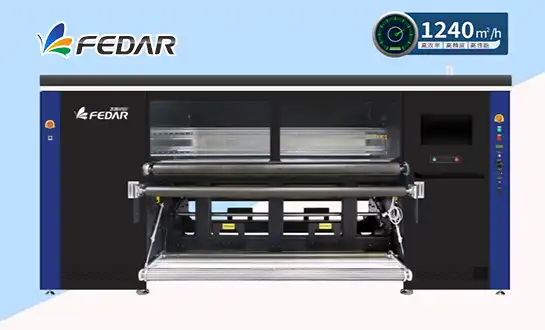
The production ability of a dye sublimation printer sublimation transfer printer is the main factor that guides the choice of tools. A small shop that does 20 custom orders a week has very different needs than a large textile mill that works with 500 meters of fabric every day. The best way to measure efficiency is to look at print speed in square meters per hour. Fedar's FD3324E type has 24 Epson i3200-A1 printheads and can print 1080 square meters per hour in single-pass mode across a 3300mm print width. This means it can be used to make a lot of soft signs. The FD61915E-A model, on the other hand, might be better for smaller businesses because it can print 610 square meters per hour across a width of 1900mm and still keep the same 3200 DPI highest resolution for photographic quality.
Evaluating Color Accuracy and Resolution
Resolution has a direct effect on the reproduction of fine details that are needed for designs with a lot of gradients and digital prints. At 3200 DPI, modern industrial sublimation equipment can make color changes that are smooth and don't show banding or pixels at normal viewing distances. In addition to raw resolution, color management also includes making sure that the ink mixture is consistent and that the printer is calibrated. Fedar's normal color configuration, CMYK, covers the basic color range. However, more advanced models can use light cyan and light magenta ink sets to better reproduce skin tones in fashion uses.
Before buying any tools, buyers should ask for ICC settings that are specific to the ink and paper they want to use. By taking into account changes in how much ink is absorbed and how well heat moves, these patterns make sure that colors are accurately reproduced. By running test prints of different colors through the whole process—from the design file to the finished heat-pressed substrate—a printer can show if it can keep the Delta E color deviation within the 1.5 to 2.0 range that is required by industry standards for color matching.
Total Cost of Ownership Analysis
The initial buying price is only one part of the total investment in the tools. Over the printer's useful life, operational costs build up through ink use, repair materials, and replacement parts. Longevity of the printhead has a big effect on long-term costs because these precise parts need to be replaced every so often after millions of firing cycles. Genuine Epson printheads help equipment have established supply lines and predictable replacement times, which lowers the uncertainty of buying for planning upkeep.
Operating costs are also affected by how much energy is used and how much temperature control is needed. Sublimation printers work best in controlled settings that stay between 20°C and 28°C and have a relative humidity of 40% to 60%. Changes in these factors can affect the viscosity of the ink and the stability of the paper's dimensions, which could lead to registration mistakes when printing quickly. Facilities that don't already have temperature control must include the costs of installing it in their total ownership estimates.
Setting Up and Maintaining Your Sublimation Printer for Optimal Performance
Initial Installation and Configuration
Setting up the machine correctly is the first step in getting regular output quality. First, put the equipment on a flat surface that is out of direct sunlight and away from HVAC vents that can cause temperature changes. Many industrial sublimation printers weigh more than 500 kilograms when they are fully built, so buildings with more than one floor need to have strengthened flooring. Dedicated 220V lines with surge protection are usually needed for electrical needs so that power quality problems don't mess up print jobs in the middle of production.
For a dye sublimation printer sublimation transfer printer, RIP (Raster Image Processing) software turns vector and raster files into printhead firing instructions. It connects design programs to printer hardware through software setup. These specialized programs handle color separation, ink limiting to prevent paper oversaturation, and printer nozzle calibration, maintaining high quality even if some jets lose efficiency. Training in RIP software pays off through reduced material waste and improved printing consistency.
Preventive Maintenance Protocols
Daily checks of the nozzles keep small clogs from getting worse and causing printer failures that stop production. Automated cleaning processes get rid of dried ink particles before they build up, but they use ink and should be set to random times instead of maker suggestions. Capping stations are sealed rooms that protect printheads when they're not being used. They should be deep cleaned once a week to get rid of ink waste that can lead to bad cap closing and subsequent nozzle drying.
Environmental monitoring tools for the environment help keep working conditions at their best. Digital hygrometers measure the humidity levels that affect the buildup of static electricity on sublimation paper. Temperature monitors make sure that the ink's thickness stays within the acceptable range. Pay close attention to static electricity because charged paper attracts dust particles that cause print flaws and can lead to media feeding mistakes during high-speed operation.
Procurement Insights for Buying Sublimation Printers: Making Informed Decisions
Source Selection and Supplier Vetting
When buying business tools, dealing directly with the maker is better than dealing with a third-party distributor. Manufacturers like Fedar, which has a 400-person plant that focuses on original research and development and production, offer professional support that can't be found through resellers. This direct link is helpful when talking about customizing equipment, since production processes might benefit from changed systems for handling media or unique drying setups that aren't available in standard stock models.
When looking at a supplier, you should look at their production skills and quality control methods. ISO certification means that production methods are standardized, and plant tours let purchasing teams look at how parts are sourced and how the end product is put together. Figuring out whether printheads, drive systems, and control electronics come from tier-one sources or generic ones can help you guess how reliable they will be in the long run and how easy it will be to get replacement parts.
Warranty Coverage and Service Agreements
Comprehensive guarantee terms protect investments in capital equipment against breakdowns before they occur and problems with the way they were made. Standard coverage usually includes warranties on parts and work for one year. For an extra cost, extended service agreements offer safety for more than one year. Pay close attention to the parts of the insurance that aren't covered, especially the parts that wear out over time, like printheads and repair stations.
For dye sublimation printer sublimation transfer printer systems, when problems happen, the length of downtime is determined by the after-sales support system. When manufacturers keep regional service centers stocked with trained techs and parts, they can fix problems in days instead of the weeks it takes for foreign shipping and customs clearance. Manufacturers can fix many problems remotely through videoconferencing and step-by-step instructions, which cuts down on trip costs and speeds up the settlement process.
Real-World Applications and Case Studies: Successful Starts with Sublimation Printing
Small Studio Scaling Through Technology
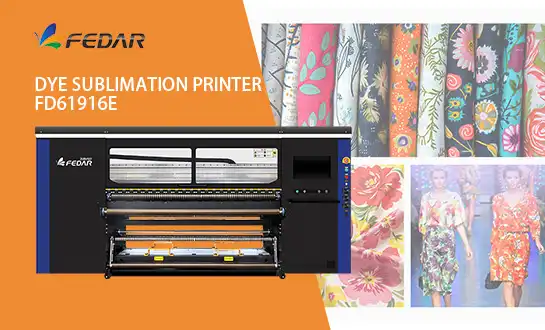
A custom clothing company in California switched from selling sublimation printing to using a Fedar FD61916E printer for in-house production. Their 1,500-square-foot building had enough floor space for the 16-printhead setup to handle 670 square meters of printing per hour, which was enough to meet their daily production volume of 100 to 150 garments. The 1900mm print width was wide enough to fit normal fabric bolt lengths without cutting off the edges, which would have wasted material.
Within six months, the studio paid for its tools back by not having to pay outsourcing fees and made more money from rush orders because they could be made the same day. They were able to reach new customers by being able to send custom sports uniforms 24 hours a day. This helped them serve recreational sports groups whose order patterns were hard to predict. For the change, staff had to be trained on how to manage colors and use a heat press. However, online tools and technical help from the manufacturer sped up the learning curve by a large amount.
Commercial Textile Production Optimization
A medium-sized textile company that makes fabrics for home decor replaced old wide-format equipment with Fedar's FD2624E model, which was faster and more reliable. With 24 printheads, they were able to increase throughput by 40%, and the 3200 DPI resolution let them bid on high-end picture reproduction jobs that they hadn't been able to do before. Automated media tracking across the 2600mm width cut down on the work that had to be done by an operator and got rid of the skewing problems that their old equipment had during long production runs.
The quality control department of the maker used a spectrophotometer to check that the colors were the same across all production batches. This caught profile drift before the bad goods got to customers. This proactive method cut customer returns by 60% in the first year and made them known for reliably delivering goods that meet specifications. Their success shows that quality systems and tools skills must work together to provide more value to the business than just fast production.
Conclusion
To successfully use sublimation printing, you need to understand the basic ideas behind the technology, choose equipment that fits your production needs, and keep systems in good shape by doing regular preventative maintenance. The dye sublimation printer sublimation transfer printer technology has special benefits when it comes to longevity, color vibrancy, and the ability of the material to breathe, which make up for the limits of the substrate and the need for a heat press. When choosing equipment, it's important to think about both the current production needs and the potential for growth in the future. Supplier ties provide the professional support network that's needed to get the most out of downtime and output quality.
FAQ
Can I print on cotton fabrics with sublimation equipment?
For dye to stick properly, sublimation chemistry needs surfaces that are covered with polyester or a polymer. Cotton and other natural fibers can't take sublimation dyes because their molecules aren't structured the right way. Blends of polyester and synthetic fiber that contain at least 60% synthetic fiber can produce good results, though the color strength reduces as the polyester content goes down.
How often does sublimation printing equipment require maintenance?
Printhead problems are expensive, but daily nozzle checks can be done in less than five minutes. Print quality is kept up by cleaning the closing stations and wiper blades once a week. Verifying the printhead's position once a month makes sure that the registration is correct across the entire print area. Continuous tracking of the environment is needed to catch changes in humidity and temperature before they affect production.
What causes colors to look different before and after heat pressing?
When put on transfer paper, sublimation inks stay in their solid dye state and show muted colors compared to the end picture that is transferred. When polyester fibers are heated, they change from a solid to a gas. This lets the dyes enter the fibers and make the colors pop. Because of this, printed transfer sheets will always look lighter and less saturated than finished goods.
Partner with an Experienced Dye Sublimation Printer Sublimation Transfer Printer Manufacturer
Fedar's full range of sublimation printing options helps all kinds of businesses, from small shops just starting out to large factories that make a lot of things. Our 400-person factory has strict quality control over both the original research and development (R&D) and production processes. This makes sure that the equipment works well and that expert help is quick to respond. The full range of products, with print sizes from 1900mm to 3300mm, meets a wide range of output needs. They all use the tried-and-true Epson i3200-A1 printhead technology, so parts are easy to find, and performance is always reliable.
We know that buying choices involve more than just the specs of the tools. They also involve relationships with suppliers, the level of service they can provide, and the long-term supply of parts. Our engineering team helps buyers avoid costly compatibility mistakes by giving advice on how to improve processes and choose the right material. Get in touch with our experts at info@tex-printer.com to talk about your production needs and set up sample prints that show off the high-quality photo quality and bright full-color output that our dye sublimation printer sublimation transfer printer supply solutions can provide.
References
1. Chen, W., & Martinez, R. (2023). Industrial Textile Printing Technologies: A Comprehensive Guide to Sublimation Systems. Digital Printing Institute Press.
2. Global Textile Printing Association. (2024). Sublimation Equipment Performance Standards and Quality Metrics. Technical Report Series 2024-01.
3. Johnson, K. L. (2023). Color Management for Wide-Format Sublimation Printing. Journal of Industrial Printing Technology, 45(3), 127-143.
4. Peterson, D. A., & Zhao, M. (2024). Procurement Strategies for Digital Textile Production Equipment. Manufacturing Technology Publishers.
5. Richards, S. J. (2023). Polyester Substrate Chemistry and Sublimation Dye Bonding Mechanisms. Textile Science Quarterly, 38(2), 89-104.
6. Williams, T. E. (2024). Maintenance Protocols for Industrial Sublimation Printing Systems: A Practical Handbook. Professional Printing Resources.

Leo Li
Leo Li is a promoter of small-batch quick response and flexible manufacturing solutions, focusing on short-process printing solutions for e-commerce customization, fast-turn orders, and personalized production. Achievement: Helped customers achieve a "one-piece minimum, same-day shipping" production model, significantly reducing sampling and delivery lead times while lowering overall operating costs.
We Look Forward to Your Email
Please send us product information that interests you, and we will provide you with one-on-one service.

_1778203196111.png)
Recommended Blog
Best DTF Printing Machine for Small Business: A Buyer's Guide
Understanding 24 Inch DTF Printer Technology for Efficient Print Shop Growth
How to Choose the Right DTF Printing Machine for Your Business?
What is DTF Printing? A Complete Guide to Direct-to-Film Printing.