How to Get the Most Out of Your DTF Printer?
Understanding the DTF System and Its Key Features
- Understanding the DTF System and Its Key Features
- How to Get the Best Performance from Your DTF Printer
- Strategic Equipment Selection for Business Growth
- Quality Control and Consistency Management
- Building Long-Term Success in Textile Decoration
- Conclusion
- FAQ
- Partner With a Trusted DTF System Manufacturer
- References
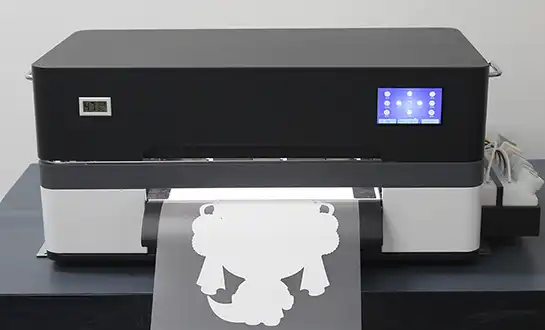
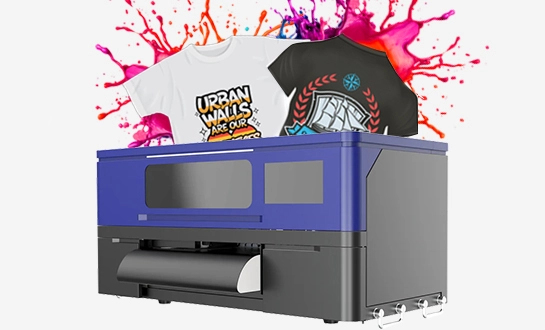
To get the most out of your DTF (Direct-to-Film) printer, you need to know about the whole printing environment, from setting up your tools to improving your workflow. Modern DTF systems use special printheads, careful film handling, the application of sticky powder, and carefully controlled drying processes to make transfers that look great. When set up and taken care of properly, these printers can change the way things are made, allowing for everything from small special orders to large-scale clothing decoration. To reach peak performance, you need to take care of technical issues, streamline working processes, and choose equipment that fits your production goals.
Understanding the DTF System and Its Key Features
What Makes Direct-to-Film Technology Different
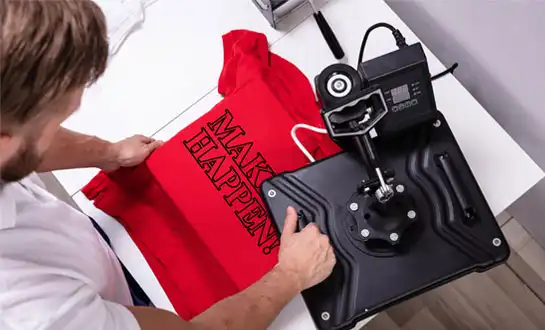
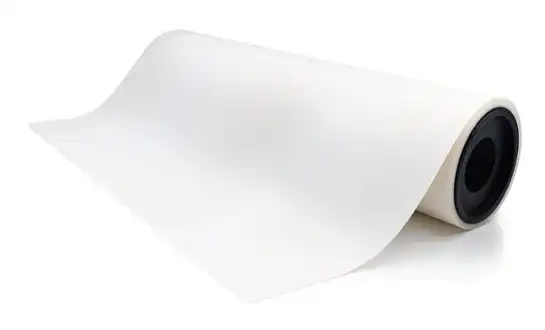
Direct-to-Film printing is a big step forward in how textiles are decorated. DTF is more flexible than traditional screen printing, which needs a lot of time to set up and a minimum order size, or DTG technology, which needs the cloth to be treated first. Using special inks, the process copies high-resolution pictures onto PET films. Next, hot-melt adhesive powder is added, the mixture is heated to cure, and the finished transfer is heat-pressed onto fabrics. This method works on cotton, polyester, mixes, nylon, and even tough materials that don't print well with other methods.
Core Components That Drive Print Quality
Every high-performing DTF system depends on parts that are in sync with each other working together. Fedar's FD-D300 and FD-D302 types have precision piezoelectric printheads like the Epson F1080-A1 that give ink droplets as small as 1 nm at a resolution of up to 1600 DPI. The white ink transportation system keeps titanium dioxide particles from settling down, so the level of visibility stays the same over thousands of prints. Specialized coats on PET films stop ink from absorbing and allow clean copy release. Hot-melt powders make the bond, and controlled drying stations harden the film before it is pressed. When set properly, these elements make transfers that have great color depth, feel soft to the touch, and last through 50+ wash cycles.
Technical Advantages for Modern Production Environments
Modern DTF system technology fixes problems that keep coming up in production. With Dmax values above 1.6 for deep, rich tones, color vibrancy reaches levels that traditional methods cannot achieve. Printing is also much faster now—the FD-D302 with dual printheads can produce 62 A4 prints per hour, enabling rapid fulfillment of urgent orders. Material compatibility extends beyond standard linens to include technical fabrics, high-stretch sportswear, and non-absorbent textiles. Desktop-format printers, such as Fedar’s 300mm-width models, deliver high-quality output while occupying minimal floor space, making them well-suited for sample makers and small-batch production workshops that are just entering fabric printing.
These technological skills directly lead to benefits for businesses. Production centers can take print-on-demand orders without having to meet a minimum number requirement. This creates new ways for businesses to make money. Not using screens, stencils, and preparation agents cuts down on both the cost of materials and the time it takes to work. Compared to standard dryers and curing tools, they use a lot less energy, which saves money on operations and raises the profit margins per order.
How to Get the Best Performance from Your DTF Printer
Establishing Proper Setup Protocols
For a DTF system, performance tuning starts before the first print run. The environment has a big effect on the quality of the output. For example, keeping the relative humidity between 40 and 60% stops problems with static electricity that cause powder to stick together and the feared "halo effect" around transfers. When the temperature stays stable between 20°C and 25°C, the thickness of the ink stays the same, and the jetting works well. With the right airflow, heat, and chemical fumes can be controlled without contaminating the air with dust. During installation, precise leveling stops film tracking mistakes, and regulated tension controls get rid of wrinkles that make it hard for color layers to line up.
Selecting and Managing Premium Consumables
Color clarity and how long a copy lasts depend on the quality of the ink. Professional-grade inks keep their thickness between 7 and 12 cps so that droplets form steadily and meet ISO 105-C06 standards for wash fastness. When production stops, white inks that have suspension agents in them don't settle. Sticky powders need to be matched with the type of fabric. For example, fine powders (80–120 mesh) work well with smooth cotton, while coarser grades (60–80 mesh) can get through technology fabrics. The type of PET film you choose affects how well the ink absorbs and how easily it comes off during heat pressing. Problems like color migration, oily residue, and adhesive failure can be avoided by using suitable supplies from reputable providers.
Implementing Preventive Maintenance Schedules
Regular repair keeps things running smoothly and saves money by avoiding costly downtime. As part of daily tasks, the printer is cleaned, the wiper blades are checked, and the flow of white ink is confirmed. Every week, you have to check the mechanisms that tighten the film, clean the systems that apply the powder, and check the accuracy of the heat press's temperature. As part of the monthly deep maintenance, test patterns are used to line the printer, worn seals and gaskets are replaced, and software is updated to improve performance. Fedar's 400-person factory provides ongoing technical support that helps workers spot possible problems before they slow down production.
Performance changes can be seen by keeping track of maintenance data. Within a DTF system, checking the nozzle check patterns can find partial clogs before the print quality gets worse. By keeping track of how much powder is used, inefficient applications can be found. Keeping track of dwell times and temperatures in a heat press gives you a starting point for fixing issues. A European company that makes sportswear put in place systematic repair routines that cut printer downtime by 73% and increased daily output by 41%. This shows that disciplined practices increase return on investment.
Optimizing Workflow Efficiency
Most of the time, production bottlenecks are caused by changes in the way work is done, not by limited tools. Combining designs that are similar cuts down on the time it takes to switch between color profiles and set up for each job. Before applying the transfer, pressing the clothes first gets rid of any wetness and makes the fabric surfaces smoother, so the transfer sticks better. Sorting transfer storage by order keeps things from getting mixed up when pressing. Training more than one team member on all of the production units gives you options when demand is high. Software that automates color separation, order queuing, and job tracking for printing jobs gets rid of mistakes made by hand and speeds up workflow.
Strategic Equipment Selection for Business Growth
Matching Printer Specifications to Production Needs
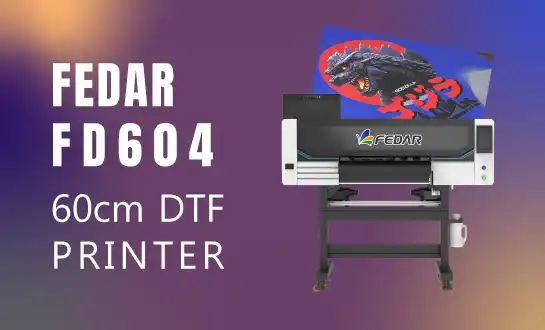
Finding the right DTF printer system (DTF system) takes an honest look at what people need now and what they think they will need in the future. Compact types like the FEDAR FD-D300 are good for startups and small companies because they are easy to use and don't cost a lot. Its single Epson F1080-A1 printer can make 20 A4 pages per hour, which is enough for making samples, custom orders, and small batches without needing separate workers. The desktop footprint saves important floor space and keeps the 1600 DPI resolution for accurate text and photographic detail.
Businesses that are expanding and getting more orders should look at the DTF system FEDAR FD-D302's dual-printhead setup. Three times as many A4 prints can be made in an hour, which means that bigger orders can be turned around the same day with the same level of printing. Both types can print in CMYK+W, which lets you print bright patterns on dark fabrics. The 300mm print width can fit A3 transfers, which can cover the chest parts of adult clothing in one piece. These specs allow for high profit margins per order while still using little energy and having upkeep needs that are easy to handle.
Evaluating Total Cost of Ownership
The price of the tools is only one part of the expense. A full cost analysis projects the costs of consumables like ink, film, powder, and replacement parts over the expected output amounts. Energy use changes a lot between models, which has an effect on monthly operational funds. Maintenance needs determine how much work needs to be done and how much it might cost to provide service. Long-term dependability and downtime risks are affected by warranty coverage and the quality of expert help. Fedar's factory-direct plan gets rid of markups for distributors and makes sure that customers can get original parts and expert tech support.
Scalability and Future-Proofing Considerations
For a business to grow, its capabilities often need to be expanded beyond what was originally planned for the tools. By looking at DTF system update paths, you can keep things from becoming obsolete too soon. Can more printheads be added as the number of jobs grows? Does the company make wider-format models that can use the same consumables? This would make managing supplies easier. Are there changes for the program that add new features and make it work better with new design tools? Fedar is always doing research and development to make sure its equipment stays competitive. They do this by sending firmware changes to current customers and making suitable accessories available as production needs change.
Quality Control and Consistency Management
Establishing Testing Protocols
For professional production, DTF system quality control must be very strict. Between the CMYK and white layers, ink-to-film registration must stay within 0.02 mm of accuracy. This keeps the lines from showing, which is a sign of amateur work. Using automatic shaker dryers to check the consistency of powder covering helps eliminate material differences and adhesion gaps. Following AATCC 61-2A standards for wash fastness testing shows that colors stay true through multiple 40°C laundry cycles, meeting customer expectations for durability. Cross-cut binding tests demonstrate that the powder and base are chemically bonded, which prevents delamination in high-stretch fabrics.
Troubleshooting Common Print Defects
Even systems that are well taken care of, including the DTF system, sometimes give wrong results. Most of the time, oily film means that there is too much ink or not enough drying. Most of the time, setting the dryer temperature to between 140°C and 160°C fixes the problem. Banding patterns show that the printhead's position has shifted or that the tip is clogged and needs to be cleaned. Color changes that happen after heat pressing show that the dye has moved in polyester fabrics. This can be fixed with low-bleed inks or anti-sublimation powder layers. Writing down flaws and ways to fix them creates institutional knowledge that speeds up problem-solving and cuts down on waste.
Building Long-Term Success in Textile Decoration
Integrating DTF Capabilities Into Business Strategy
Aside from operational success, maximizing equipment investment also involves strategically positioning in the market. DTF's no-minimum-order feature lets businesses reach customers they couldn't reach before, like individuals looking for personalized items, small shops trying out designs before bulk production, and corporate clients needing limited-quantity branded goods. The fast turn-around time of the technology supports on-demand delivery methods that get rid of the risk of having too much inventory while charging higher prices. Businesses that stress these benefits stand out in busy markets and attract customers who value freedom and speed of service over lowest costs per unit.
Adapting to Market Trends and Customer Demands
Trends in decorating textiles change quickly because of changes in culture, technology, and fashion cycles. Businesses can predict changes in customer demand before their competitors by keeping an eye on how the industry is changing. Sustainable production practices are becoming more and more important in buying choices. For example, the DTF system’s lower water use, lack of harsh pretreatment chemicals, and low trash production are appealing to customers who care about the environment. Businesses that offer more substrate flexibility are better prepared for new uses in technical clothing, promotional goods, and home textiles. Fedar's technical team is always improving tools based on what the market says. This way, partners can get new technologies that give them a competitive edge.
Continuous Training and Skill Development
Without intentional training spending, technology changes faster than workers can learn it. Regular training events that cover advanced methods, software changes, and making sure that new materials work with old ones stop skill gaps that lower the quality of production. Cross-training workers in a variety of equipment areas makes operations more resilient and adaptable. Encouraging team members to try out creative apps during breaks in production leads to new ideas that lead to new ways to make money. Fedar offers full technical training and marketing help, solving common problems faced by distributors and speeding up partner success.
Conclusion
To get the most out of your DTF system and DTF printer, you need to know about the whole production environment, follow strict operating procedures, and choose equipment that fits your business's needs. When used correctly, the technology's built-in benefits—additional material options, quick setup, no minimums, and high-quality output—open up chances in all textile design markets. The FD-D300 and FD-D302 models from Fedar offer industrial performance in small packages. They come with factory-direct quality control and quick expert help. To be successful, you need to find a balance between technical excellence and strategic business development. You also need to keep changing with the times to meet the needs of the market while keeping the routine stability that builds trust with customers and drives long-term growth.
FAQ
How quickly can I expect a return on investment after purchasing a DTF printer?
ROI times depend on how much is being made, how prices are set, and how efficiently the business is run. When making 30 to 50 transfers a day at market rates, small companies usually get their money back in 8 to 14 months. Payback takes 4 to 8 months for higher-volume processes with improved workflows. Key factors include getting the most out of your printers during their open hours, reducing waste through proper setup and maintenance, and setting prices for your services that are in line with how you want to place your business in the market.
What maintenance practices most significantly extend printer lifespan?
80% of common failures can be avoided by cleaning the printer every day and checking the flow of white ink. The quality of the prints stays high with weekly checks to make sure the printheads are aligned. Chemical incompatibilities that damage seals and tubes can be avoided by using consumables that the maker recommends. Keeping the temperature and humidity fixed lowers the stress on mechanical parts. Fedar's rules for preventive maintenance help workers avoid problems before they get bad enough for technicians to fix.
Can DTF systems integrate with existing production management software?
These days, DTF printers can read standard file types that work with most design and workflow tools. Some software systems allow direct connection, and many accept RIP (Raster Image Processor) output that automatically queues print jobs. Businesses that use full production management systems should make sure that new equipment is compatible when they test it. However, file-based processes are a reliable option for operations that don't need a lot of complex software infrastructure.
Partner With a Trusted DTF System Manufacturer
Fedar has been working with inkjet printers for decades and now runs a 400-person plant that focuses on original research, development, and production. Our FD-D300 and FD-D302 models are the result of a lot of hard engineering work and testing in the real world. They work reliably for dealers, studios, and production centers all over the world. We know what distributors and agents need: stable equipment that doesn't break down often, competitive prices that help you keep your profit margins healthy, thorough technical training, and quick customer service after the sale that keeps your relationships with your customers safe.
Our team gives you the technical advice and ongoing support that turns buying tools into a profitable relationship, whether you're starting your first DTF capability or growing your current ones. We encourage procurement professionals, plant managers, and delivery partners to learn more about how Fedar's DTF systems can help you compete in the market. Email our team at info@tex-printer.com to talk about your specific needs, ask for example prints to see how good our output is, or set up equipment demos to see how our systems work in real-world settings.
References
1. "Textile Printing Technology Standards and Best Practices," International Textile Manufacturers Federation Technical Committee, 2023.
2. Johnson, Michael R., "Digital Transfer Printing: Process Optimization and Quality Management," Industrial Printing Journal, Vol. 34, No. 2, 2024.
3. "Adhesive Chemistry in Textile Transfer Applications," Society of Dyers and Colourists Technical Monograph Series, 2023.
4. Chen, Li-Wei and Rodriguez, Elena, "Comparative Analysis of Digital Textile Decoration Technologies," Textile Research Quarterly, Spring 2024 Edition.
5. "Global Digital Textile Printing Market Analysis: Technology Adoption and Industry Trends," Strategic Market Research Institute Annual Report, 2024.
6. "Color Management and Reproduction Standards for Digital Textile Printing," American Association of Textile Chemists and Colorists Technical Manual, Revised 2023.
Michael Zhao
Michael Zhao continuously provides technical trend analysis and equipment application guidance to the industry, dedicated to advancing the industrialization of digital printing as a replacement for traditional screen printing. Achievement: Has published multiple technical analysis articles and provided professional support in equipment selection, process optimization, and fault diagnosis to dozens of printing factories, contributing to the upgrade of the digital printing industry.
We Look Forward to Your Email
Please send us product information that interests you, and we will provide you with one-on-one service.



_1778203196111.png)
Recommended Blog